In 2026, drivers who want to avoid surprise repair bills have a pretty clear roadmap. A new set of predicted reliability scores places Japanese carmakers firmly at the top, with Toyota, Subaru, and Lexus taking the first three spots.
For anyone choosing a new car, that ranking can mean the difference between years of trouble-free commuting and too many Saturdays spent at the service center.
The list comes from Consumer Reports, which calculated predicted reliability scores for almost every new car, truck, and SUV on the market. Based on owner surveys covering about 380,000 vehicles, the analysis highlights brands that tend to age gracefully and those that still struggle with early glitches.
One of the biggest storylines is the sharp rise of Tesla, which climbs eight places compared with 2025.
How the 2026 reliability scores were built
To create the 2026 ranking, Consumer Reports asked its members to report in detail on problems they have had with their vehicles. Owners described issues ranging from engine trouble to squeaky interiors, and those reports were then rolled into predicted reliability scores for each model and brand. In simple terms, the fewer and less serious the problems, the higher the score.
The latest analysis also compared different types of powertrains. Gasoline models, conventional hybrids, plug-in hybrids, and fully-electric vehicles were all included and scored. That mix gives shoppers a more realistic picture of how newer technologies stack up against long-proven designs.
Japanese brands dominate the top spots
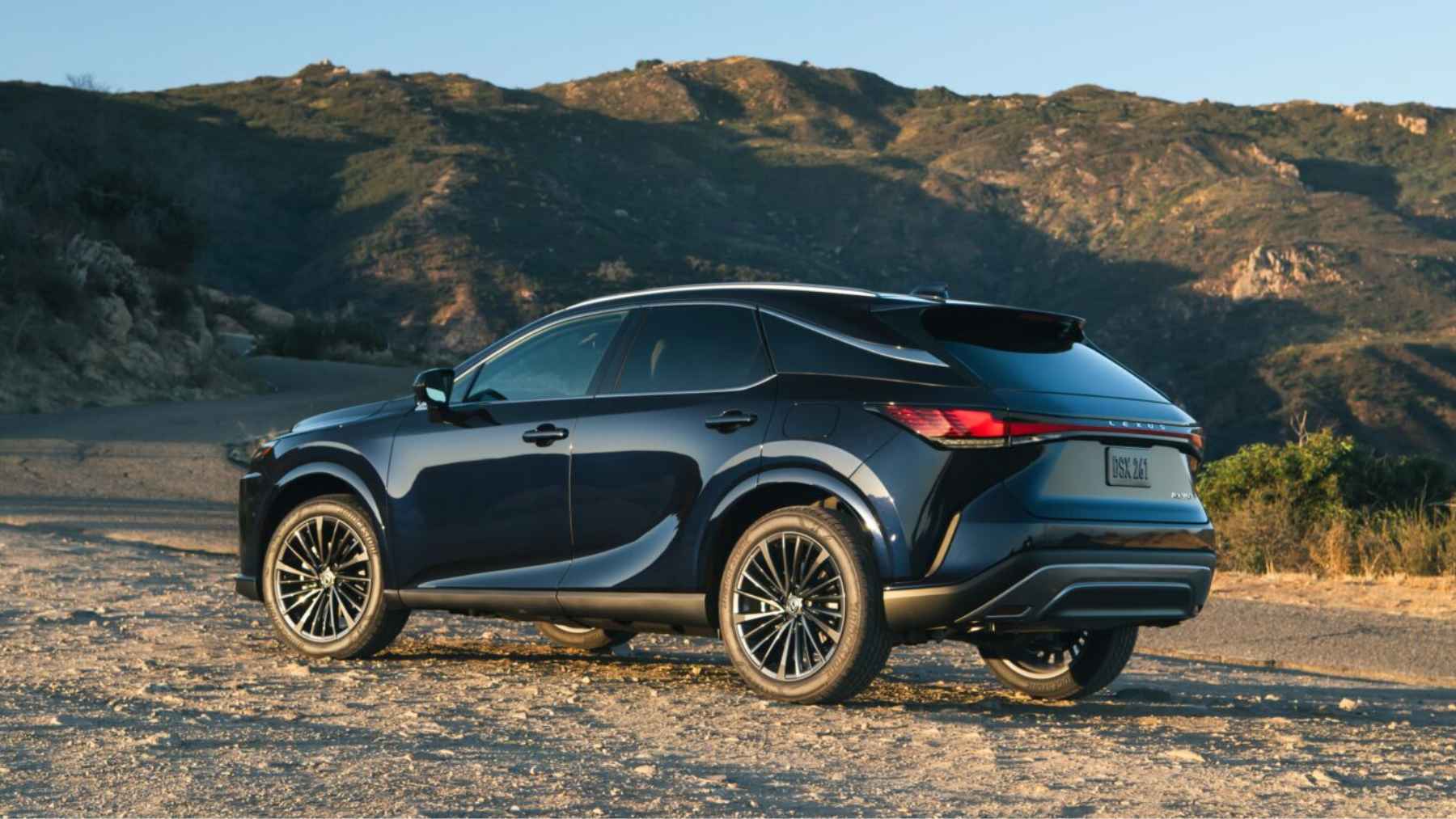
Six of the seven highest ranked brands in 2026 are Japanese. Toyota leads with a predicted reliability score of 66, followed by Subaru at 63 and Lexus at 60. Just behind them are Honda with 59 and Nissan with 57, while Acura rounds out the group near the top.
Toyota’s vehicles are designed to keep going well past 200,000 miles when they are maintained properly, helped by strict quality control and relatively simple powertrain designs that limit potential failure points.
The brand also has a strong antitheft reputation, which keeps several of its models among those with the lowest risk of being stolen. Honda and Nissan show solid scores as well, reinforcing Japan’s long-running edge when it comes to building cars that last.
Even brands that land slightly lower on the list, such as Mazda, still benefit from that same cautious, engineering-first approach. For many families comparing monthly payments with long-term running costs, that track record carries a lot of weight.
European brands hold the middle ground
European carmakers cluster mainly in the middle of the 2026 table. BMW stands out as the strongest performer from the region, taking fifth place overall with a score of 58 and even edging past some Japanese rivals. For buyers who want a premium badge without giving up too much peace of mind, that result will catch the eye.
Other European names, including Volkswagen, Audi, Mercedes-Benz, and Volvo, fall between roughly 40 and 45 points.
That range points to a mixed picture where advanced features and high-end interiors sometimes come with greater complexity and, in turn, more things that can go wrong. For drivers, it suggests that a prestige badge does not always guarantee trouble-free ownership.
Tesla’s big leap and what it says about electric cars
One of the most striking changes in the 2026 ranking is the jump made by Tesla. The brand rises eight places compared with the previous year and now sits ninth overall with a predicted score of 50. That improvement is largely driven by stronger reliability results for the Model 3 and Model Y, which have benefited from years of gradual design and production refinements.
This pattern hints at a broader trend for electric vehicles. As designs mature and early bugs are ironed out, reliability can improve significantly. At the same time, lower-ranked brands such as Jeep, Ram, and Rivian show how newer platforms and performance-focused models often face more growing pains at first.
For drivers curious about going electric, the 2026 scores suggest a more nuanced reality. Some EVs are now matching or approaching the dependability of long-established gasoline and hybrid models, while others still have work to do. Checking model level data before signing a finance contract matters more than ever.
How other major brands stack up
Several well-known brands land in the upper middle of the pack. Buick ranks eighth with a score of 51, just ahead of Tesla. Kia follows with 49 points, while Ford and Hyundai both post scores of 48.
These brands illustrate an important point. Many mainstream manufacturers now deliver reliability that is good enough for most households, even if they do not top the charts. For buyers who care as much about features, design, or price as they do about never seeing a warning light, the middle of the ranking still offers plenty of reasonable choices.
What this means for everyday car buyers
For most people, reliability shows up in ordinary moments. It is the car that starts on a freezing morning, the hybrid that keeps its battery pack healthy, or the family SUV that avoids a big repair just after the warranty ends. The 2026 reliability ranking does not guarantee any specific outcome, but it does give drivers better odds when they pick brands with stronger scores.
In practical terms, the data suggests that Japanese brands remain a safe bet for long-term ownership, especially for drivers who plan to keep their vehicles for many years. European and American brands offer a wider spread, from standouts like BMW and Buick to models that may still be ironing out early issues.
Tesla’s rise, meanwhile, signals that some electric vehicles are moving past the teething phase and into a more stable, mature stage.
At the end of the day, no chart replaces a careful test drive and a look at model specific information. Still, this 2026 snapshot can help shoppers narrow their short list and avoid cars that are more likely to spend time in the shop.