In Ukraine, bitter winter nights now come with a familiar sound, not of wind, but of air raid sirens and distant explosions. Russia is firing hundreds of drones and missiles at cities each night, often targeting power and heating plants that keep homes warm and lights on. For millions of people, the climate crisis and the security crisis now feel like the same story.
To break that pattern, Kyiv plans to roll out a nationwide air defense system guided by artificial intelligence that can predict incoming attacks and send swarms of low-cost interceptors to stop them. What does that actually mean for people just trying to keep the heat on and pay the electric bill?
According to a report from UNITED24 Media, Mykhailo Fedorov says the government has “a clear plan about how to stop Russia in our skies,” built around a secure AI platform known as the Dataroom.
The system, developed with US software company Palantir Technologies and the state backed Brave1 tech cluster, will train algorithms on years of battlefield images and sensor data to anticipate Russian strikes and guide autonomous interceptors.
That shift cannot come soon enough. Continuous attacks have knocked out power plants and heating stations, leaving thousands of apartment blocks in Kyiv, Odesa and Dnipro without electricity, running water or central heat during sub-zero nights.
In some barrages, Russia has launched nearly one thousand drones and missiles at once, overwhelming existing defenses and forcing families into crowded warming centers.
Humanitarian groups warn that turning winter into a weapon has long-term environmental costs as well as immediate human ones. Early in the war, concentrated strikes damaged about 40% of Ukraine’s electricity generation and transmission capacity, triggering blackouts and pollution risks across much of the country.
Recent assessments describe people relying on gas burners, diesel generators and improvised heaters inside small apartments, which raises fire danger and worsens indoor air quality.
How an AI shield could work
The new system rests on three ideas that sound simple, but are hard to deliver in a war. Prediction, so that AI can spot attack patterns in real time. Speed, so that interceptors react faster than any human crew. And cost, so that defenders spend less on shooting down a drone than the attacker paid to launch it.
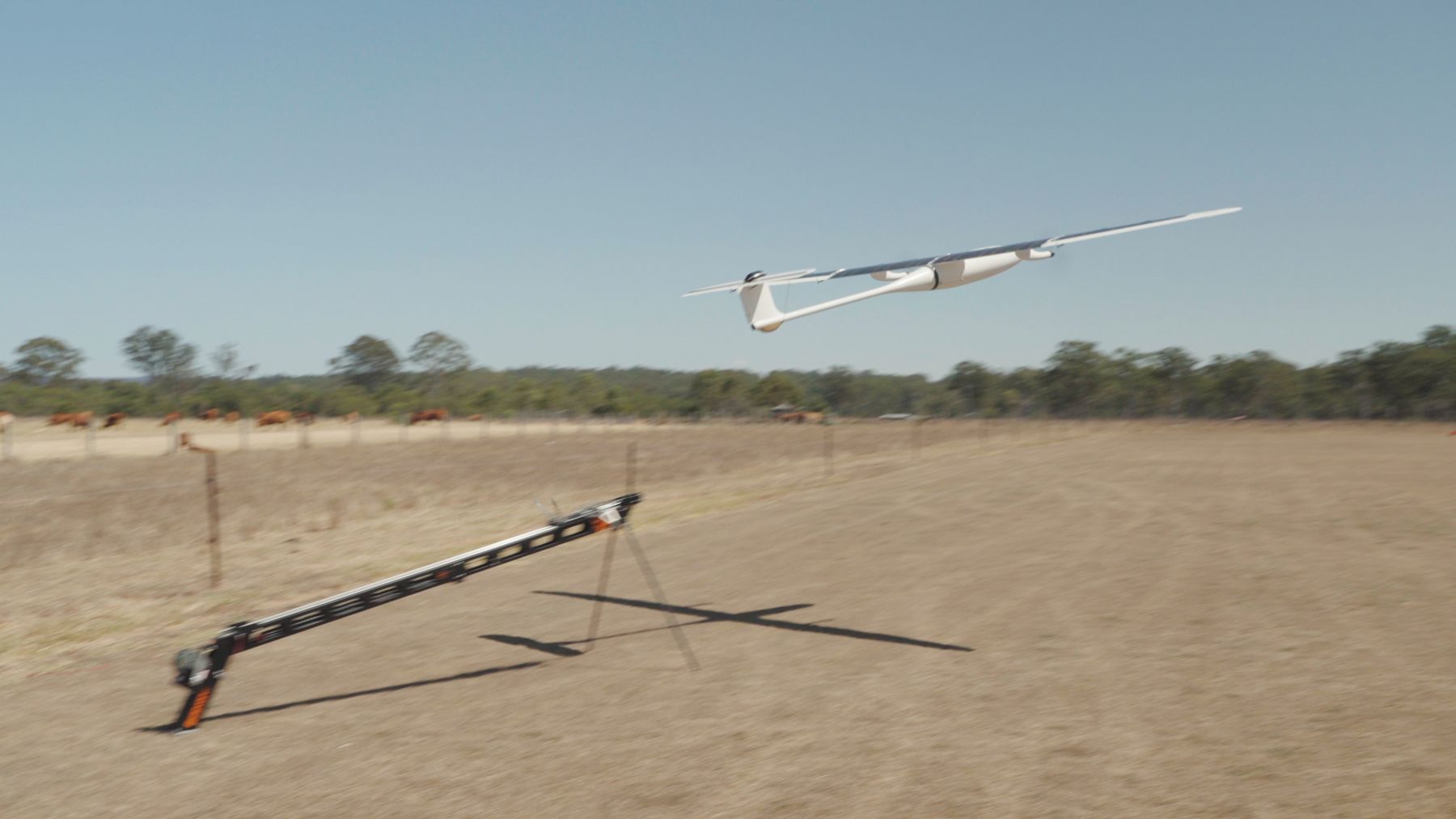
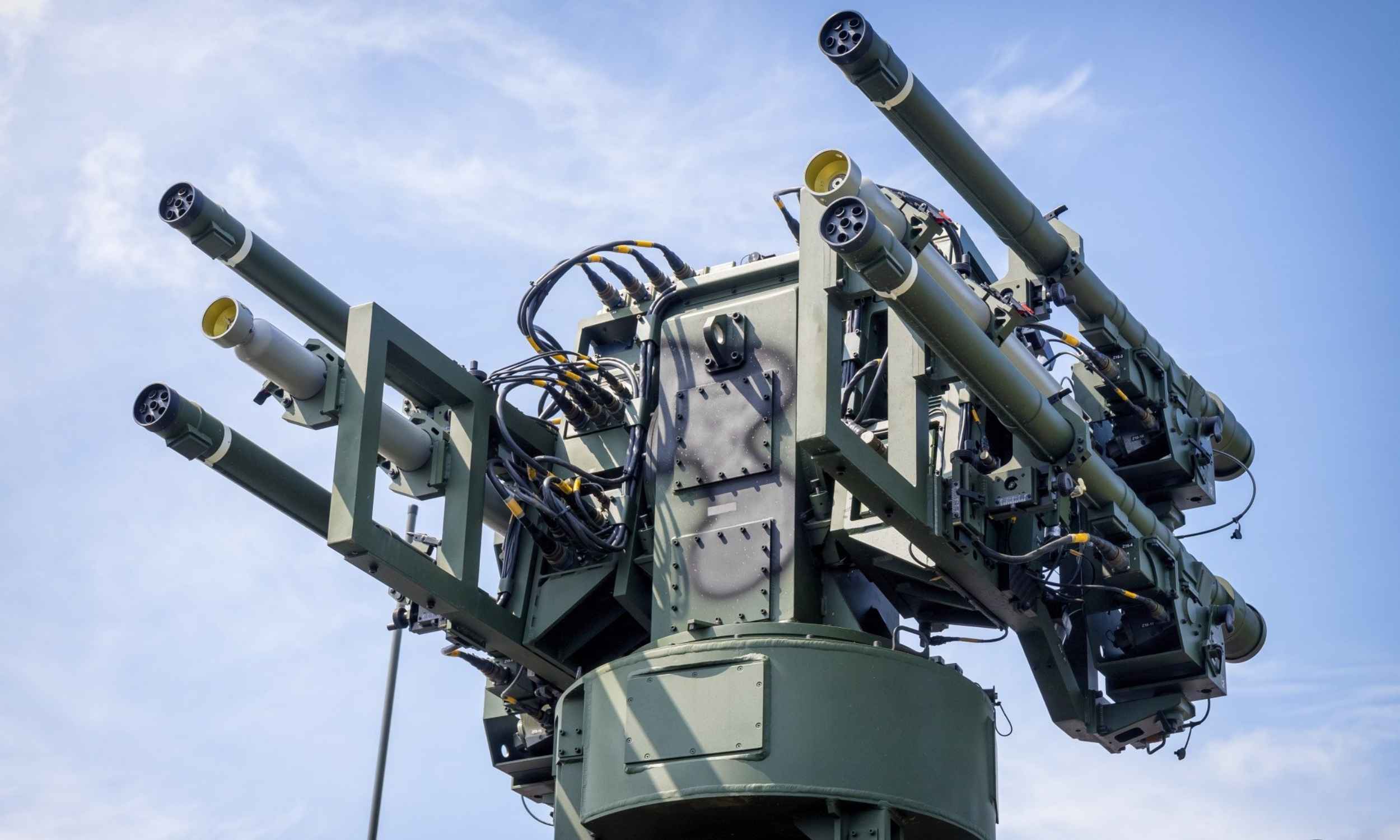
According to reporting based on interviews in Kyiv, the Dataroom will ingest millions of images and telemetry points gathered over four years of fighting. The models will then cue small, domestically-built interceptors, including a platform known as Octopus, which can carry electro optical, infrared or thermal sensors trained to recognize incoming Shahed type drones.
Officials say each Octopus costs only a few thousand dollars, has a range close to two hundred kilometers and can reliably hit targets that are far more expensive.
For Ukrainian engineers, that price gap is the point. Andrii Hrytseniuk, head of the Brave1 cluster, describes the goal as “trading pawns for rooks,” meaning cheap defensive drones taking out costly attackers again and again. “It is not about us winning, but about becoming unconquerable.
The war stops when the enemy realizes that its political goals cannot be achieved,” he told reporters.
Behind that strategy lies a remarkable industrial shift. When Russia widened its invasion, Ukraine had only a handful of small drone makers. Within a year there were about seventy and now officials count roughly five hundred manufacturers.
Together they already assemble millions of aerial drones each year, while hundreds of other firms build autonomous ground robots for the front line. By some estimates, nearly 90% of Ukrainian strikes now rely on drones instead of traditional artillery, which shows how deeply unmanned systems have reshaped the battlefield.
War, emissions and the hidden environmental bill
So where does the environment fit into all of this? Behind the headlines about new weapons there is another balance sheet, the carbon one. Independent researchers estimate that warfare has become the largest single source of Ukraine’s emissions since the full-scale invasion, with around 230 million tons of carbon dioxide equivalent released in the first three years.
Attacks on energy infrastructure alone accounted for nearly 8% of war-related emissions in one recent assessment.
Those numbers include smoke from burning fuel depots, rebuilding shattered power lines and running temporary generators every time another substation goes dark. Every drone that reaches a thermal power plant or transformer yard does not just plunge families into darkness. It also bakes more carbon into Ukraine’s future reconstruction bill.
AI-guided interceptors are not a climate solution on their own. They require metals, batteries and data centers that consume electricity. Some of that power still comes from fossil fuels.
But by shielding power stations, district heating plants and even solar farms from repeated strikes, more effective defenses can, to a large extent, prevent the most damaging spikes in pollution and emissions that come with every large-scale attack.
From survival to a greener rebuild
European analysts say Ukraine’s long-term recovery plan already ties together energy security and a greener, more efficient grid. Protecting what is left of today’s infrastructure could make that transition less wasteful tomorrow. Each power plant that stays online is one less facility that must be rebuilt from scratch, with all the cement, steel and fuel that implies.
For people in Kyiv wrapping windows in plastic, queueing at public charging points or checking the schedule for the next rolling blackout, talk of AI algorithms can feel far away.
Yet the way this technology is used in the coming months will help decide whether future winters are dominated by the rumble of diesel generators or by a quieter, more resilient network that leans on renewables.
In that sense, Ukraine’s plan to weave artificial intelligence into its air defenses is not only about military advantage. It is also about defending the basic systems that make low carbon, healthy lives possible, even in the middle of war.