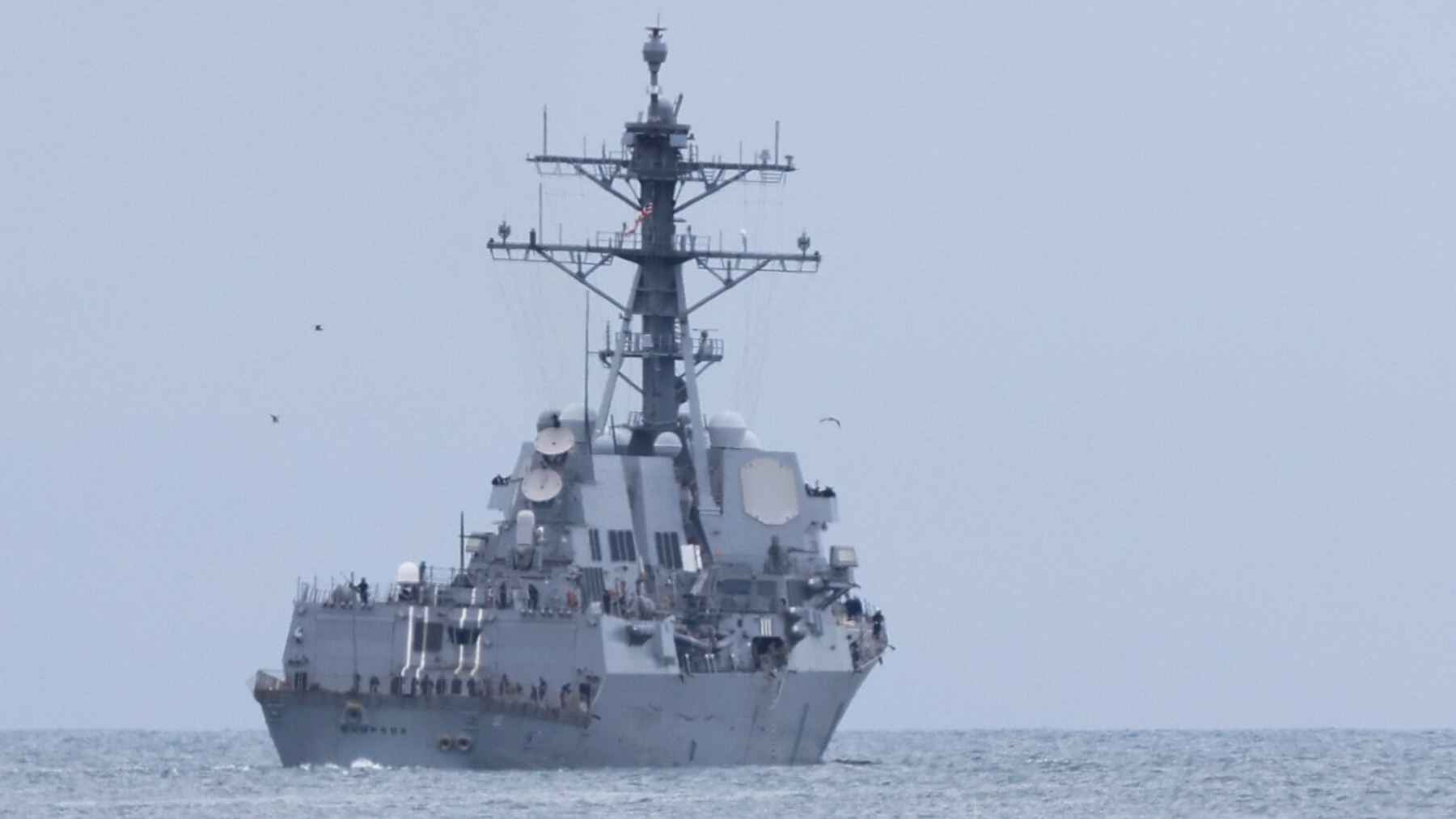
The U.S. Navy’s retirement list has grown from early reports of 13 ships to 14 vessels in the latest official fiscal 2026 schedule. The update covers submarines, cruisers, an amphibious landing ship, a littoral combat ship, oilers, cargo ships, and other support vessels, making this more than a simple fleet shuffle.
For the Navy, the move is about modernization and keeping the fleet ready for new threats. For the environment, though, the real story begins after the farewell ceremonies, when aging steel, old fuel systems, hazardous materials, reusable equipment, and even nuclear vessels have to be handled without turning a military decision into a waste problem.
The latest count is 14
The Department of the Navy’s budget materials first pointed to 13 ship decommissionings in fiscal 2026, with several vessels either at the end of their expected service lives or being retired early because they were costly to maintain. But the most recent Navy administrative message, NAVADMIN 099/26, says it supersedes earlier updates and lists 14 ships for inactivation.
That updated list includes the USS Newport News, USS Alexandria, USS Georgia, USS Shiloh, USS Lake Erie, USS Fort Worth, USS Germantown, USNS Red Cloud, USNS Watkins, USNS Pomeroy, USNS VADM K. R. Wheeler, USNS John Ericsson, USNS Pecos, andUSNS Big Horn.
Some names are familiar because they have served for decades, while others, such as USS Fort Worth, are leaving far earlier than many people might expect.
Where the ships go next
The Navy’s schedule does not send every ship down the same path. Three vessels are marked for recycling, one for dismantling, four as Logistics Support Assets, and six for transfer to the Maritime Administration, better known as MARAD.
That “Logistics Support Asset” label matters. The Navy says those ships can be used for cannibalization and equipment removal, which means parts can be pulled out to keep other ships going. It is a little like using an old car for spare parts, except this garage floats and the parts can weigh tons.
MARAD’s role is also important. The agency says its Ship Disposal Program is meant to remove obsolete vessels that pose environmental risks and provide disposal options such as dismantling, recycling, donation, artificial reefing, or use in Navy training, depending on the vessel and the environment involved.
The hidden cleanup job
Retiring a ship is not as simple as parking it forever or cutting it into clean pieces of steel. OSHA warns that ship scrapping presents safety, health, and environmental hazards because vessels can contain fuel residues, hydraulic fluids, lubricating oils, lead, cadmium, PCBs, asbestos, and other materials tied to construction, repairs, and cargo history.
That is where the environmental stakes come in. The EPA and MARAD have noted that obsolete military and commercial vessels can be reused, recycled, scrapped, sunk as artificial reefs, or disposed of on land or at sea, but cleanup must address materials such as oil, fuel, asbestos, PCBs, paint, loose debris, and other substances that could harm the marine environment.
So, is ship retirement good news for sustainability? It can be, but only if the end-of-life process is strict, transparent, and well funded. A badly handled hull can become a floating warehouse of old toxins.
Nuclear vessels need special care
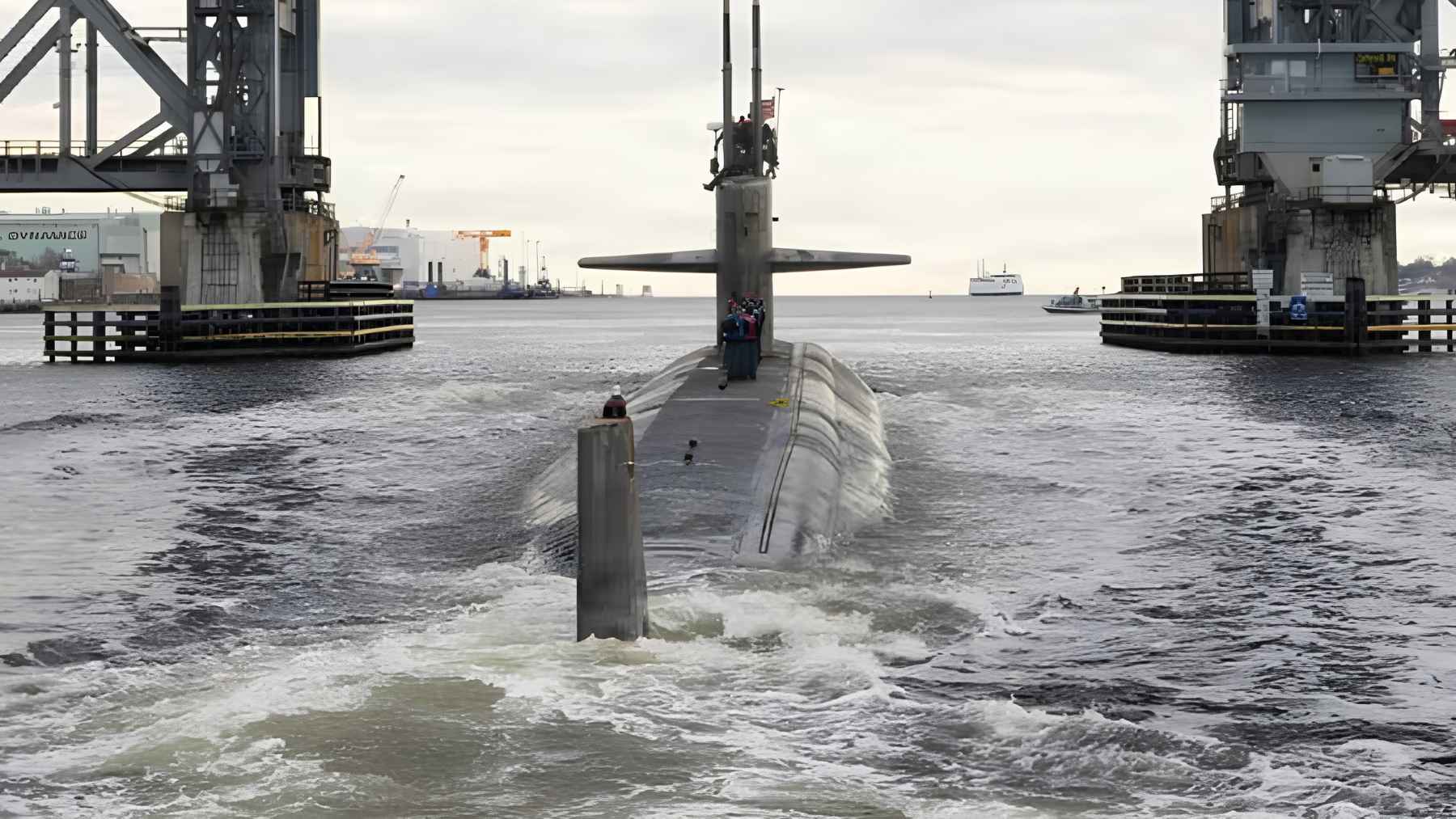
The official schedule marks USS Newport News, USS Alexandria, and USS Georgia for recycling. These are nuclear-powered vessels, so their disposal is in a different league from ordinary scrap work.
According to the U.S. Navy’s nuclear-powered ship disposal documentation, planning for submarine reactor compartment disposal began in the late 1970s, the first reactor compartment was sent from Puget Sound Naval Shipyard to the Hanford Site in 1986, and the Navy authorized a submarine recycling program at Puget Sound in 1990.
That program is built around controlled dismantling. Equipment with value can be refurbished for reuse, metals and other resale materials are separated and sold, and non-recyclable materials are disposed of as waste. In practical terms, that is circular economy logic inside one of the most tightly regulated corners of the industrial world.
Modernization is not automatically green
The Navy’s budget justification says five early ship retirements would reduce operational costs by $14.6 million in fiscal 2026 and produce operational savings of $51.1 million that same year. It also says those early retirement candidates had become expensive to maintain and of diminished military use.
Still, cheaper is not always cleaner. Newer ships require raw materials, shipyard energy, manufacturing work, fuel, crews, maintenance, and eventually their own disposal plans. Retiring an old vessel can lower one kind of burden while creating another if the cleanup is rushed.
Think of it like replacing an old refrigerator at home. The electric bill may improve, but the old appliance still has to be hauled away, drained, stripped, and recycled properly. Otherwise, the savings come with a mess attached.
What readers should watch
The inactivation dates stretch from January through September 2026. USS Newport News was listed for January 31, USNS Big Horn for March 31, several support ships for July, and USS Shiloh, USS Lake Erie, USS Germantown, and USNS Red Cloud for late September.
The key question now is not only which ship leaves the fleet, but what happens afterward. Will transferred vessels be recycled, stored, reused, stripped, reefed, or dismantled, and how much hazardous material will be removed before any final step?
That is the part coastal communities, shipyard workers, and environmental regulators will want to follow closely.
The official statement was published on MyNavyHR.