Brazil could become a much larger force in global oil if industry projections prove right. According to Abespetro, the country may raise its proven oil reserves from about 17 billion barrels to 23.5 billion barrels over the next decade, but only if it expands exploration, improves recovery in existing fields, and keeps annual investment above US$30.6 billion.
The headline number is big. The real story is harder. Much of Brazil’s next oil chapter points toward the Equatorial Margin, a deepwater frontier stretching near the country’s northern coast, where economic hopes now sit beside questions about biodiversity, licensing, climate goals, and the future of fossil fuels.
Brazil’s bigger oil map
The latest figures from Brazil’s National Agency of Petroleum, Natural Gas and Biofuels show 17.488 billion barrels of proven oil reserves in 2025. The same report lists 24.265 billion barrels when proven and probable reserves are counted, and 28.877 billion barrels when possible reserves are included too.
That is not just a spreadsheet detail. ANP says proven reserves rose 3.84 percent from 2024, while Brazil produced about 1.376 billion barrels of oil in 2025, leaving a reserve-to-production ratio of 12.71 years under that annual pace.
Why the Equatorial Margin matters
The Equatorial Margin has become the star of Brazil’s new oil debate. Petrobras describes it as a frontier in deep and ultra-deep waters located near the states from Amapá to Rio Grande do Norte, with five main basins including Foz do Amazonas, Pará-Maranhão, Barreirinhas, Ceará, and Potiguar.
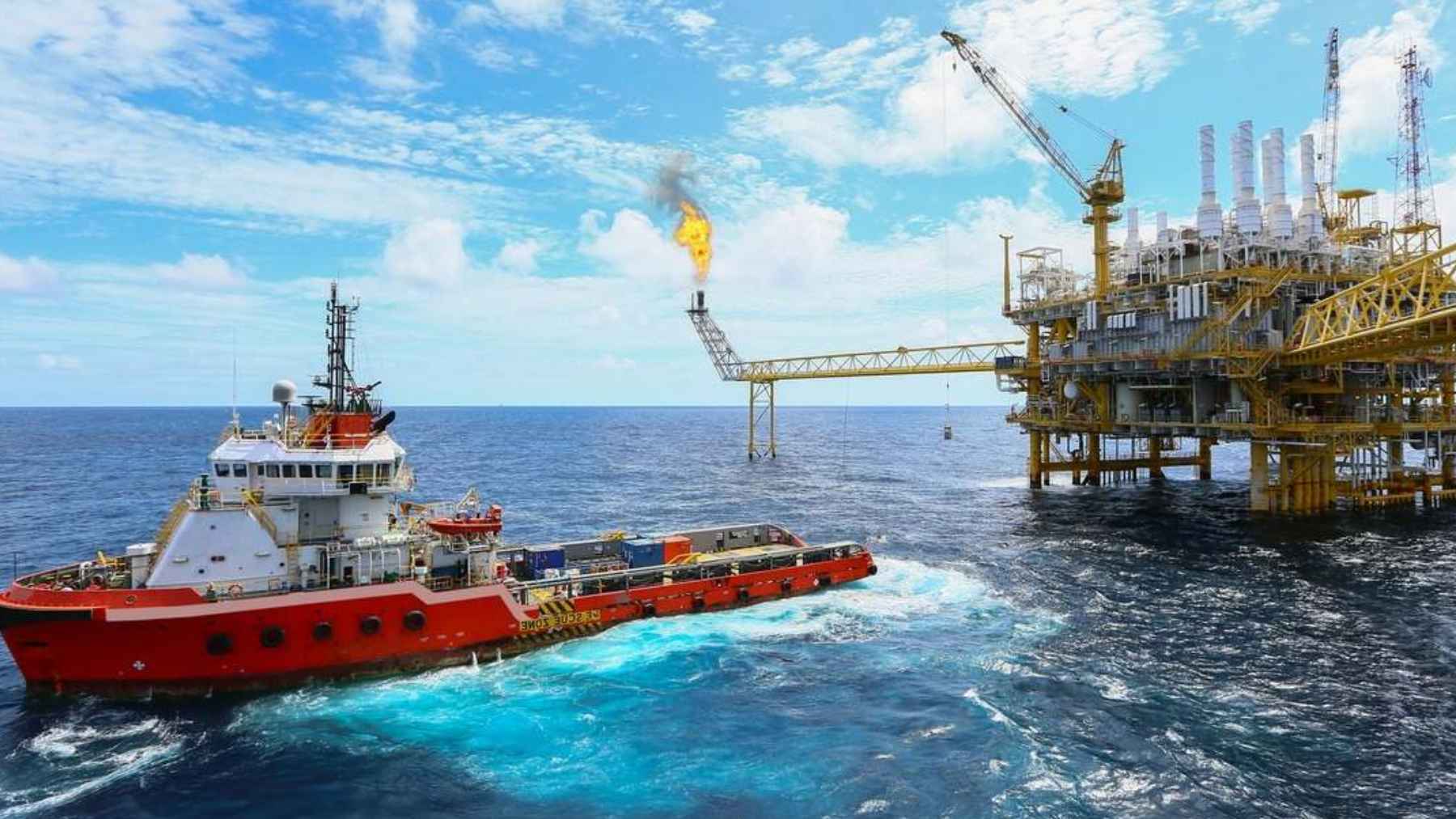
Petrobras says its 2026 to 2030 business plan includes US$2.5 billion for the region and 15 new wells over five years. In practical terms, that means seismic data, drilling rigs, helicopters, ships, and a very long wait before any possible production reaches the market.
The environmental question
One key license has already shifted the debate. In October 2025, Ibama granted Petrobras an operating license to drill one exploratory well in block FZA-M-059, about 310 miles from the Amazon River mouth and about 109 miles off the coast of Amapá, with drilling expected to last around five months and no oil production in that phase.
Ibama said the license followed an Environmental Impact Study, three public hearings, 65 technical meetings in more than 20 municipalities, inspections of emergency structures, and a pre-operational assessment involving more than 400 people. Still, the question remains. How much risk is acceptable in a region scientists are still trying to fully understand?
A reef system in the background
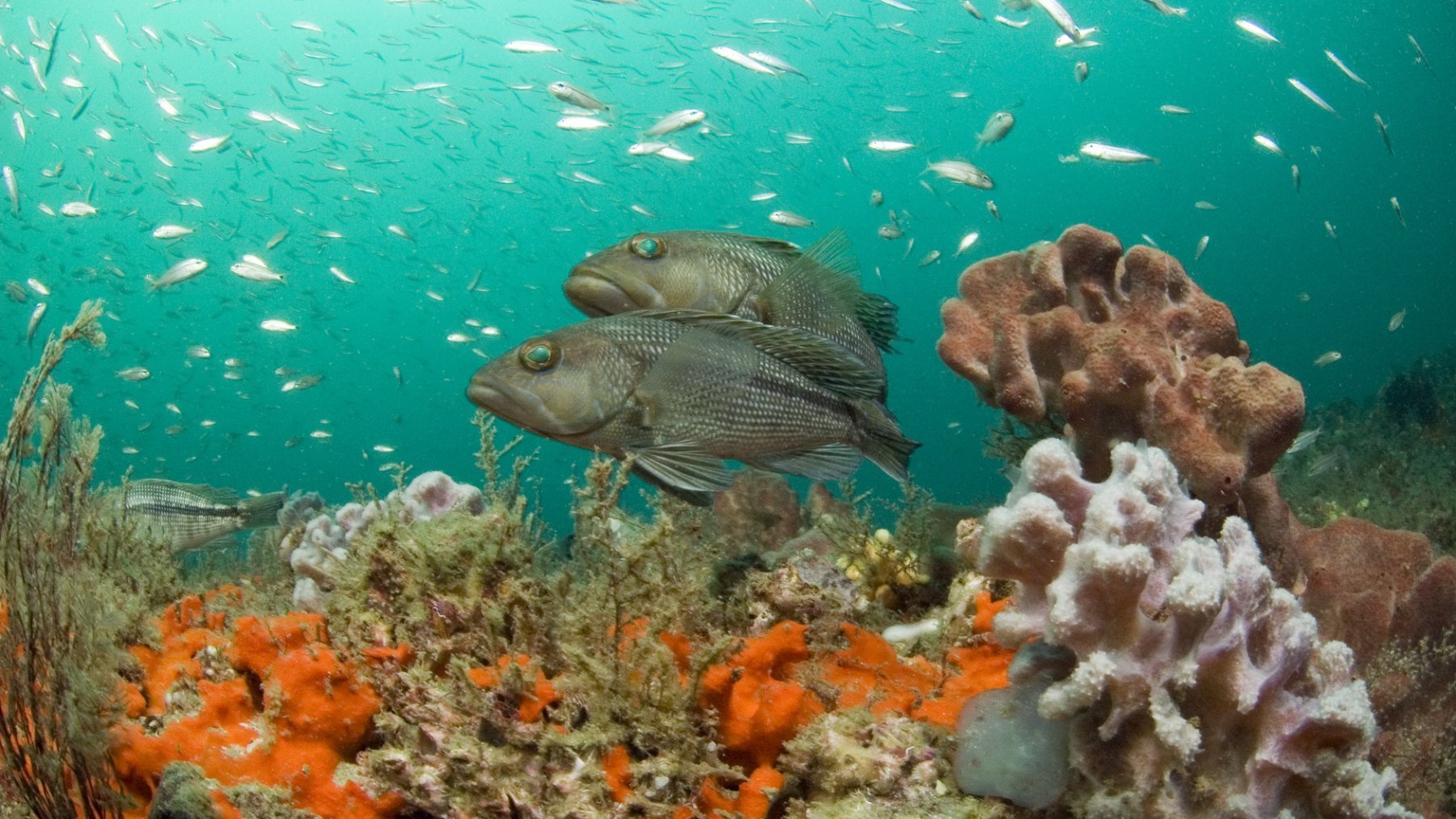
The concern is not abstract. Scientific work on the Great Amazon Reef System describes an extensive reef ecosystem of roughly 3,670 square miles on the Amazon shelf, with sensitive marine habitats and overlap with oil blocks.
Another study in Scientific Reports found that the reef is “alive and growing,” with living organisms across the system, while also warning that more research is needed to reconcile economic activity with biodiversity conservation. That is the tricky part. Oil projects move on business timelines, but ecosystems do not always reveal their secrets that quickly.
Exploration has been slow
Abespetro argues that Brazil has lost time. The group says the country did not drill any wells in new frontier areas from 2018 to 2024, while Norway drilled 32, Guyana and Suriname together drilled 62, and southern and western Africa recorded 28 such efforts.
Telmo Ghiorzi, Abespetro’s executive president, has warned that the gap between drilling and production can be at least 10 years. By the group’s estimate, today’s proven reserves could sustain production until around 2035 at 5 million barrels per day, while converting additional estimated reserves could extend that horizon to 2042.
Petrobras and private operators
Another pressure point is who controls offshore production. Ghiorzi said Petrobras held 90.7 percent participation among offshore field operators in Brazil in 2025, and argued that the country needs more private companies, especially in mature fields where smaller operators may focus on squeezing more oil from older reservoirs.
That sounds technical, but it matters for investment. At the end of the day, what Abespetro is asking for is a broader market, faster licensing, and rules that private companies see as predictable enough to risk billions of dollars offshore.
Jobs, prices, and volatility
The social argument is also powerful. Abespetro says Brazil’s oil and gas sector ended 2025 with about 700,000 direct and indirect jobs, returning to a level last seen around 2010, after years of damage from lower oil prices and the Lava Jato corruption fallout.
At the same time, the oil market is giving everyone a reminder of how unstable this business can be. The U.S. Energy Information Administration said Brent crude averaged US$117 per barrel in April 2026 after the de facto closure of the Strait of Hormuz tightened supplies, and forecast prices around US$106 per barrel in May and June. That kind of swing eventually shows up far from the trading desk, including at the pump.
Brazil’s fork in the road
Brazil’s oil opportunity is real, but so is the tension around it. More reserves could mean jobs, tax revenue, industrial activity, and a stronger position in global energy markets. It could also lock the country deeper into fossil fuel expansion just as the world is trying to cut emissions.
That is why the Equatorial Margin is more than an oil frontier. It is a test of whether Brazil can balance energy security, environmental protection, and the long transition away from carbon-heavy fuels without pretending any of those choices are easy.
The official report was published on ABESPetro.