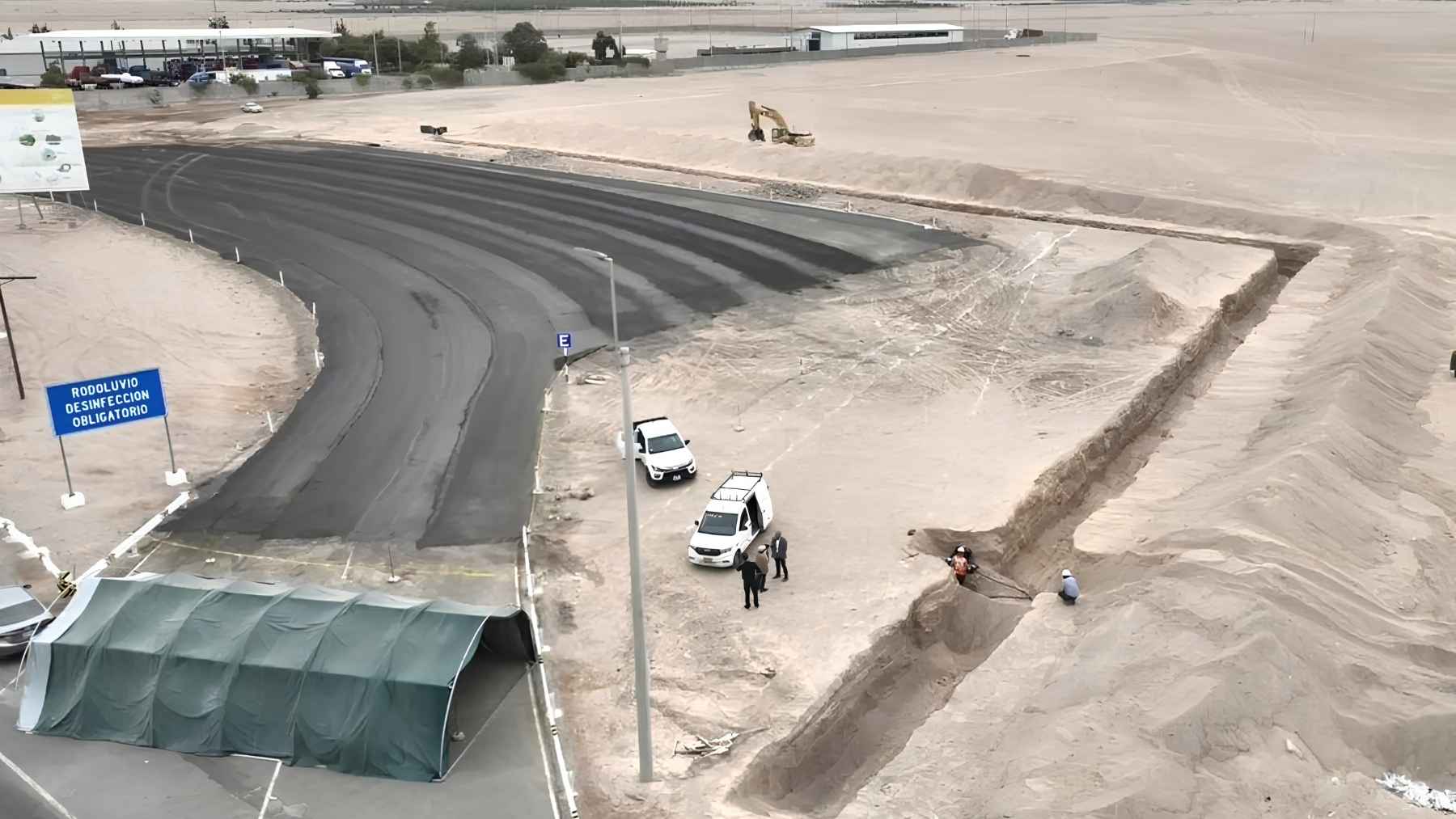
At first glance, the heavy machinery near the Peru-Chile border looked like one more sign that South America’s border politics were hardening. Peru had started excavating near the Santa Rosa control complex in Tacna, close to the Line of Concordia, just as Chile was moving ahead with its own “Border Shield” plan against irregular migration.
However, Peruvian officials say the purpose is very different. The trench is part of a freight-traffic project meant to separate heavy trucks from buses, private cars, and tourists at a busy crossing, not a barrier designed to stop people from crossing the border.
The project is less about building a wall and more about avoiding bottlenecks, idling engines, and the kind of checkpoint confusion that travelers know too well.
A trench built for trucks
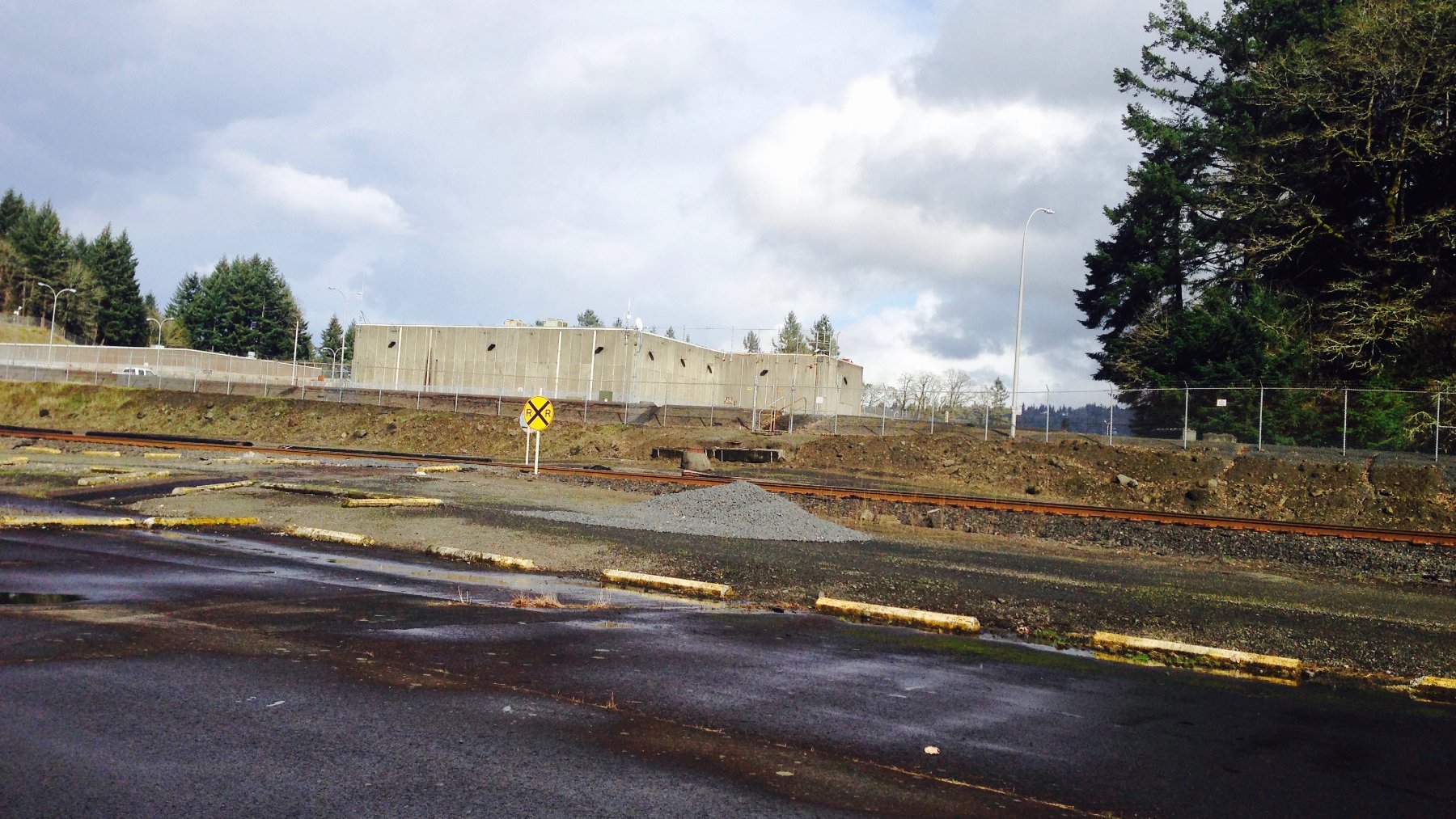
The Peruvian work was reported about 197 feet from the Line of Concordia, the sensitive boundary area between both countries. According to officials in Tacna, the project is tied to maintaining and expanding a platform for heavy cargo vehicles at the Santa Rosa border complex.
Eduardo Sánchez, the regional infrastructure manager in Tacna, described the works as complementary to a longer-running plan “to optimize the flow of trucks” in the Santa Rosa control zone. The goal is to let freight vehicles line up and pass a preliminary control without blocking passenger lanes.
Anyone who has sat behind freight traffic at a checkpoint knows the problem. One slow lane can turn a short crossing into a long afternoon, with noise, exhaust fumes, and a lot of people wondering why the line is not moving.
What Peru is changing
The visible part of the project includes an L-shaped trench of about 656 feet. It is about 6.6 feet wide and 6.6 feet deep, paired with a natural dirt mound of roughly the same height.
The works also include lighting and signage, which officials say are needed to keep the area safe and usable. The investment was reported at 875,484.78 soles, or roughly $256,000 using a current exchange rate of about 0.292 dollars per sol.
There is still a control function here, but it is aimed at vehicles and customs. Authorities said the trench and mound are meant to keep smaller vehicles from bypassing customs checks and entering the truck platform improperly. That is not the same as a migrant wall, and that distinction is the whole story.
Why Chile’s trench is different
Across the border, Chile’s project has been framed openly as a security and migration measure. Reuters reported that Chile’s government began deploying heavy machinery in March 2026 to dig trenches along its northern border with Peru as part of President José Antonio Kast’s pledge to crack down on illegal migration and reinforce the military presence at the frontier.
That plan, called “Plan Escudo Fronterizo” in Spanish and often translated as “Border Shield,” has included trenches, military deployment, and more surveillance. Chilean reporting described an initial target of about 18.6 miles of trench in the first 90 days and a broader ambition that could reach around 311 miles across the northern border zones.
That is why the confusion spread so quickly. From a distance, a trench is a trench. Up close, one project is a freight platform designed to organize cargo movement, while the other is part of a national border-security strategy.
The environmental angle
What does a trench have to do with the environment? More than it may seem, although the details matter.
Border infrastructure changes where vehicles move, where lights are installed, and where engines idle. In a dry border landscape, even practical transport works can reshape the way people, trucks, and services concentrate in one place.
The honest takeaway is not that Peru’s project is an ecological disaster, because the available information does not show that. It is that infrastructure needs to be explained clearly before images go viral.
Traffic management also has a local environmental side. If the new truck platform works as intended, it could reduce the stop-and-go chaos around passenger lanes. But that depends on how the system is operated, maintained, and coordinated with customs and migration services.
The real test is coordination
Peru and Chile are not only digging. They are also talking.
On March 26, 2026, Peru’s Foreign Ministry said officials from both countries held the third meeting of the Peru-Chile Binational Committee for Migration Cooperation. The statement said the delegations exchanged information on migration dynamics, noted a reduction in irregular migration, and agreed to reinforce operational coordination between Peru’s National Police and their Chilean counterparts.
The same statement said both sides discussed simultaneous patrols, permanent information exchange, migration-verification methods, and the modernization of the Santa Rosa-Chacalluta border complexes. For people who cross legally for work, tourism, or trade, that may matter more than any headline about walls or trenches.
At the end of the day, the Peruvian trench is a reminder that border projects can look alike while serving very different purposes. One is about freight traffic. The other is about migration enforcement. The public deserves that difference in plain language.
The official statement was published on Gob.pe.