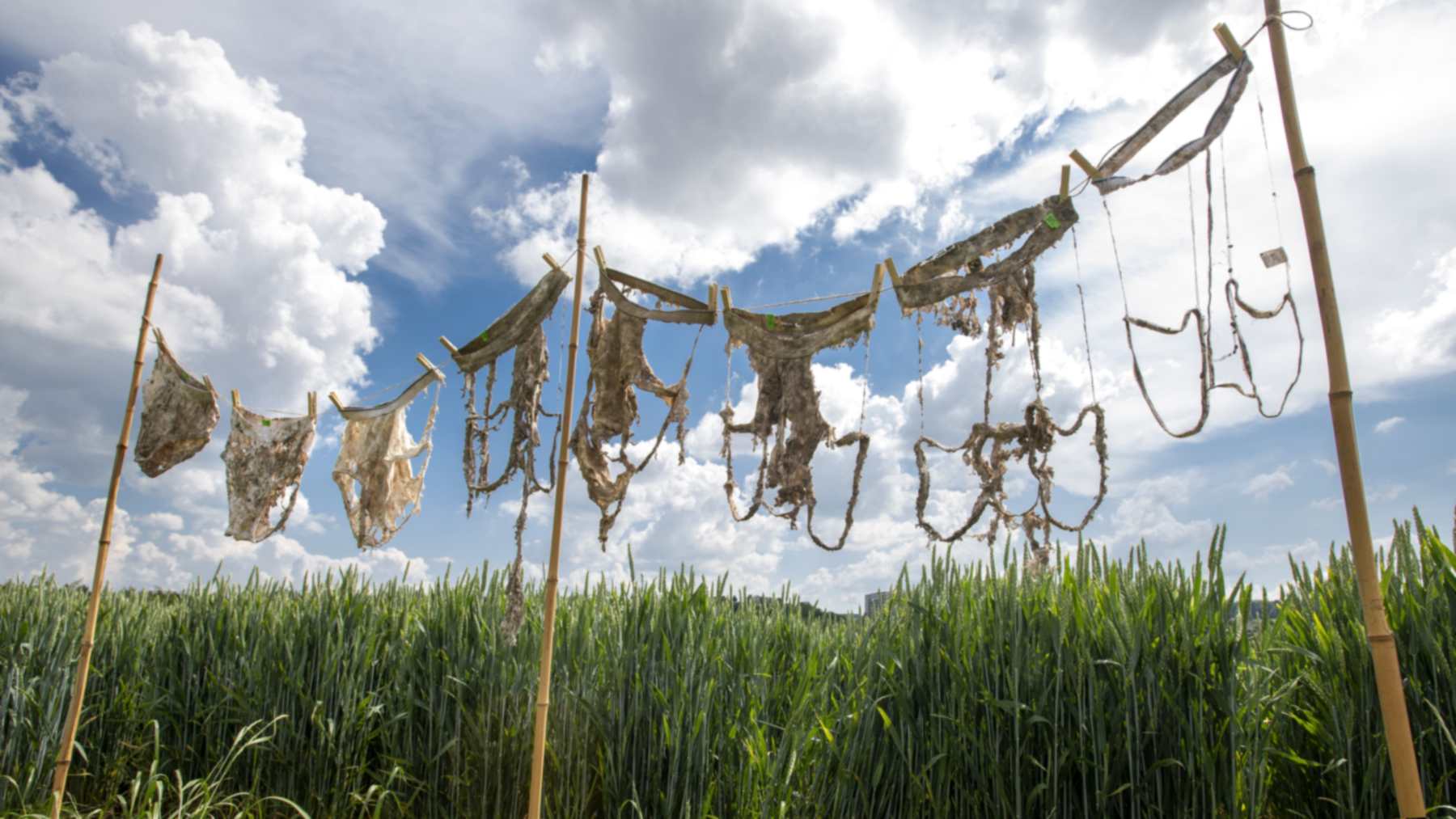
The real surprise was how things did not go as expected. Bradford trees did not suddenly learn to pollinate alone and by themselves. So what happened was that the cities started to plant Callery pear extremely close to one another. Here is when the bees started doing their job.
A street-tree success story
As scientists wanted to find fire blight resistance to improve the edible pears and to be used as rootstocks, in the 1900s Callery pear arrived from Asia in the early 1900s. Later in 1961, the USDA—the Department of Agriculture in the U.S.— selected specifically the Bradford cultivar, which actually did not have spines and had a beautiful oval-shaped canopy, and it was then launched to the market as an amazing urban tree that in spring covered the landscape with its white flowers, and that was resistant to difficult urban sites too.
How “sterile” trees made seeds
The problem started when the nurseries started to include other cultivars such as Aristocrat and Cleveland Select. With a little help from the bees, these new plants crossed their genes with the nearby Bradfords. You might not know, but it was thought that as Bradford pears were self-incompatible, they would not fertilize each other.
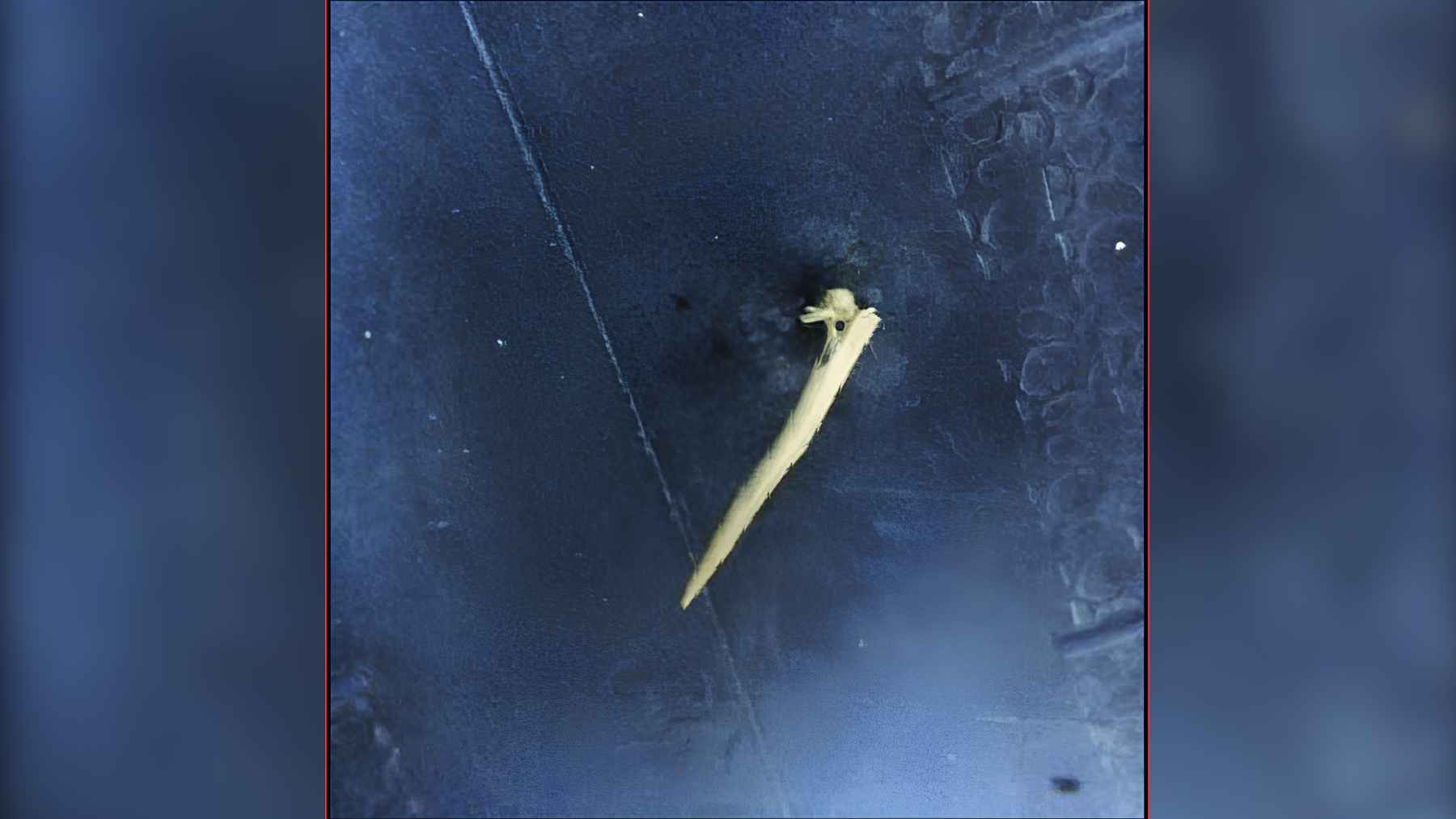
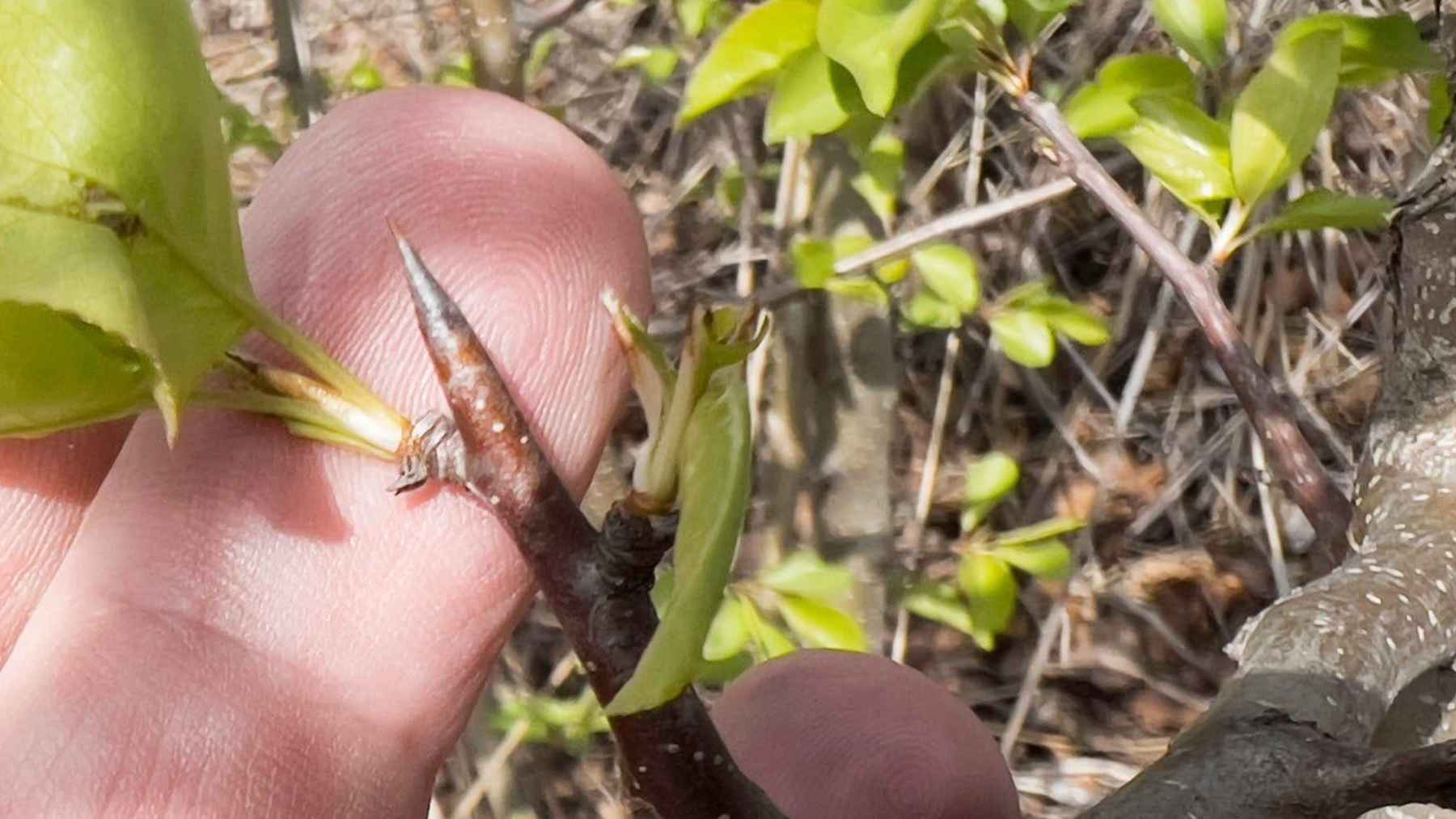
A very small thing, such as a woody thorn from a wild Callery pear (Pyrus calleryana) can destroy your day. And why is this? Clemson researchers could documented one that stayed stuck through a tractor tire. This tree is the same wild version of the same species that actually originated the cultivation of the Bradford pear. Historically it was sold as an ideal urban tree: tidy, fast growing and considered to be one of the best street trees.
It was there that small fruits started to appear. The seeds started to fall near the roads, fences, open fields and forest edges, where the new plants grew, developing hard spines and forming thickets that ended up taking space from native plants.
The tractor-tire warning
For you to have an idea, some wild spines of these pears can measure around four inches. A study led by Clemson University included a picture of a spine that could punctured the wheel of a tractor and it was then that researchers started to try different methods to reduce these damages during land clearing.
Researchers found the possibility of using controlled fire since it “can weaken Callery pear thorns and dull their tips,” although fire is only one part of control. And that’s not all… Bradford tree branches have very weak unions that can break easily with wind, snow and ice.
States close the nursery door
Facing the severity of the problem, many states decided to nip it in the bud. Ohio prohibited its legal sale after a five-year transition that ended in January 2023. It was the same when South Carolina’s sales ban began on October 1, 2024, while Pennsylvania now classifies the Callery pear as a Class B noxious weed.
The study was published in HortTechnology.
In the case of Ohio, the law does not force people to cut down the trees that they already have in their gardens, but it prohibits the commercialization and reproduction of new ones. In practice, the main goal is to stop the arrival of new trees. Like this, wild populations would stop being fed. Otherwise, it takes a lot of time and money to control.
Better spring color without the invasion
But this is not the only possible tree; fortunately there are many other native alternatives, such as Native serviceberry, eastern redbud, flowering dogwood and white fringetree, that provide beautiful spring flowers. All these plants have leaves, fruits and shelter that perfectly fits the local wildlife.