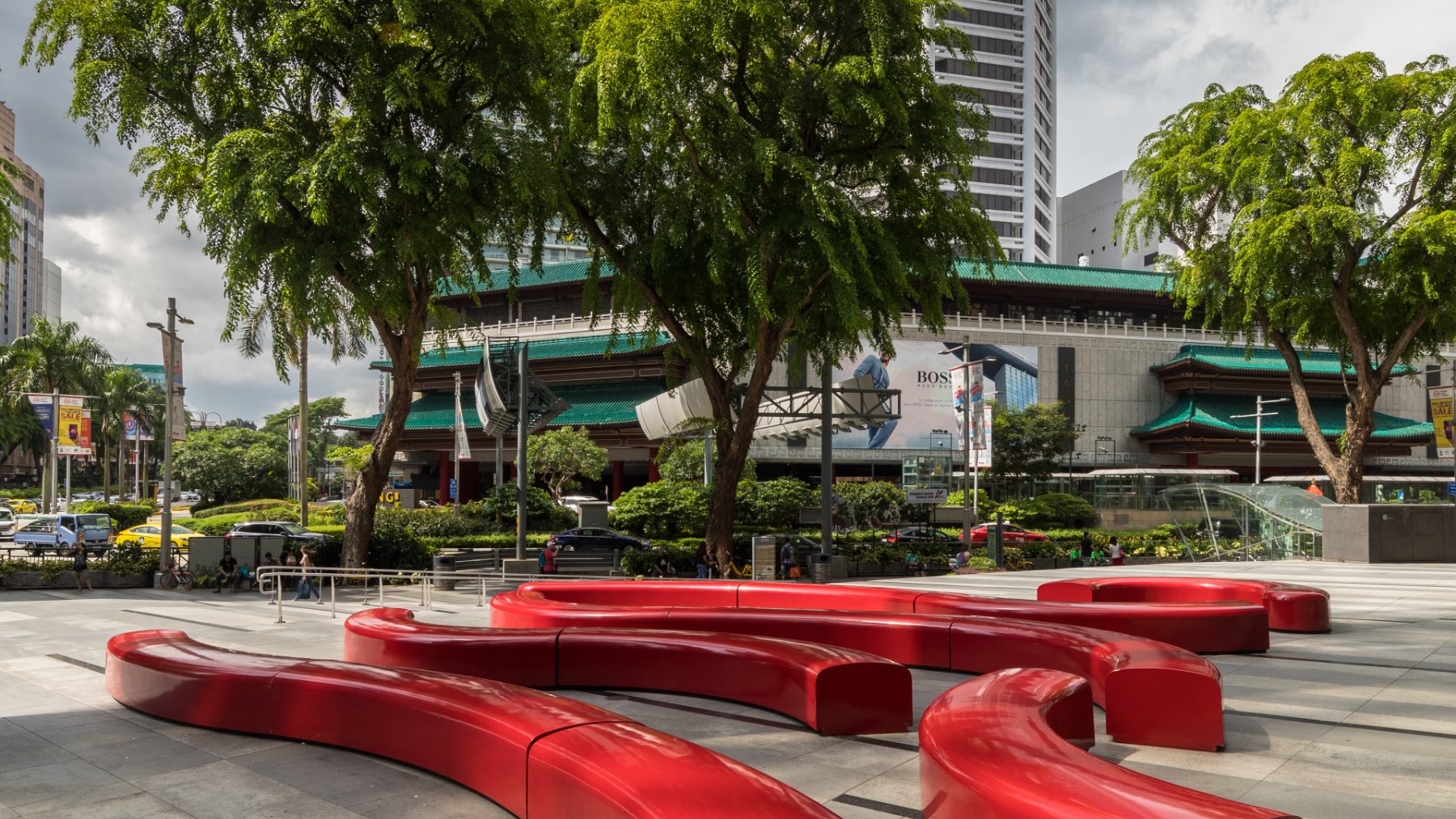
Singapore’s effort to plant a million more trees could deliver more than greener scenery. Research points to a practical benefit for a hot, humid city, with well-placed shade easing outdoor heat stress and potentially reducing the energy buildings need for air conditioning.
But the frequently cited figure of up to 2.6°C (4.7°F) of street cooling needs context. It comes from research in Germany, not measurements on Singapore’s sidewalks, and local findings suggest the relief people experience under shade can be much larger than the change in air temperature.
Where the 2.6°C figure comes from
The number appears in Strategies for Cooling Singapore, a research guide containing 86 measures to tackle urban heat and improve outdoor comfort. Its section on vegetation around buildings cites an air-temperature reduction of between 0.9°C and 2.6°C along tree-shaded streets.
That range draws on work by Sten Gillner and colleagues in Dresden, Germany, involving six tree species. Trees with dense foliage and higher transpiration rates, meaning more water released through their leaves, cooled the surrounding air more effectively.
Those findings help explain how trees work, but they do not establish a guaranteed cooling target for a tropical city. The important question is what happens where people actually walk, wait, and work outdoors.
What Singapore’s street measurements found
Research led by Lei Xu and Ronita Bardhan compared 20 pairs of sunlit and shaded locations during one extremely hot afternoon in Singapore. Shade came from both greenery and built structures, and every type tested improved outdoor thermal conditions.
Average air temperature fell by 0.8°C, but the decrease reached 3.1°C using UTCI, a heat-stress index that also accounts for radiation, humidity, and wind. These are different measurements, not competing answers, and the larger number does not mean the surrounding air cooled by that amount.
Sites with substantial greenery or artificial shade showed cooling potential of around 3°C to 5°C on that index. “New town planning should consider that shading is not just greenery,” Bardhan said in a Cambridge CARES statement. For someone waiting at a bus stop, a shelter can therefore matter alongside the nearest tree.
How tree shade could affect the electric bill
A separate study led by Naika Meili modeled trees and building energy use across seven warm-city climates, including Singapore. Direct shading of buildings was the main driver of lower air-conditioning demand, rather than simply cooler outdoor air.
Under the modeled conditions, average summer cooling-energy savings ranged from 6% to 9% in humid cities, compared with 17% in hot, dry Riyadh and Phoenix. The simulations assumed well-watered trees and did not measure actual household bills. Those percentages apply to cooling energy, not total electricity use.
Humidity complicates the picture because trees release moisture, which air conditioners must remove from incoming air. In humid climates, the most efficient gains generally occurred up to about 40% tree cover, with smaller additional benefits beyond that. The model also found greater energy reductions during peak-demand hours.
More trees still need the right placement
Can too much shade create another problem? A review of 182 studies published in Communications Earth & Environment found that cooling depends on climate, urban layout, and tree characteristics, with broad crowns potentially trapping outgoing heat at night.
Dense planting can also obstruct airflow, so adding foliage without protecting breezes may undermine some of the daytime benefit. The practical lesson is not to plant fewer trees everywhere, but to fit the canopy to the street rather than treating every open space the same.
A million trees are not an instant canopy
Singapore’s OneMillionTrees movement began in 2020 with the goal of planting a million additional trees by 2030. In an April 2023 announcement, the National Parks Board said it expected to reach that planting target by the end of 2027, three years early.
But a planting count is not a measurement of usable shade, and a young tree does not immediately replace a mature canopy. That makes a mixed approach practical, combining trees with awnings, covered walkways, and other structures rather than making people wait for branches to spread.
Taken together, the research suggests that cooling plans should track shaded walking routes and building exposure, not just tree numbers or a single temperature target.
The modeling study was published in the Journal of Advances in Modeling Earth Systems on March 5, 2025.