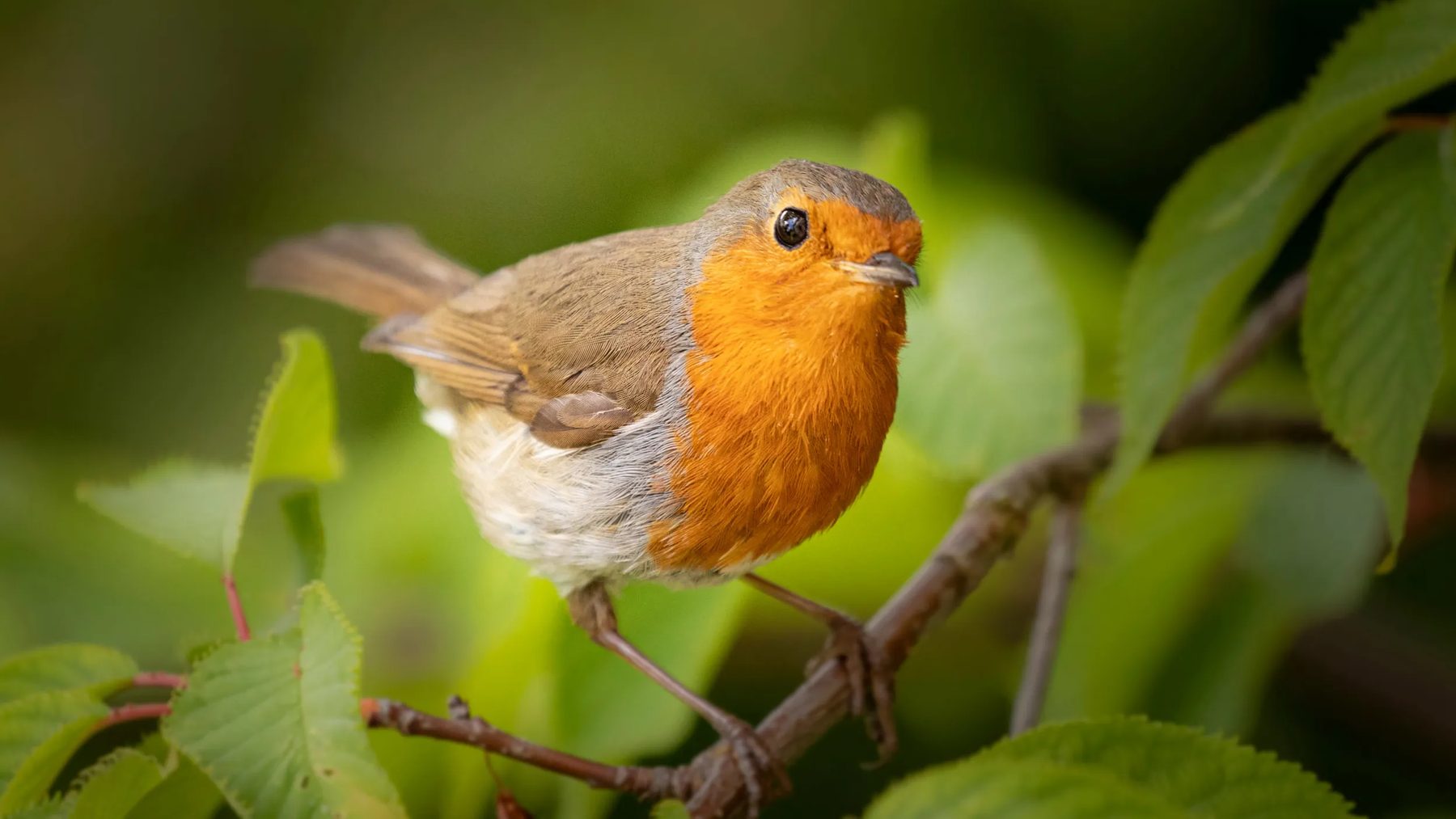
Britain’s familiar Christmas robin could be a less frequent garden visitor this winter after extreme summer heat and drought made feeding more difficult, wildlife experts warn. The concern centers on whether European robins found enough worms and other small animals to raise their chicks during the 2026 breeding season.
“I think robins could be harder to spot this winter,” wildlife expert Lucy Taylor said in reporting published September 20. That remains a prediction, but it highlights how summer conditions can affect birds months later.
A record summer left more than dry lawns
The Met Office provisionally recorded a UK summer average temperature of 61.7°F (16.5°C), the highest in its series dating to 1884. Rainfall reached just 77% of the 1991–2020 average across the UK, falling to 64% in England and 59% in Wales.
The comparison with the famously hot summer of 1976 needs some care. Summer 2026 surpassed its record for average daytime maximum temperatures, while 1976 now ranks seventh for overall summer mean temperature, a measure that includes nights as well as days.
When food slips out of reach
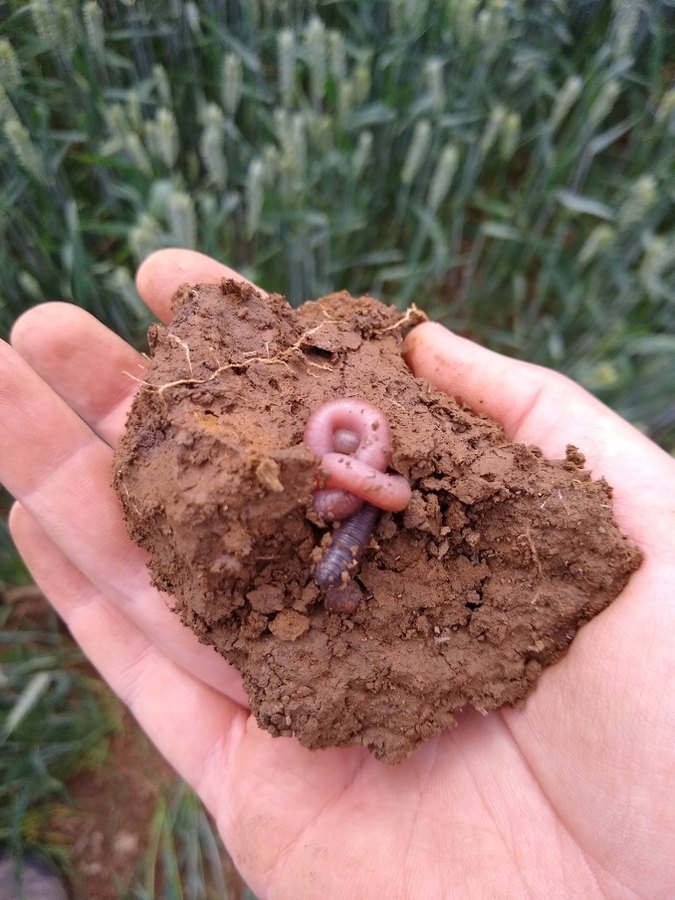
What happens beneath a dried-out lawn? Earthworms need moisture, and many move deeper into cooler, damper soil during drought, according to Jenny Bussell, head of agri-environmental science at the Game and Wildlife Conservation Trust’s Allerton Project. Some become dormant, curling into a ball with a protective mucus coating.
For a robin searching near the surface, that means a meal can still be underground but much harder to reach. Hard soil adds another obstacle, while prolonged drought can threaten the worms themselves. The problem is both access to food and, under severe conditions, the survival of that food supply.
Why a difficult summer can matter at Christmas
Jon Carter of the British Trust for Ornithology (BTO) told The Mail on Sunday that dry, compacted ground may have prevented robins and blackbirds from finding enough food for their chicks. He also pointed to scarce water as another possible pressure during the breeding season.
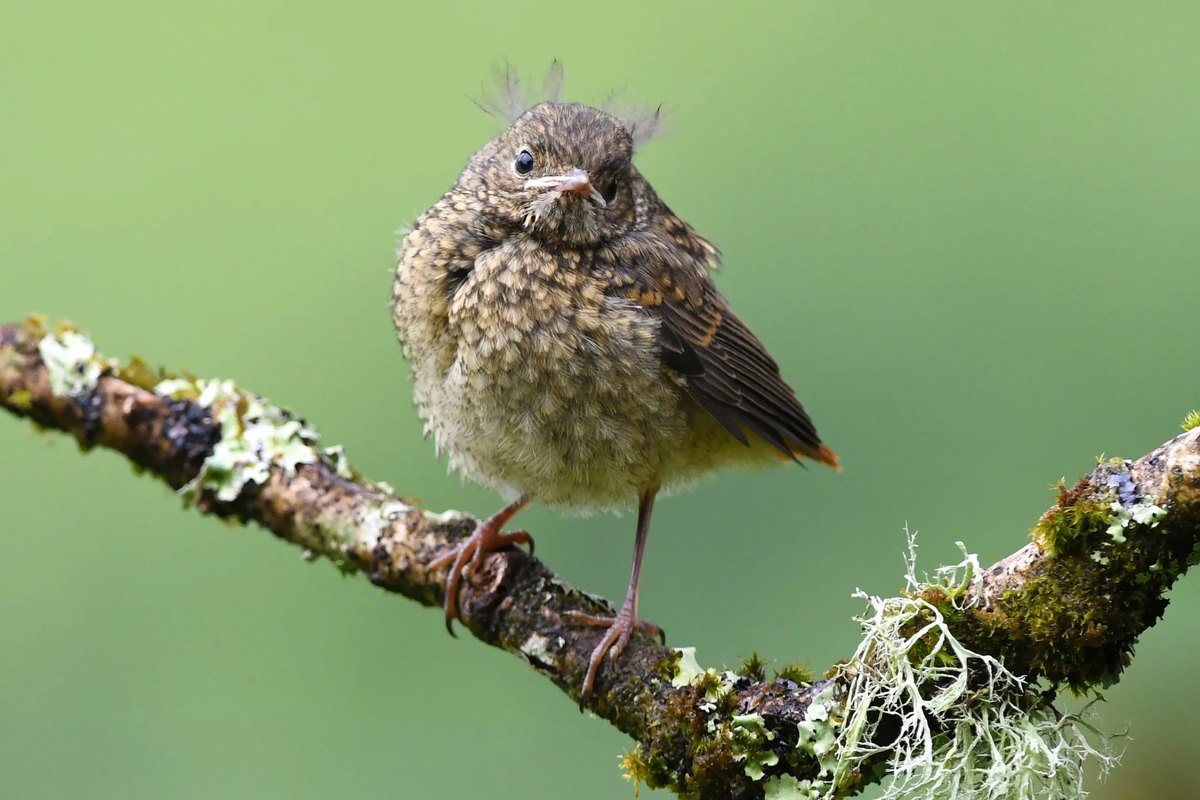
Robins can raise multiple broods, so conditions across spring and summer matter. Taylor suggested that difficult weather could reduce chick survival or discourage a final nesting attempt, while the RSPB warned that damaged vegetation can also reduce the invertebrates young birds depend on. Fewer surviving youngsters would mean fewer birds entering autumn.
Fewer sightings need careful interpretation
There is good reason to avoid treating the forecast as a confirmed population crash. In its monitoring at Constant Effort Sites, BTO recorded robin breeding productivity in 2025 at 31% above the 2020–2024 average. That measure uses the ratio of young birds to adults caught during standardized monitoring.
Those results describe a different year and do not settle what happened in 2026, but they show why weather alone cannot substitute for bird surveys. Winter numbers also include arrivals from northern and eastern Europe, according to BTO. Robins remain on the UK’s Green conservation list, so a warning about difficult conditions should not be confused with a new threatened-species designation.
Small changes can help in your yard
Start with reliable water, especially when natural sources dry up or freeze. The RSPB recommends changing birdbath water daily and cleaning the bath thoroughly every week to help reduce disease transmission. A bath needs regular attention, just like the pet’s water bowl indoors.
Food can help too, provided it is offered carefully. The RSPB’s June 2026 guidance recommends small amounts of mealworms and advises pausing seeds and peanuts from May 1 through October 31 to reduce disease spread among garden birds. Uneaten mealworms should be cleared away before dusk.
There is also a useful excuse to do a little less fall cleanup. Leave some fallen leaves beneath shrubs and keep sheltered piles of sticks or logs, as the RSPB recommends, to support the small creatures birds eat. Those quiet corners provide feeding opportunities beyond whatever is put in a feeder.
The pressure reaches beyond one holiday season
The Met Office estimates that human-caused climate change made a summer as warm as 2026 around 130 times more likely. That finding concerns the weather event, not a calculated decline in robins, but it helps explain why the conditions behind this warning deserve attention beyond Christmas.
For anyone hoping to see that familiar red breast outside the kitchen window, protecting food, water, and shelter is a practical place to begin. The official statement on the summer’s climate, dated September 1 and updated September 17, 2026, was published on the Met Office website.
Photo: RSPB