The White House released its latest update on America’s decarbonization strategy, and many people and companies have passed it by as “it’s all been said and done“. Now, however, we have just learned of a project that is going to be the talk of the planet: this is the new type of energy we are going to create in 2027, with a capacity of 160,000 barrels per day and zero emissions… to feed a plant that is already polluting.
New energy to be produced in America: no more photovoltaic or wind sources
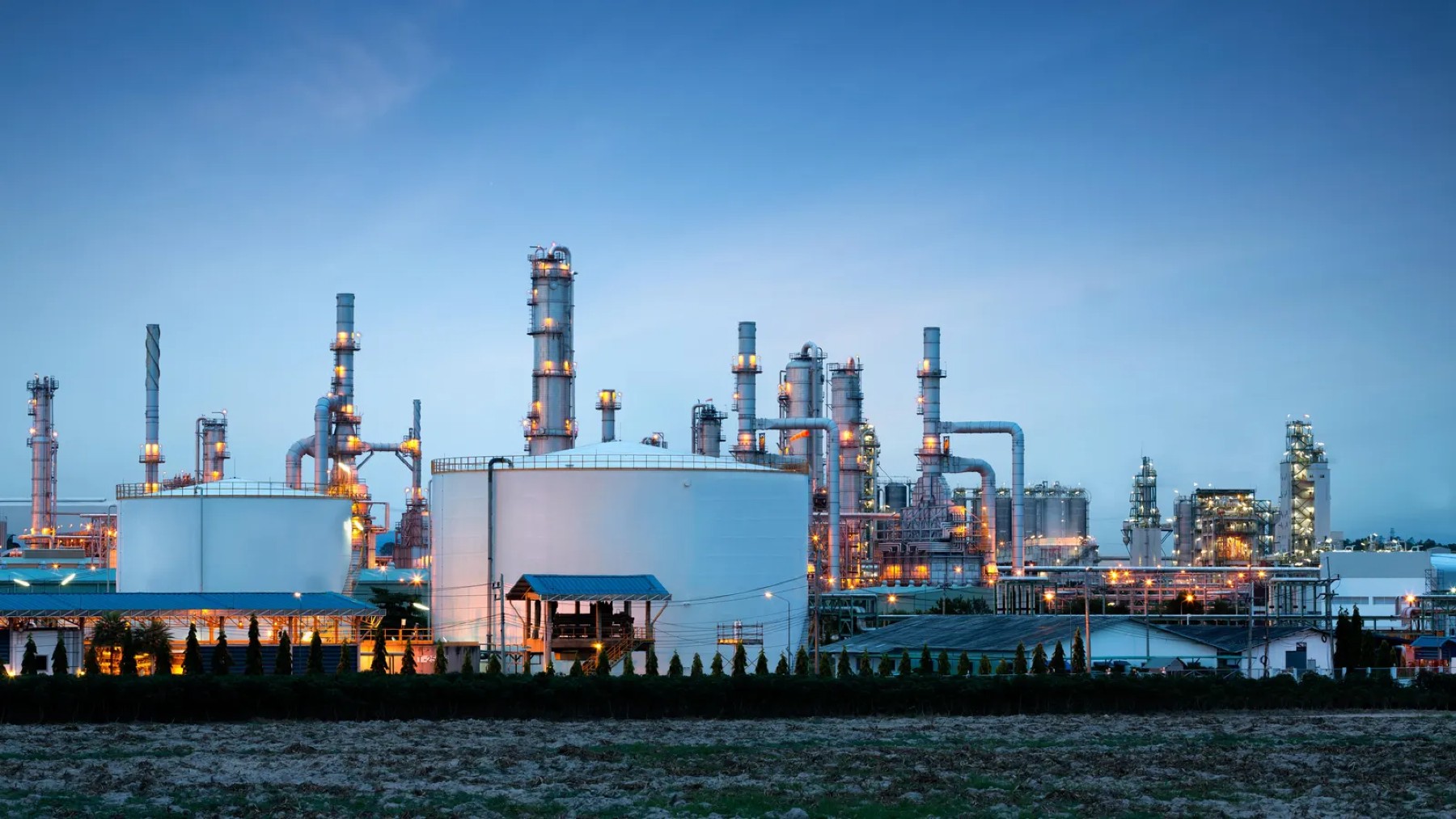
Elemental Fuels is a US energy solutions company located in Texas, which is planning to change the face of the US refining market by developing a new hydrogen-based greenfield plant in the Port of Brownsville, Texas. This grand plan, likely to come into production by 2027, is a positive transformation from fossil-based to clean sustainable sources of energy.
With a production capacity of over 160,000 barrels, or approximately 6 MBPD, Elemental Fuels refinery will transform the current refinery industry by encompassing efficiency and sustainability. To this end, Rubis Group benefits from a 13 million barrels refinery throughput that refines 7 million gallons of finished gasoline, diesel, and jet fuel daily.
The unique selling proposal that truly stands out about this refinery is how it solves issues of climate change and sustainability. This plant can generate the hydrogen required by the refinery to supply a one-hundred percent fuel needs; thus, minimizing its carbon dioxide emissions.
This project “has been” in development since the 70s
As you can imagine, the scale of work that is to be accomplished on the proposed project is vast. Elemental Fuels possesses the licenses to build and operate such a complex, large-scale refinery – a feat that has not been done in the United States for a long time, particularly since the 1970s.
The proposed refinery will require over 240 acres of land, and install a hydrogen-compatible CC> power plant that shall generate beyond 100MW of electric excess to the ERCOT. To make this grand plan a reality, Elemental Fuels has awarded the contract to McDermott International responsible for the front-end engineering design endeavor of the complex, offsites, and utilities.
Elemental Fuels, to develop a new energetic model at one of the most known refineries in America
The Elemental Fuels facility underscores hydrogen as an essential energy source to power cars with refineries located in the United States. The EIA shows that demand for hydrogen in the U. S. refining industry has trended upward since 2006 due to the ramping up of ULSD as the standard diesel for all on-road use.
Sulfur is especially important when it comes to the conversion of low-gravity, sour crude oil slots where hydrogen is needed most. Similarly, there is a shift in the increasing trend of the purchase of hydrogen for the nationwide refiners where merchant suppliers contributed 70 % of the total U.S. refinery hydrogen demand in 2022.
This shift is due to the abundance of by-product hydrogen derived from hence from processes such as the chlor-alkali industry and manufacturing of petrochemicals whereby hydrogen is a derivative by-product. This broader industry trend is also apparent in the Elemental Fuels refinery, its core production is related to hydrogen.
For the refinery, the production of hydrogen means that it will be largely dependent on purchased hydrogen, thus enabling the refinery to be more efficient in its operations as well as cost-friendly. In the future, the Elemental Fuels project could be an example of how other refineries want to proceed with a more environmentally friendly approach and biodiversity-friendly.
What could we expect from this combination of a refinery and hydrogen? We will see in 2027, as this is a complex project that could, however, be affected by a hypothetical change in the color of government by the end of this year (which we will not go into). The decarbonization strategy for energy is not as stable as we think, but this new fuel is the right path to move toward a zero-emissions future in America.