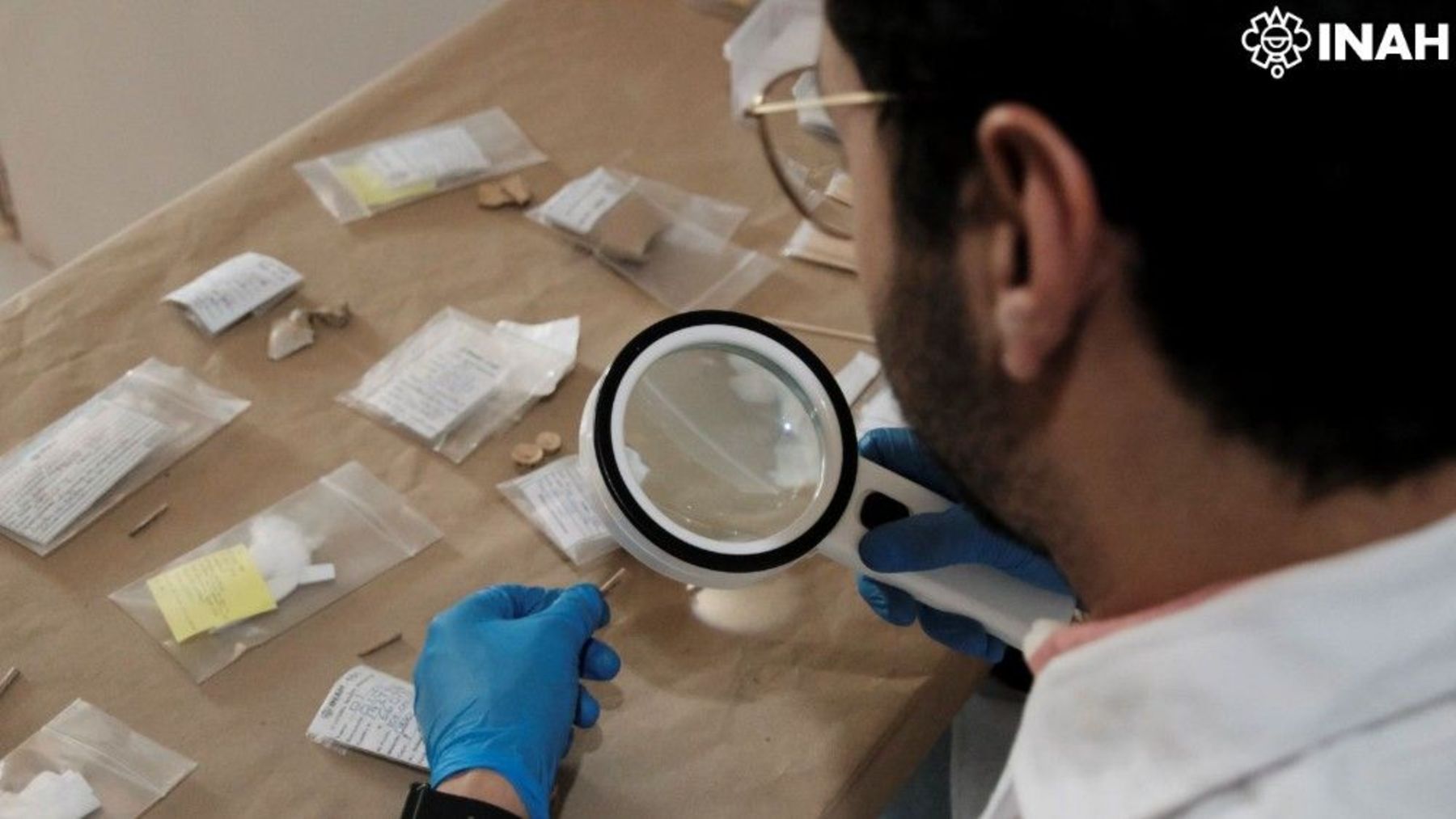
Three fragments of ray barbs and a catfish spine recovered along Mexico’s Maya Train route are being studied for clues to ancient Maya bloodletting. Found in burial contexts near the Usumacinta River in Tabasco, the small objects could help explain how aquatic animals became part of religious life. Their significance reaches beyond what people ate.
Mexico’s National Institute of Anthropology and History (INAH) outlined the ongoing investigation in a September 7, 2026, announcement. The pieces were recovered in June 2021, and their possible ritual roles are still being examined, especially whether the catfish spine was used to draw blood.
Four objects from a small stretch of ground
The finds came from archaeological rescue work on Section 1 of the Maya Train, which extends 226 kilometers (about 140 miles) from Palenque, Chiapas, to Escárcega, Campeche. Researchers recovered the pieces near Tenosique, Tabasco, within an area of roughly three hectares, or 7.4 acres.
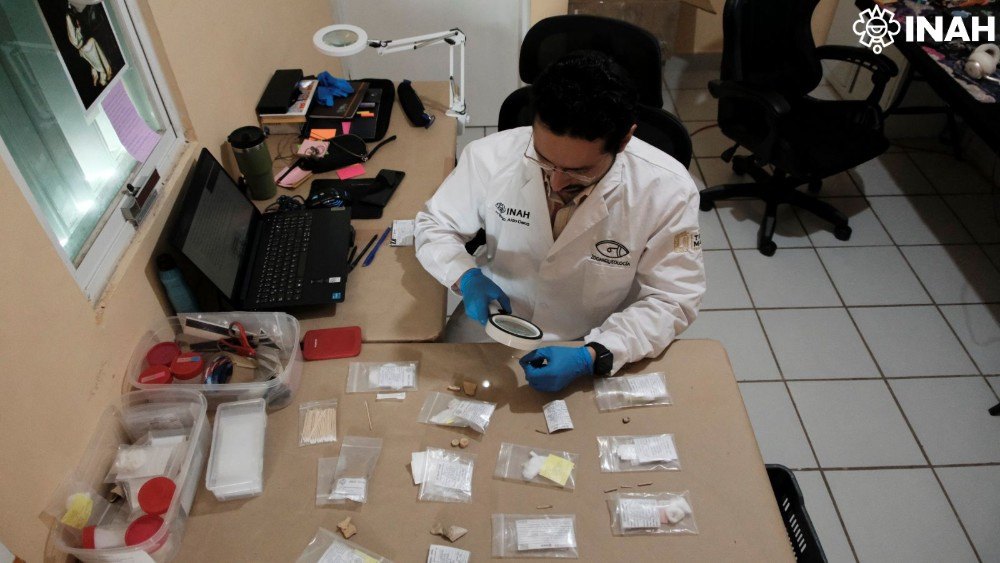
Marisol Arce Acosta, head of the project’s zooarchaeology laboratory, leads the investigation with archaeologist Said Amiel Luna Limón. Zooarchaeology examines animal remains from archaeological sites, helping researchers understand how people used animals and the materials they provided. Here, burial locations and the condition of each fragment are central to interpreting the finds.
What bloodletting meant to the Maya
The practice under investigation involved offering one’s own blood to supernatural beings. According to Luna Limón, evidence and existing scholarship document this tradition across the Maya region between approximately 500 BCE and 1520 CE. Those dates describe the broader practice, rather than establishing the age of these particular objects.
Elites are believed to have performed such ceremonies to help maintain cosmic order, and bloodletting could also serve as purification before a larger ritual. Different body parts carried different symbolic meanings, with the tongue linked to fertility and the penis to creation in the account summarized by INAH. Earlobes and fingertips were also pierced.
In the southern Maya lowlands, ray barbs were a favored instrument, Luna Limón explained. Carved lintels and written accounts describe blood being collected in containers holding sheets of tree bark, which were burned after drying. The rising smoke was understood as carrying the offering to the other world.
Why the catfish spine stands out
The catfish spine belonged to a burial containing the remains of an adult male. Such spines appear less commonly in records associated with bloodletting, making this piece an intriguing part of the investigation. INAH also places it within a wider symbolic connection between aquatic objects and Xibalbá, the Maya underworld.
Arce Acosta identified the ray remains as belonging to the families Dasyatidae and Myliobatidae, describing them as saltwater animals. The catfish spine belongs to Ictaluridae and was identified as freshwater material. That distinction gives researchers a way to examine how materials from different aquatic environments entered comparable burial settings.
But was the catfish spine actually used in a ceremony? Arce Acosta said its shape made it suitable for bloodletting and that it appeared in contexts similar to the ray barbs, while stressing that its use remains unknown. Suitability and location are clues, but they do not establish what happened to this individual object.
The ground left its own marks
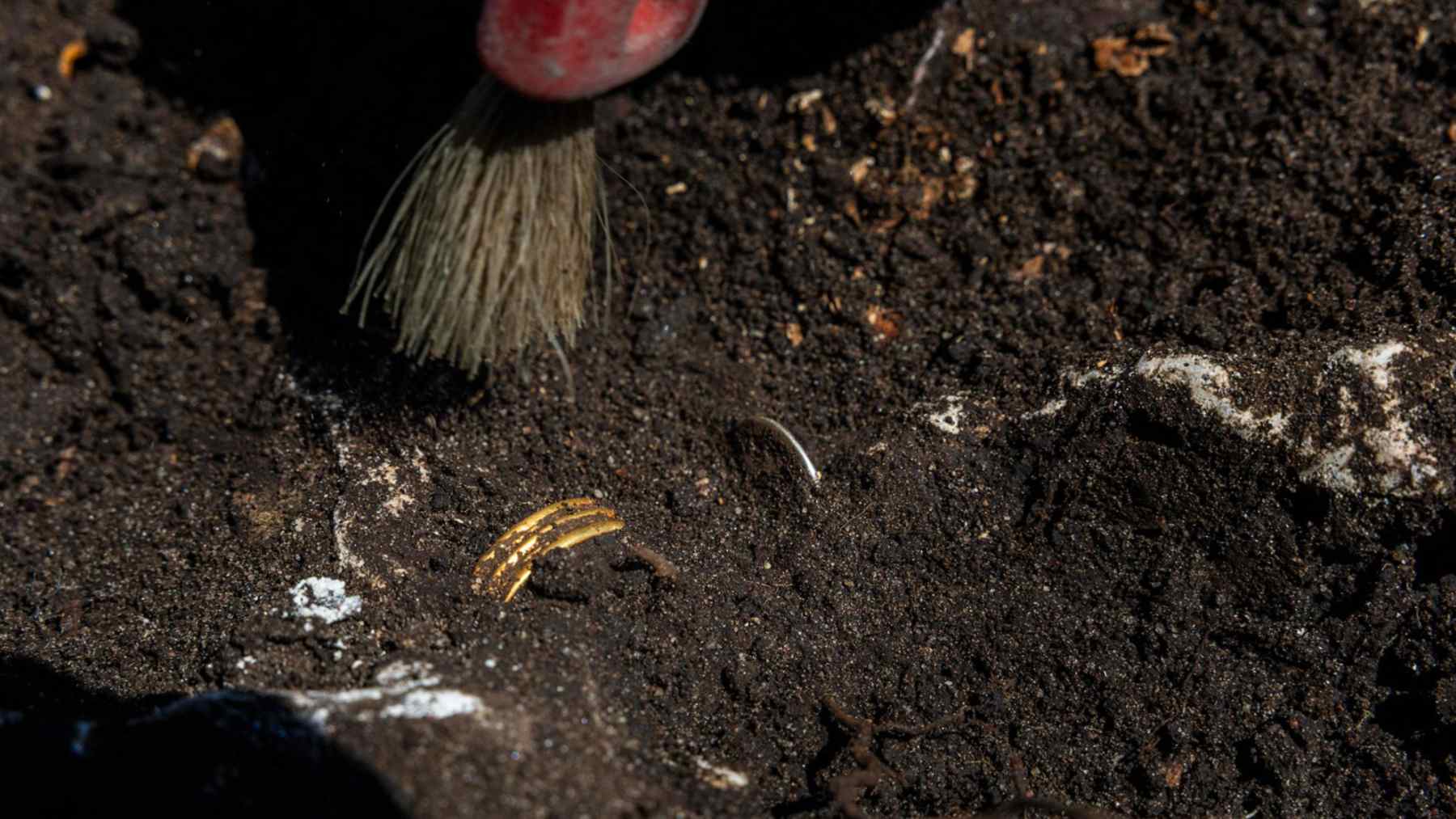
One ray fragment measures about three centimeters, or 1.2 inches, roughly the length of a small paper clip. Pressure from surrounding sediment broke both ends, while abrasive material gave its surface a polished appearance. Researchers connected it with a burial, and Luna Limón said, in a statement translated from Spanish, “we cannot rule out that it was a funerary offering.”
Another ray fragment also has a polished surface and fractures, while a third retains a grooved appearance and strongly adhering sediment. These details matter because processes underground can alter an object’s surface and break it long after burial. The reported polish therefore should not be treated as proof that someone deliberately shaped or repeatedly used the pieces.
Rivers supplied food and sacred materials
Taken together, the finds suggest that aquatic resources had roles extending beyond meals. Arce Acosta interprets rivers as environments that supplied both protein and materials for ritual objects. That offers a broader way to understand these landscapes, through the practical and spiritual relationships people formed with them.
The combination of freshwater and saltwater remains raises questions about how people obtained and selected animal materials. The announcement does not establish where these particular animals were caught or how their remains reached the burials. Those gaps leave room for further investigation without turning a possible connection into a proven route.
For now, four small pieces are helping researchers investigate how natural materials entered Maya ceremonies and burial practices. The official press release was published on September 7, 2026, on the INAH website.
Photo: INAH