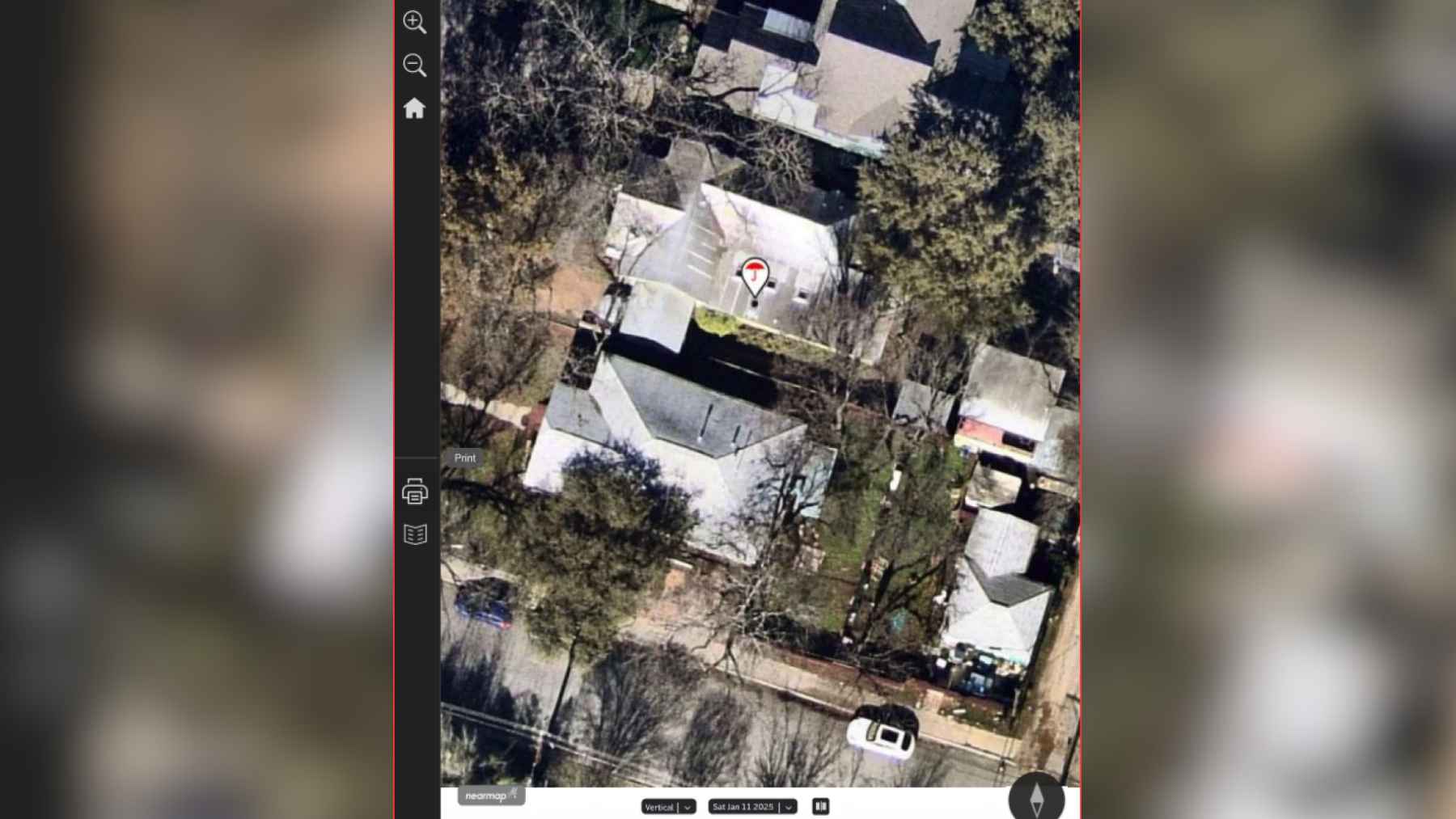
Even though no inspector climbed a ladder to Tracy Gartenmann’s housetop on her Austin home an e-mail arrived in her inbox in January with aerial photographs that were showing what appeared to be tree branches close to the roof. The e-mail that came from her a home insurance company contained a warning that a policy held for more than a decade was under risk of not being renewed.
Gartenmann was caught by surprise since she had filed no claims, but the images were set to create an immediate and expensive problem. She had to pay a landscaping crew $3,000 from her own pocket, protographed the trimmed branches herself and by acting swiftly she managed to win the renewal only days before the policy was due to expire.
A camera set the deadline
The insurance company Travelers gave Gartenmann roughly two months to adjust and address the branches, according to the website KUT. The overhead images that the insurer showed were obtained through a third-party aerial imagery service called Nearmap. To Gartenmann the experience “felt like an infringement on my rights” she said.
The attitude is alarming and sets a precedent much bigger than one yard. The aerial imaging services that are being used by the insurance company says its coverage reaches 99.6% of the U.S. population. And they are not alone: Texas filings reviewed by KUT showed CAPE Analytics technology is also used by insurers representing at least a whopping 20% of the state’s home insurance market.
Legal does not mean transparent
The situation did not start now. In 2017 Texas lawmakers created a bill to give insurance exceptions to the state’s drone-imaging restrictions. The Senate Bill 840 gives permission to the insurers or its affiliates to capture images for underwriting, rating or adjusting insurances that involve real properties, provided that the drone operators have been previously authorized and registered by the Federal Aviation Administration.
Surprisingly that permission does not give the owners itself an automatic right to receive the photographs of their own properties. KUT investigation found at least a dozen complaints regarding the situation that were addressed to the Texas Department of Insurance tracing back to 2023. The cases involved poor quality, old and inaccurate imagery and even Nationwide’s admission that an employee had unsurprisingly wrongly reviewed an aerial report.
Where remote reviews can fail
From high above, what could look like a dark roof patch may instead be a wear, a shadow of an animal or tree or even something else entirely. It was found that even a manual that CAPE used said drive-by or on-site inspections will logically deliver more detail on minor defects and better reflect the roof’s current condition than aerial images, who would have guessed?
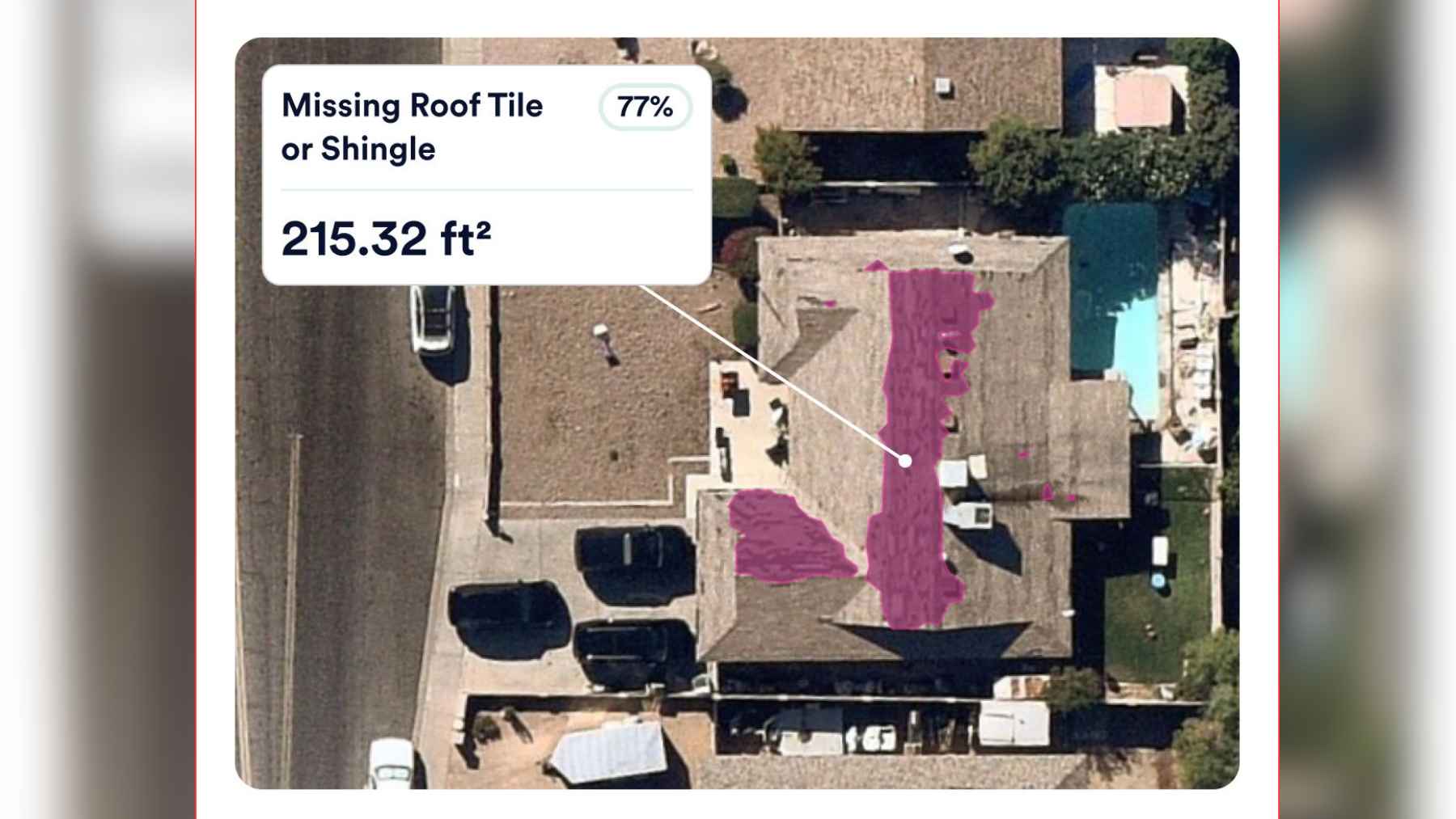
But that of course does not make the aerial imagery useless since those can help the insurers to scan problems on a bigger number of properties with more haste. The trouble begins when the insurance companies try to substitute superficial data for detailed analysis, giving the screening tool the final word and depriving the homeowner from examining or challenging what it saw.
Rules are beginning to catch up
In a 2025 bulletin, Massachusetts regulators stated that measly cosmetic roof conditions should not be enough for an adverse underwriting action. If an image isn’t enough to clearly establish that significant damage or degradation has happened, insurers are expected to conduct a more thorough review, which could potentially include a physical inspection.
California’s AB 1559 bill, as of August 2026, remains active in the Senate committee process waiting its turn. The changes the new bill proposes would require an annual notice to the homeowners, access to images on request, inclusion of the aerial images with an adverse coverage notice, limits on images that are older than 180 days and an open route to possible dispute findings or requests for an in-person inspection. If enacted, its provisions will become operative on the 1st of July, 2027.
What homeowners can do now
The practical suggestions while the changes are still not here is to create your own record before a deadline arrives. Owners should photograph their own roofs, trees, chimneys, gutters and completed repairs that were done after the pictures were taken and then ask the insurer for the exact images and the report that supports its decision.
In case the evidence appears to be wrong or inaccessible the owners should also keep every e-mail and contact between themselves and the state insurance department as proof.
The latest official bill text was published by California Legislative Information.