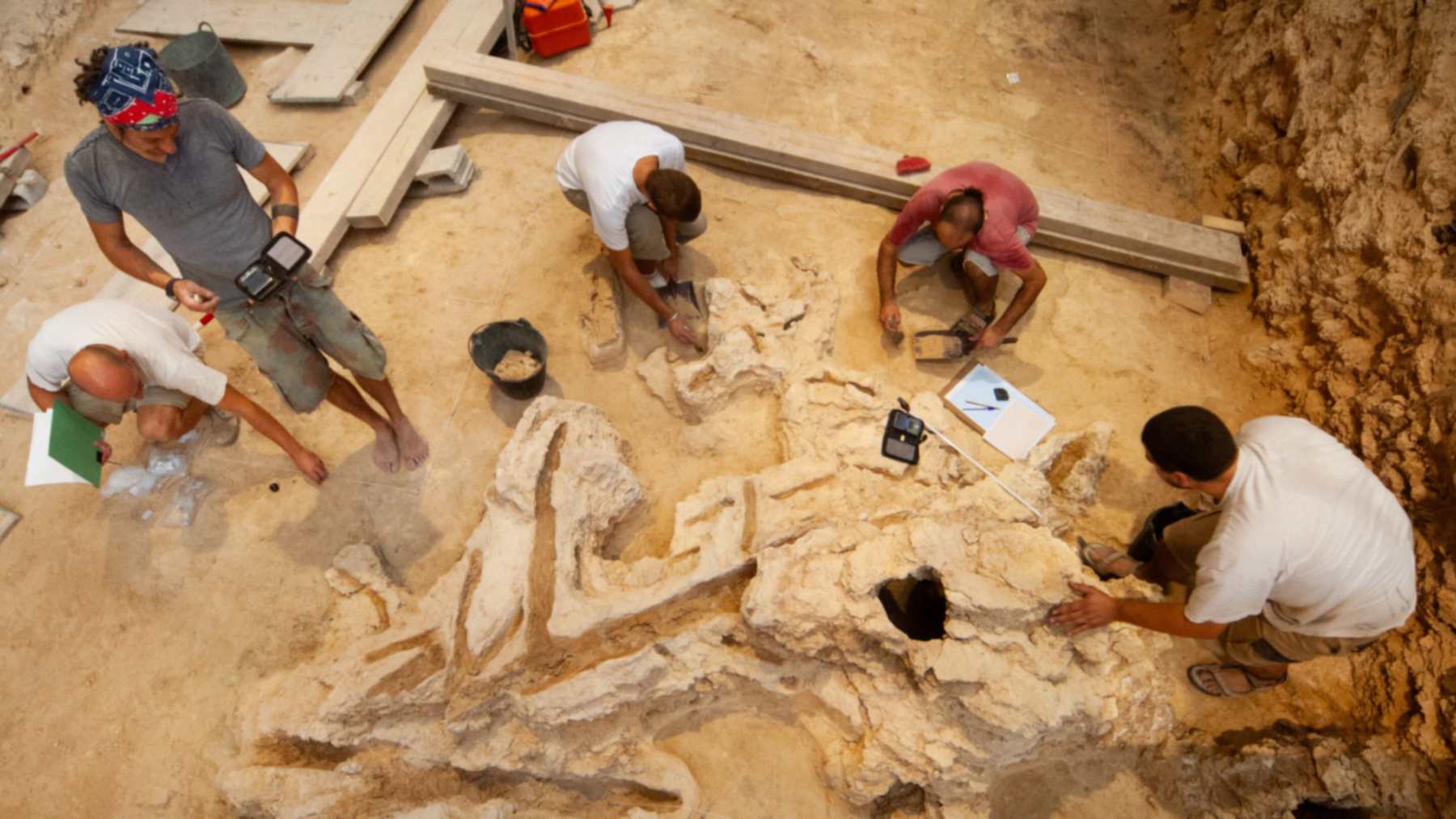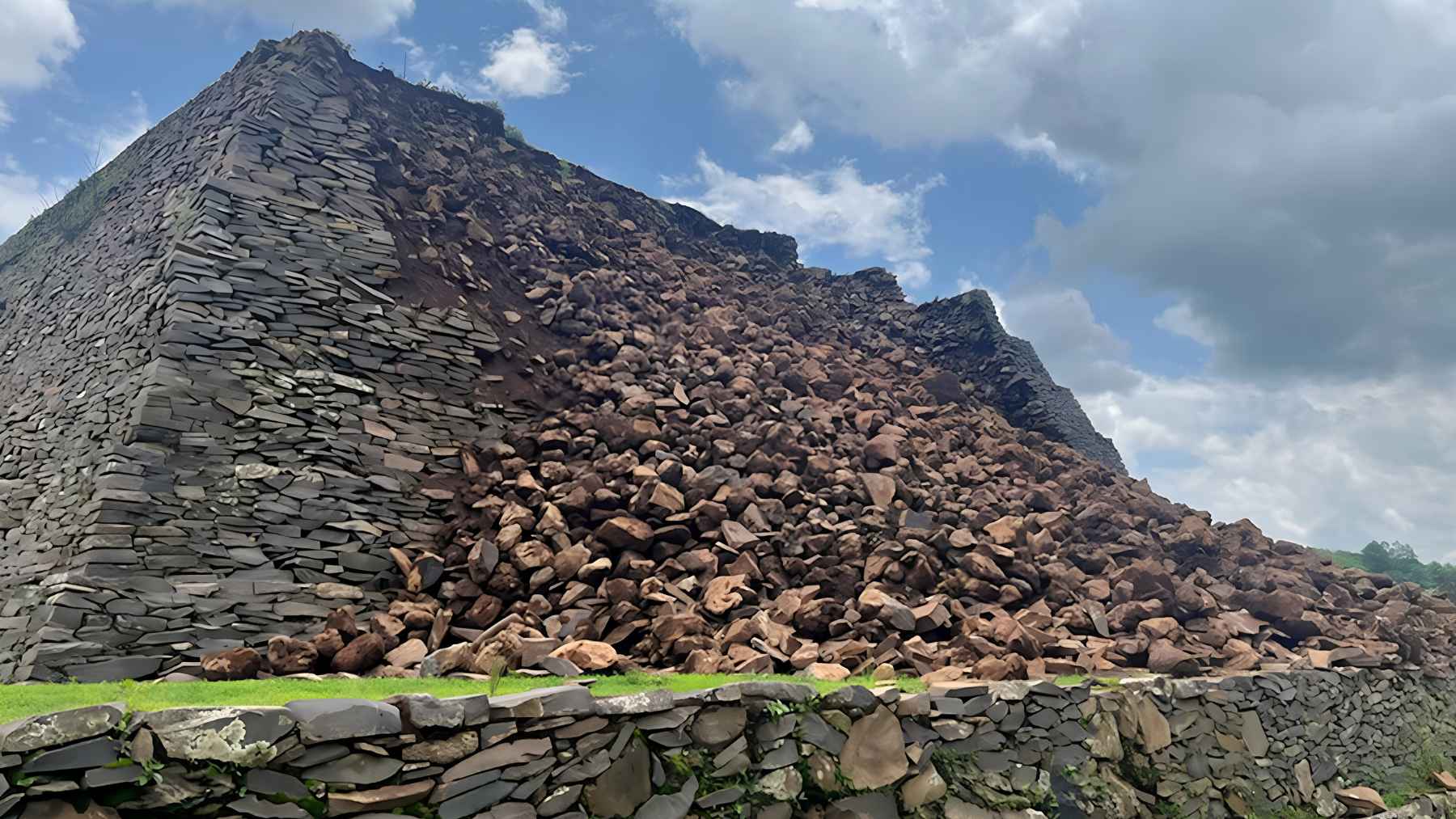
A stone pyramid base at the Ihuatzio archaeological site in Michoacán, Mexico, partly collapsed after intense rain followed a period of heat and drought. The roughly 50-foot pre-Hispanic monument lost part of its south-facing side, leaving a mound of rubble where one of the site’s best-preserved structures had stood for centuries.
The most important detail is not just that rain fell. It is that drought appears to have opened cracks first, and then heavy rain found its way inside. The weather did not knock on the front door. It slipped through the walls.
A storm found the weak spot
The collapse happened on the night of July 29, 2024, after intense rainfall in the Lake Pátzcuaro basin. Mexican heritage officials later reported damage to at least six stepped levels of the southern pyramidal base, including the outer stone wall, the inner core, and the retaining wall.
A pyramidal base is the stepped stone platform that supported ceremonial architecture. Think of it less like a hollow building and more like a massive layered foundation, built to hold weight and meaning at the same time.
Mexico had already been dealing with extreme heat and widespread drought in 2024. Reuters reported in May that 70% of the country was in drought, with about a third in severe drought, according to National Water Commission’s data.
Why Ihuatzio matters
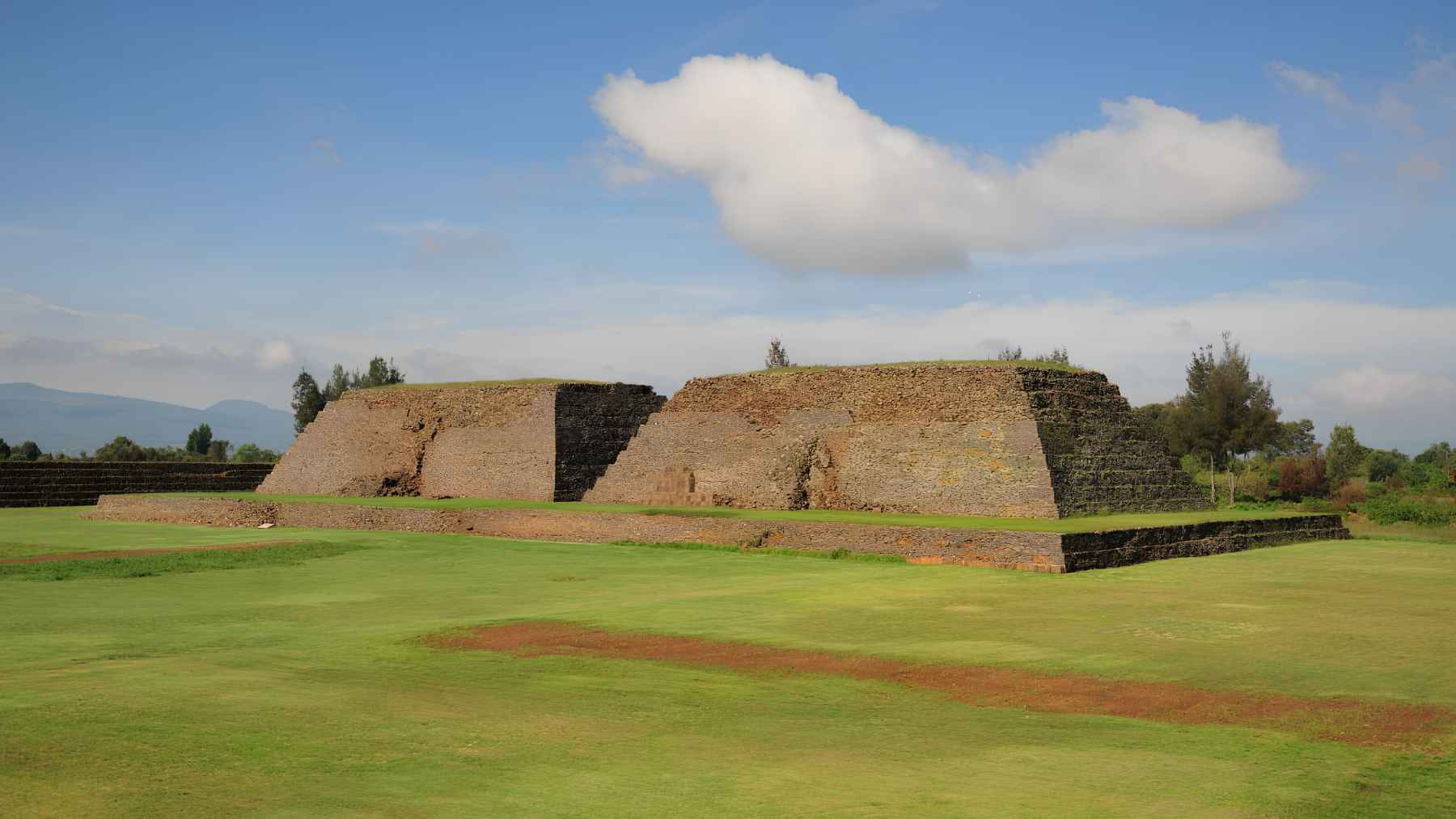
Ihuatzio was not just a pile of old stones. The site was one of the major seats of the Purépecha world, along with Pátzcuaro and Tzintzuntzan, and official site information notes that the Mexica, commonly known as the Aztecs, never subdued this powerful empire.
Nahuatl-speaking groups first occupied the area more than a thousand years ago. Later, the Purépecha turned it into a political and ceremonial center, with raised roads, plazas, tombs, and pyramid-like structures called yácatas.
That history still has living descendants. Tariakuiri Alvarez, who identifies as Purépecha, described the collapse on Facebook as a “bad omen,” saying his ancestors might have read a similar event as a sign that the gods were displeased.
Climate whiplash and old stone
The key idea here is climate whiplash. That means a place swings from one damaging condition to another, such as dry heat followed by heavy rain, instead of moving through gentler seasonal changes.
Stone monuments can look permanent, but they are not immune to small changes repeated over time. Heat dries materials, drought can open cracks, and sudden rain can push water deep inside, where pressure and loosened stones can do the rest.
The collapse cannot prove, by itself, that human-caused climate change brought down one wall, but it fits a wider concern among conservation experts that extreme weather is making heritage protection harder and more expensive.
A wider warning for heritage
This is not only happening in Mexico. A 2021 Griffith University study led by Jillian Huntley found that ancient rock art in Sulawesi, Indonesia, is being damaged as salt crystals grow behind painted cave surfaces and make them flake away.
A 2024 study by Oscar Julian Esteban-Cantillo, Beatriz Menendez, and Benjamin Quesada, published in Science of The Total Environment, reviewed climate and pollution risks to cultural heritage building materials in Europe and Mexico. The authors warned that damage can increase in places where precipitation rises substantially.
UNESCO has also warned that climate change is one of the biggest threats to World Heritage properties, with droughts, fires, sea level rise, and coastal hazards already affecting sites around the world.
Another collapse in Utah
Just days after the Mexico collapse, the popular Double Arch formation in Utah’s Glen Canyon National Recreation Area also fell. The National Park Service said changing water levels and wave erosion were suspected of helping trigger that collapse.
Michelle Kerns, the park superintendent, said, “These features have a life span that can be influenced or damaged by manmade interventions.” It was a simple line, but it landed hard.
One case involved an ancient cultural monument. The other involved a natural sandstone arch. Different places, different materials, same uncomfortable lesson.
What happens next?
Repairing a damaged archaeological structure is not like fixing a garden wall after a storm. Specialists have to document the damage, understand how the original materials behaved, and avoid repairs that may trap water or add new stress.
Mexico’s National Institute of Anthropology and History (INAH) said older work at the structure used techniques and materials that are no longer favored because of their negative effects. That matters, because restoration can help a monument survive, but the wrong method can also leave tomorrow’s cracks hidden inside today’s repairs.
At the end of the day, the Ihuatzio collapse is a preservation story as much as a weather story. It shows how ancient places can survive conquest, abandonment, and centuries of rain, only to become more vulnerable when the rhythm of heat and storms starts changing faster than caretakers can respond.
The official press release has been published on the National Institute of Anthropology and History’s website.