Long before we entered this race for a renewable energy source, there was already a civilization that dominated nature in a rather impressive way: the ancient Egyptians. This is because more than 7 thousand years ago, they already knew how to use an invisible and free force to move ships, connect cities, and drive their entire empire. And it is this energy source from 5 thousand years before Christ that can supply the Earth as we need it today.
What does the Nile have to do with Earth’s energy future?
Before we get into the energy issue itself, we need to take a brief history lesson. Let’s remember that ancient Egyptian society was shaped by the Nile, because its annual floods fertilized the soil, defining the agricultural seasons and sustaining millions of people. However, in addition to water, there is another fundamental element in this society that often goes unnoticed: we’re talking about the wind.
Okay, but where does the wind fit into all this? Well, since 5000 BC, boats have been sailing along the Nile. At first, they were made of reeds, then this material changed to wood. However, the difference in all this was not this evolution of naval engineering, but rather the ability to harness the wind to navigate. Since there were no engines at the time, the wind was literally the force that made these boats move and, therefore, connected villages, transported food, construction materials, soldiers, and merchants – all this without using a drop of fuel, which is why it’s time to learn from the Egyptians.
Humanity’s oldest form of energy: wind
Yes, wind was indeed the first form of energy used on a large scale in Ancient Egypt. The sails installed on boats allowed vessels to travel up the Nile (towards the south) without relying on human or animal power. When the river flowed north, the current helped in the descent. Now, if it was necessary to go against the current, the sails captured the prevailing north wind, creating an almost perfect natural transport system.
This nautical knowledge gave the Egyptian people a great strategic, economic, and military advantage. How so? They were able to move their troops quickly, transport tons of stone from the south to build in the north, and maintain control over large regions without building land roads.
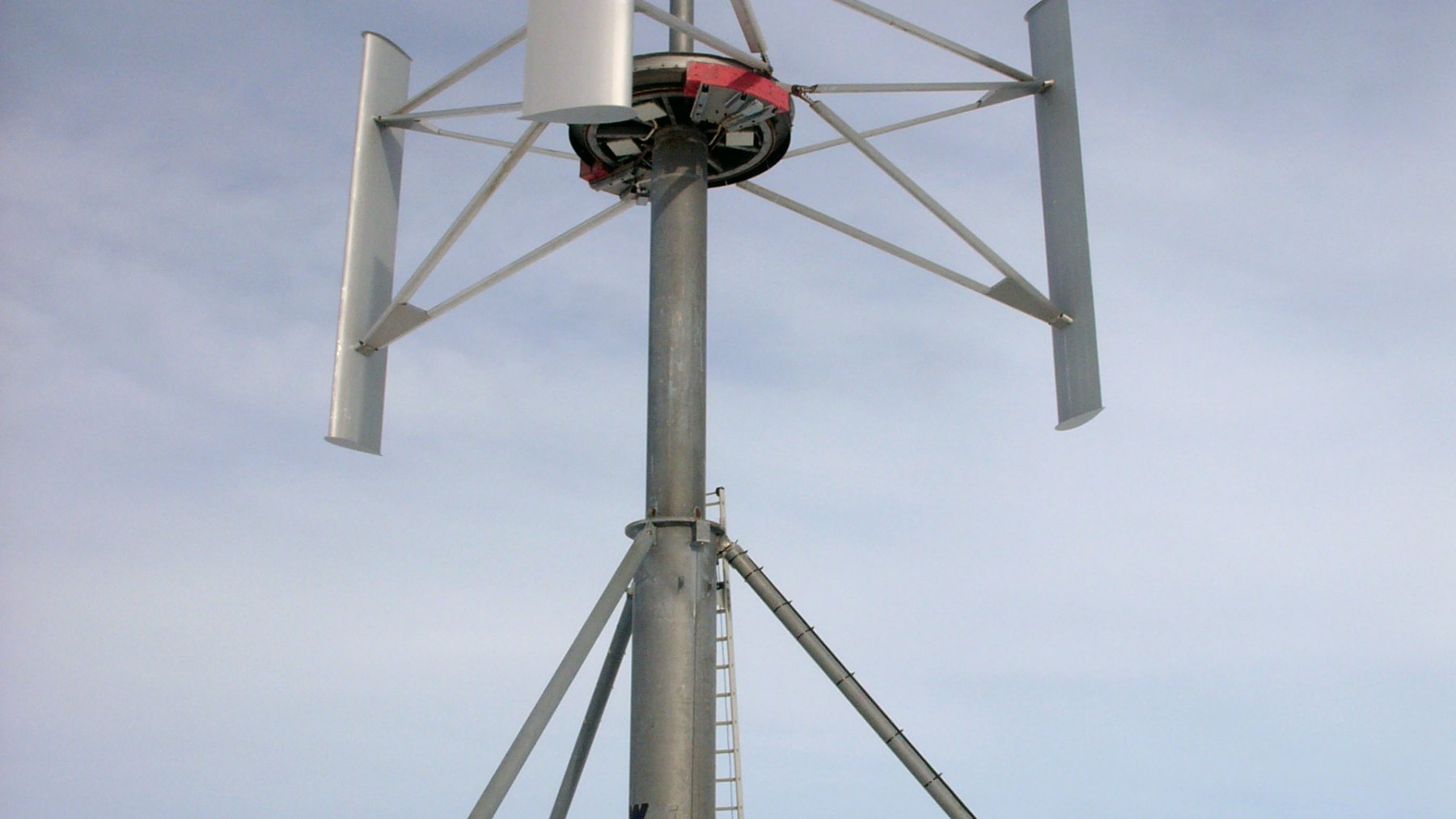
Well, who would have thought that even before the industrial revolutions or electricity, we would already have people who used wind energy as a way, not only to generate energy but also as a mechanism for mobility and integration… Of course, this old application focused on navigation, but the idea was the same as we have today with wind turbines (like this high-performance turbine): transforming wind into work.
Will this energy save the Earth then?
What does all this history lesson have to tell us? Let’s be clear, the idea that wind energy can save the planet is not new; quite the opposite, it was only rediscovered over the years. This is because, nowadays, wind farms are popping up in deserts, mountains, and at sea, mainly because wind is abundant. The difference from the past is that what the Egyptians did to cross the Nile is what we do now to power homes, industries, and entire cities.
So, just imagine: if 7,000 years ago, this natural force was already driving the growth of one of the most advanced civilizations in history, what can we learn from it today? To give us an even better idea of how this modernization of wind energy works, we are already thinking about how wind will be used in the next century: scientists have already created a wind turbine that generates 10 KW and has a futuristic design.