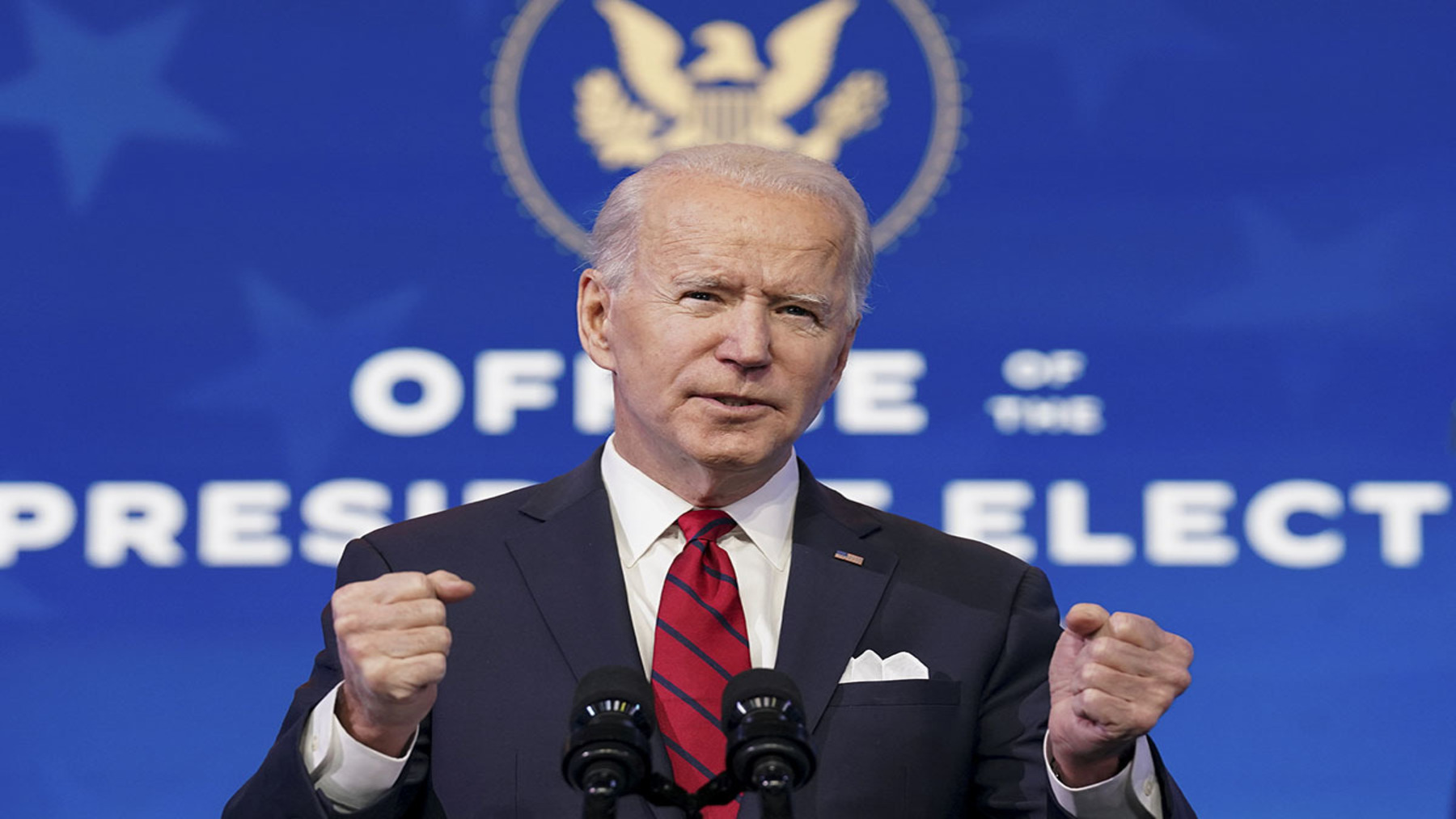
As the Biden administration prepares to leave the White House and welcome in the new Trump administration, President Biden will be remembered for his extensive efforts in forgiving student loans. As one of his last initiatives as president, Biden cancelled student loan debt for 150,000 students. The cancellations are specifically for students who attended schools that defrauded students, people with permanent disabilities, and public service workers.
5 million students see debt cancelled
For the past four years, the Biden administration has forgiven student debt for five million students. This is a historic achievement, with the Biden administration overseeing one of the largest student loan cancellations. “Four years ago, President Biden promised to fix a broken student loan system. Today, life-changing student debt relief is possible for more than five million borrowers-more than any other administration in history,” said Miguel Cardona, U.S. Secretary of Education.
Addiotionally, Biden said in a statement: “My administration has taken historic action to reduce the burden of student debt, hold bad actors accountable, and fight for students across the country.” As of January 2025, 42.7 million Americans have federal student loans. The total student loan debt in the United States is $1.773 trillion.
Biden forgives debt for 150,000 this month
The most recent (and final) recipients of Biden’s student loan relief include more than 80,000 borrowers who were victims of school fraud, over 60,000 borrowers with total and permanent disabilities, and more than 6,000 public service employees. This assistance mainly comes through established programs such as borrower defense, which enables students to have their loans forgiven if their colleges misled them.
In 2023, Biden attempted to provide blanket student loan forgiveness for all students however this as rejected by the Supreme Court. Despite this, Biden’s administration worked to expand current federal student loan forgiveness programs as well as improving the Public Service Loan Forgiveness program and fixed errors in income-driven repayment plans.
Uncertainty for student loans as Trump prepares to take office
There is uncertainty for borrowers as former President Trump prepares to take office again. Since Biden announced his ambitious student loan forgiveness plan, which includes forgiveness for federal student loan borrowers under the Public Service Loan Forgiveness (PSLF) program and broader forgiveness for those affected by school fraud or disability, millions of borrowers have been eagerly awaiting relief. However, the ongoing uncertainty surrounding these efforts remains a point of concern as Trump’s return to office looms.
The Trump administration previously opposed large-scale student loan forgiveness programs, arguing that such initiatives were costly and could lead to financial instability. There’s concern that Trump, if re-elected, could reverse or scale back these programs, which would significantly impact borrowers who have placed their hopes in Biden’s initiatives. The political landscape surrounding student loan forgiveness has created a tug-of-war between parties, with Biden’s efforts aiming to provide relief for millions while Trump maintains skepticism about the efficacy and fairness of such measures.
Despite these challenges, many borrowers are optimistic that Biden’s plan will prevail, especially given the ongoing pressure from advocacy groups and the growing public support for student loan relief. However, critics of Biden’s efforts argue that the forgiveness programs are inefficient and could ultimately harm the economy. They also point out that the solution should focus more on addressing the root cause of the student loan crisis, such as skyrocketing tuition fees and increasing interest rates, rather than offering blanket forgiveness.
The future of student loan forgiveness remains uncertain, with both political parties taking opposing stances on the issue. Borrowers, however, are anxiously awaiting a resolution that will impact their financial futures and offer not just clarity but more long-term solutions to paying for tertiary education in the US.