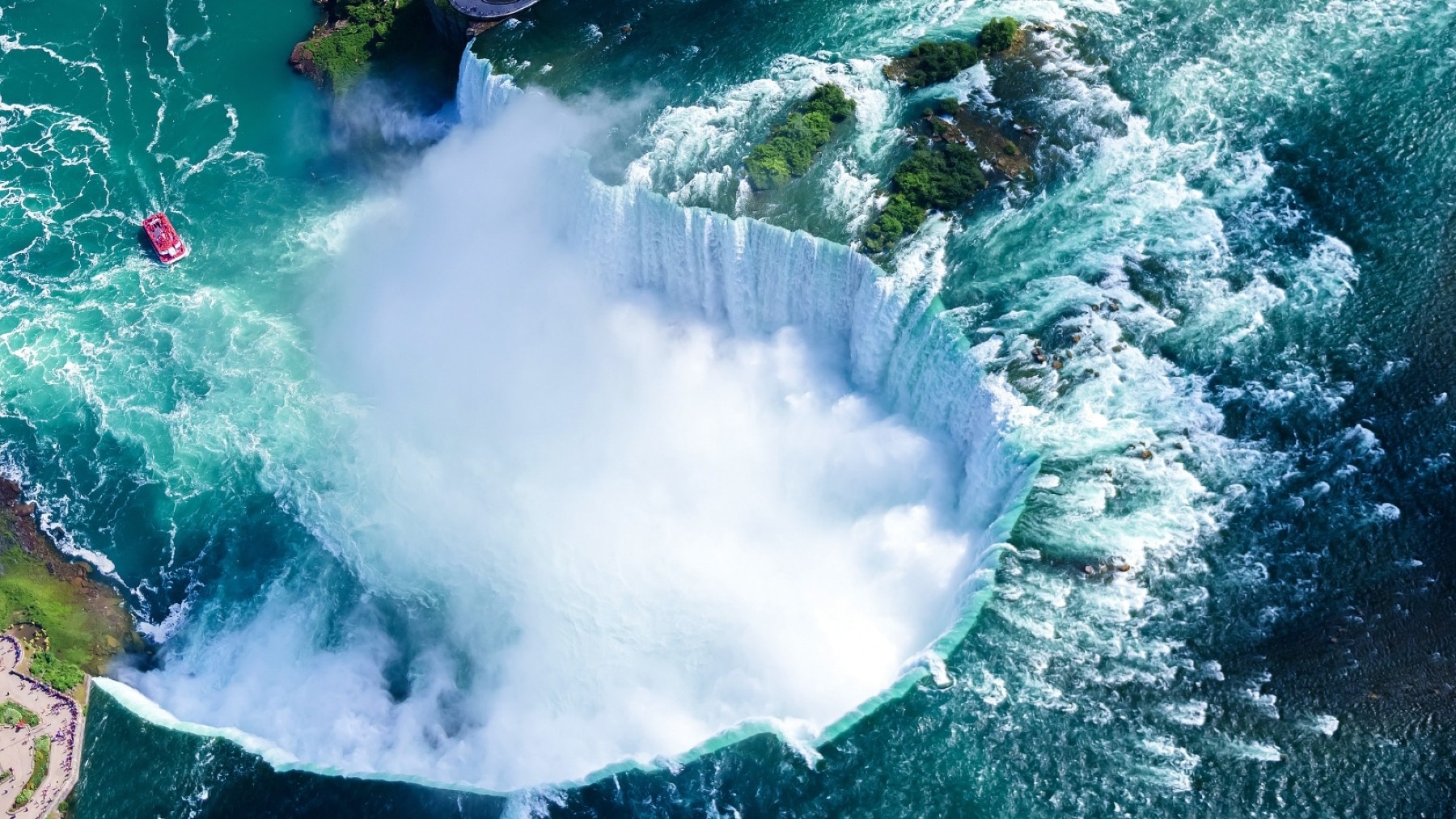
For many years, the calm yet mighty Niagara Falls has been a natural curiosity and the powerhouse of ideas for sustainable energy. The year 2023 saw an evolution after four decades of consistent improvement in hydropower.
OPG achieved the highest level of energy production at its Niagara stations since 1982. This is more than a technological advancement; it acknowledges Canada’s willingness to invest in green power solutions.
The hydropower milestone: Breaking 40-year records at Niagara Falls
This was evidenced by OPG’s Niagara Operations, which has, for the first time in 40 years of evolution, posted a 2023 generation of 13.2 TWh. This was not a coincidence but a result of some strategic management, strategic plans, and refurbishments at the cutting edge.
The hydropower generation is provided by the Sir Adam Beck I & II generating stations and the DeCew plants, which now supply 10% of the electricity required in Ontario. Essential to this achievement was the refurbishment of two generating units in the Sir Adam Beck I station in 2022.
These upgrades increased the capacity by 125 MW, improving a plant that has been a stalwart for more than a century. This added to more efficient maintenance and operation practices, improving Niagara’s capability to rise when baseload generation was affected by nuclear refurbishments in other areas.
This not only underlines the commitment of OPG’s renewable energy teams but also demonstrates how sustainable processes can solve contemporary energy issues, decrease emissions, and save expenditures, allowing the unique view of Niagara Falls to be enjoyed.
Modernizing hydroelectric plants: A billion-dollar commitment
This is because Niagara’s hydroelectric stations require refurbishment, and OPG has planned to spend CAD$1 billion in this regard. This will entail refurbishing up to 25 generating units within the next 15 years from calendar year 2025. The goal? Another 50MW of generation capacity and lifespans of over 30 years for the stations.
This far-reaching retrofit is part of Ontario’s “Powering Ontario’s Growth Plan,” designed to address rising electricity needs with solutions that promote clean energy. The project will benefit the province in many ways as it will provide the province with 1,700MW of clean electricity, create employment opportunities for the people, and boost the industrial sector.
Hydroelectric generation has been Ontario’s mainstay of power distribution for over a century, and these upgrades will serve the region’s energy needs for decades. This is not merely a technical transformation of the power supply system but a bet on developing a climate-neutral economy following the best international practices.
Sustaining the legacy of Niagara’s renewable energy
Apart from the record-breaking and plant renewal, the Niagara hydropower project is an example of many things. The Sir Adam Beck I station is 100 years old as of 2022, and DeCew I was commissioned over 125 years ago. It is more than just civil engineering; they are literal signposts of Canada and its vision for the future in exploiting natural resources.
The refurbishment project will preserve this legacy so these historic plants remain central to Ontario’s energy system. In the same way, by using modern technologies and reducing the frequency of maintenance shutdowns, OPG has shown that old structures can become relevant to the contemporary world.
This renewal also enhances the province’s energy autonomy. It lays the foundations for other areas that want to update their renewable energy systems, apart from reducing the utilization of non-renewable resources. Thus, Niagara Falls is a natural landmark symbol of ingeniousness and resourcefulness.
Canada’s forty-year experience harnessing power from underneath Niagara Falls exemplifies the country’s spirit to go for cleaner energy solutions. Ontario has made its mark on sustainable energy with record-breaking achievements, billion-dollar investment, and modernization commitment.
The two hydropower milestones at Niagara Falls symbolize what can be done given time, effort, ingenuity, and a vision. As these hydro stations ready themselves to light up the province for the next hundred years, they also symbolize a new cleaner, cleaner tomorrow for not just Ontario but the world.