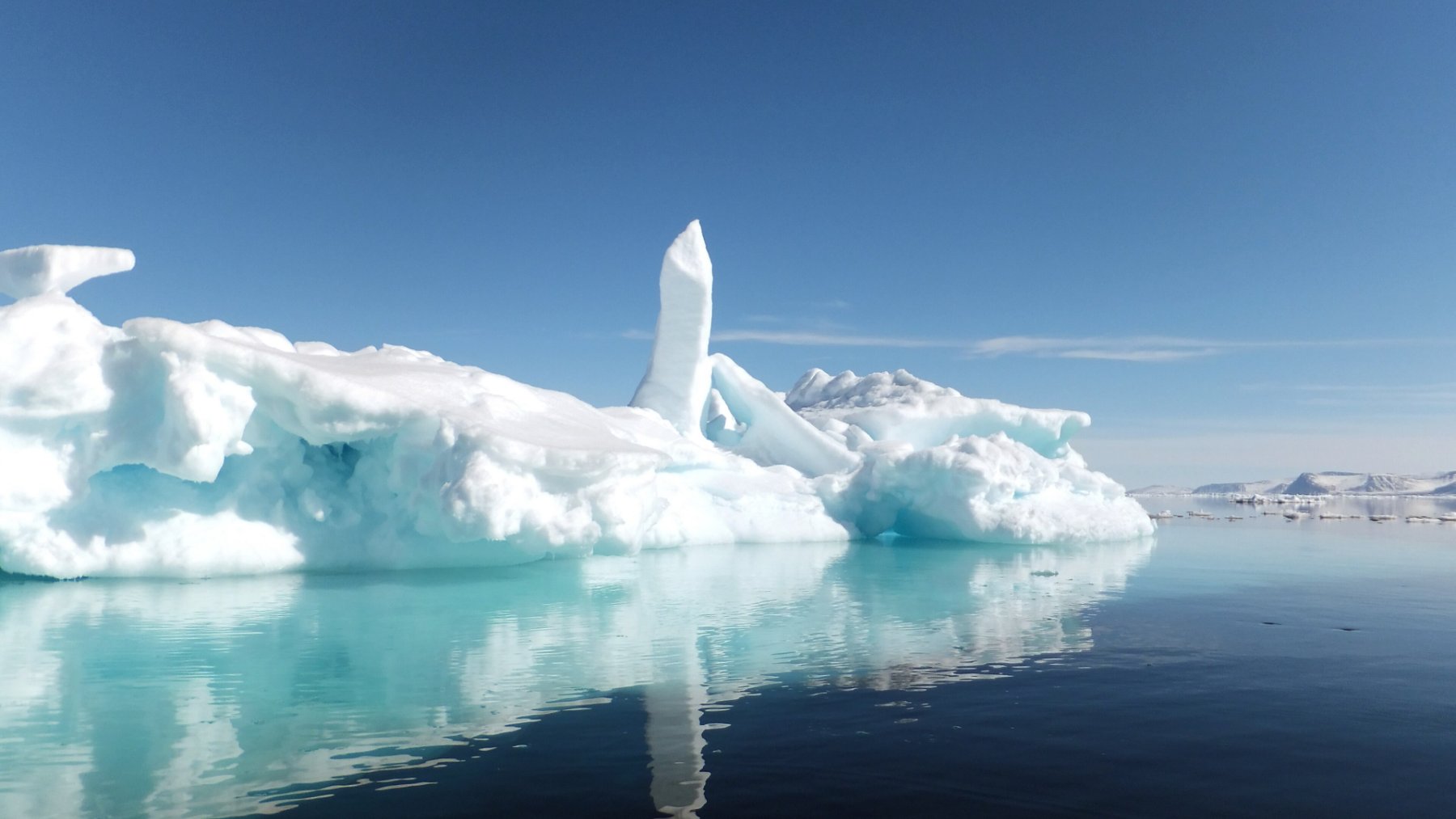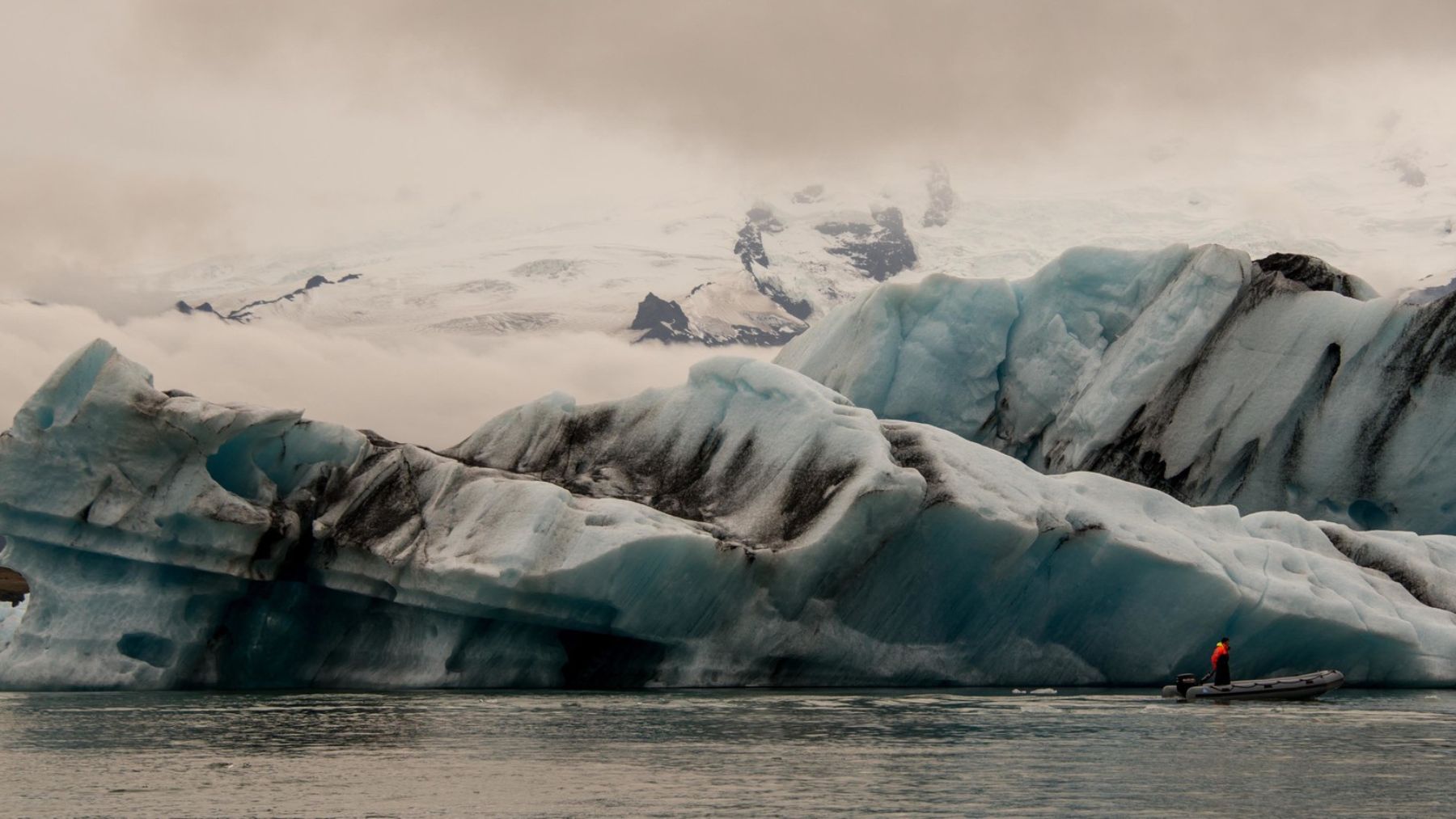
Producing energy is a necessity for human beings to be able to carry out the different tasks they perform on a daily basis. Burning Antarctica is the latest ‘invention’ and the very idea of it generates real fear in the world. As mankind has advanced, so have the different ways of obtaining energy. Hence, we have witnessed such impressive projects as the fusion of these two metals.
Just as the body needs nutrients to function and perform all human tasks properly, the different devices we use in our daily lives require energy to function.
Some come from solar panels, others from hydropower, geothermal energy…. It all depends on the purpose and the source used to obtain it. This time we come to talk about a different energy creation that breaks with everything you have seen so far.
Flammable ice: an unknown form of energy with great potential
Much is said about wind and solar energy, but little about the possibility of creating it through flammable ice, a possible energy source that respects the environment. One cubic meter of combustible ice is equivalent to about 164 cubic meters of natural gas, so it could represent a clean substitute.
More and more alternatives are appearing to say goodbye to fossil fuels. Different countries are striving to find new ways to produce energy while respecting the environment. A recent example is the case of Iceland, which is betting heavily on the excavation of magma wells to take advantage of this heat as a source of clean and inexhaustible energy.
Along the same lines, a few years ago, Chinese engineers managed to extract a material they called “flammable ice”. They successfully extracted it from the depths of the South Sea. A milestone that opened the door to a true global energy revolution, even considering it the best substitute for oil and natural gas in the future. According to the U.S. Energy Information Administration, one cubic meter of fuel ice is equivalent to about 164 cubic meters of natural gas.
This combustible ice is composed of methane hydrate and is usually found on the seabed or in the tundra, as the strong pressure and low temperatures in both areas preserve its stability. Its composition carries methane and natural gas, which is trapped within a frozen network of water molecules.
Therefore, these methane hydrates are white ice-like solids that contain considerable amounts of gas compared to conventional fossil fuels.
This energy from ice is less polluting
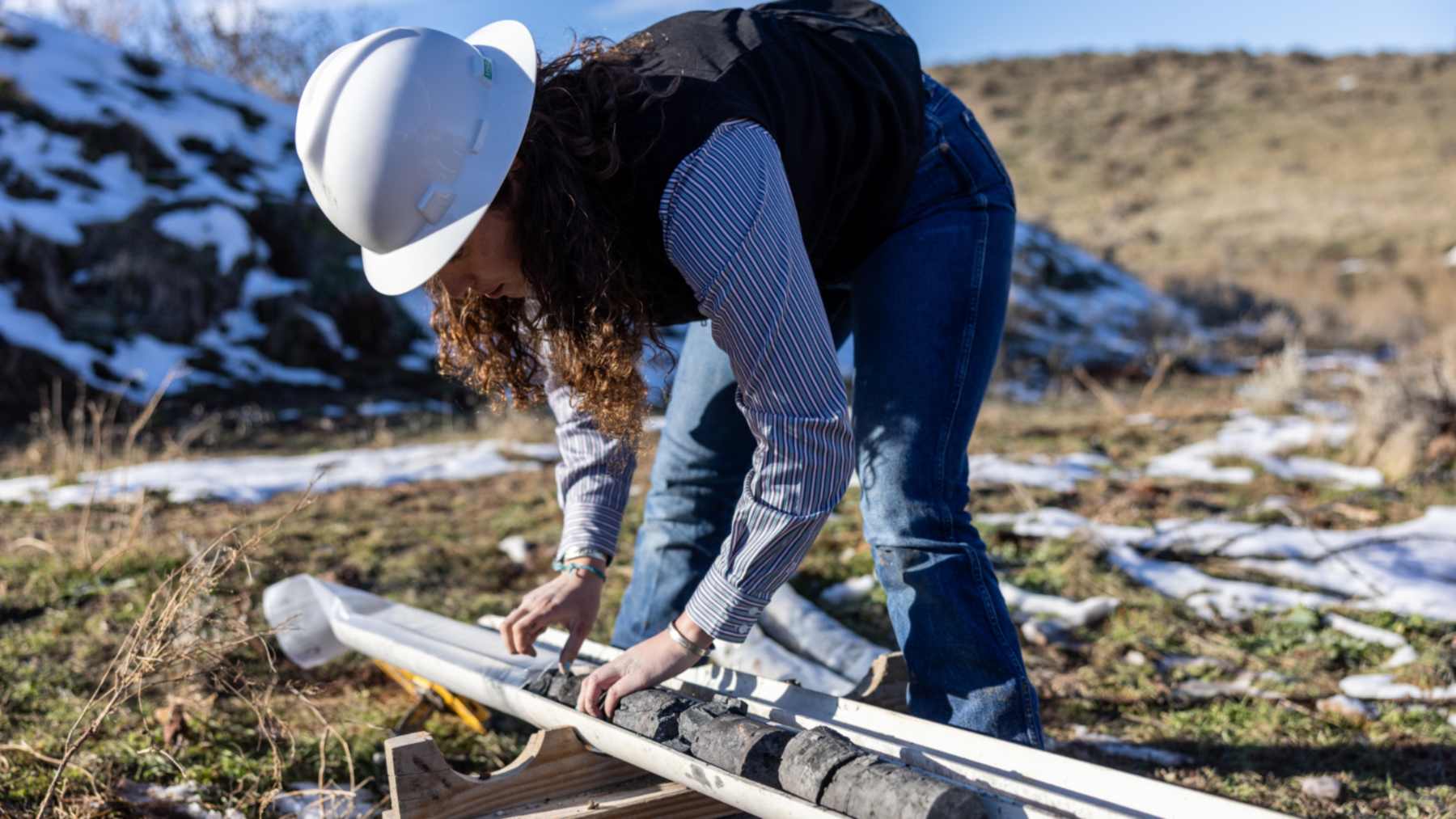
One of the strengths of flammable ice is that its production produces 50% less carbon emissions than carbon, making it a great alternative to energy production. Flammable ice is in the form of ice only when it is under seawater pressure. Once it is removed from the depth to which it is adapted, it volatilizes due to decompression. For this reason, these substances can only be recovered through pressure core sampling.
According to Zhong Ziran, director of the China Geological Survey Bureau, fuel ice is more environmentally friendly than other options and its reserves are more abundant. It is worth noting that fuel ice mining started a long time ago, namely in the 1960s. In fact, it continues today as Japan, China and other countries compete to obtain this rare substance.
Several scientists believe that there are copious reserves of flammable ice around the world and that they even exceed all other fossil fuel reserves combined. However, there are still technological hurdles and environments that prevent the industry from developing further in this area.
Only time will tell if ‘setting Antarctica on fire‘ (because of the amount of ice in its territory) to produce energy is the future or not. For now, there are still reservations about the subject and there is still a long way to go before it becomes a reality as certain as the famous fossil fuels.