A ground-breaking discovery is approaching Europe beneath the North Sea, revealing a renewable energy supply instead of traditional petroleum or fish resources. The innovative production of hydrogen finds its origin in advanced North Sea wind energy technology. Europe has established plans to extract this new potential, which will transform its power sector.
The North Sea’s hidden potential: a renewable powerhouse waiting to be unlocked
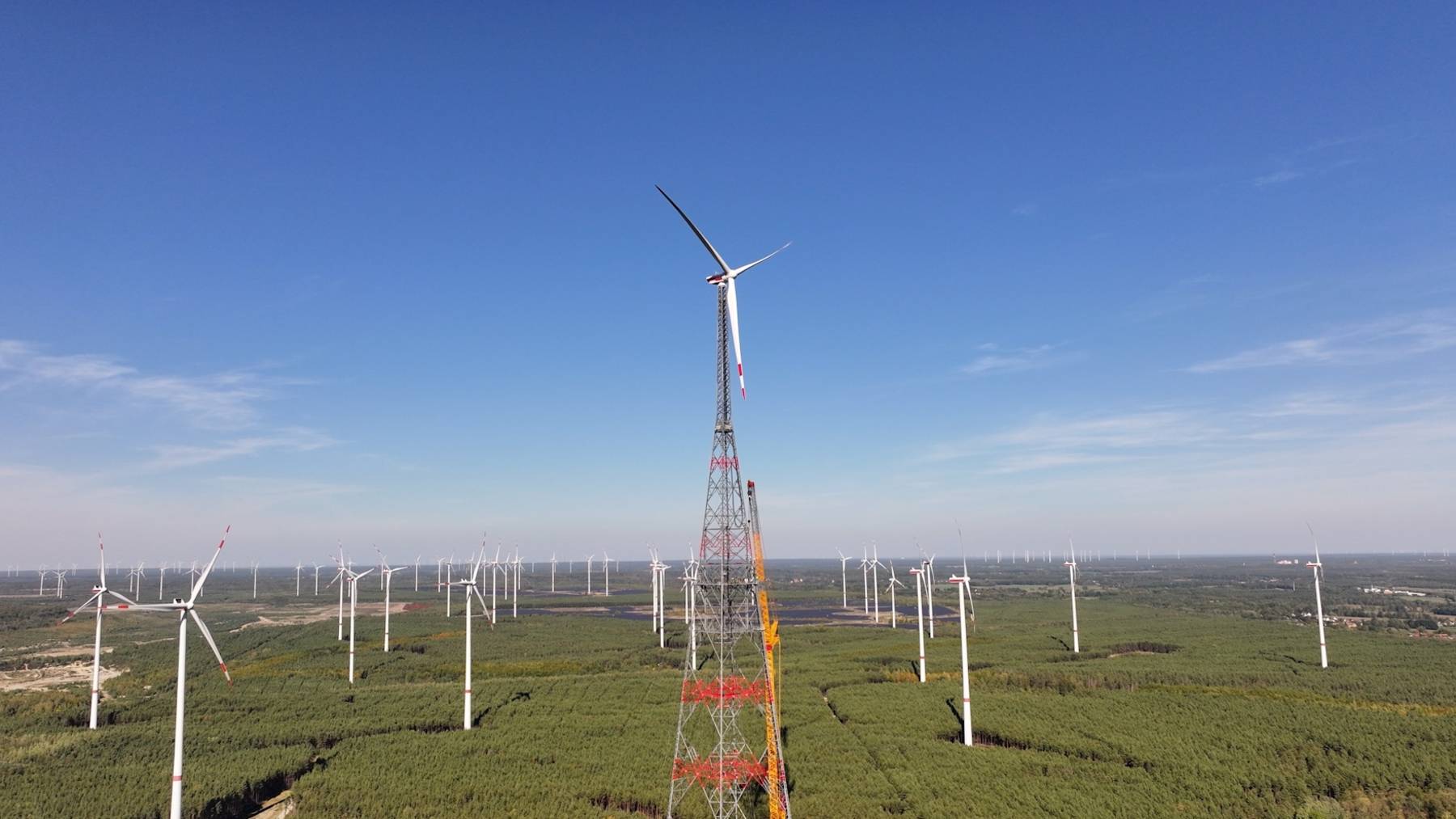
Green hydrogen production facilities will establish the North Sea area as a fundamental operation center. The area proves optimal for establishing offshore wind farms because of its reliable and powerful wind patterns. These farms’ expected future power production will reach approximately 300 GW, enhancing electrolytic hydrogen production.
Commercial water electrolysis creates clean hydrogen and oxygen from water to establish a primary European energy approach. Hydrogen emerges as a vital component for energy evolution through its renewable production methods. The technology presents an opportunity to decrease greenhouse gas discharge and strengthen energy security systems substantially.
This new technology could boost Europe’s green hydrogen production by thousands of tonnes
The versatile energy carrier hydrogen produces zero carbon dioxide during usage, enabling its use as a top choice for reducing greenhouse gas emissions. The North Sea wind resources will supply electrical power to run electrolysis so that all produced hydrogen emerges from the process as environment-friendly. The shallow waters of this region, combined with operational infrastructure, reduce wind turbine installation and maintenance expenses.
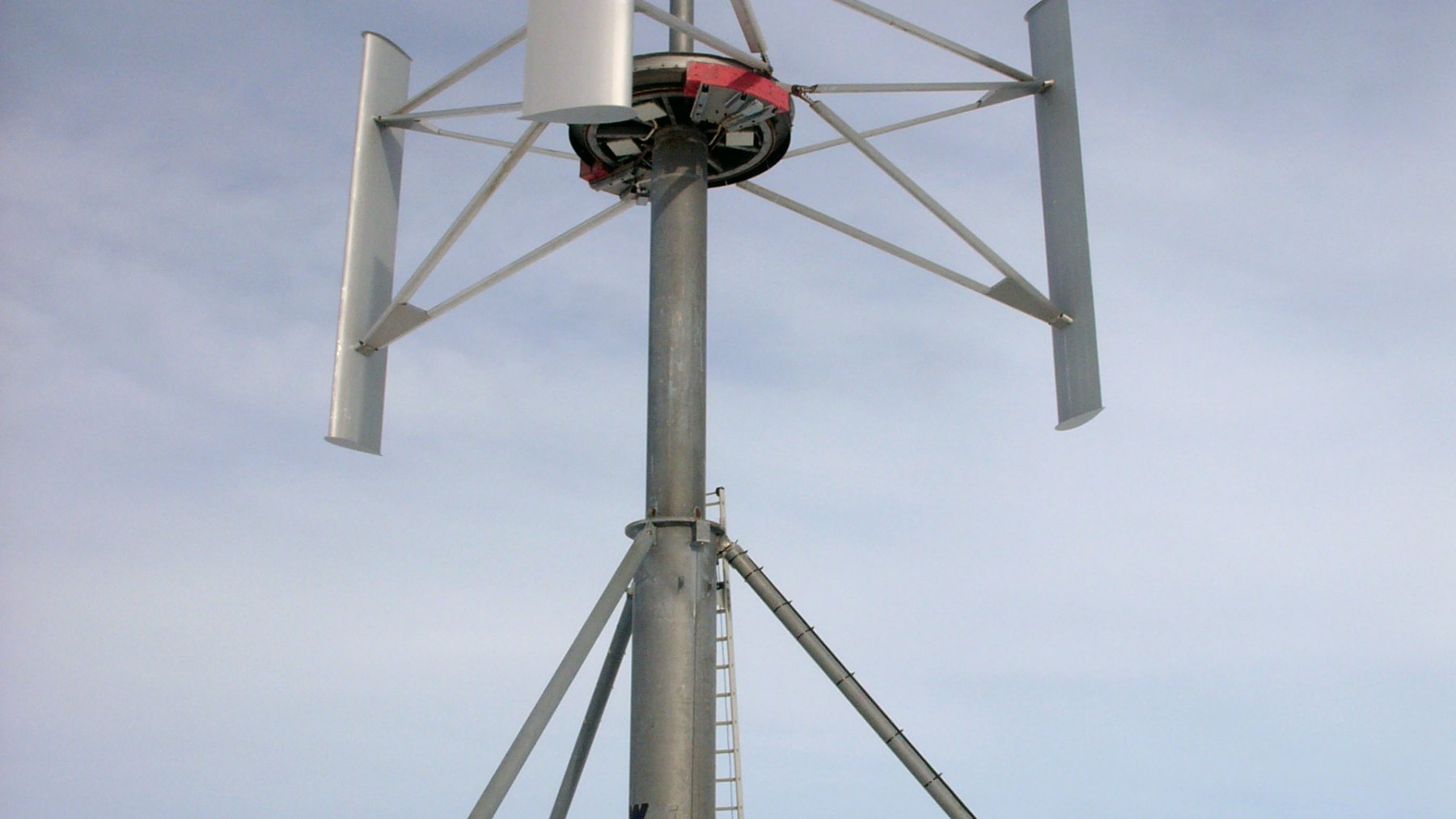
Technological advancements will enhance the efficiency and production capacity of hydrogen manufacturing processes. Windcatcher represents one recent technological development that features a turbine system installed as a floating wall to improve wind energy collection. The new advancements, together with the existing offshore wind farms, will boost the available electricity supply for hydrogen production. The North Sea industry could emerge as a top green energy sector supplier.
Europe’s 45,000-tonne challenge—why this won’t be easy to achieve
The promising prospects require multiple obstacles to be resolved. Implementing green hydrogen production facilities for 2030 in Europe remains limited since only minimal planned capacity has progressed beyond the initial stages. Technical issues combine with regulatory hurdles, high costs, and logistical challenges to form major obstruction points.
Multiple nations must work together to overcome different industrial regulations and handle differing priorities by investing significant effort and funds to achieve coordinated goals. The global fight against climate change and enhanced energy security can result from a transformation that needs to occur.
European achievement of policy promise transformation alongside resolving existing production problems could position Europe as a worldwide leader in hydrogen manufacturing. Such a setup where strong offshore wind farms combined with stable government backing will enable Europe to lead the global shift toward green energy.
The future of European energy: a bold new frontier in hydrogen production
The North Sea holds major potential to create hydrogen, providing Europe with essential opportunities for developing sustainable energy systems. Green hydrogen development in the region becomes more feasible due to its extensive offshore wind potential alongside established electrical production facilities. By exploiting its natural advantages for hydrogen energy production, Europe can reduce dependence on fossil fuels and reach carbon emission reductions.
Expanding hydrogen production on a large scale faces multiple obstacles during its implementation. Lack of funding for startup expenses, combined with regulatory barriers and the necessity of developing better electrolysis systems, will negatively affect its progress. The incorporation of hydrogen energy systems into current markets depends on deliberate planning and joint efforts between governments, industries, and scientific research facilities. The realization of success will depend on solving these obstacles by implementing specific policies and developing public-private collaboration systems.
Although numerous obstacles exist, the significant advantages of harnessing the North Sea’s hydrogen potential outweigh them. Through strategic investments in hydrogen-related technology and correct policy decisions, Europe can become a global authority in hydrogen energy production. Establishing the North Sea as a clean hydrogen energy center would boost European energy independence while opening doors for fresh economic prospects and breakthroughs in sustainable energy technology development.