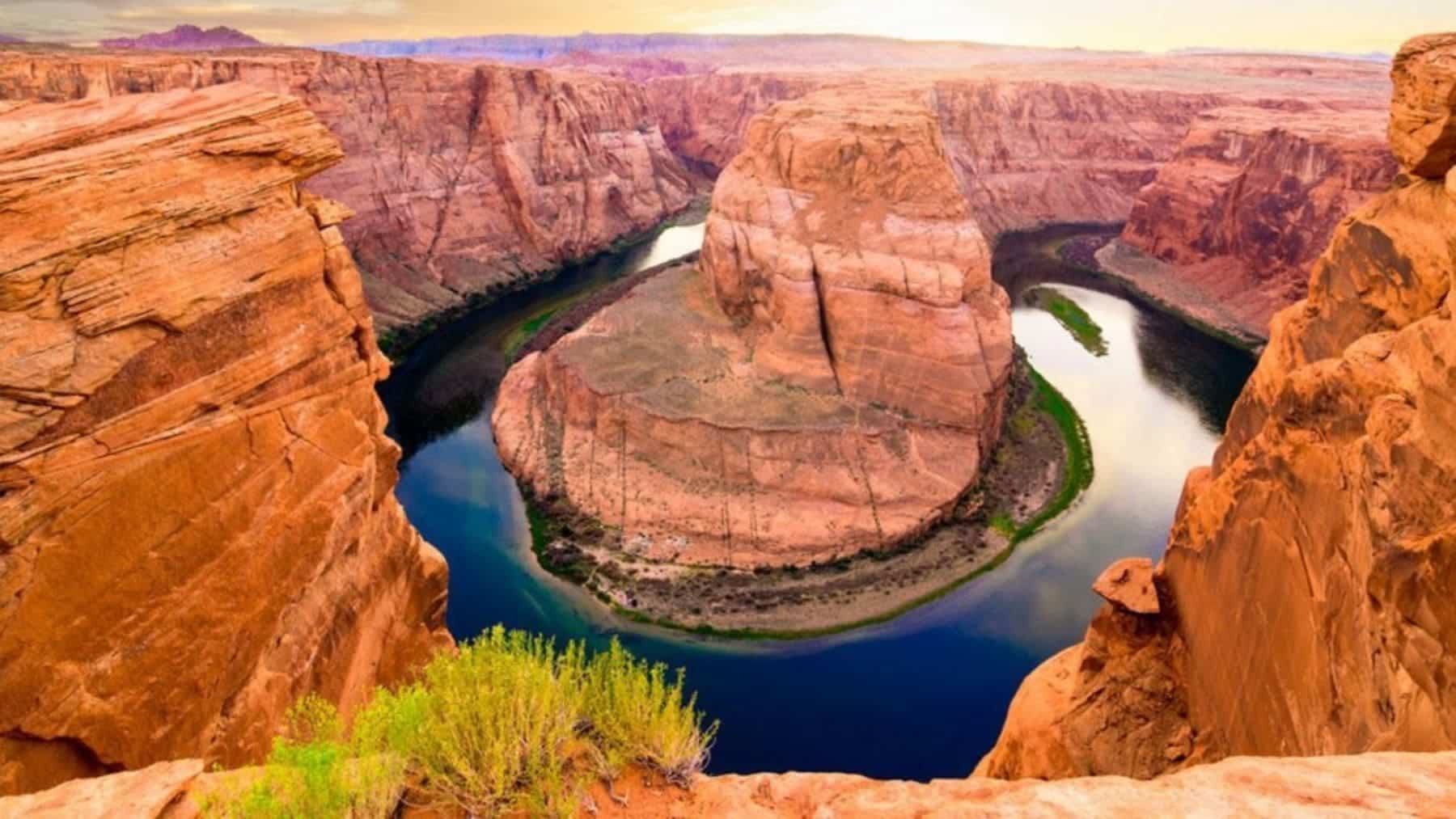
We won’t actually be saying goodbye to the Grand Canyon; however, we have to explore the looming danger that is posed by the uranium mining occurring just a few miles from its south rim. Experts are concerned about the Grand Canyon, which is seen as perhaps the most iconic natural wonder in the United States. Scientific studies show discoveries of mining operations affecting the groundwater that feeds the region’s ecosystems, as well as the area’s Indigenous communities. So, the worry is that we will be saying goodbye to the Grand Canyon, but as we have come to know and love it.
Sacred ground in the Grand Canyon is now shaky ground
Deemed sacred ground for the Havasupai Tribe, the Grand Canyon has long been one of the most scenic destinations in the world. The people who call the Grand Canyon region home are called the Havasu Baaja, which translates into “people of the blue-green waters.” These people have long enjoyed the privilege of beautiful turquoise waterfalls passing through their remote village. This beautiful waterfall that feeds the people is now under threat.
The Pinyon Plain Mine situated 10 kilometers away from this tribe’s home has started to extract uranium from 2024 and that too after over 10 years of legal disputes. The mine is located directly above the aquifer which supplies most of the water to the tribe. Many citizens are fearing for their health and are worried if the water is contaminated due to the mine’s activities.
It was during the Biden administration that the Baaj Nwaavjo I’tah Kukveni–Ancestral Footprints of the Grand Canyon National Monument was created to restrict new mining activities in the area. This Pinyon Plain Mine was grandfathered in under outdated federal law. That exclusion has made it possible for the mine to bypass the monument’s mining ban and continue its operations despite the ecological, scientific, and cultural backlash.
Scientific warnings and consequences
A permit was issued to Arizona’s environmental regulators stating that the thick rock layers around the site would protect the aquifer from contamination. However, scientists think differently. In a review featured in the Annual Review of Earth and Planetary Sciences, the area is far more hurt than it may seem.
Author Dr. Laura Crossey of the University of New Mexico blames the “highways” for the faults. Dr. Laura believes these highways are to be blamed for transporting water and contaminants between aquifers. As a result, the groundwater contamination would be drastic. These lower aquifer feeds the Havasupai’s springs as well as the wider Grand Canyon watershed and the Colorado River, which seems to be a lifeline for approximately 40 million people across the American Southwest.
Contamination results extending further than the water
Since uranium mining dangers are not restricted to groundwater contamination, critics feel many other risks come with Pinyon Plain Mine activities, such as:
- Contaminated water for animals and birds: Birds and animals drink and bathe in these ponds, and the toxins from the high levels of uranium and arsenic are dangerous for them.
- Health issues: Indigenous community members are believed to have experienced high cancer rates due to the history of uranium mining.
- Radioactive dust: Open ore piles cause the release of fine radioactive dust that gets transported by the wind to forests such as the Kaibab National Forest.
While the Grand Canyon is known for the billion-dollar discovery of uranium, it is also in the limelight due to the damage that uranium mining seems to be causing.
Sustaining the place’s soul
It is scientists like Crossey and hydrogeologist David Kreamer who have insisted the Arizona governor takes back the mine’s permit to ensure that better groundwater data can get collected. The argument put forward is that this mining risk isn’t worth taking.
The fight isn’t about uranium mining but securing the soul of the place that has been beautiful for communities like the Havasupai people. It’s a fight to prevent us from losing the Grand Canyon as we know it and all it stands for.