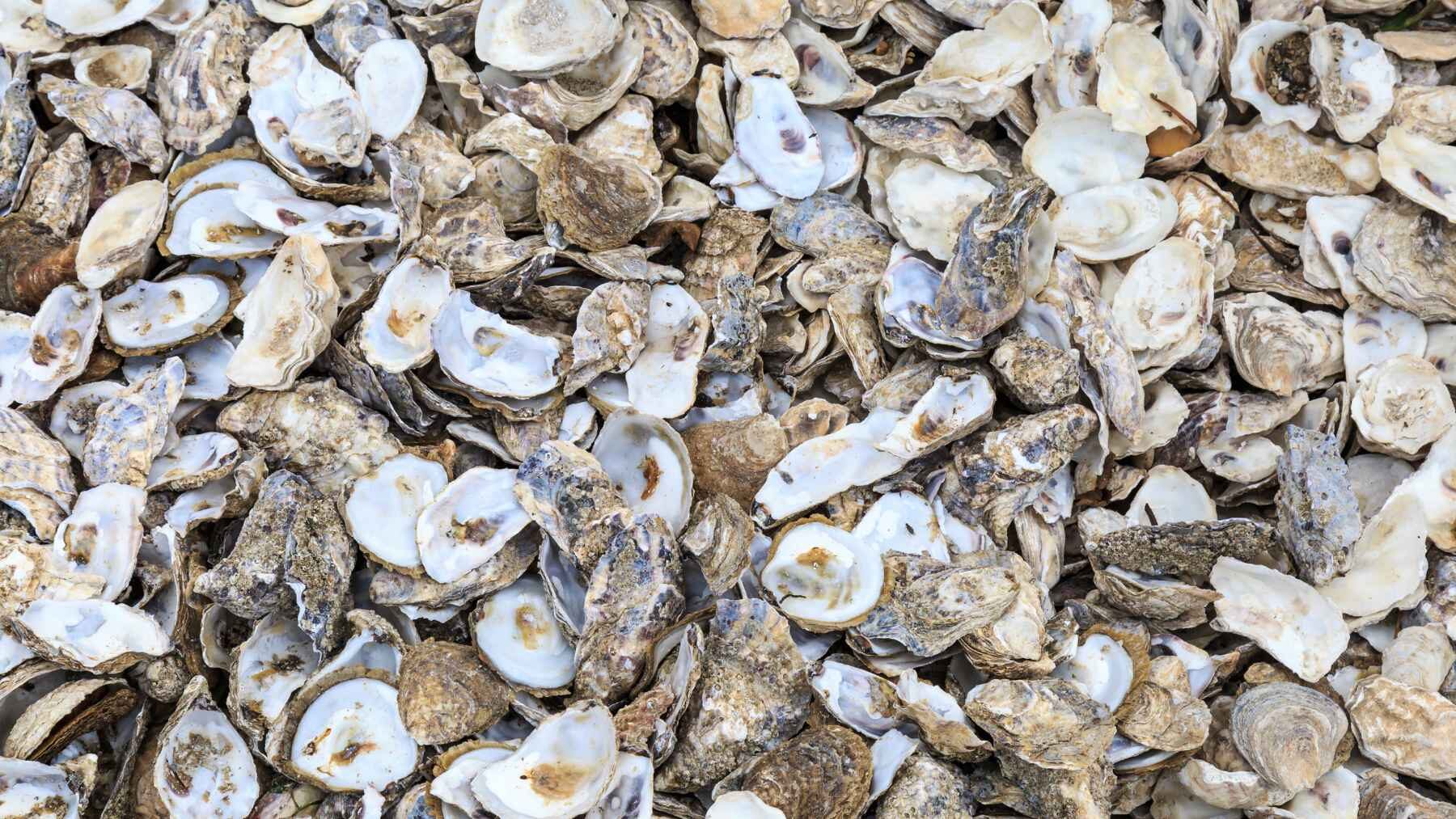
Several Florida communities have found a better place for oyster shells than the compost bin or garbage can. By collecting, curing in the sun, and returning to carefully selected coastal sites, they can give young oysters the surface needed to build reefs.
That restoration story is real, but the viral version has raced ahead of the evidence. Primary records show local programs and measurable reef results, yet they do not establish that Florida placed 500,000 tons of restaurant and processor shells into the Gulf from 2007 to 2024 or that the effort alone restored fish, turtle, and dolphin populations to 25-year peaks.
Where the 2007 date came from
In 2007, the National Oceanic and Atmospheric Administration’s (NOAA) Community-based Restoration Program and the Southeast Aquatic Resources Partnership formed a regional partnership for marine and migratory fish habitat across nine southeastern states. The program page says the partnership funded 23 projects, including a St. Johns County shell recycling and living shoreline effort on Florida’s Atlantic side, not one statewide Gulf campaign.
NOAA’s Gulf initiative, described in its official release, is also regional. A $5 million award to Restore America’s Estuaries supports five established recycling programs in Louisiana, Florida, Alabama, and Texas, with Tampa Bay Watch and the Pensacola and Perdido Bays Estuary Program named as the Florida partners.
From dinner plate to restored reef
Restaurant staff place shucked shells in dedicated containers instead of the trash, and crews move them to a curing site. In Florida, UF/IFAS recommends at least three months outdoors to eliminate harmful bacteria and remove leftover meat and tissue before any shell is deployed.
After curing, restoration teams place the material in coastal areas with suitable conditions and a history of oyster habitat. The goal, as Michael Biros of the Coalition to Restore Coastal Louisiana told NOAA, is to “close the loop so that shells go back in the water,” not tip untreated food waste into open water.
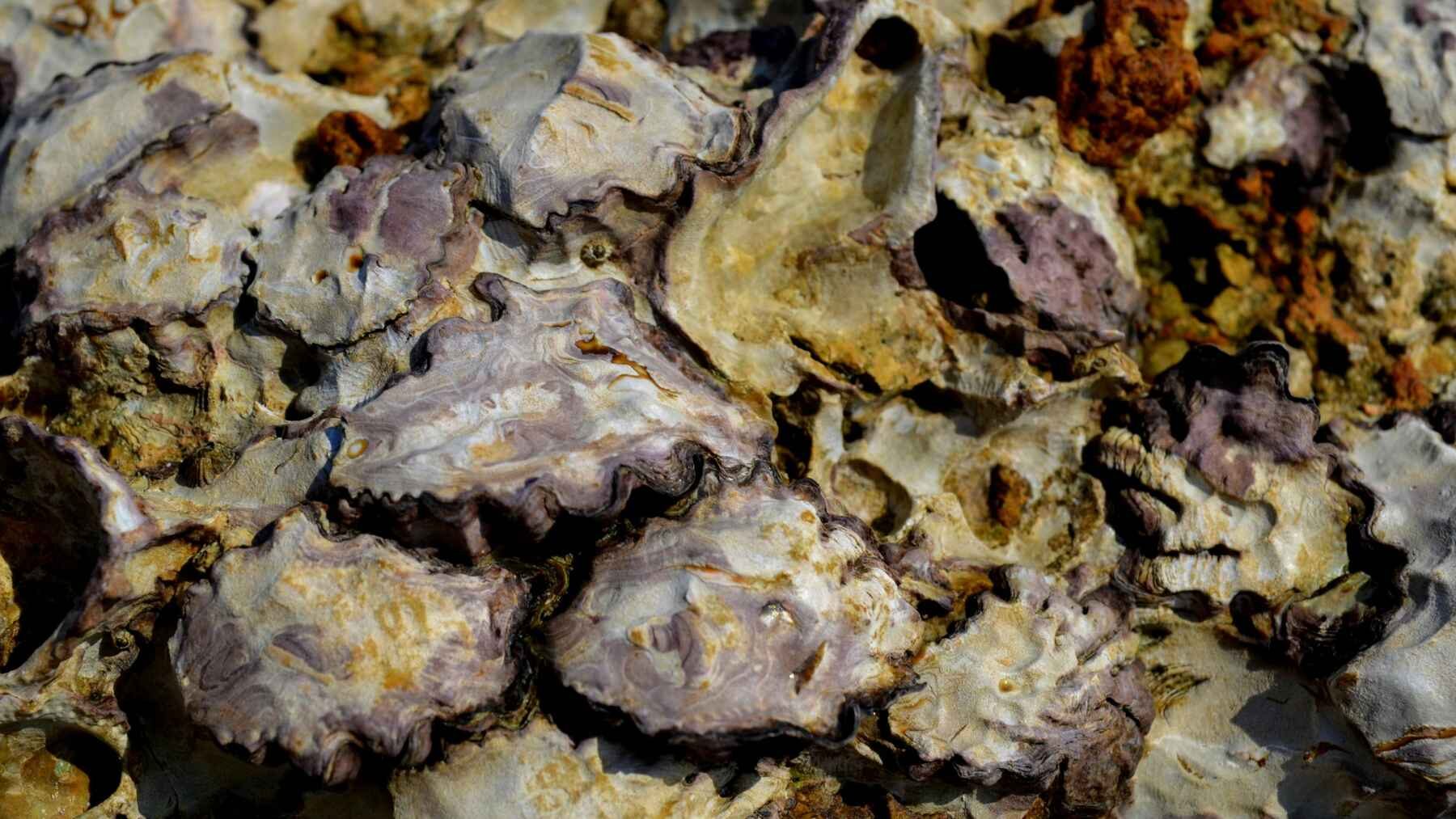
Why is the shell so valuable?
A baby oyster, known as spat, cannot establish a reef on soft sand or mud without firm material to attach to. Recycled shells are especially useful because their texture and chemical cues encourage settlement and retention, helping a new reef get started.
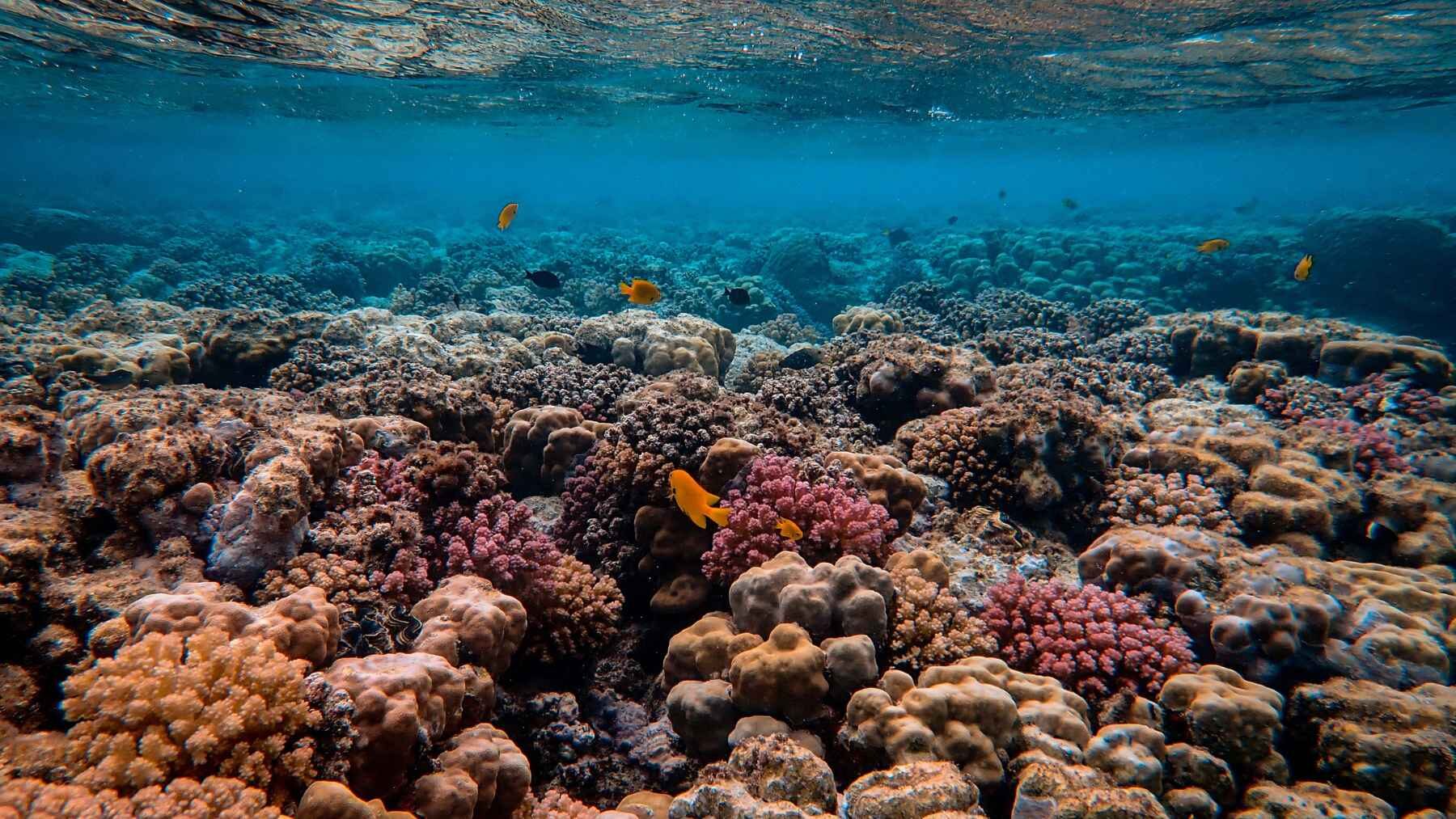
Once oysters take hold, the reef becomes a three-dimensional neighborhood full of cracks and shelter for fish, shrimp, crabs, and other organisms. NOAA describes these reefs as habitat and nursery grounds for many commercially and recreationally important species.
Cleaner water, but no magic fix
Under favorable conditions, a single adult oyster can filter up to 50 gallons of water a day, removing algae and suspended particles. UF/IFAS notes that field rates can be far lower, often 3 to 12.5 gallons, depending on temperature, salinity, oxygen, and other local conditions.
Oysters can also help process excess nitrogen through filtration, burial, and denitrification, which may ease some of the pressure behind algal blooms. But experts stress that reefs are one tool, not a substitute for stopping nutrient pollution at its source.
Florida’s verified numbers
The local figures are impressive without inflating them. Pensacola’s Oyster Alliance reported just over 25 tons collected from four restaurants by October 2024, while an earlier EscaRosa OysterCorps effort reported 57.75 tons in its first year.
Farther south, CCA Florida reported that 130 tons of recycled shell had been deployed in Turtle Bay by May 2025. On the Atlantic coast, the Florida Oceanographic Society says its restoration work has created nearly 60,000 ft.² of reef with help from more than 2,400 volunteers and 20 restaurant partners.
The strongest proof is in the monitoring
A 2026 update hosted by the Florida Fish and Wildlife Conservation Commission provides the kind of evidence the viral story lacks. By fall 2025, monitors at the Pensacola East Bay project estimated 164 live oysters per square meter, found 93% of counted oysters alive, and recorded species including spotted seatrout, Gulf menhaden, blue crab, croaker, and pinfish.
The same update was refreshingly cautious. Recruitment of other species was described as mixed, filtration results were still pending, and researchers said they could not yet attribute nearby seagrass gains to the reefs.
The real takeaway
Florida’s shell recycling movement is not one giant miracle project. It is a patchwork of restaurant pickups, smelly curing piles, volunteer workdays, careful site selection, and years of monitoring, which is less dramatic than a viral headline but far more useful to coastal communities.
Save the shell, place it carefully, measure what happens, and let the data tell the comeback story.
The official monitoring update was published on the Florida Fish and Wildlife Conservation Commission website.