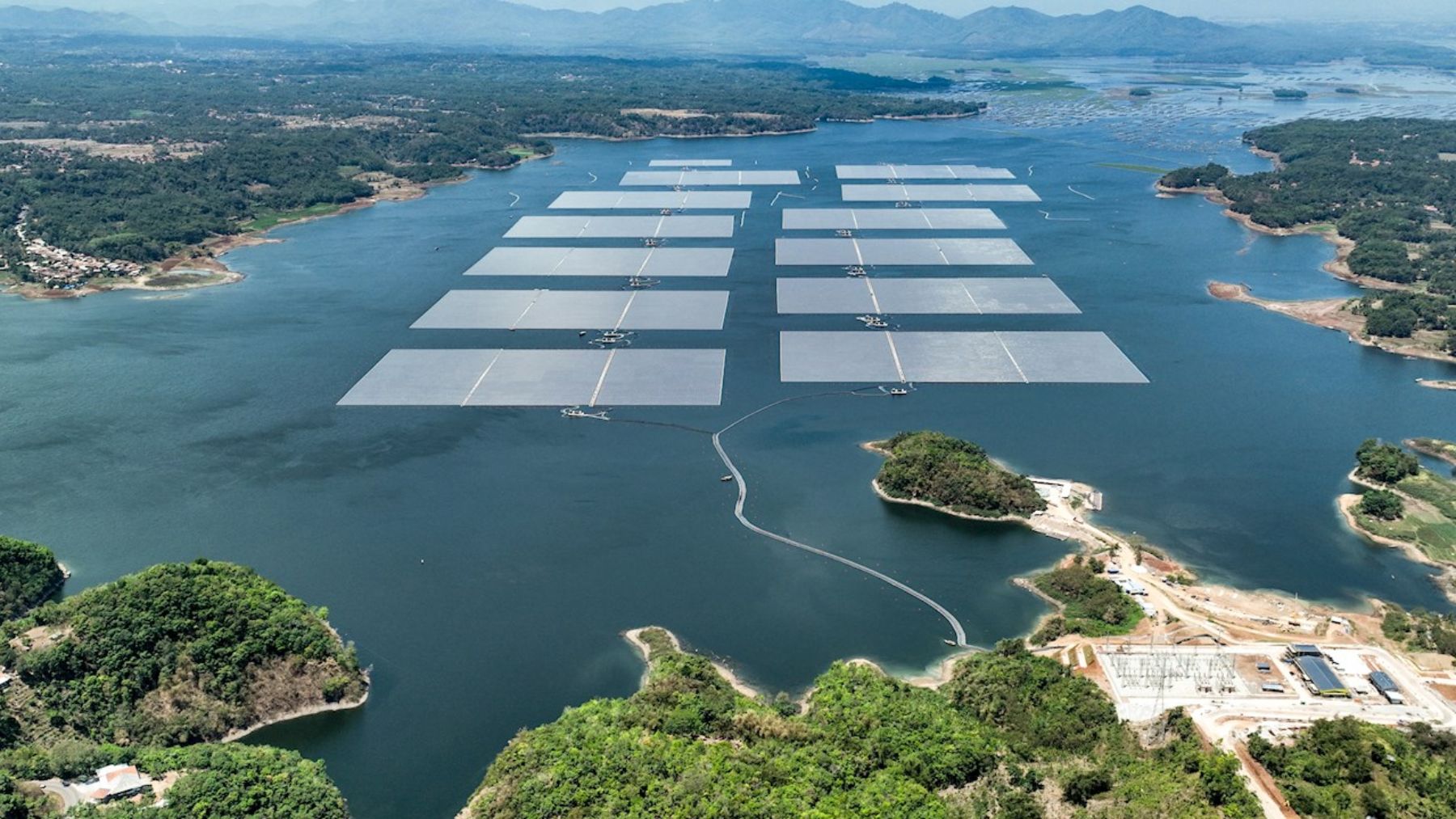
In recent years, the entire world has been seeking to diversify its energy mix, with the main focus being on renewable energy. Of course, Indonesia and China are no exception. It is no surprise that they have just signed the alliance of the century. The focus is now on solar energy, which in particular has gained prominence as a viable and promising alternative for the energy future, especially in Indonesia.
Indonesia and China have reached a common denominator
Indonesia has been showing a growing commitment to sustainability and energy transition for some time now. This is because the country is on an energy transformation journey. Of course, the goal is to meet the growing electricity demand and reduce its dependence on fossil fuels. And that’s where solar energy comes into play. Why? Well, with a vast landmass and a tropical climate that is favorable to solar generation, the country has enormous potential to become a leader in solar energy production throughout the Southeast Asian region.
However, until now, Indonesia’s solar production capacity has been very limited. After all, its annual production of solar panels was only 1.6 GWp, which is insufficient to meet the growing demand. However, a surprising partnership has emerged. We recently launched a project in partnership with LONGi, a Chinese giant, which aims to significantly increase this capacity, allowing the country to position itself as a major player in the solar energy market.
What is this alliance of the century all about?
And what kind of big project is this? Well, Indonesia is about to build a new solar panel factory with high production capacity. It is worth mentioning that it will be built in Deltamas, in the province of West Java. And this is not just any project, you know? The technology involved is LONGi’s HPBC 2.0, one of the most advanced currently. And more than just boosting national production, this partnership with China promises to strengthen the entire clean energy chain in the region. The goal is to reach 1.4 GW and, as a bonus, pave the way for Indonesia to become a reference in solar energy in Southeast Asia.
Did you think it would stop there? On the contrary, the idea is for this factory to be the basis for even greater growth in the renewable energy market in the country and beyond. Which makes a lot of sense, since the demand for clean energy is increasing rapidly (it is no wonder that solar panels will be mandatory in all homes in this country from 2027).
Why call it the alliance of the century?
And why call this agreement the alliance of the century? Well, by joining forces with LONGi, Indonesia not only secures greater solar energy production capacity but also enters a new chapter in its energy history, now with a clear direction for the future. So much so that the country’s goal is to reach 17.1 GW of installed solar energy capacity in the next 10 years.
“This represents a long-term partnership to accelerate Indonesia’s clean energy future. By localising production, we aim to drive down costs, foster innovation, and create high-value green jobs, reinforcing our commitment to a net-zero world”, said Dennis She, LONGi Vice President
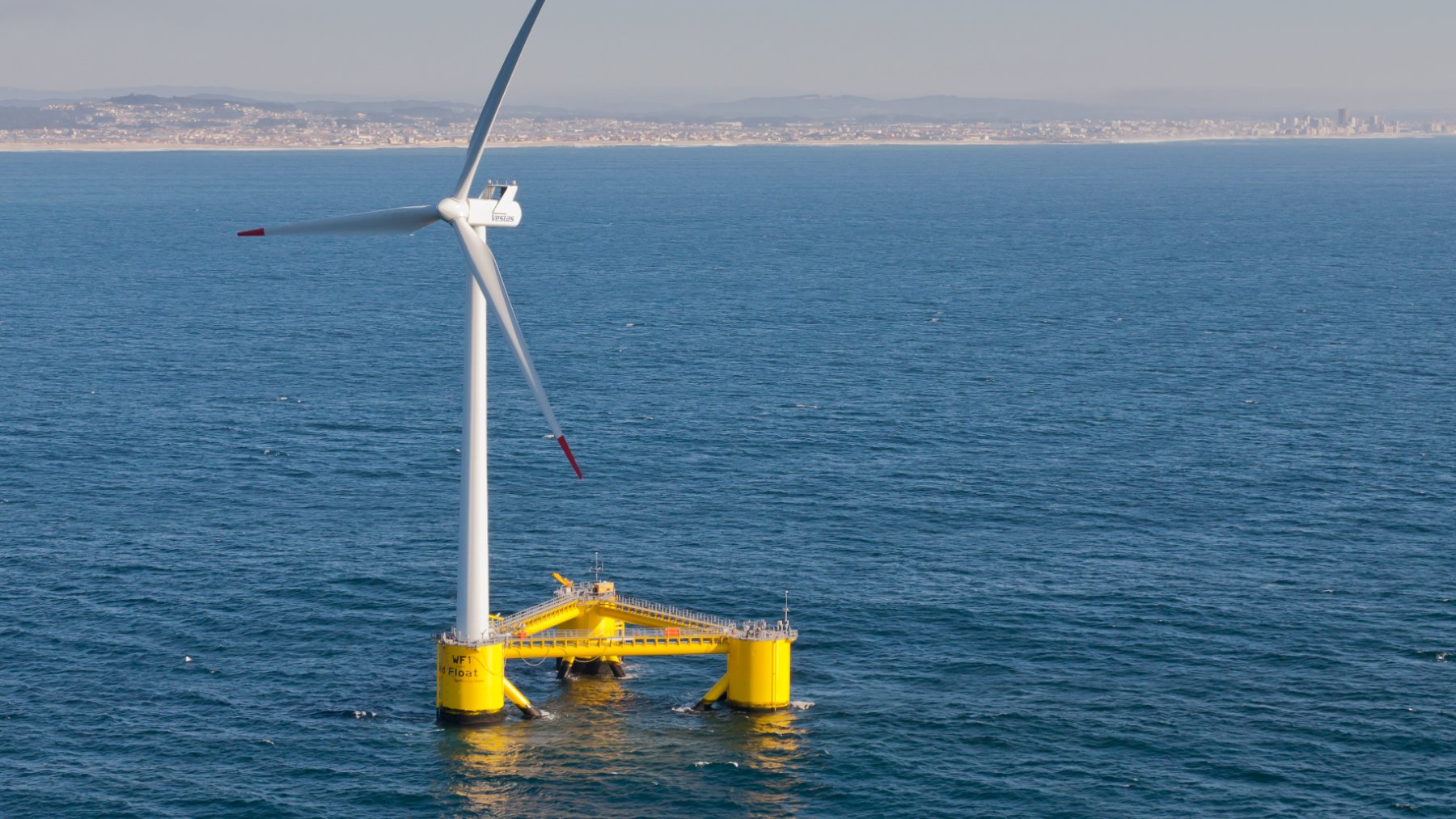
We must also remember that this alliance is strategic, as it is about to change the scenario of solar energy generation not only in Indonesia but in the entire Southeast Asian region. This is because solar energy is assuming an increasingly central role in the country’s energy policies, leaving behind traditional sources such as wind energy. Perhaps this alliance will come to compete with this agreement between Russia and China.
Disclaimer: Our coverage of events affecting companies is purely informative and descriptive. Under no circumstances does it seek to promote an opinion or create a trend, nor can it be taken as investment advice or a recommendation of any kind.