With the growing emphasis on sustainable energy solutions, the Dutch company introduces modern-day wind technology, in the form of the Liam F1 Urban Wind Turbine. With this new technology, it is set to change how homes and businesses leverage wind energy. Compact, effective, and noiseless, Liam F1 produces a more environmentally friendly alternative to regular turbines. But what really makes this windmill so different, and what makes it such a hot topic all over the world?
Urban fit wind turbine: Liam F1
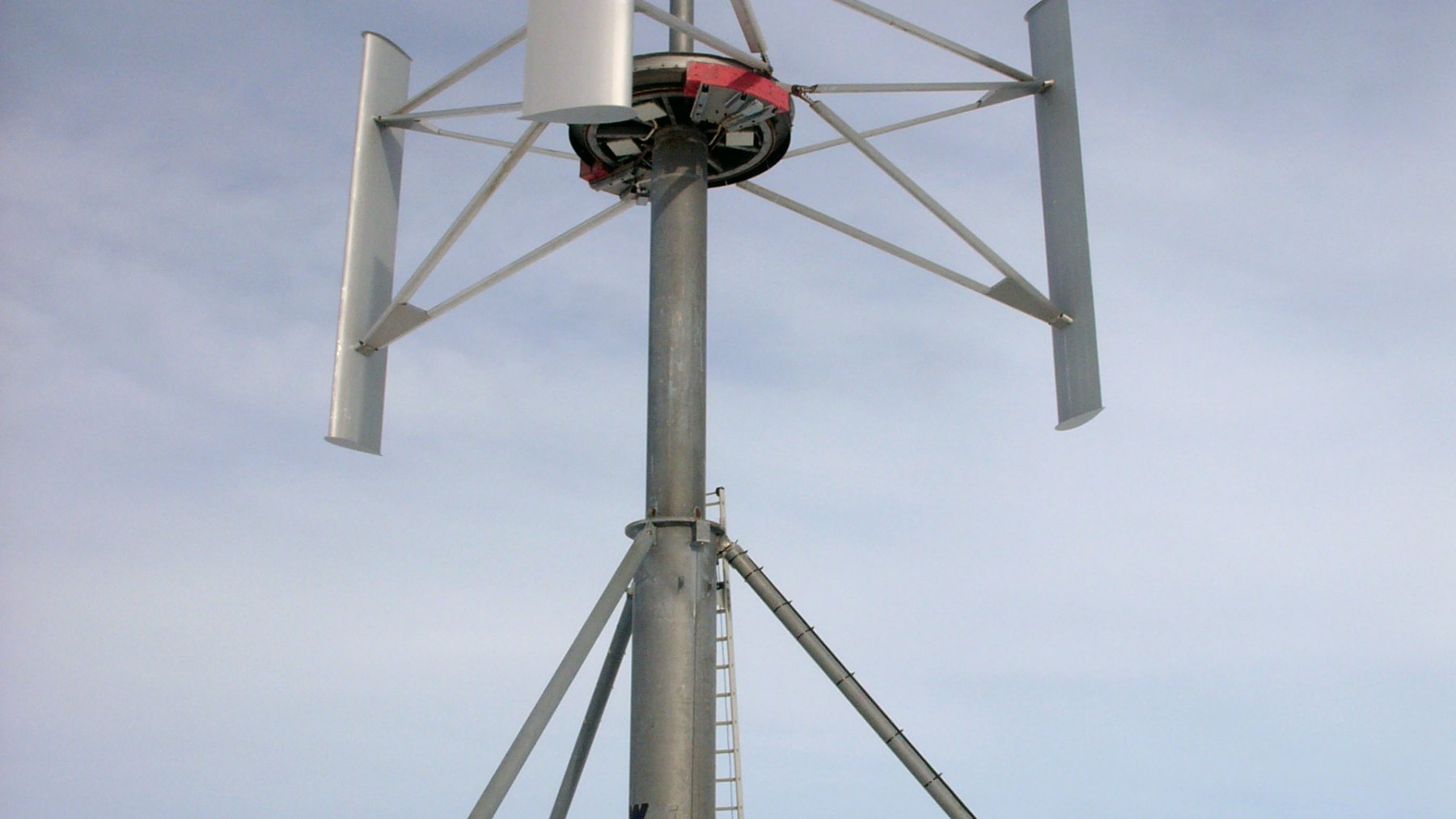
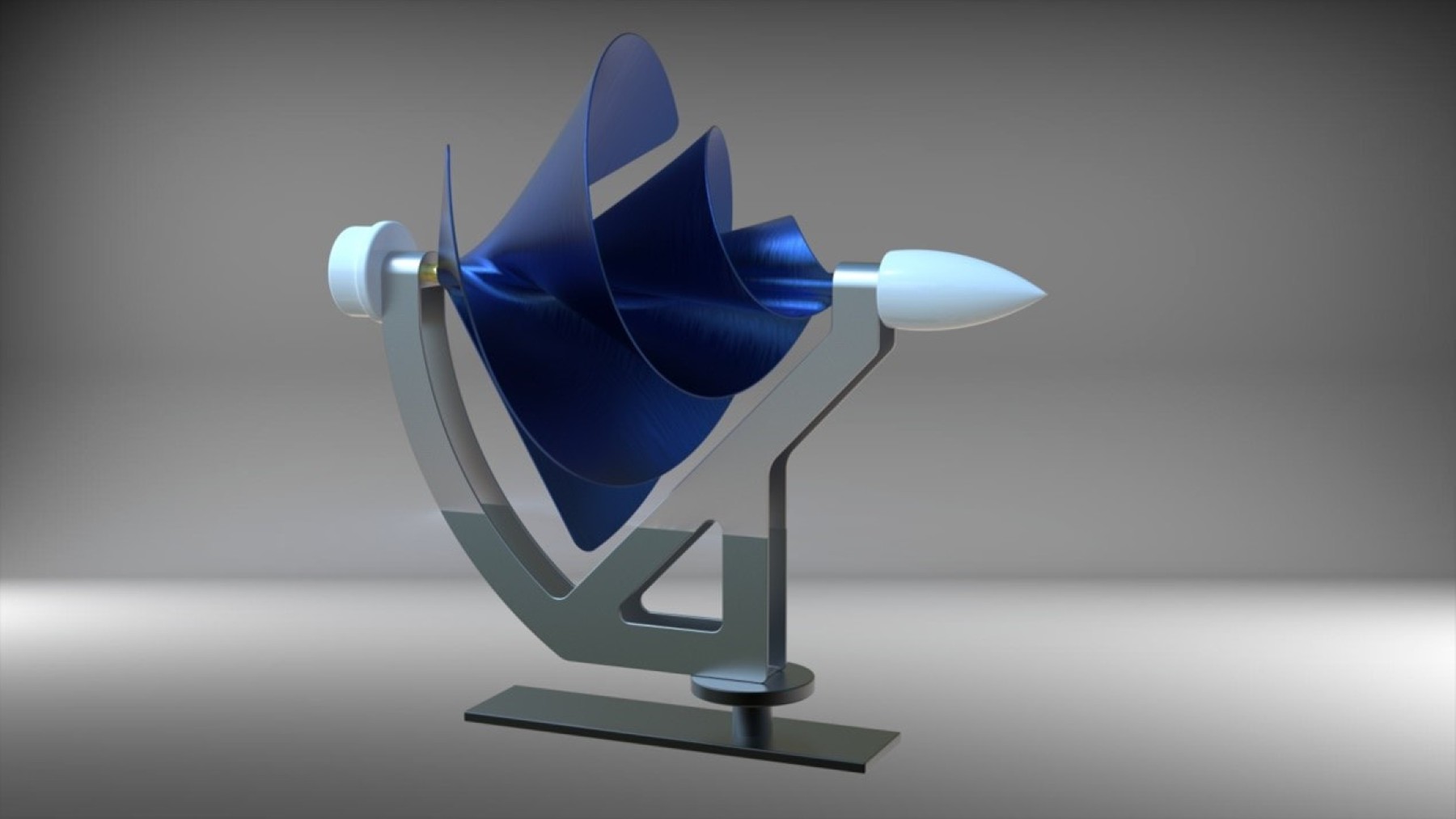
Liam F1 Urban Wind Turbine comprises a design engineered for urban areas, unlike other conventional wind turbines that are ineffective in most of these areas because they are turbulent. The design was inspired by nature and the theories of Archimedes; in fact, they are screw-shaped designs having an impressive energy density of up to 80% which is quite impressive compared with the actual 25% energy density of conventional turbines.
With a wind speed of 5 m/s, this unit can produce 1,500 kWh in a year, which is enough to supply energy to an average European household about half the year. These units are small enough to fit beautifully on rooftops and walls without the need for bulky poles or towers.
Its low cut-in wind speed of 2 m/s ensures good performance profile under variable winds in urban areas. Staying true to its promises, it is almost perfectly silent operationally unlike most standard wind turbines making it very conducive for residential settings where issues of noise pollution are paramount.
What makes the Liam F1 customizable and compact for every city?
It is also adaptable in its internal systems to be used in a town atmosphere. It comes in different colors, so it can fit into any existing architecture. Because it’s made to yaw naturally with the wind, complicated mechanical systems are not required, which basically means the innovation can be further enhanced in terms of its efficiency and reliability.
For efficient energy production, Liams can also be coupled with solar panels. This hybrid system would produce very consistent energy supply, offsetting intermittency from sunshine or wind. Mini-Liam is also a smaller version for those who cannot afford the larger space. It provides around 40% energy of its larger version.
At first glance, it seems like a very powerful flywheel system-independent system-the very rare feature, where the multiple Liams are arranged in a unique triangular alignment that permits every turbine to draw wind independently without interference from others. Not only this, but this will also enhance efficiency and create a scalable installation for higher energy demand.
Liam F1: Transforming urban wind energy across the globe
Since its launch, the Liam F1 has really gained worldwide popularity, with over 7,000 units already sold in 14 different countries. It highlights the growing market demand for quieter and more efficient wind turbines for urban, domestic use. Innovative technology with eco-friendly values- thus, the Liam F1 gives a standard for future energy solutions.
Again, the development of the turbines opens greedy doors for further innovations. In future, small versions suitable for boats and various applications would be added, tearing wind energy into new areas. As its inventors, The Archimedes state, “The Liam F1 is thus a durable symbiosis between technology and sustainability, a cleaner energy solution with a lower environmental impact”.
Not just a product, the Liam F1 Urban Wind Turbine is a promise toward a greener, more sustainable future in which it addresses the challenges of urban energy production and sets benchmarks in technology for wind turbines with high efficiency, quieter operation, and compact design.
As it is developed, households and businesses are gradually leaning away from old sources and getting greener energy options, showing innovations such as the Liam F1, the practicality and transforming the natures of renewable energy.