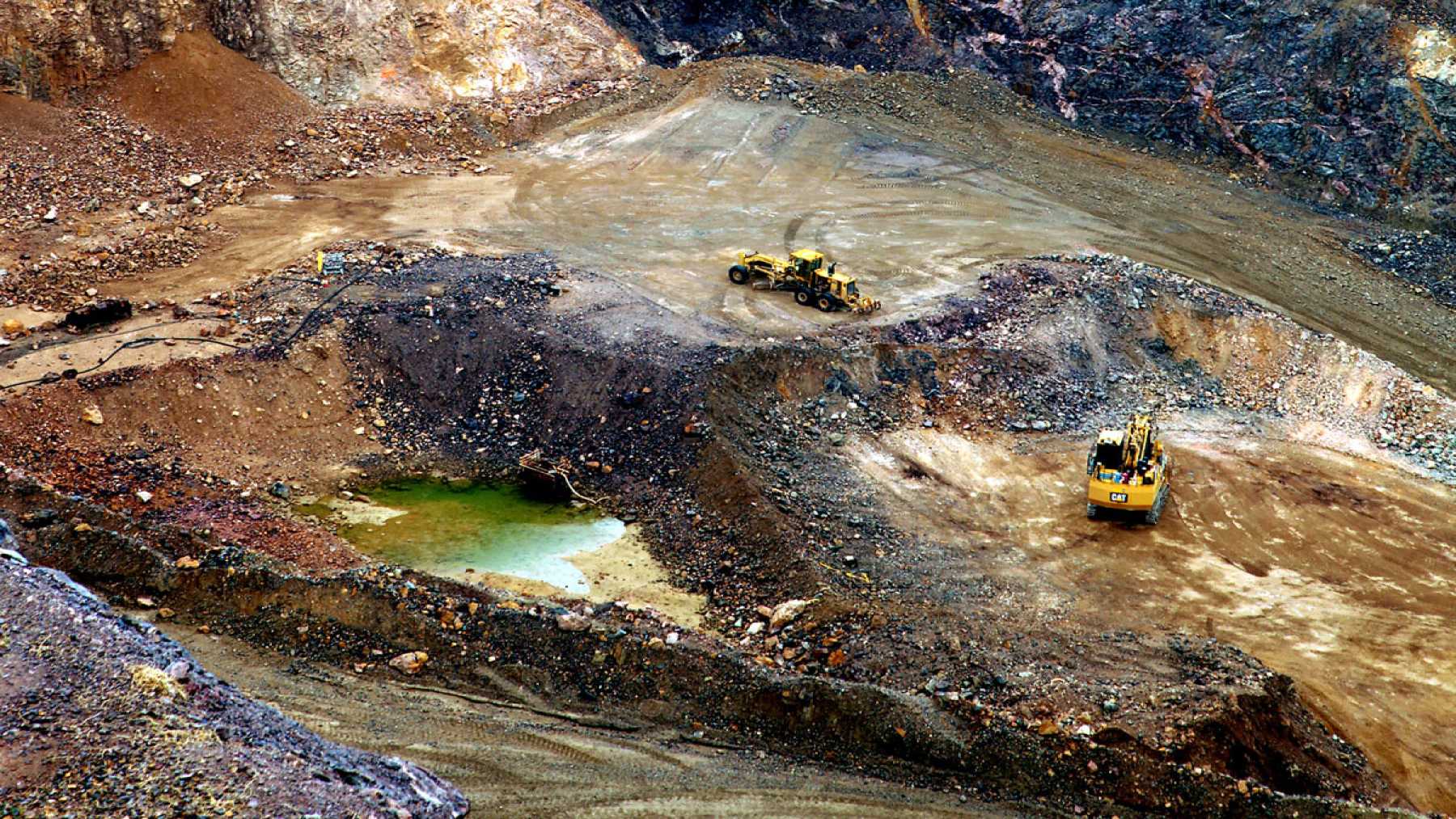
The Mountain Pass rare earth mine in California is a significant world market player that produces 20% of global rare earth output. The facility is a primary supplier to fulfill surging demands across modern technologies, particularly electric vehicles and renewable energy units. The operations at this mine have essential effects on modern high-tech sectors such as defense and electronics.
The fascinating history behind Mountain Pass Mine and its revival
Bastnaesite emerged as a rare earth mineral during uranium explorations of the Mountain Pass mine during the 1940s. The discovery proved essential since rare earth elements (REEs) are critical for contemporary advanced technology. Prosperity at the mine ended because of environmental factors and competing mining ventures. The year 2017 marked MP Materials’ purchase of the company to transform it into the essential component of the U.S. rare earth supply chain.
Since acquiring Mountain Pass in 2017, MP Materials has shown remarkable advancement in its mining operation at this site. The mine delivered its highest production of 42,499 metric tons of rare earth oxides in 2022, the most successful year since its operation began. This facility generates 14% of worldwide rare earth production volume, contributing to the international raw material supply. The mine sustains a global supply of rare earth materials because growing demand drives its production output upward.
Why rare earth elements are indispensable for our high-tech world today
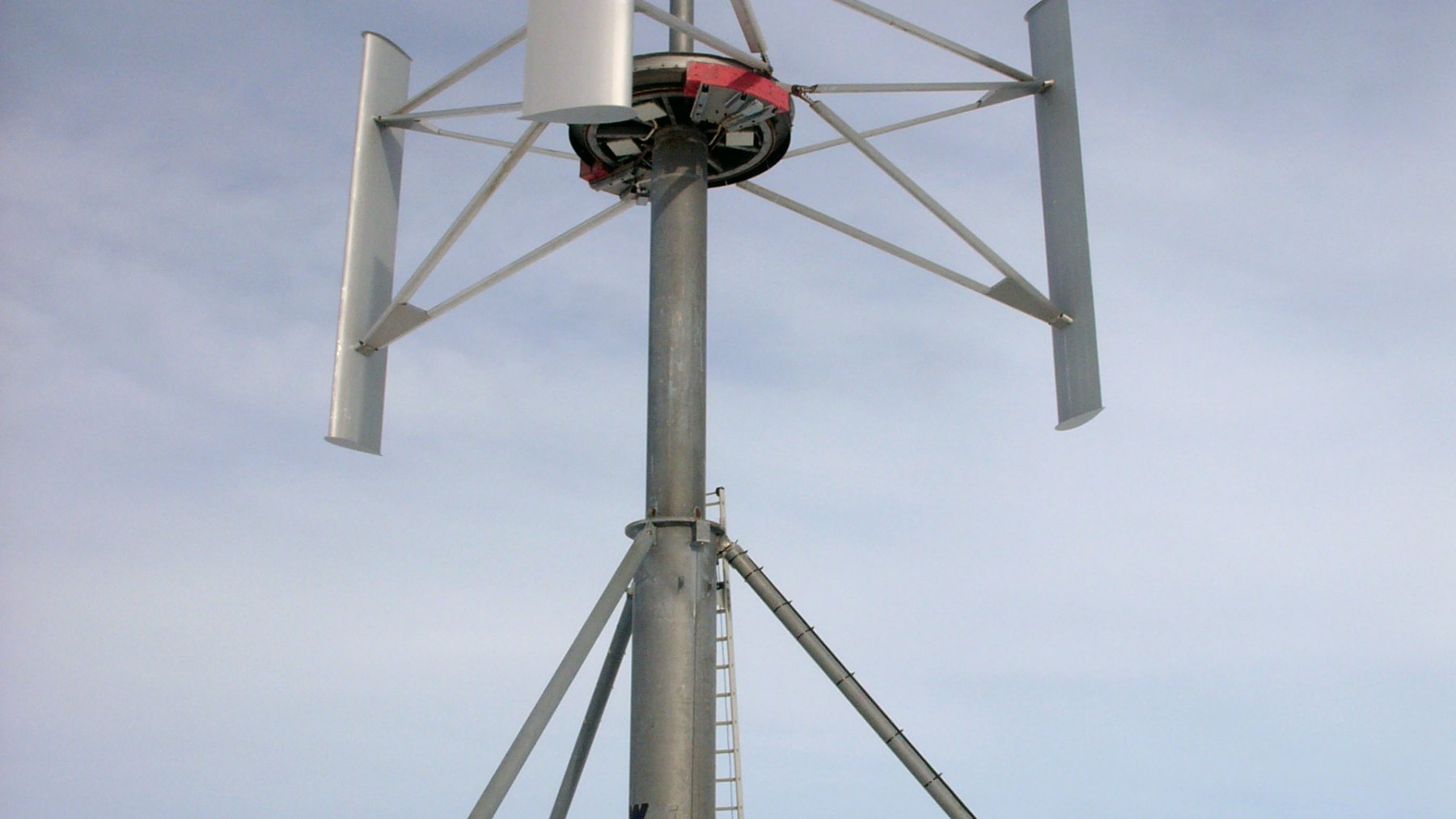
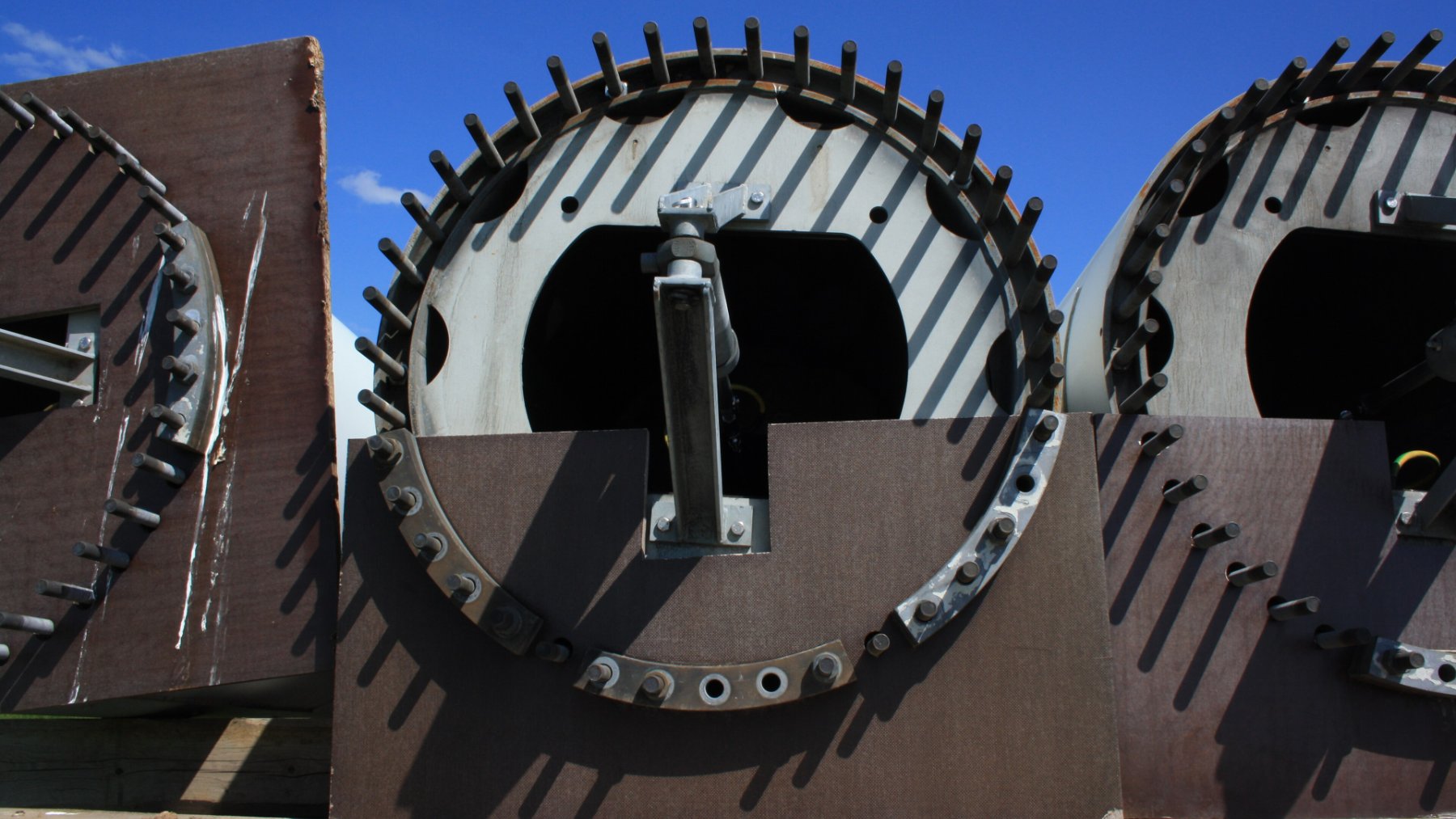
The technology industry depends on rare earth elements to function correctly in electronic products, renewable power systems, and military equipment. Their atomic structure enables powerful magnetic field generation better than all other elements, making rare earth elements necessary for magnets that power wind turbines, electric vehicles, and advanced defense equipment. These elements will be essential for sustainable technological development because rising demands exist for clean energy technologies and high-tech advancements.
The marketplace anticipates substantial growth in rare earth magnet purchases. By 2030, the U.S. EV sector might require six times the 2020 level of these magnets. Offshore wind power could welcome increased heavy material usage, which would expand from absolutely none to 10,000 tons over the next decade. The increasing market requirements indicate the necessity for reliable and sustainable operations of rare earth elements production.
Tackling the environmental challenges of rare earth mining and refining
Rare earth element extraction poses major environmental threats during its production stages. Historically, when operating rare earth mines, China became known for extensive pollution since it controls nearly all significant production worldwide. The Mountain Pass facility seeks to resolve environmental problems through greener practices. All water used at the facility gets recycled at this zero-discharge operation, and the facility works to reduce its waste output.
Industrial processes to isolate rare earth elements through separation remain difficult to execute and require many resources. MP Materials dedicates $700 million to creating its processing capabilities in the United States by constructing a Texas plant that manufactures EV components for General Motors. The investment plays a vital role in decreasing foreign dependence and creating stable raw materials availability.
The promising future of the Mountain Pass mine and the global rare earth industry
MP Materials’ efforts to revitalize and modernize the Mountain Pass mine are transforming the worldwide rare earth business. The company aims to establish a domestic supply chain spanning mineral mining activities through magnet production. This project receives backing from a $35 million U.S. Department of Defense contract to build heavy rare earth separation technology.
MP Materials’ achievements have had substantial impacts on the industry. A complete local supply chain network of rare earth elements enhances national security and facilitates clean energy progress while diminishing environmental effects. The economic prospects of U.S.-made rare earths will be influenced by market forces, even though the Mountain Pass mine maintains an essential position in the rare earths industry of the future.