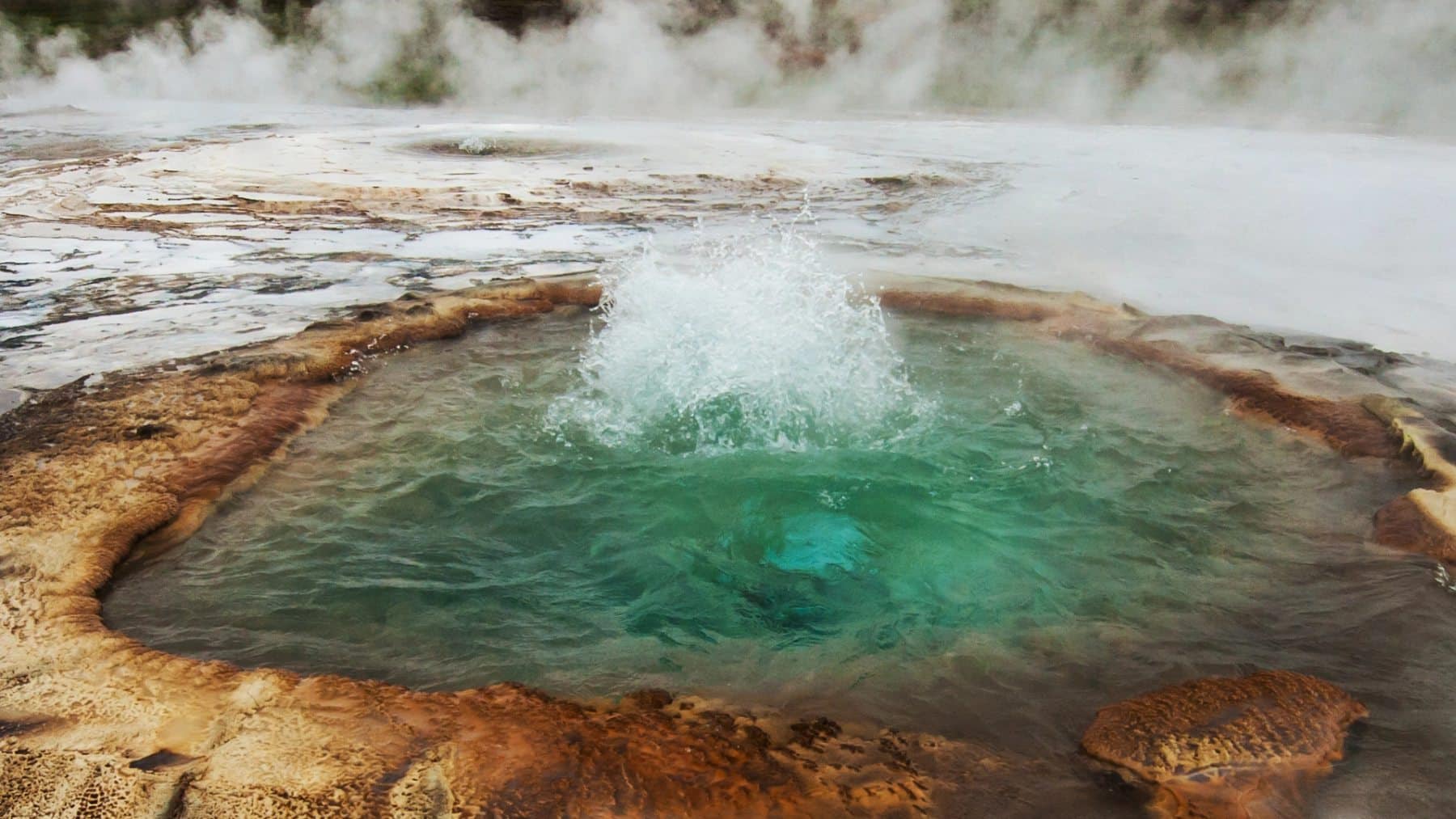
Something is fascinating about hot springs that attract tourists from all over the world, especially in areas of great geological significance. Not only do they offer a natural refuge, but they also exemplify the marvelous energy that comes from within the Earth. And it’s precisely this energy that’s generating debate in many regions, as society begins to look more closely at the possibilities of using geothermal power as an alternative to fossil fuels. The search for cleaner energy sources is taking center stage, and geothermal power is emerging as a promising solution. However, this energy transformation is threatening a natural resource that has existed for millennia.
A western state faces a choice: tourist hot springs or untapped geothermal power?
It’s worth noting that a certain state in the western United States has traditionally been known for its hot springs and tourist attractions, such as Mount Princeton Hot Springs Resort. This is because the hot springs that spring from this region have attracted visitors from all over the world to enjoy their therapeutic benefits, heated by natural geothermal sources.
What many don’t know is that the state, along with four neighboring states, has one of the largest geothermal energy deposits in the United States. Colorado is one of five western states that together possess 95% of the country’s geothermal potential, according to the Western Governors’ Association. This means the state has a huge reserve of clean energy at its disposal, with vast potential to be one of the solutions to the climate crisis we face.
Geothermal expansion at a crossroads: clean energy or the cooling of hot springs?
It’s worth noting that, while the advancement of geothermal energy is an important step toward sustainability, it’s generating significant concerns among hot springs operators. This is because these springs, which are a major tourist attraction and a source of income for many small towns, could be negatively impacted if the geothermal extraction process isn’t well-regulated.
Mount Princeton Hot Springs Resort, for example, relies on hot springs heated to over 80°C (186°F) to attract tourists. However, a proposed geothermal plant project less than two miles from the resort has raised significant concerns. The risk is that drilling for heat extraction could alter the natural dynamics of the hot springs system, cooling the waters and harming tourism (which reminds us of this breakthrough in Earth’s deep thermal energy). This same concern has been observed in other countries, such as Japan and New Zealand, where the construction of geothermal plants has resulted in the loss of important hot springs. Other risk factors identified include:
- Cooling of springs: Changes in water temperature can occur.
- Impacts on tourism: The hot spring ecosystem is vital to the local economy.
- Global examples: Cases where geothermal exploration has harmed natural springs.
Who gets priority: geothermal power or the guardians of hot springs?
In response to growing resistance from hot springs operators, the state has sought to balance clean energy development with the preservation of natural resources. It’s worth highlighting recent legislation, such as SB23-285, which seeks to ensure that geothermal energy projects are properly overseen, especially those involving deeper drilling.
Even so, many operators still believe there isn’t enough legal protection. They argue that, as with water rights, if a geothermal project negatively impacts hot springs, operators should have the right to immediately stop extracting energy. The debate over how to protect these essential resources continues, and the future of geothermal power in Colorado will depend on finding a balance between energy innovation and conservation. Perhaps this debate could even involve Meta’s CEO, since Zuckerberg wants to reach the Earth’s core.