Europe
ITER – racing to achieve fusion, rivers shrinking due to droughts, and ancient DNA revealing that hunter gatherers persisted for much longer than previously thought in certain areas of Europe. Individual countries have their own pages for specific stories.
45 stories · since 2025 · latest, November 10, 2026
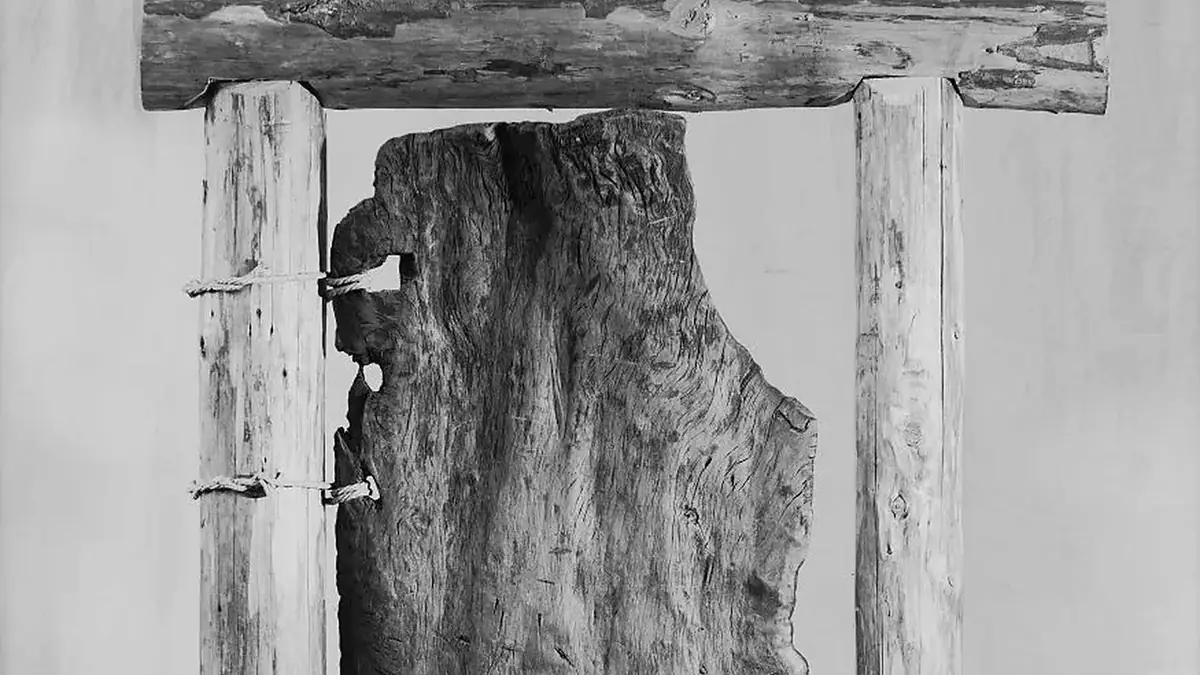
A farmer digging in a Swiss marsh took a 5,500-year-old board for a box lid or a bench, and it turned out to be one of the oldest preserved doors in Europe
A fir door from around 3,700 B.C. ranks among the oldest preserved doors in Europe, according to the National Museum Zurich. Jakob Messikommer, a farmer…
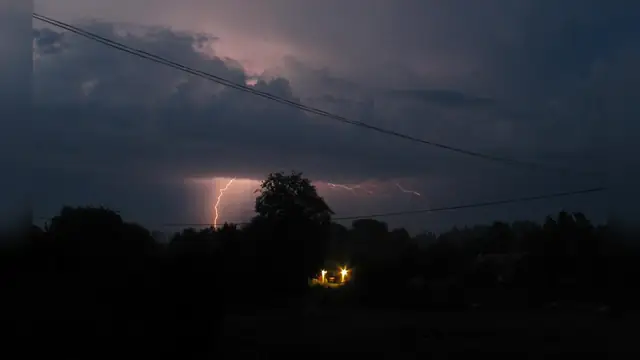
About 9 million lightning flashes recorded over northern Europe from 1998 to 2019 show extreme lightning days came roughly twice as often during high-speed solar wind, and storm clouds still had to come first
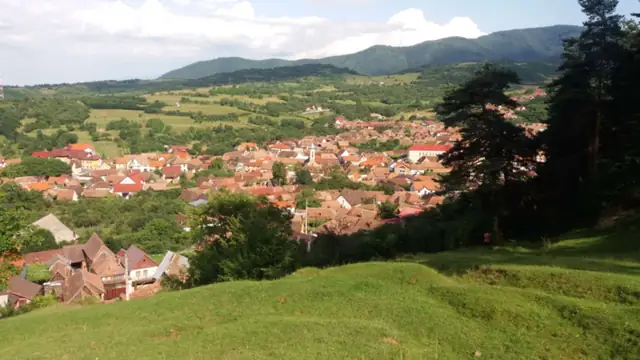
A company won a mining license for a magnesium deposit it estimates at more than 50 million metric tons near Rășinari, in Romania’s Sibiu County, and the EU gets 97 percent of its magnesium from China
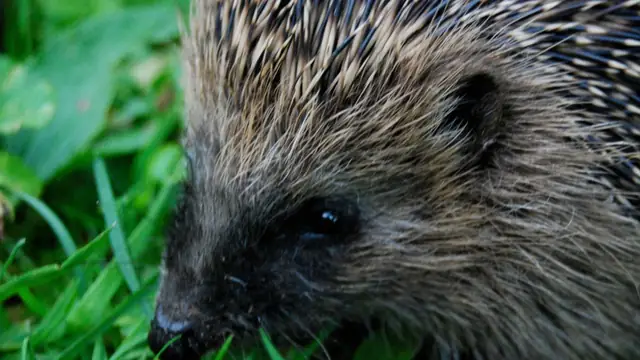
In gardens across Britain and Europe, a dark dropping up to 2 inches long can be hedgehog poop rather than a rat sign, and the Mammal Society says shiny insect fragments give it away
Many hedgehogs cross a lawn at night without being seen, but plenty of people find the dark little sausage it leaves on the patio and assume it came from…
ECOnews Newsroom · October 18, 2026
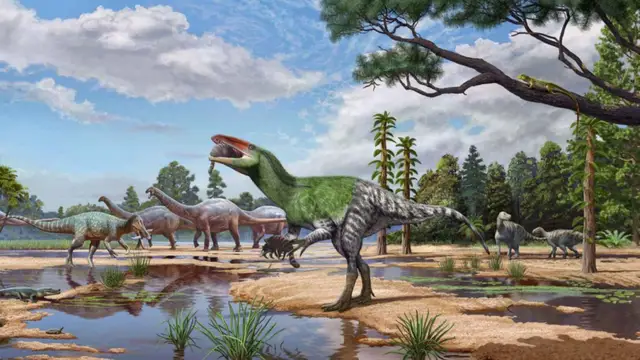
London’s Natural History Museum kept a skull fragment bought in 1924 in a drawer for nearly 100 years, and it turns out to be a new dinosaur species, Europe’s first known megaraptoran
Sometime before 1924, an amateur fossil hunter named Reginald Walter Hooley picked up a worn piece of bone at the foot of a cliff at Sudmoor Point, on the…
Adrian Villellas · October 17, 2026
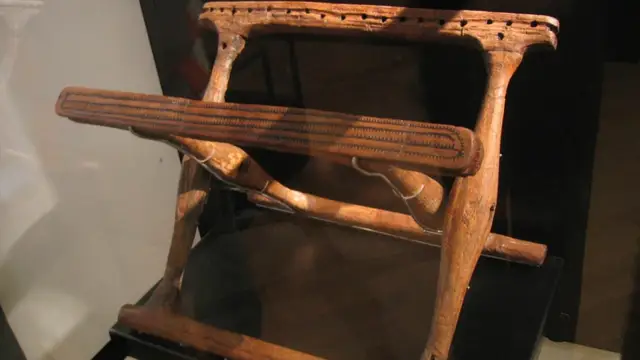
In a Danish burial mound in 1891, archaeologists found a 3,400-year-old Bronze Age folding chair, the only completely preserved chair from Bronze Age Europe, and its finder wondered if it was a table
In July 1891, in the rain, archaeologist Vilhelm Boye opened a plow-damaged burial mound near Vamdrup in southern Jutland, and the National Museum of…
ECOnews Newsroom · October 15, 2026
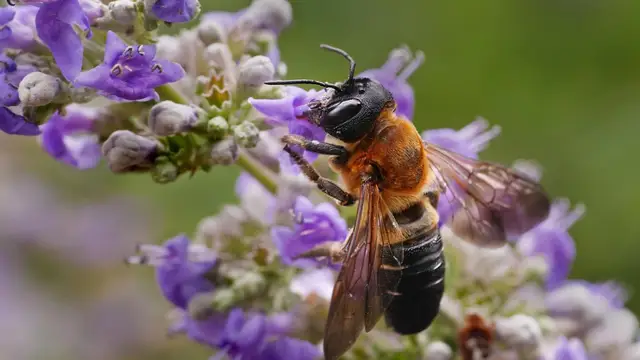
Researchers in Catalonia mapped 150 records of the giant resin bee, the first non-native bee reported in Europe, and found an ornamental street tree mattered at least as much as climate
Somebody with a camera in Malgrat de Mar, a little beach town up the coast from Barcelona, caught a female giant resin bee in July 2024 with her head…
Adrian Villellas · October 13, 2026
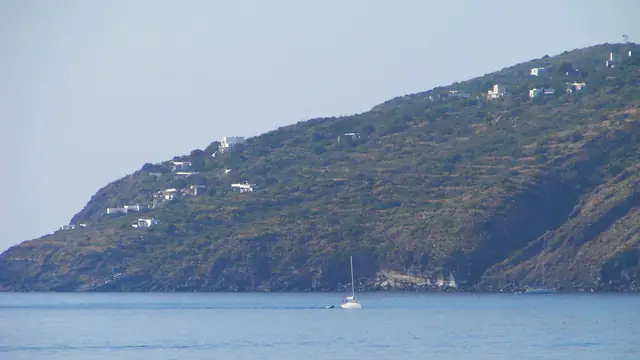
A village of a few dozen winter residents on Stromboli reopened what Italian media call the smallest school in Europe for one 6-year-old girl, and her mother says the alternative was splitting the family
On September 10, 2026, a 6-year-old named Aysha went off to her first day of school in Ginostra, a tiny hamlet on the side of the Stromboli volcano, with…
Adrian Villellas · October 11, 2026
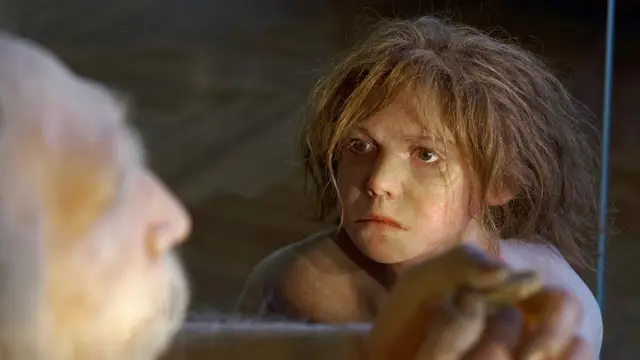
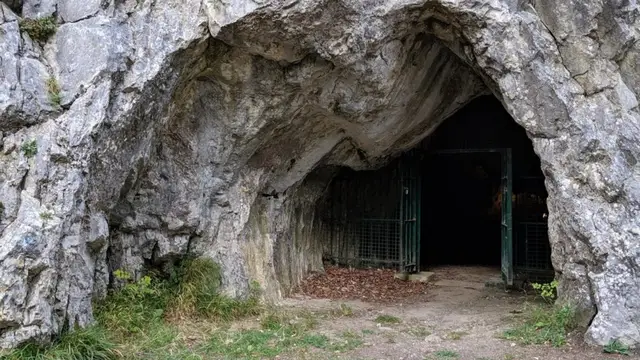
Max Planck scientists read DNA from 27 late Neanderthals in Belgium and France and found no sign of recent Homo sapiens ancestry, even though both lived in Europe at the same time
Neanderthal bones from ten sites in Belgium and France, with a focus on caves in Belgium’s Meuse Basin that were mostly excavated in the 19th century,…
ECOnews Newsroom · October 7, 2026
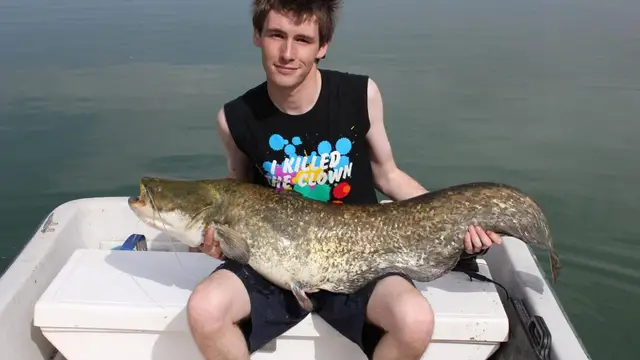
An angler on Poland’s Vistula River pulled in a wels catfish 7 feet 8 inches long and about 198 pounds on her birthday trip, and after a quick photo she let Europe’s largest freshwater predator go
Some fishing trips end with a couple of perch and a sunburn. Others end with a fish longer than the angler is tall. That’s what happened on Poland’s…
ECOnews Newsroom · September 30, 2026
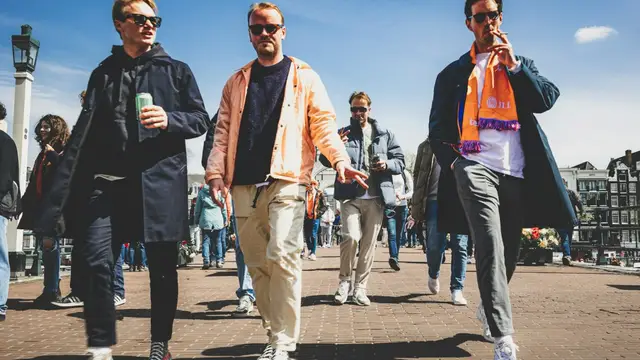
Dutch men grew about 20 centimeters in 150 years, going from among Europe’s shortest to its tallest, and a simulation shows natural selection explains less than half a centimeter of that change
Dutch men gained roughly 20 centimeters, or nearly 8 inches, in average height over about 150 years, helping transform one of Europe’s shortest…
ECOnews Newsroom · September 20, 2026
Ancient DNA from Belgium and France suggests Europe’s last Neanderthals were not isolated, inbred groups slowly dying out, and none of their genomes show recent modern human ancestry even though our species had already arrived in the region
Ancient DNA from Belgium and France challenges the idea that Neanderthals faded away as isolated, increasingly inbred groups. Researchers found signs of…
ECOnews Newsroom · September 18, 2026
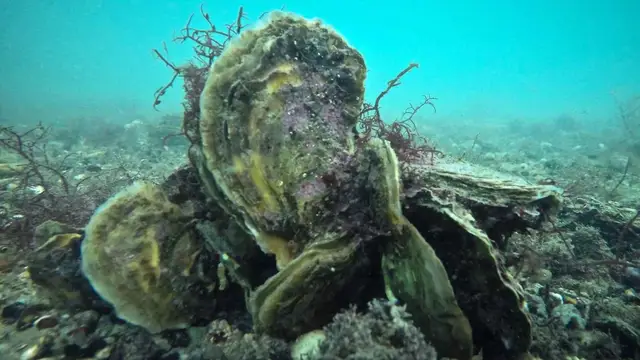
A tiny European native oyster can filter about 200 liters of seawater a day and release up to 2 million larvae at once, yet its reefs have collapsed across much of Europe and UK populations have fallen by around 95%
Imagine an animal of the size of a teacup being able to filter 200 liters of seawatera day. Or one single female, of only 8 centimeters, releasing…
Adrian Villellas · September 4, 2026
NASA satellite images show France, Spain and Italy turning brown within weeks, and the measurement behind the color change is one Europe has never recorded in a summer before
Europe’s summer green has faded with startling speed. Comparisons made with NASA’s Worldview tool show broad areas of France, the Iberian Peninsula,…
ECOnews Newsroom · August 14, 2026
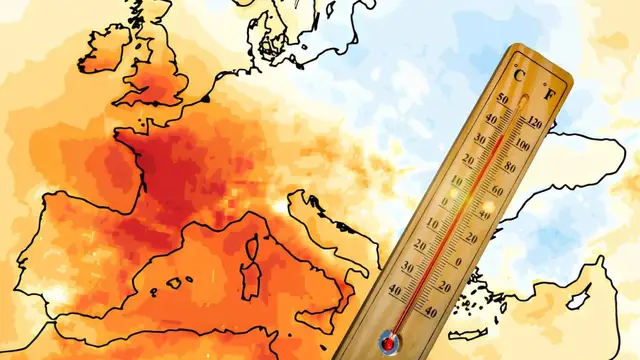
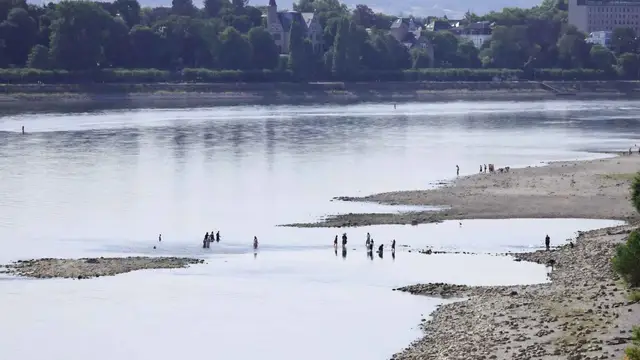
Europe’s great rivers are shrinking under heat and drought, and the Danube, Rhine and Loire are showing how fast summer can redraw the continent
Houseboats that should be floating are resting on exposed sand and mud in the Netherlands. Farther upstream, cargo vessels are traveling partly empty,…
ECOnews Newsroom · August 1, 2026