Glaciers
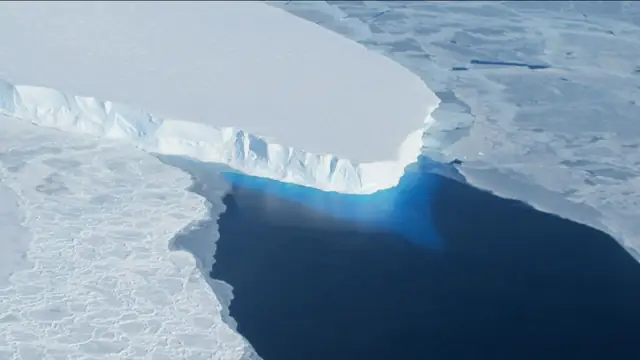
Glaciers are shrinking. This is linked to sea level rise and the Thwaites Glacier breaking apart, but it also means we’re finding interesting things in the ice, such as prehistoric arrows in Norwegian mountains.
46 stories · since 2025 · latest, November 19, 2026
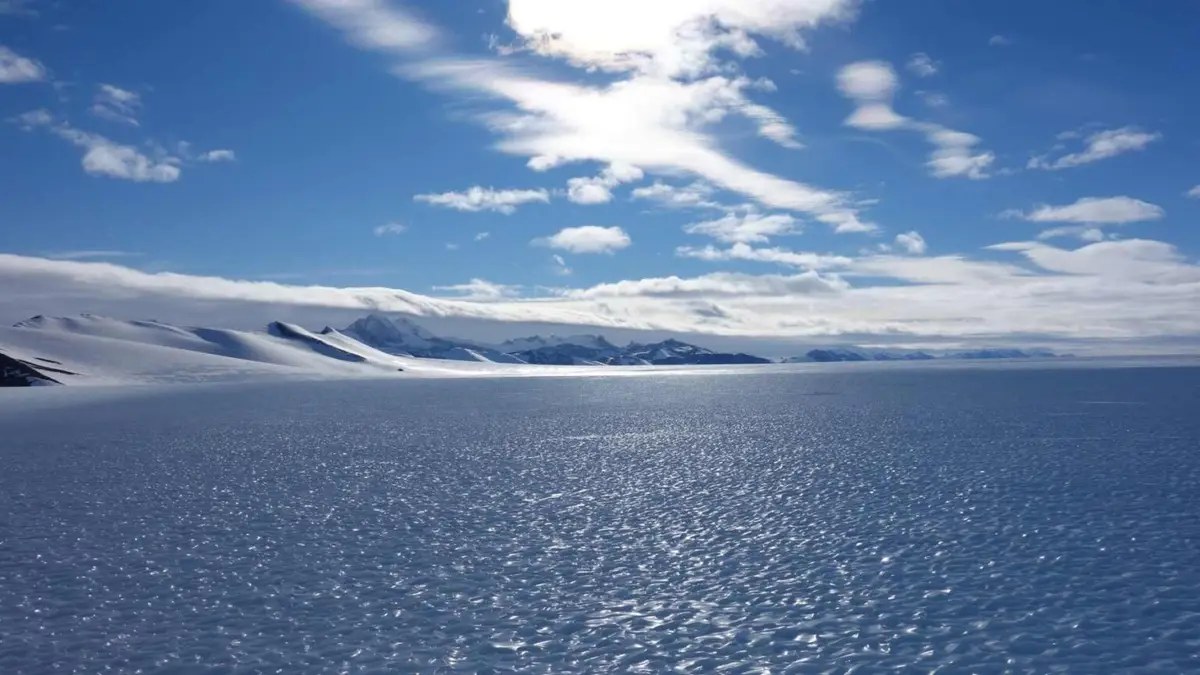
Scientists warn that parts of the West Antarctic and Greenland ice sheets and the Subpolar Gyre ocean current may already be past their tipping points as warming nears 1.5°C
Crucial tipping points in Earth’s frozen regions may already have been crossed, researchers warn. The warning comes from a new report by authors at the…
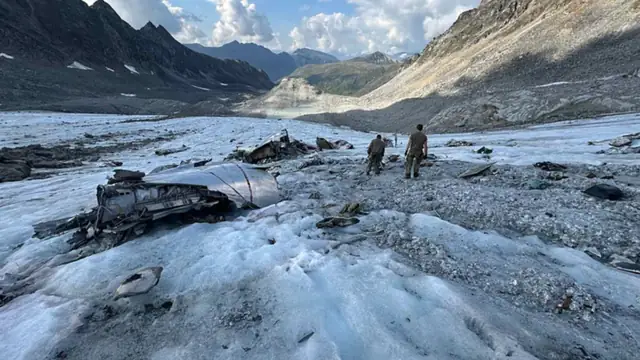
Army soldiers hauled a radio off Alaska’s Bomber Glacier nearly 69 years after a crashed bomber’s crew used it to send their final call for help, and they first spotted it in a hiker’s video
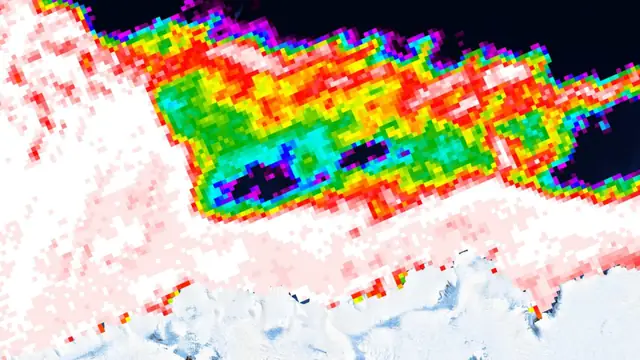
A hole almost as big as Portugal opened in Antarctic sea ice in midwinter, something satellites had never seen there since 1979, and what kept it from freezing came from above and below
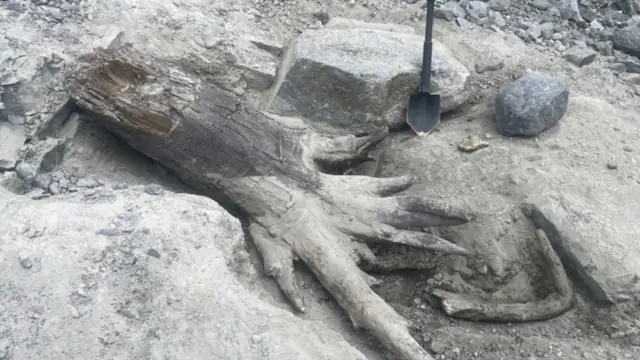
A Swiss glacier has pulled back far enough to reveal a larch that stopped growing about 10,300 years ago, and its still-attached roots show the tree grew on ground the ice later buried
A Swiss glacier in the Engadin Valley has uncovered a larch trunk that stopped growing about 10,300 years ago. Its roots are still attached. Geologist…
ECOnews Newsroom · November 3, 2026
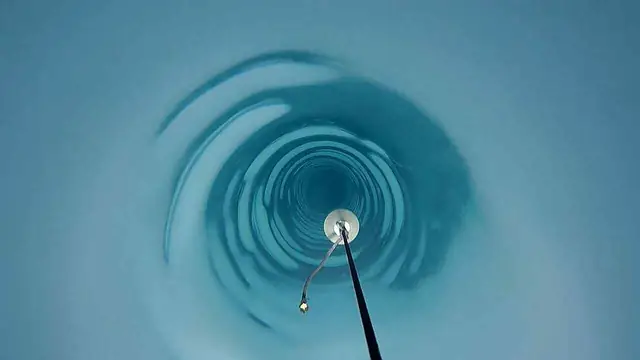
Geologists drilled through 2,860 feet of Antarctic ice shelf hoping to bring up mud and their camera found sponges living on a boulder in total darkness, and the team could not say what they eat
British Antarctic Survey geologists drilled through the Filchner-Ronne Antarctic ice shelf to collect seafloor mud. Their camera found a boulder covered…
ECOnews Newsroom · November 2, 2026
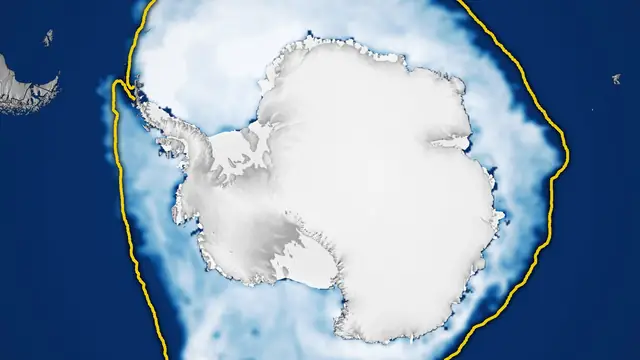
Antarctic sea ice spread across 6.79 million square miles this winter, its third-lowest peak since satellites began watching, and less than three weeks later it was setting record lows for the date
Antarctic sea ice reached its largest extent of 2026 on September 14. It covered an estimated 6.79 million square miles (17.59 million square kilometers)…
ECOnews Newsroom · November 2, 2026
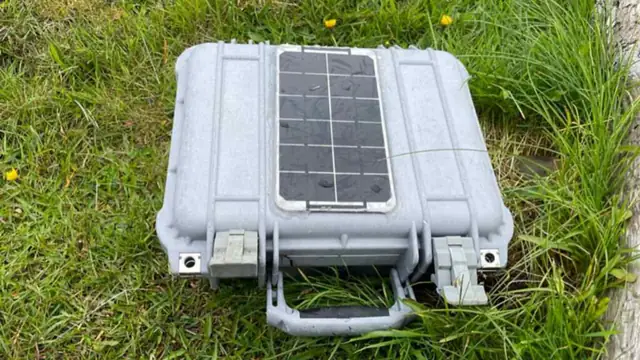
An archaeologist in Iceland found a battered suitcase 2 years after scientists left it on the Arctic sea ice, and its memory card held something they had never been able to confirm
An archaeologist in northern Iceland found a battered gray suitcase near the farm Hafnir, on the Skagi peninsula. Norwegian researchers had put it out on…
Adrian Villellas · November 2, 2026
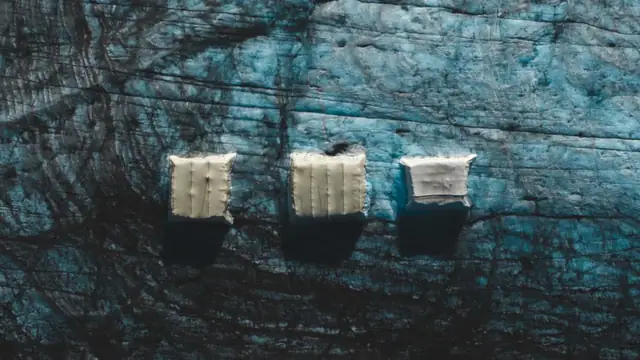
Four students in Switzerland tested sheep’s wool blankets on a glacier for a whole summer, and the first readings put the wool roughly level with the synthetic sheets ski areas use to slow melting
Two blankets made of sheep’s wool spent the summer of 2026 on the ice at Glacier 3000, a ski area above Les Diablerets in Switzerland. Crews laid them out…
Adrian Villellas · October 31, 2026
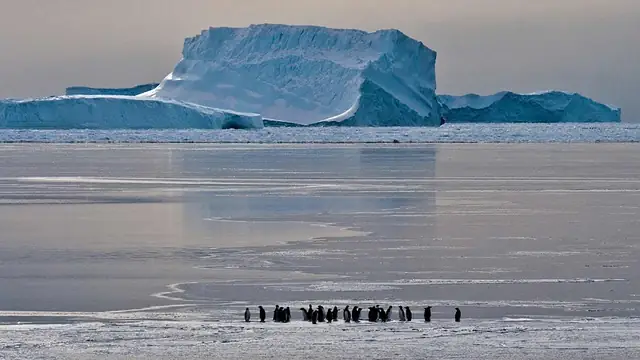
Satellites counted 39,619 icebergs stuck in place around Antarctica, and the small grounded icebergs that surveys usually overlook may be holding coastal sea ice together like posts in a picket fence
Australian scientists have built the first high-resolution map of grounded icebergs around the whole of Antarctica. Working from satellite radar images…
Adrian Villellas · October 30, 2026
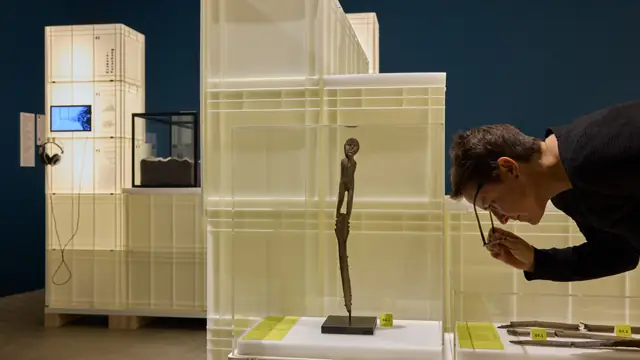
A museum in Lucerne is showing what Switzerland’s melting glaciers have given up, from 8,000-year-old deer antler to a crushed mayonnaise tube, in a year when the country’s glaciers lost 5.5% of their volume, the second-worst loss on record
A museum in Lucerne, Switzerland, is showing objects that came out of the ice as the country’s glaciers melted. The oldest are deer antler and pine wood…
Javier Niño · October 30, 2026
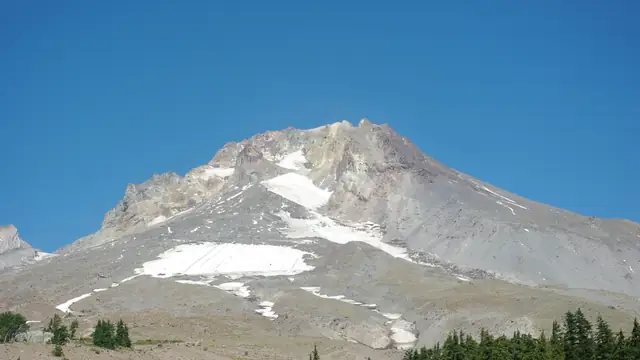
A meltwater pond at the foot of Mount Hood’s Coalman Glacier has grown larger than in previous years, and the USGS says a sudden release could send a debris flow down the White River toward the Highway 35 bridge
Somewhere in the region of 13 million gallons of meltwater has pooled at the foot of Coalman Glacier, high on the south side of Oregon’s Mount Hood, and…
Javier Niño · October 30, 2026
Goodbye to sunrise for four months: a ship called Tara Polar Station has moored itself to Arctic sea ice on purpose, and the reason scientists want to stay through the dark has to do with what lives beneath the ice
A research station has begun drifting across the central Arctic Ocean, with a winter ahead that will include roughly four months without sunrise. Tara…
Adrian Villellas · October 28, 2026
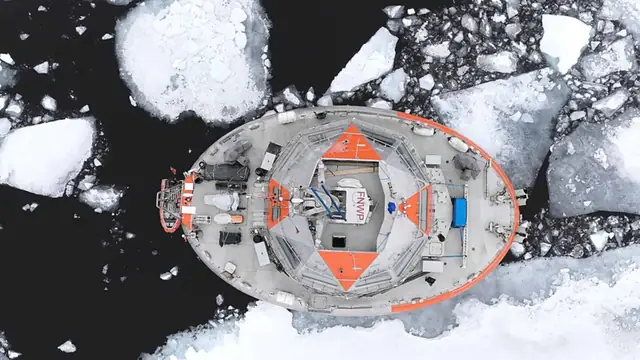
Dust buried more than 2,300 feet down in an Antarctic ice core grew new iron minerals inside the ice, and its researchers say the same chemistry could explain why Martian dust is red and magnetic
Dust buried more than 2,300 feet (700 meters) deep in an Antarctic ice core has grown new iron minerals inside the ice. The study, published September 24,…
ECOnews Newsroom · October 25, 2026

42 satellite surveys show 11.3 trillion metric tons of polar ice loss across Greenland and Antarctica since 1979, and 84 percent of it came from glaciers flowing faster into the ocean rather than surface melt
Greenland and Antarctica lost 11.3 trillion metric tons of ice between 1979 and 2023, roughly 12.5 trillion US tons, according to a new record built from…
ECOnews Newsroom · October 23, 2026
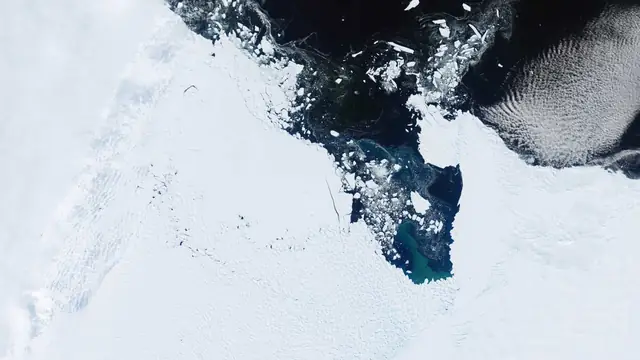
In West Antarctica, a Thwaites Glacier model checked against 27 years of satellite records projects it could add up to about 1.2 inches to global seas by 2100, and that is roughly double earlier estimates
From March to June of 2023, Finland’s ICEYE radar satellites passed over Thwaites Glacier in West Antarctica day after day. They watched the ice near its…
Adrian Villellas · October 18, 2026