Volcanoes
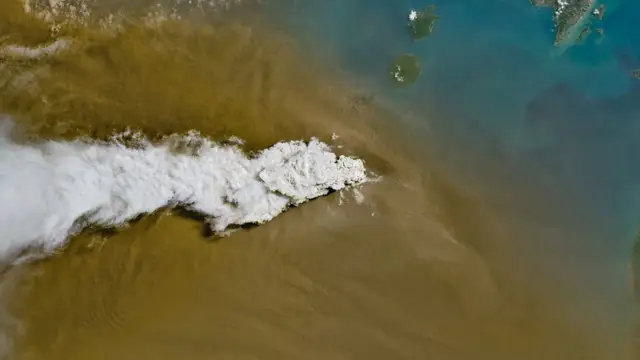
Volcanoes can be dormant for thousands of years before erupting, like the one in Ethiopia that erupted again. Many volcanoes are monitored, including Yellowstone. Unusual volcanoes include a mud volcano in the sea off the coast of Trinidad, caused by earthquakes in Venezuela.
49 stories · since 2025 · latest, November 15, 2026
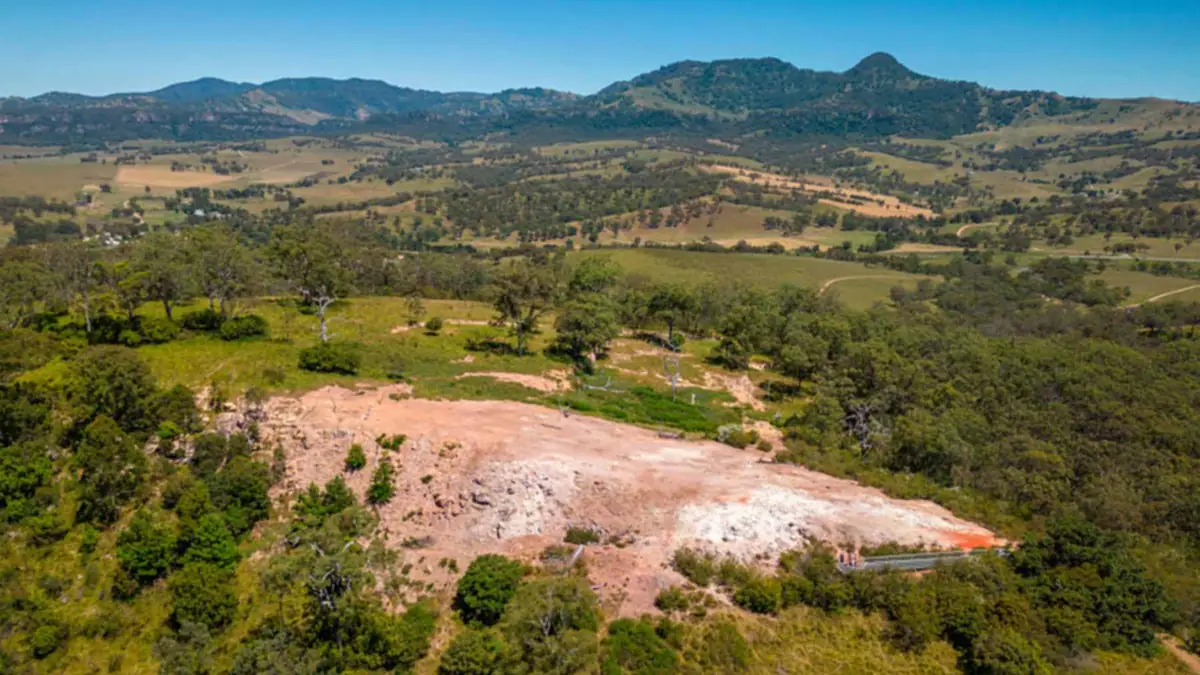
A farm hand reported a volcano in Australia, but the smoke came from a burning coal seam estimated at 5,500 years old, and a government plan says the fire may be far older
A burning coal seam beneath Burning Mountain Nature Reserve in New South Wales has been smoldering for an estimated 5,500 years, according to the state’s…
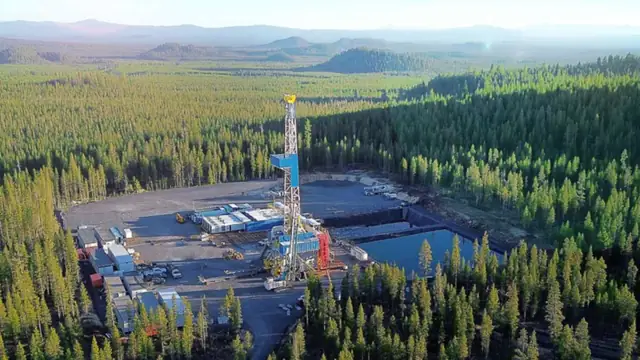
A company wants to melt rock with microwaves for a superhot geothermal plant beside an Oregon volcano, and the first well heading almost 3 miles down does not use them
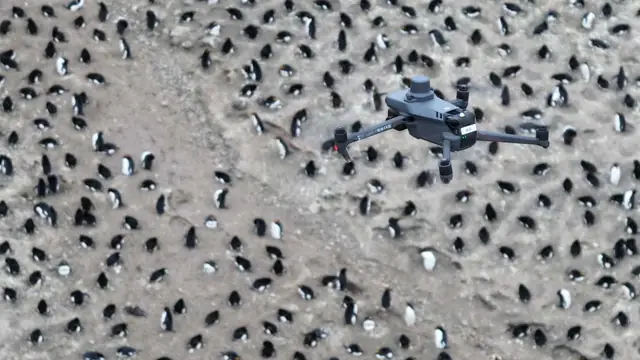
A remote volcanic island once home to the world’s largest penguin colony has lost 63 percent of its breeding chinstrap penguins, and scientists say the volcano above them is not to blame
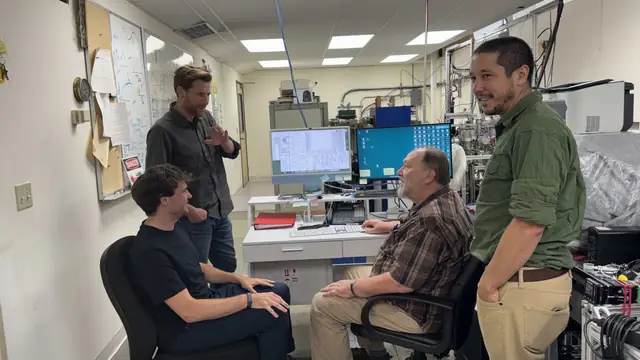
The eruption that buried Pompeii is now helping scientists date volcanic rock with a margin of just 13 years, and the pumice behind the result had sat unused for decades
Nearly 2,000 years after the eruption that buried Pompeii, a lab in California has dated its pumice more tightly than ever before. Scientists from the…
Adrian Villellas · November 6, 2026
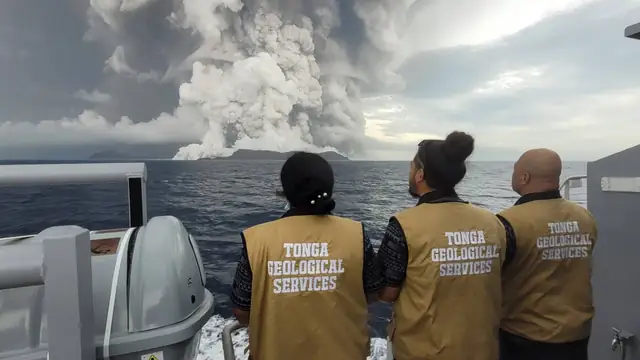
An underwater volcano in Tonga moved enough rock to fill 1,500 Great Pyramids when it erupted in 2022, and maps of the seafloor show its crater floor caved in while the blast was still going
The underwater volcano in Tonga that erupted on January 15, 2022, moved about 2.1 cubic miles (8.9 cubic kilometers) of rock and debris. That is enough to…
ECOnews Newsroom · November 6, 2026
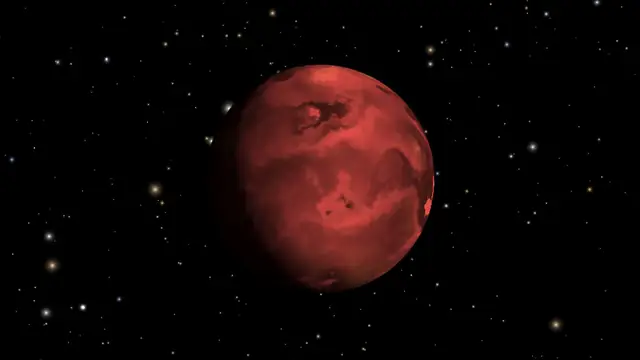
A lava world where a year lasts just 23 hours seems to be holding on to an atmosphere, and the clue that gave it away is heat astronomers expected to find but never did
A rocky lava world called HD 3167 b seems to be holding on to an atmosphere. It lies about 154 light-years away in the constellation Pisces and circles…
Adrian Villellas · November 5, 2026
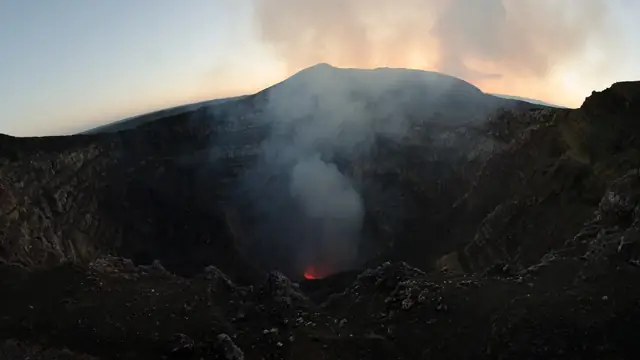
Nicaragua’s Masaya volcano has not produced a major lava flow since 1772, and satellite radar now shows separate magma reservoirs beneath it behaving in opposite ways, with one swelling while the other shrinks
Nicaragua’s Masaya volcano last sent out a major lava flow in 1772. Radar data from 2018 to 2024, though, show two magma reservoirs under it doing…
Adrian Villellas · November 4, 2026
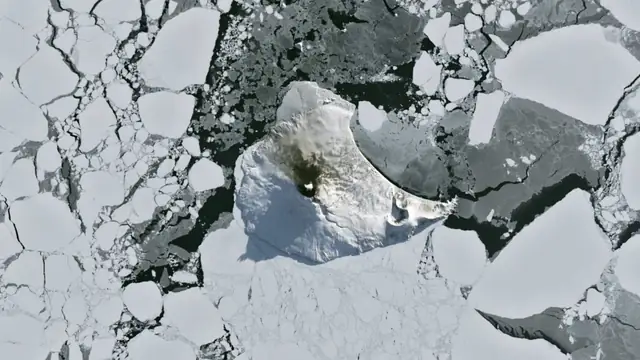
A volcano near Antarctica keeps a lava lake about 360 feet wide alive as the southern winter ends, and when the clouds finally parted in August a satellite caught more than just its heat
A lava lake inside Mount Michael showed up as a red speck of heat in a satellite image taken on August 24, 2026. Mount Michael is the stratovolcano in the…
Adrian Villellas · October 31, 2026
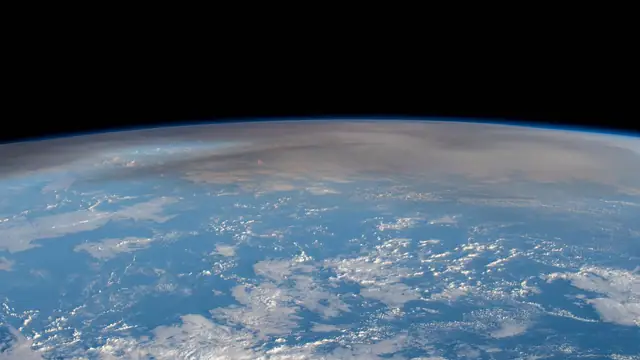
The Hunga Tonga eruption sent at least 330,000 metric tons of methane into the stratosphere, and formaldehyde seen from orbit shows its salty ash cloud then broke down about 900 metric tons a day
Satellite readings show that the Hunga Tonga eruption’s plume broke down about 900 metric tons (990 short tons) of methane a day. The reaction ran high in…
Adrian Villellas · October 26, 2026
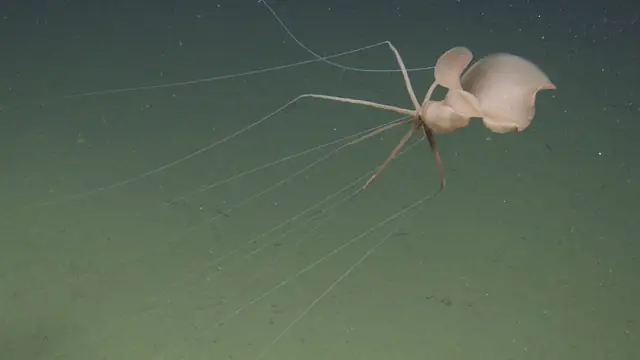
MBARI scientists surveying an ancient undersea volcano off California filmed a bigfin squid 10,751 feet down, the first live sighting in the northeastern Pacific, and only about 70 are on record
Olívia Soares Pereira was sitting beside the video screens aboard the research vessel David Packard when something pale drifted into the top corner of the…
Adrian Villellas · October 19, 2026
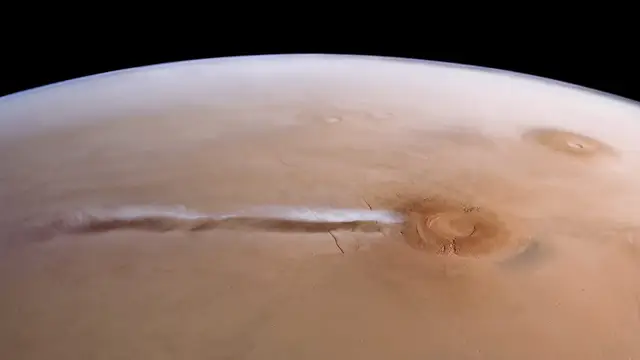
Mars’s Arsia Mons cloud stretches up to 1,100 miles from a 12-mile-high volcano every morning for months, and scientists think its ice forms without dust, a process never seen in a planetary atmosphere
Around sunrise, during the southern spring and summer on Mars, a white streak of water ice starts growing off the western flank of Arsia Mons, a volcano…
ECOnews Newsroom · October 15, 2026
Anak Krakatau eruption ran nonstop for 25 hours in September and sent lava down the island’s western flanks, and a plant expert says eruptions reset the ecosystem so life rebuilds from microbes and moss
The Anak Krakatau eruption that began at 11:07 p.m. local time on Friday, September 4, 2026, ran without a break for about 25 hours, until 12:04 a.m. on…
ECOnews Newsroom · October 11, 2026
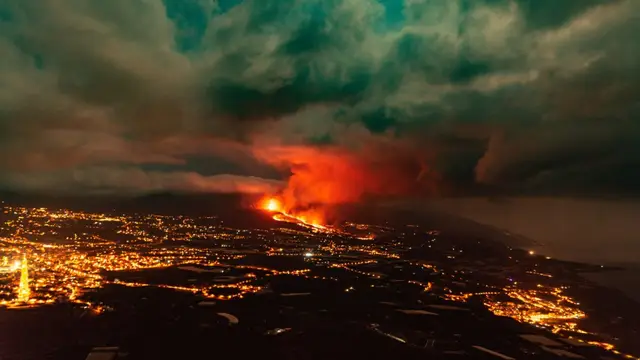
Scientists recreated magma from La Palma’s 2021 Tajogaite eruption and found that extreme heating could delay crystal formation from about 20 minutes to more than eight hours, keeping the magma fluid for longer and potentially helping produce towering lava fountains
Scientists studying magma from the 2021 Tajogaite eruption on La Palma, Spain, have identified a heat-driven process that could help explain towering lava…
ECOnews Newsroom · September 21, 2026
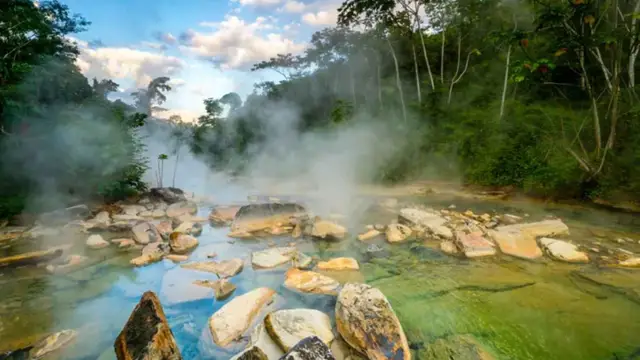
A river in the Peruvian Amazon runs hot enough to reach 86°C with no volcano nearby, and researchers found that every 1°C increase along its banks was linked to an 11% drop in local tree diversity
Although it can seem quite impossible to have extremely high temperatures without having volcanoes nearby, let me tell you the context deep in the…
ECOnews Newsroom · September 4, 2026
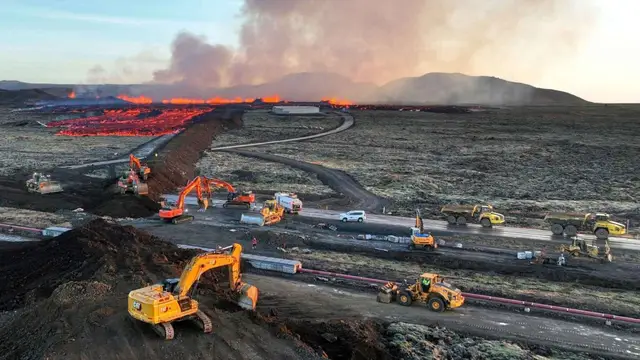
Beneath Iceland’s Reykjanes Peninsula, magma continues to accumulate 28.3 million cubic meters waiting underground while barrier work pauses and warning windows narrow to hours or less
The machinery around Grindavík sits idle, but the danger lurking below Iceland’s Reykjanes Peninsula does not. As of January 15, 2026, protective barrier…
ECOnews Newsroom · August 18, 2026