If you are hoping this year’s tax refund will help with the electric bill or finally replace that wheezing old furnace, the calendar brings some mixed news. On January 26, the Internal Revenue Service opens the 2026 filing season, and many Americans are expected to see larger refunds thanks to President Donald Trump’s “One Big Beautiful Bill” tax law.
At the same time, that same law is quietly pulling back many of the clean energy incentives that were meant to cut US emissions.
IRS tax season start date and refund timing
According to the IRS, the agency will begin processing 2025 income tax returns on Monday, January 26, with an April 15 deadline for filing and payment.
Officials expect about 164 million individual returns and are strongly encouraging people to file electronically and receive any refund by direct deposit, since paper refund checks have been largely phased out in favor of digital payments.
Standard deduction and child tax credit changes
Several features of the “One Big Beautiful Bill” are behind the predicted bump in refund size. The standard deduction for 2025 rises to $15,750 for single filers and $31,500 for married couples filing jointly, while the child tax credit increases to $2,200 per child.
There is also a new “senior bonus” deduction of up to $6,000 per person aged 65 and older, or $12,000 if both spouses qualify, which stacks on top of the usual senior standard deduction and phases out at higher incomes.
Tips, overtime, and auto loan interest deductions
Workers in tipped jobs and people logging extra hours also see new relief. For the 2025 through 2028 tax years, eligible taxpayers can deduct up to $25,000 in reported tips and up to $12,500 in qualifying overtime pay, with a higher ceiling for joint filers.
Another provision lets many borrowers deduct up to $10,000 in interest on new personal car loans for vehicles under a certain weight that received final assembly in the United States.
Clean energy tax credits and climate policy rollback
From a kitchen-table-budget point of view, these changes mean more money landing in checking accounts, often within about three weeks for returns that are filed electronically. For the climate, experts say the same law points the other way.
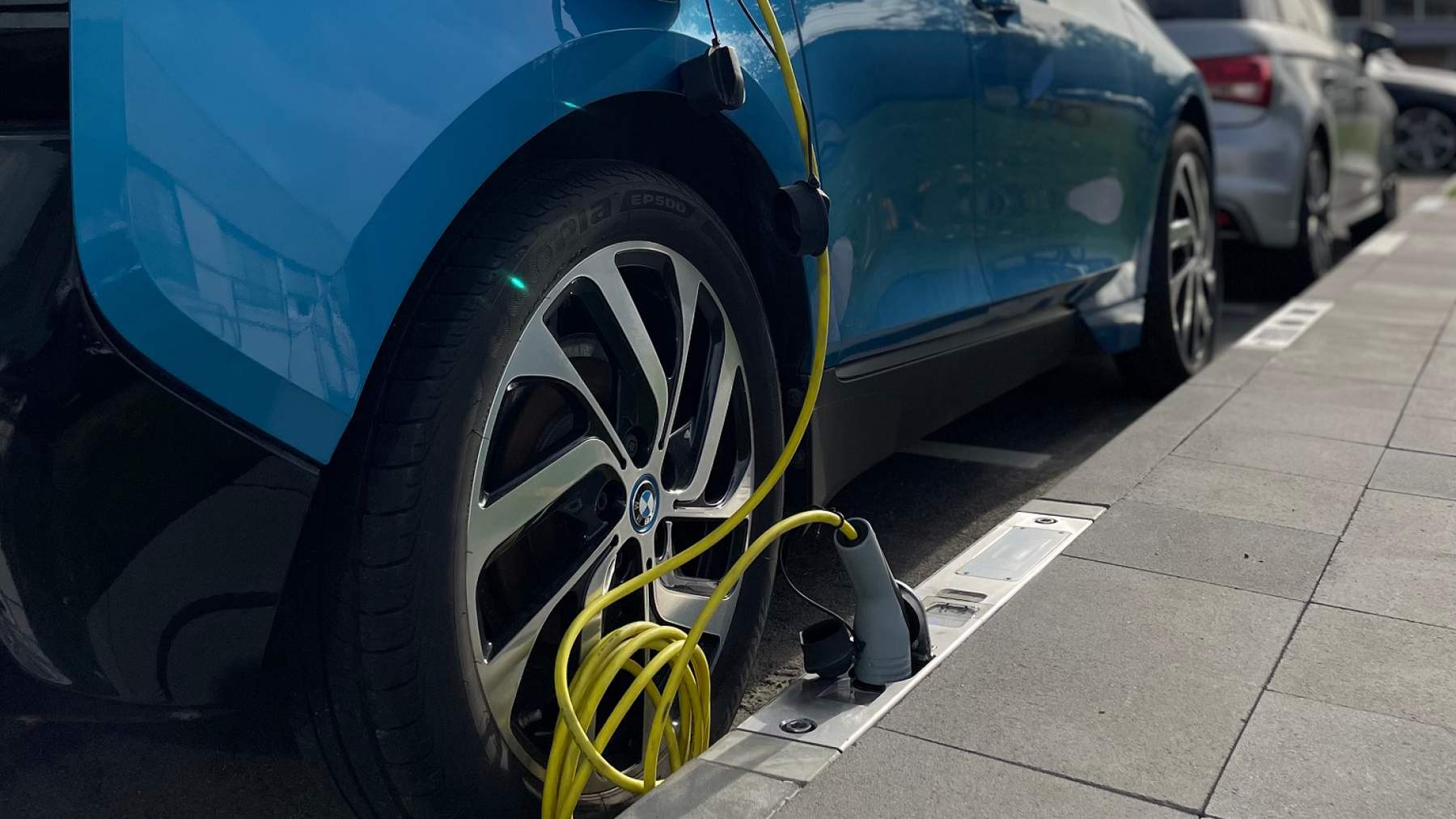
The bill cuts funding for green energy programs and accelerates the end of major clean energy tax credits, including the federal incentives for electric vehicles and for home solar and geothermal systems that were originally created under the Inflation Reduction Act.
An analysis highlighted by researchers at Princeton University’s clean energy program and other policy groups suggests that ending these incentives early, while making it easier and cheaper to drill for oil and gas or mine coal on federal land, will increase US greenhouse gas emissions and reduce investment in solar and wind projects.
By those estimates, household energy costs could rise on average by about $165 a year by 2030 and more than $280 by 2035 compared with keeping the previous climate policies in place.
Household energy costs and practical impact on families
For a family already worried about sticky summer heat and winter heating bills, that combination is a paradox. The tax refund might be larger this spring, yet the long-term cost of power and fuel is likely to creep up.
Without a strong federal credit, installing rooftop solar, upgrading windows, or swapping an old gas furnace for a high-efficiency heat pump becomes harder to justify, especially for middle-income households that had been counting on thousands of dollars in tax support.
Electric vehicle credits and home energy credits phaseout
IRS guidance on the “One Big Beautiful Bill” spells out the phaseout timetable. Clean vehicle credits, including incentives for new and used electric cars and commercial electric trucks, are not allowed for vehicles acquired after the end of September 2025
Home energy credits for efficiency upgrades and residential clean energy systems are set to end after December 31, 2025. At the same time, the law reshapes rules for carbon capture credits, adding safe harbor provisions for underground storage projects.
Environmental grants, air quality, and diesel pollution
The law also claws back billions in environmental grants. One detailed breakdown describes funding being removed from programs that were designed to cut diesel exhaust, improve air quality in schools, and help local authorities buy electric school buses and heavy-duty electric fleet vehicles.
That kind of rollback is likely to be felt first in neighborhoods already living with heavy traffic, noisy freight routes, and higher rates of asthma in children.
What taxpayers can do with a bigger refund
So what can ordinary taxpayers do with this new landscape? If your refund is a little bigger this year, it can still go toward insulation in the attic, a more efficient refrigerator, or a used hybrid instead of another high-consumption vehicle.
Many states, cities, and utilities continue to offer their own rebates for heat pumps, weatherization, and home solar, even as federal incentives shrink, so it is worth checking local programs before you spend that refund. Small choices at the household level still matter, even when national policy steps back.
As the 2026 filing season opens, taxpayers are being told to expect more generous refunds and faster digital payouts. The quieter story is that those same dollars are now less connected to national climate goals than they were just a year or two ago.
The official statement was published by the Internal Revenue Service.