The finding of white hydrogen, the natural survey in Earth’s crust, causes a worldwide thrill. This reason would offer the world to the cost-effective solution for the climate cost of generation, in an incredibly well-renewable energy source. France and the US recently discovered new evidence that it has potential, setting the pace for a clean energy revolution.
Scientists unveil huge white hydrogen reservoir in Lorraine Basin, France
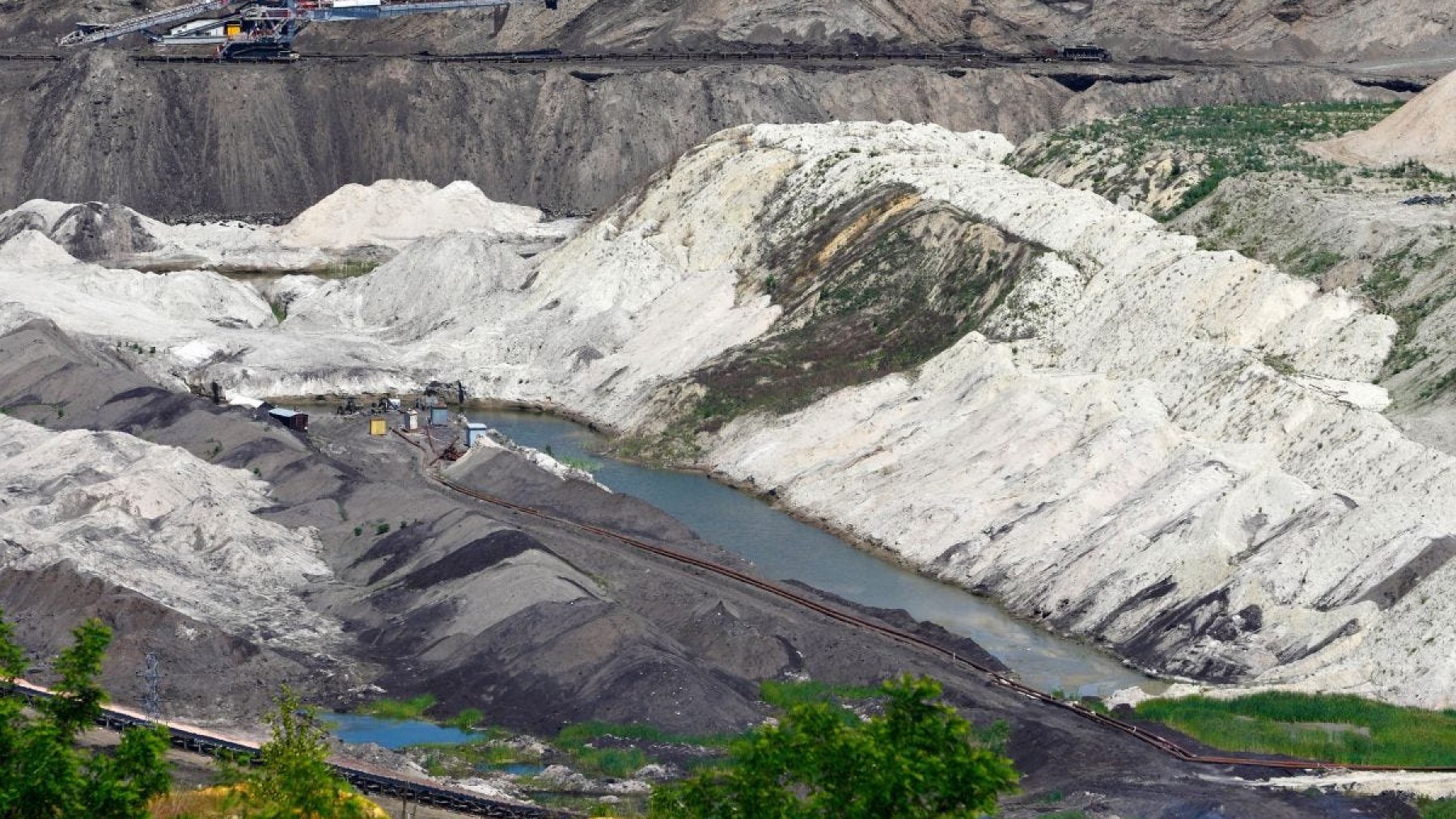
Researchers Jacques Pironon and Phillipe De Donato of France’s National Centre of Scientific Research have found probably one of the largest reservoirs of what might be termed white hydrogen ever discovered. An apparatus uses to study gas dissolved at depth was employed to measure increasing hydrogen concentration levels with increased drilling depths, as search progressed at northeast France’s Lorraine mining basin.
At 1,100 meters, the sample showed 14% hydrogen; at 1,250 meters, this hydrogen level increased to 20%. Accumulation of estimates for this unexpected discovery ranges between 6 and 250 million metric tons of white hydrogen.
Thus, in a way, this discovery opens a whole new view on enormous geologic hydrogen systems, which have been ignored so much. Scientists were blown over until about five or six years ago in making huge, bright assumptions about natural hydrogen: the subject stood beyond the realms of possibility.
But fields such as these from Mali onwards have disproved that. The well in Bourakébougou, which produces a whole village with hydrogen for more than a decade, awakened the researchers’ curiosity in probing deeper. Geoffrey Ellis, a geochemist in the US Geological Survey, summed it up, claiming, “Not that hydrogen’s not available, but we haven’t been looking in the right places.”
What white hydrogen is from nature’s factory: Creating it deep within the Earth
White hydrogen is naturally generated through serpentinization, in which water reacts with iron-rich rocks to make hydrogen, and radiolysis in which radiation breaks down water molecules. Unlike gray or blue hydrogen, which require energy-steeped processes and in most circumstances depend on fossil fuels, white hydrogen is produced through naturally occurs formations in the crust of the Earth with little human interference; thus, it becomes a clean and renewable energy source.
It has also been proven further by research conducted at the Massachusetts Institute of Technology (MIT). A team under Professor Iwnetim Abate is working to optimize hydrogen extraction from rocks by developing advanced catalysts and high-throughput systems for their tests to analyze rocks efficiently (such as this one shocking the world). This might lead to the best conditions in producing hydrogen, including temperature, pressure, and pH, and reduce production costs by several orders of magnitude.
White hydrogen: A $1 energy solution set to power the future
Massive white hydrogen reserves can be well above tens of billions of tons worldwide, and even 1% from this could supply up to 500 million tonnes every year for 200 years in the future, which is five times the amount produced globally today.
High-cost benefits are equally apparent: bringing out white hydrogen may cost around $1 per kilogram compared to $6 for green hydrogen, thus a revolution in energy-intensive industries like steel, aviation, and shipping.
Well, many start-ups and investors are now getting into it: in Australia, drilling high-concentration sites by Gold Hydrogen, while the likes of Koloma and Natural Hydrogen Energy in the United States have their exploration efforts along with Koloma currently having over $91 million in funding, including backing from Bill Gates’ Breakthrough Energy Ventures.
There are new difficulties, such as drilling depths, regulations, and scalability, but it seems that commercialization could come within some years. Here, a big step is found toward fully understanding the potential by drilling 3,000 meters in the Lorraine Basin in France.
White hydrogen, having the cleanest burning qualities and requiring very little process, is pretty much the cleanest energy source (like this powerful energy in America) there can be. It has a possibility to change energy systems in the world and can change places like Lorraine, which were historically based on coal production, into renewable energy centers.
For scientists and startups, it is one of the technologies that can enable society to speed up the clean energy transition and tackle serious issues of urgent climate. The time has come, and the white hydrogen era has begun. Hope is visible for the sustainable future.