
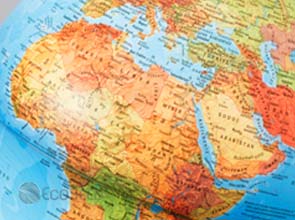
The Middle East and North Africa region will have over 100 gigawatts of power from renewable resources by 2030.
According to the “MENA Renewables Status Report,” released by the Renewable Energy Policy Network for the 21st Century, in coordination with the International Renewable Energy Agency and the Ministry of Foreign Affairs of the United Arab Emirates, policy deployment and goal-setting for renewable energy across the region is increasing.
Already, 21 countries in the region have renewable targets, a marked increase from 5 countries in 2007. When all of the renewable energy targets in the region are realized, the result would be 107 GW of installed capacity by 2030.
Countries in the region have set high targets for themselves – Djibouti has the highest renewable energy share target aiming for 100 percent installed power capacity by 2020, followed by Morocco with 42 percent by 2020, the Palestinian Territories with 25 percent by 2020, and Yemen with 15 percent by 2025.
Currently, countries across the region have their respective share of installed renewable energy capacity totaling at 19.3 GW. The majority of the region’s installed renewable energy comes from hydropower which accounts for 17.6 GW. Of this, Iran leads with 9.5 GW.
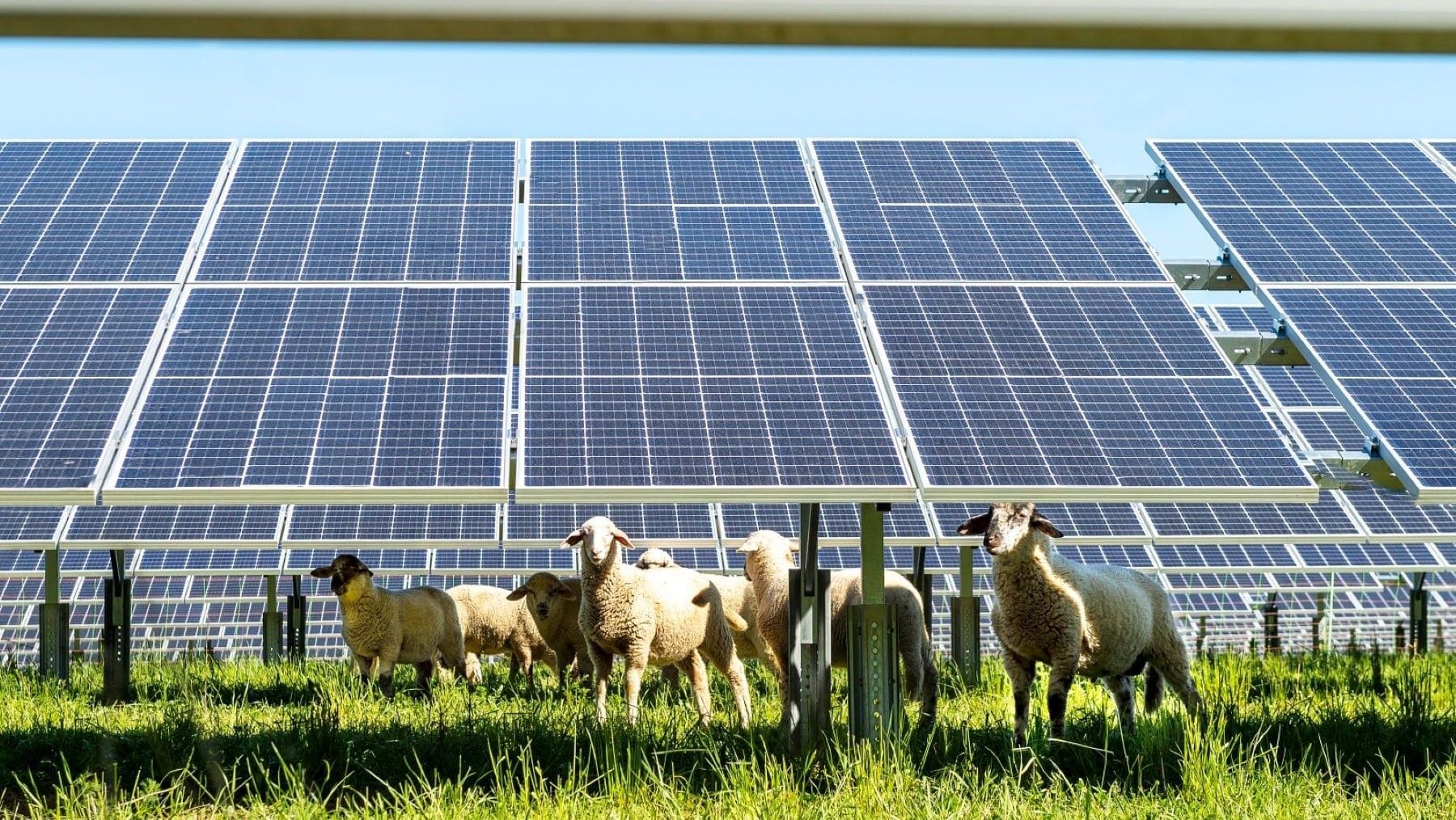
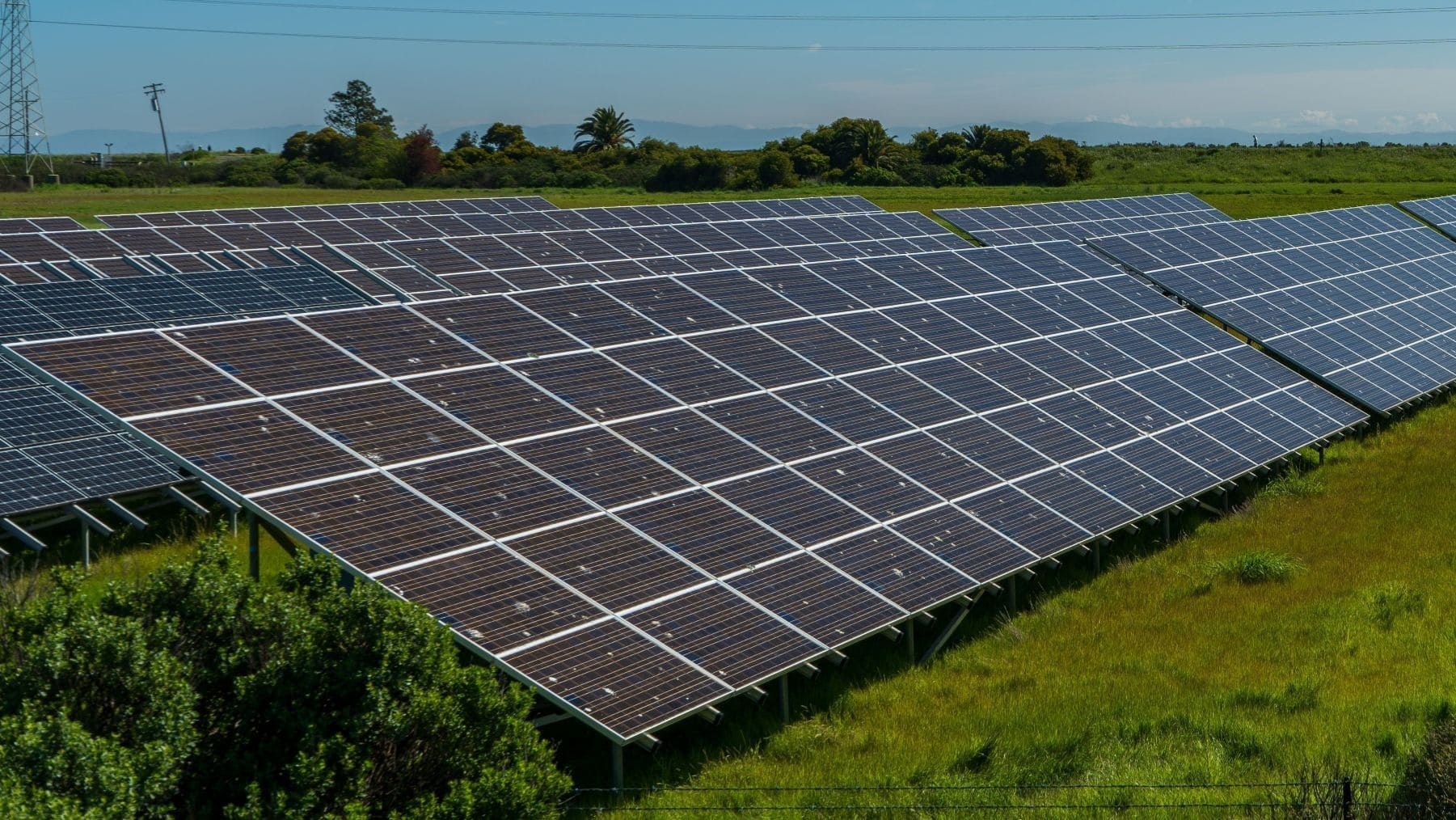
Wind has the second largest installed renewable energy share with 1 GW, 550 MW of which comes from Egypt; followed by solar photovoltaic which is at 380 MW, with its primary producer being Israel.
“Since 2008, modern renewable energy production has grown at a much faster rate than fossil fuels, and, with 106 renewable energy projects currently in the pipeline, this trend is likely to continue,” said IRENA’s Director General Adnan Z. Amin.
“By implementing ambitious targets, and enabling strong regulatory and institutional frameworks, governments across the region are driving the growth of renewable energy, and showing growing recognition of its broad macro-economic benefits,” Mr. Amin explained.
The number of renewable energy projects that are in the pipeline will also help the region reach their targets. Overall there are an estimated 106 projects in the pipeline that will add over 7 GW of renewable energy. A large number of these projects are wind counting at 45, 44 are solar, and 12 are on biomass and waste which is still on the surface of its potential in the region.
At present, the government ministries and the public owned electricity generation companies are the ones leading the investment in renewable energy. In order for M.E.N.A. region to fully realize over 100 GW of renewable energy by 2030 they will need the help of the private sector, specifically in terms of developing solar, wind, and hydro in the region. – L. Polintan