

There are a range of renewable energy options available in the current market but which is the best? Each energy option has different advantages and therefore it depends on your circumstances as to which is the best choice. Here’s some information about some of the most popular renewable energy resources, to give you an idea of which renewable energy source is most suited to your requirements.
Solar Panels
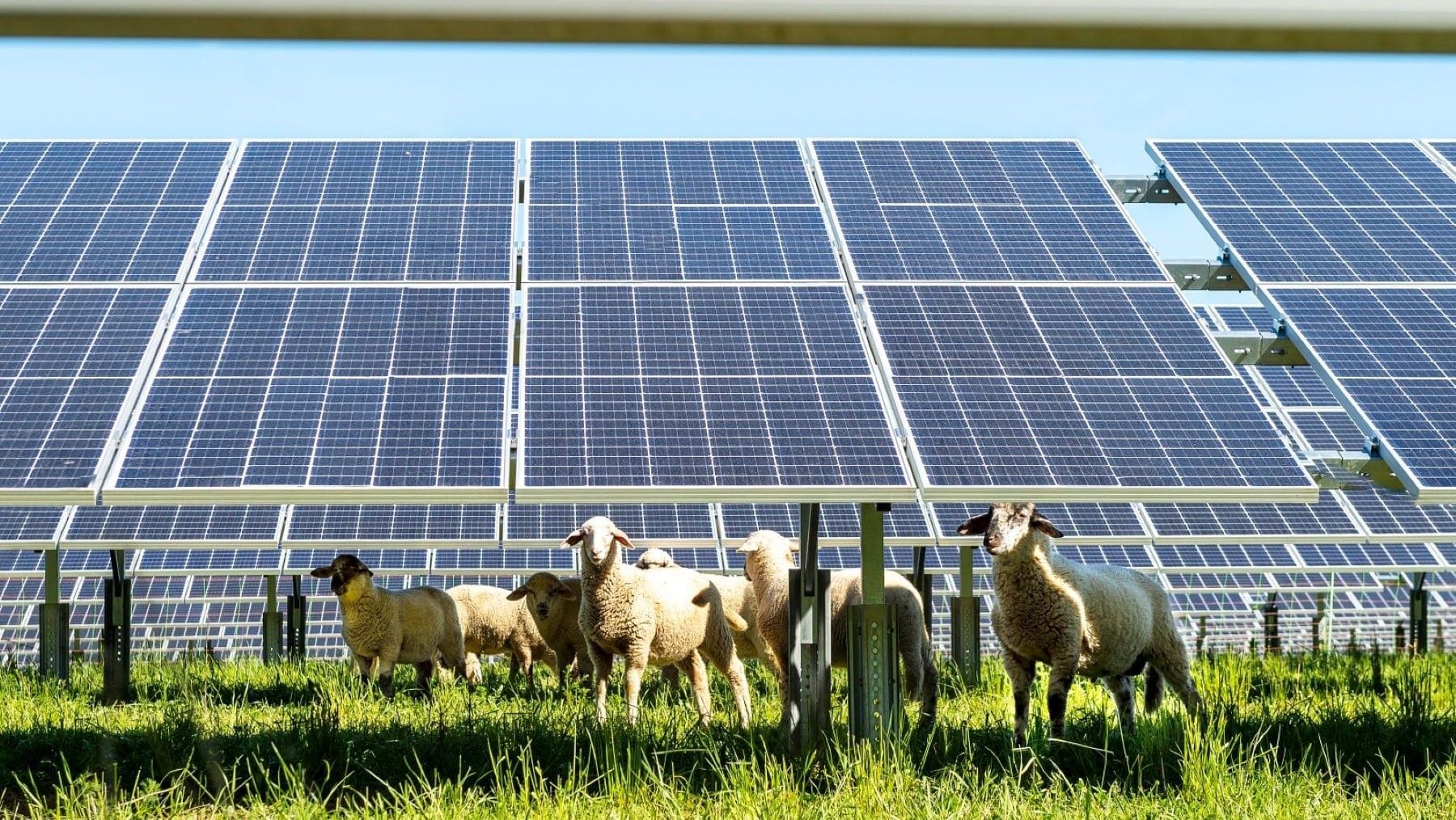
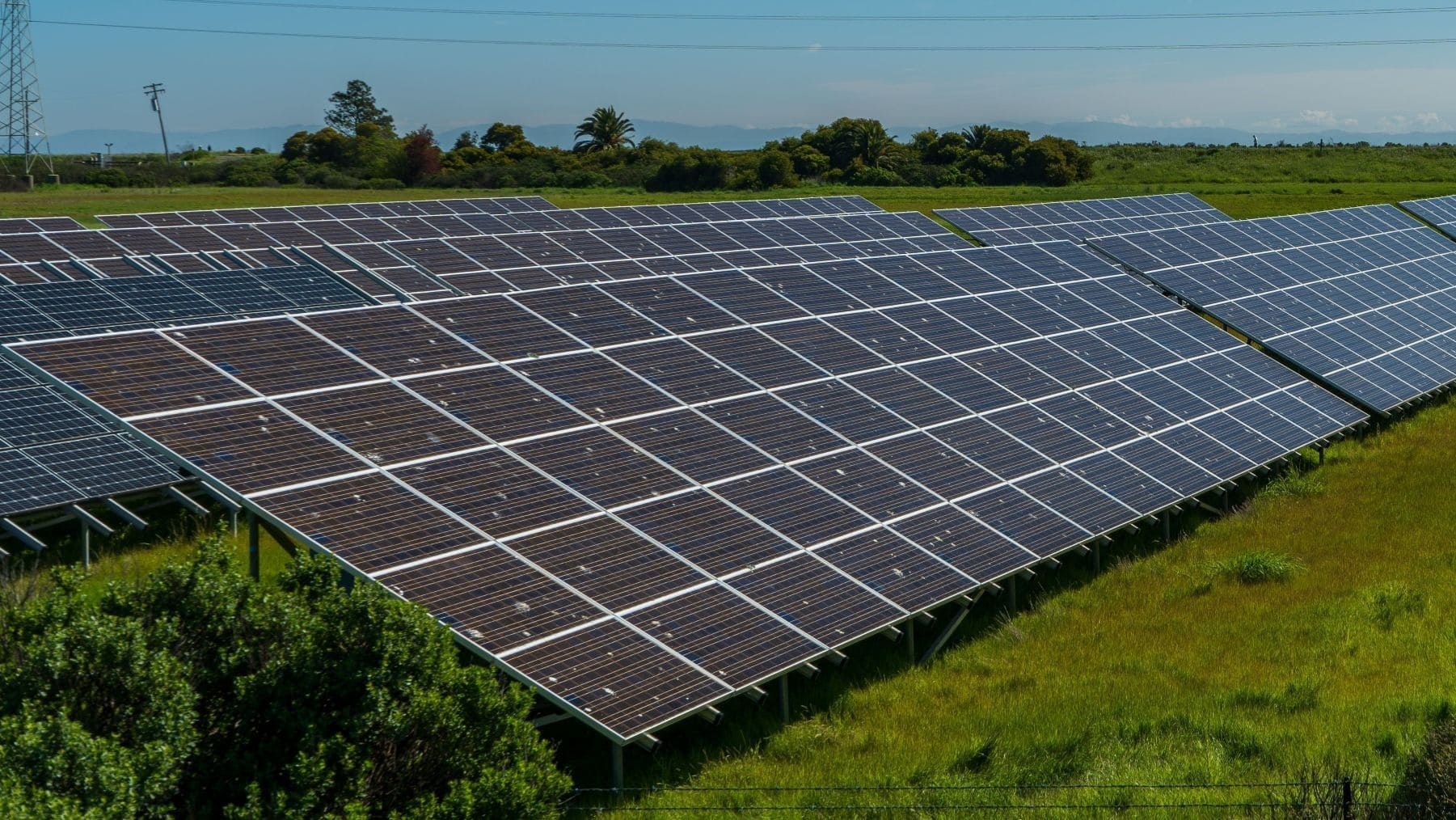
There are two main types of solar panels, they both conduct solar energy but one uses this to supply electricity and the other for heating (solar thermal systems). In terms of generating electricity if you were to install a 4kWp system then this would produce enough energy to cover a typical household’s electricity usage (3700 kilowatt hours of electricity per year). This would result in roughly 2 tonnes of carbon dioxide being saved every year. Using solar technology to heat your water is somewhat less effective, in the summer months it will probably generate enough for all your hot water, however this is unlikely to be the case in the winter months.
Solar panels are more suited to sunnier areas and whilst Britain is not often considered that sunniest of places, the south of the U.K. is actually a good location for the installation of solar technology – it gets just as much incoming solar energy as Germany (which extensively utilizes solar energy). Furthermore, the U.K. is a good area for solar panels due to the high wind speeds which help to keep the solar panels cool and thus increases their efficiency.
Solar panels designed to provide electricity work best if they can be south facing because this means they will get the most access to sunlight. An advantage of solar panels is they are usually installed on rooftops, requiring no land space and can therefore be useful for urban or more built up areas.
(An added benefit of solar generated electricity is that if you produce any excess energy it can be sold back to the grid at a profit. Although it can be a good idea to obtain a device with measures the amount of energy you’re generating. )
Wind turbines
Wind turbines don’t have to be the huge versions you see in the countryside -there are scaled down versions designed for domestic use. A micro-wind system can be mounted on a roof and cost as little as £2000. However, roof mounted wind turbines tend to produce less energy than those which are pole mounted. If a 6kW wine turbine is placed in a good position it can produce roughly 10,000kWh and save 5.2 tonnes of carbon dioxide per year. If you choose to purchase a pole mounted system than it’s a good idea to move it round the given land space and find the optimum area.
To discover whether you are in suitable area with high enough winds speeds, you can enter your postcode into a helpful tool created by the energy saving trust and it will inform you if wind turbines would be a feasible endeavour for your area.
Wind turbines aren’t generally synced with the electricity grid the way solar panels can be because wind speeds can be much more intermittent. This means if excess energy is created it cannot be sold back to grid but it can be stored in batteries and used at a later time.
Heat Pumps
There are two kinds – ground source heat pumps and air source heat pumps. As the names suggest they draw their energy from the ground or the air to heat buildings and provide hot water.
Ground Source heat pumps are the more efficient of the two options, however, they require a large amount of ground space and the installation process requires a large amount of ground to be dug up. They are more suited to rural areas where there is more likely to be land space to spare. An under floor heating system is also a better fit with ground source heat pumps because it requires a lower water temperature compared to other systems. Ground source heat pumps tend to produce heat at a lower leave but more consistently than other heating systems – it’s advisable to leave the heating system on most of the time with a ground source heat pump.
Air source heat pumps require significantly less space than ground source heat pumps and can therefore fit into more suburban areas easily. An ideal set up for an air source heat pump would be on a sunny wall with a decent amount of surrounding space for air to flow.
Whether or not heat pumps could save you money and carbon emissions depends on a range of factors such as your current heating system, the size of your home, it’s insulation etc. It’s estimated that an average 3 bedroom, semi-detached home could save £110-290 and 850-5430kg of carbon dioxide per year given the right circumstances.
Biomass Boilers
Biomass boilers require you to burn wood pieces or other biomass to fuel your boiler. Burning something to create fuel may not sound very environmental to begin with but in actuality this type of system can potentially save 7.5 tonnes of carbon dioxide per year (compared to electric storage heating or a coal fire system). This is a sustainable option as long as the trees that are used as fuel are replaced by others.
The main consideration with biomass boilers is easy access to the fuel, if the wood has to be transported by large gas guzzling Lorries it defeats the point somewhat. These kinds of systems are ideal rural or country areas with lots of woodland. For instance, the Paul Robinson partnership (landscape architects in Norfolk) have utilised the ideal location for the installation of a biomass boiler system – the Thoresby Estate. It’s a luxury holiday estate that’s surrounded by plenty of woodland and there is extra wood waste that needs to be disposed of in the area. So they are also preventing resources from being wasted by establishing this system.
This article was written by Rachel Hemsley, who specialises in writing online content regarding green issues and renewable energy.