Thus far, the green hydrogen game being adopted by Europe sees two core offshore projects occurring simultaneously in the Netherlands moving towards their critical developmental stages. The energy revolution is being marked by various projects that entail floating solar projects, offshore wind, and advanced electrolysis, and these projects are meant to reimagine the entire energy infrastructure while producing Europe’s goal of approximately 45,000 tonnes of green hydrogen every year.
At the forefront of the energy game- Zeevonk project
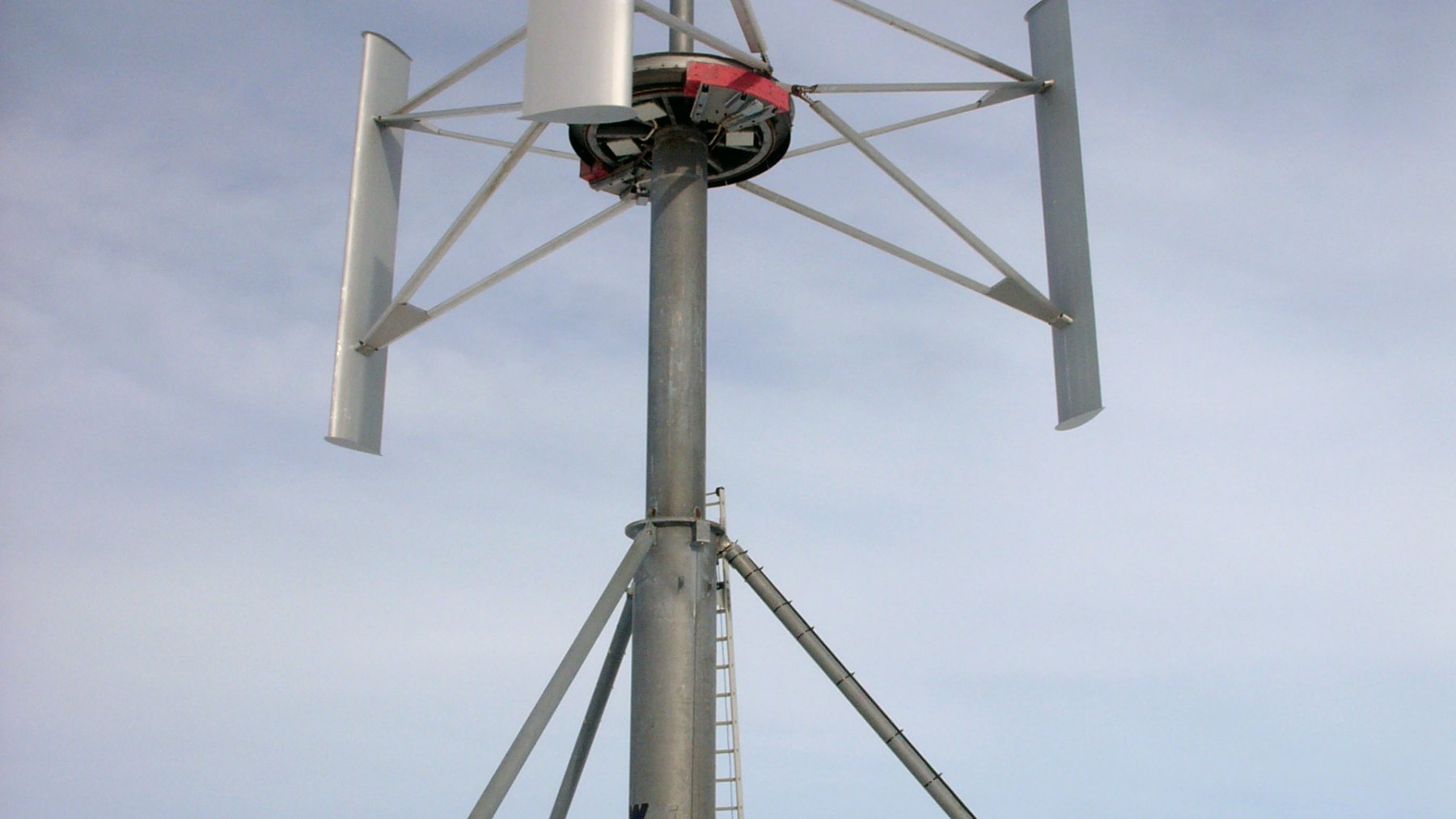
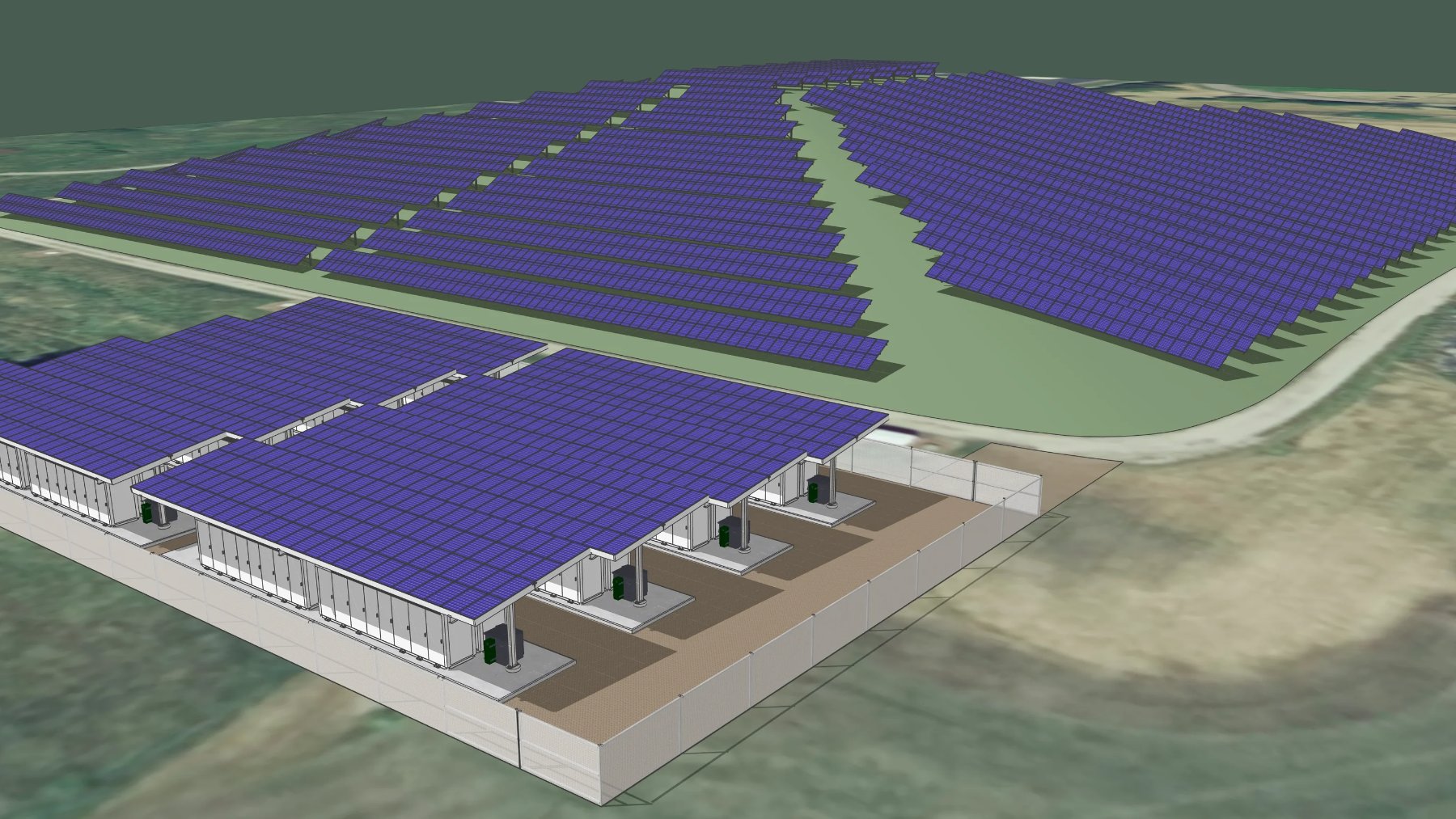
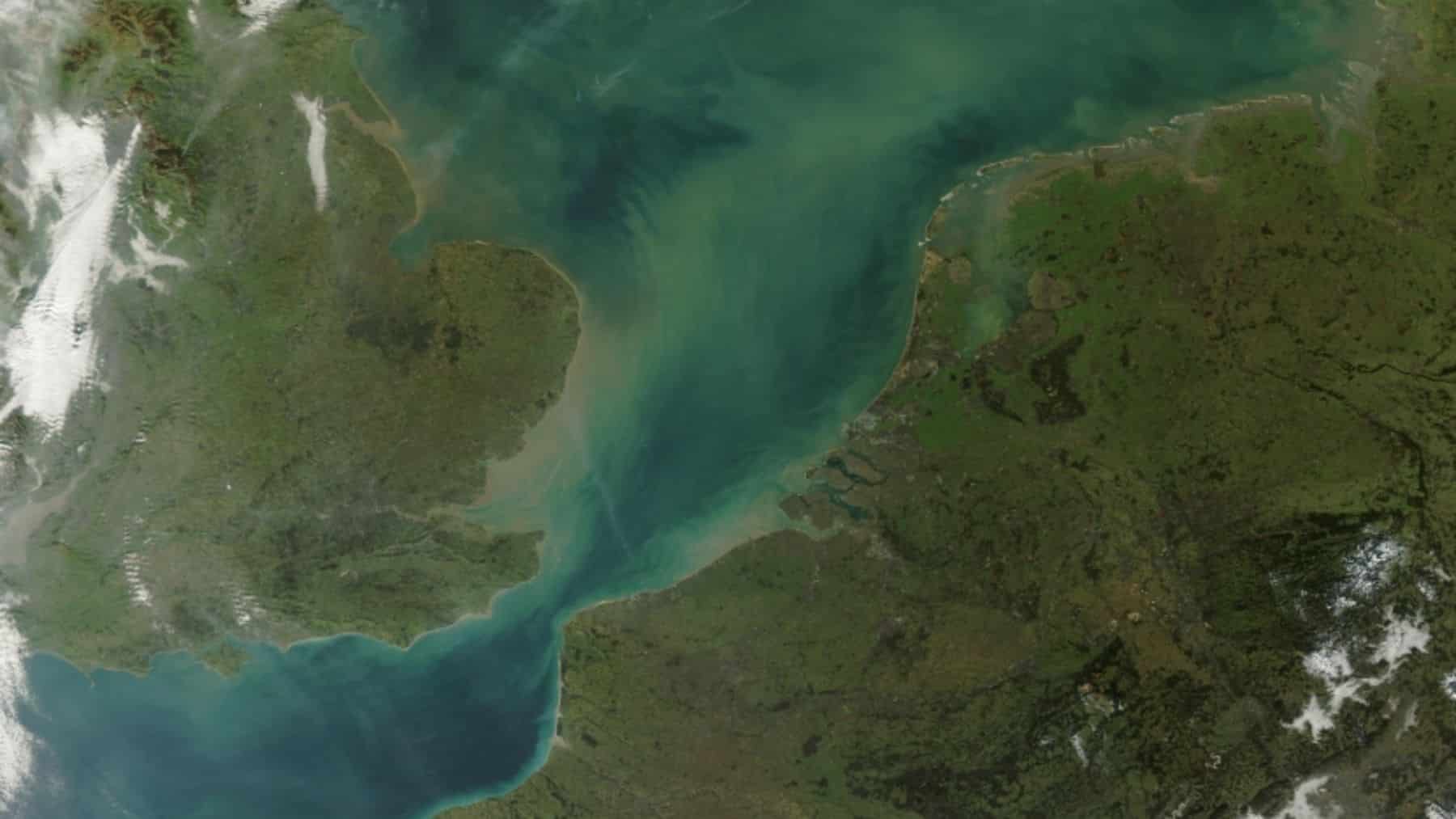
Two partners, Vattenfall and Copenhagen Infrastructure, are at the forefront of the Zeevonk project, which in itself is quite the model for integrated offshore clean energy systems. Being situated off the Dutch North Sea coast, Zeevonk makes use of offshore wind turbines and floating solar panels to enable its hydrogen production facility in Rotterdam to produce more hydrogen.
Full-scale construction is ensured due to the engineering consultancy Wood, which has been given the engineering design (FEED) scope for the project before all construction begins. The facility is set to feed into the Hydrogen Network Rotterdam so as to provide the pipeline that will carry hydrogen to industrial users across the Netherlands.
By combining offshore wind and solar power, energy availability is being maximized, and hydrogen is produced continuously. The initiative focuses on the move away from imported fossil fuels and may serve as a role model for other coastal nations.
OranjeWind is also a leader in clean energy usage
The focus has shifted away from turning hydrogen black and is on tonnes of green hydrogen. Another leading hydrogen initiative is fostered by TotalEnergies and Air Liquide with the aim of producing approximately 45,000 tonnes per year of green hydrogen with the use of energy from the OranjeWind offshore wind farm. The OranjeWind wind farm is somewhat of an equal joint venture between TotalEnergies and RWE.
As part of this project lies the construction of the 250-MW electrolyzer near New Zeeland’s refinery, which is scheduled for commissioning by 2029. The plant on its own will be able to reduce the carbon dioxide emissions at the site by 300,000 tonnes per year.
Alongside this, TotalEnergies is also looking at and tapping into Air Liquide’s ELYgator project in the Maasvlakte region, near Rotterdam. This electrolyzer’s capacity will enable it to produce over 15,000 tonnes per year of green hydrogen for TotalEnergies’ industrial operations in Antwerp, Belgium.
Europe’s 45,000 tonnes per year challenge of hydrogen production is all because Europe found the biggest treasure hidden under the ocean.
Projects offshore to ensure a hydrogen future
While these projects can be seen as isolated from one another, they work together to ensure a better hydrogen future on a continental scale. The Netherlands is quickly becoming a strategic testing base for hydrogen infrastructure throughout Europe.
Both projects, OranjeWind and Zeevonk, showcase how offshore wind projects can be used to supplement grid electricity and to ensure more green hydrogen is produced. More hydrogen being produced means that the need to meet the hydrogen demand is being taken care of as well. It is important to look at other projects around the world, like the Empire Wind 1 project, which offers a black hole of energy in America.
The EU’s motive is to install about 40 GW of renewable hydrogen electrolyzers by 2030. This will help to accelerate the hydrogen production alongside many similar projects taking place in Germany, the UK, and the Nordic countries. The use of hydrogen near port-based economies such as Antwerp and Rotterdam will ease the burden on sectors entailing shipping and heavy industry. In anticipation of the 45,000 tonnes of green hydrogen that will soon be a yearly occurrence, it seems as if an entire energy revolution is underway in Europe and throughout the continent.