If you have noticed how fast gas prices or delivery times can swing, part of the reason is surprisingly simple. Global trade depends on a handful of narrow sea lanes, and renewed tensions around the Strait of Hormuz are putting that dependence on display.
The main conclusion is hard to miss. When traffic slows at these “maritime chokepoints,” the shock can travel from energy markets to everyday goods in a matter of days, not months. What happens when one of those lanes tightens?
What a maritime chokepoint really is
A maritime chokepoint is a narrow passage or canal that a large share of ships must use to move between major markets. If it clogs up, there may be no easy detour, and ships can end up taking much longer routes.
That is where the risk concentrates. One disruption can trigger delays, higher fuel use, cargo spoilage, and rising insurance costs far from the original trouble spot.
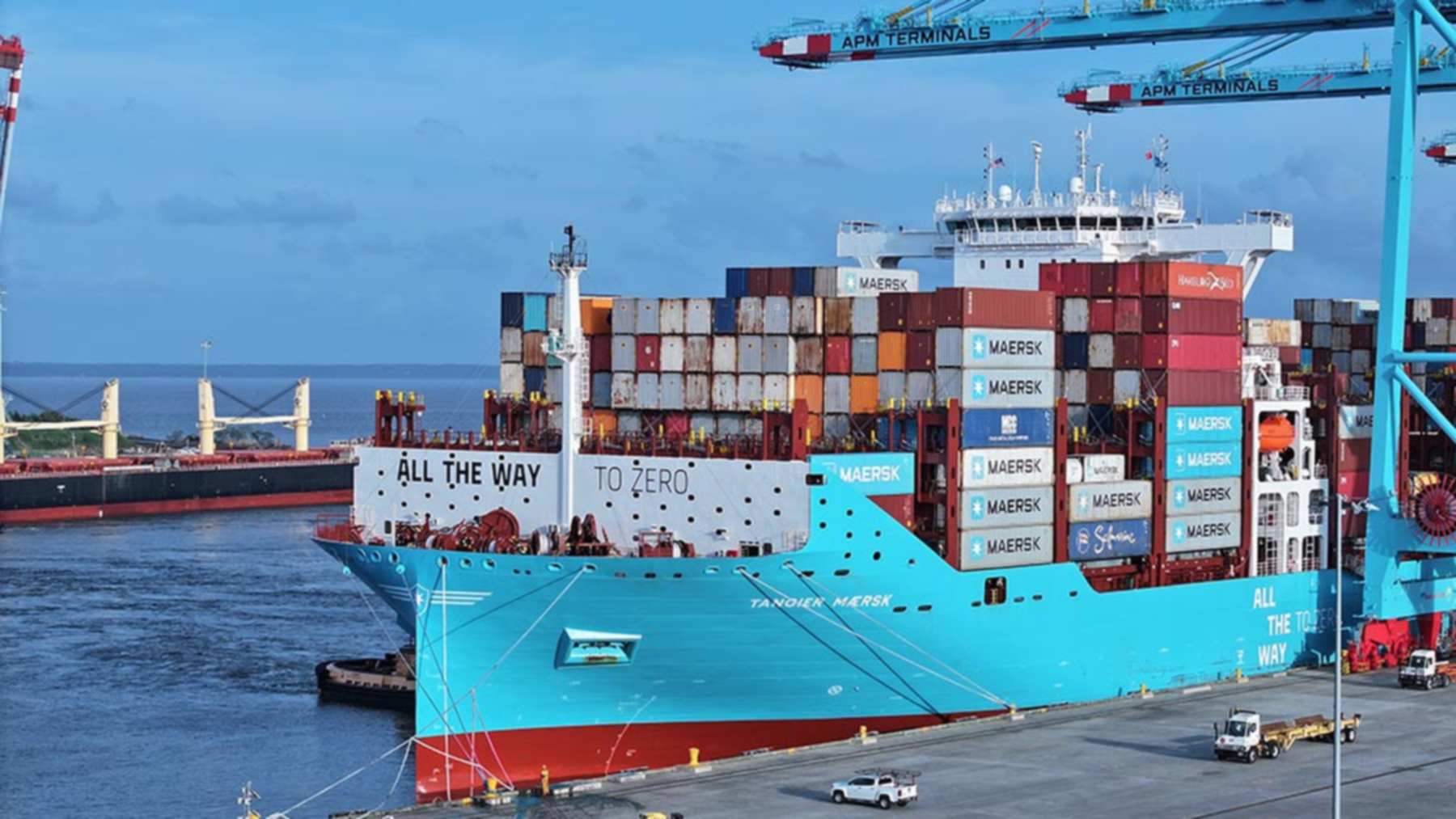
Ocean shipping carries the bulk of world trade by volume, according to UN Trade and Development’s maritime transport reporting. So even a localized slowdown can ripple across supply chains that are already running tight.
Why the Strait of Hormuz is so sensitive
Hormuz connects the Persian Gulf to open waters and sits at the center of global energy shipping. The U.S. Energy Information Administration reports that oil flows through the strait averaged about 20 million barrels a day in 2024, roughly one-fifth of global oil use.
It also matters for liquefied natural gas, or LNG, which is natural gas chilled into a liquid so it can be shipped overseas. The International Energy Agency says most LNG exports from Qatar and the United Arab Emirates still pass through Hormuz, representing about 19% of global LNG trade.
In 2025, an average of 95 vessels reportedly transited Hormuz each day, including about 55 oil tankers. Since the latest conflict began, that flow has dropped to fewer than 10 ships a day after maritime insurers pulled back war-risk coverage, and operators started avoiding the route.
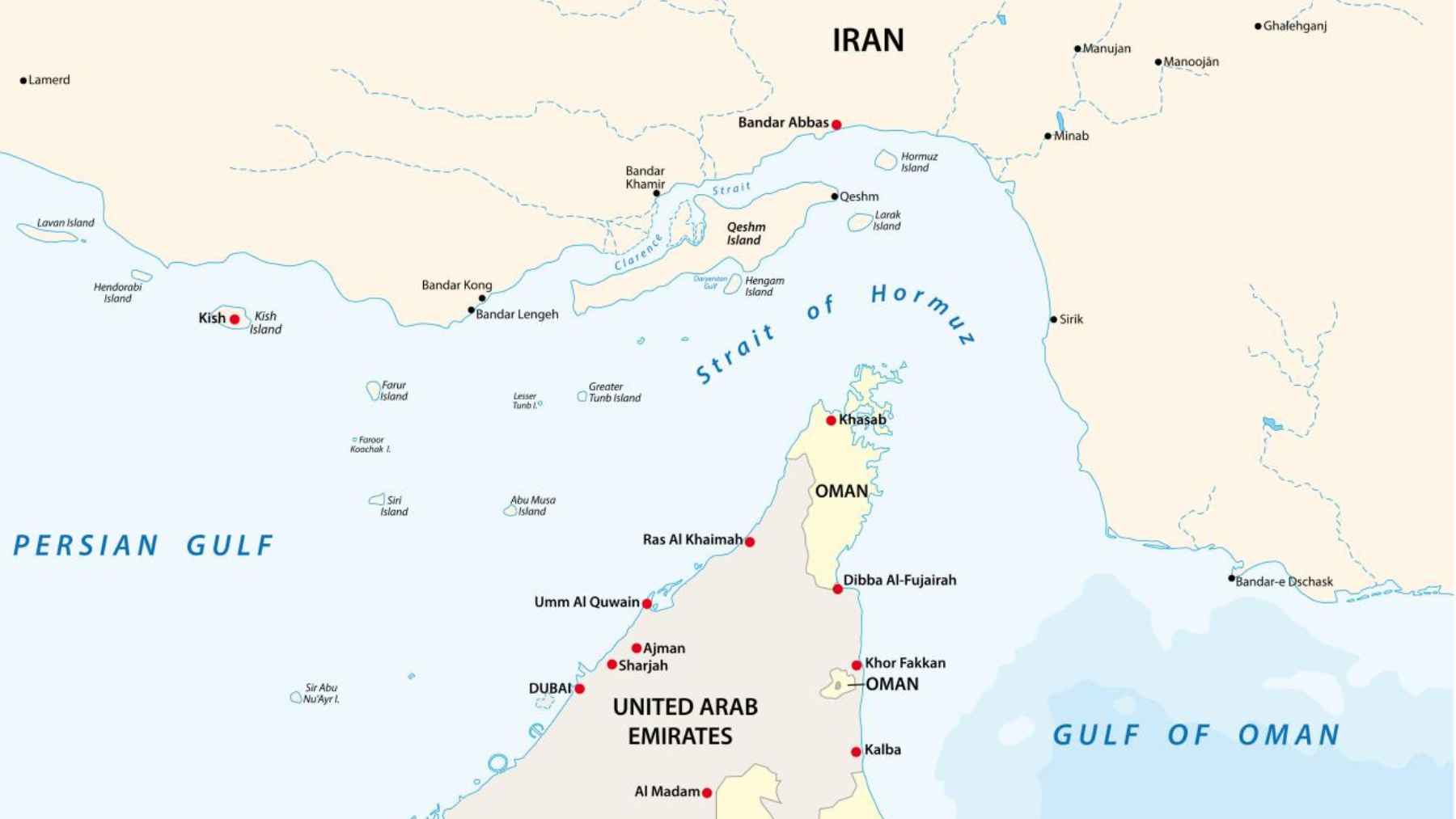
Geopolitical chokepoint: The Strait of Hormuz is a narrow passage between Iran and Oman through which 20% of the world’s oil must pass.
The ripple effect does not stay on the water
When ships reroute, the trip usually gets longer and more expensive, and vessels are tied up instead of making their next run. Over time, that can show up as higher shipping rates and longer waits, even for products that never touch the Middle East.
Energy is usually the first headline because prices react quickly. But the next wave can be quieter, like higher costs for plastics, fertilizer, or spare parts that factories need to keep production lines running.
People feel it in small ways that add up. If transport costs rise, companies may pass on part of the bill, which is why a distant chokepoint can still affect the pump price and the monthly electric bill.
A dashboard approach to watching global shipping
To make these risks easier to see, researchers working through the Oxford Programme for Sustainable Infrastructure Systems have been building tools that track disruptions as they unfold.
PortWatch is one example, created as a joint initiative of the International Monetary Fund, the University of Oxford, and Delft University of Technology to monitor global port activity, cargo flows, and vessel movements.
The goal is not just counting ships. By watching patterns across ports and corridors, analysts can spot where congestion is building, where trade is being rerouted, and how quickly traffic recovers.
The underlying datasets are publicly available through the Humanitarian Data Exchange, managed by the United Nations Office for the Coordination of Humanitarian Affairs. That matters because open data helps different users argue about solutions without arguing about the basics.
Insurers are modeling the next knock-on loss
A shipping disruption can also become a financial event, not just a logistics headache. Insurers and reinsurers, meaning companies that insure other insurers, pay close attention because delays and shortages can trigger claims across many industries.
That is why researchers are collaborating with Gallagher Re and the Gallagher Research Centre on tools to estimate how geopolitics and extreme weather can amplify losses in marine coverage, property insurance, and contingent business interruption. In practical terms, it is about the cost when a business loses sales because a supplier or a route went down.
What recent research says the stakes look like
A 2025 Nature Communications study by Jasper Verschuur and Johannes Lumma, co-authored by Professor Jim Hall, put numbers on how chokepoint shocks can propagate across countries. The researchers estimated the expected value of trade disrupted at chokepoints at $192 billion a year, with economic losses linked to delays, rerouting, and higher premiums.
Hall summed up the core point in plain language. “Maritime chokepoints may be geographically small, but they have an enormous impact on how the global economy functions.”
What resilience looks like in practice
Other chokepoints face their own pressure, and sometimes multiple hazards hit at once. Researchers modeling these networks estimate that the Suez Canal has about $88 billion in trade at risk each year, while the Bab el-Mandeb Strait sees about $117 billion in potentially disrupted annual trade.
No single fix removes the risk, but planning can blunt the impact. Businesses can diversify suppliers, keep a bit more inventory for critical parts, and map alternatives before a crisis hits, while public agencies focus on transparency and emergency energy planning.
A March 2026 briefing on Hormuz stresses that impacts depend on duration and how widely tensions spread, and it calls for continued monitoring as risks evolve. The trouble is that the clock often moves faster than politics.
The main official press release has been published on the Environmental Change Institute.