SpaceX has recovered Ship 40, preserving the first largely intact Starship upper stage available for inspection after returning from space. In an August 27, 2026, update, the company confirmed that the vehicle had been loaded onto a semi-submersible transport ship near Christmas Island. Its return to Starbase, Texas, was expected to take several months.
That development goes beyond SpaceX’s August 18 announcement that crews had guided the spacecraft to calmer waters after approximately 24 days at sea. But it also highlights an important distinction between recovering a rocket and reusing one. The immediate prize is hardware engineers can examine, not proof that another launch is around the corner.
An unplanned rescue after Flight 13
Ship 40 launched from Starbase, Texas, on July 24 as the upper stage of Starship’s thirteenth test flight. It followed a suborbital trajectory, traveling through space without completing a full orbit around Earth, before surviving atmospheric reentry and a controlled splashdown in the Indian Ocean.
Recovering the spacecraft had not been part of the original flight plan. Its unexpectedly gentle landing left the vehicle floating and transmitting data, opening an opportunity to retrieve more than flight recordings. Then the ocean complicated everything.
“Unfortunately, ship recovery is not looking good right now,” Elon Musk wrote on August 7. Eleven days later, SpaceX announced that its recovery team had guided the vehicle to waters off Christmas Island. The rescue had survived a moment when its outcome looked doubtful.
A rocket is not built to be a boat
Despite its name, Ship 40 was poorly suited to an extended ocean journey. The approximately 171-foot spacecraft had large aerodynamic flaps built to control its descent through the atmosphere, not to endure weeks of uneven wave forces, and no conventional hull or rudder for an ordinary tow.
Crews therefore faced more than the problem of attaching a line and pulling. They had to approach a partly submerged structure, establish secure connections, and move it without causing further damage or exposing people to unnecessary danger. Keeping it largely in one piece was an achievement, not evidence that it had escaped unharmed.
What the damaged heat shield can reveal
By August 27, engineers had moved beyond planning an inspection. SpaceX reported that its team had spent several days examining Ship 40 near Christmas Island and had collected heat-shield samples. Physical evidence was finally available alongside the measurements recorded during flight.
Why does that matter? Sensors can record temperatures and pressure changes, while a recovered spacecraft lets investigators examine tile attachments, flap edges, welds, and other surviving components directly. Comparing those physical traces with flight data could help explain not just where damage appeared, but how it developed.
There is a catch, though. Weeks of saltwater, waves, and towing mean that missing or worn tiles cannot automatically be blamed on reentry. Engineers could compare the recovered surface with onboard video and temperature records to help distinguish damage sustained in the atmosphere from damage that happened afterward.
Recovered does not mean ready to relaunch
The August 18 milestone meant Ship 40 had reached more manageable waters, not that it was ashore or back in Texas. SpaceX’s later loading announcement marked another concrete step. Neither event, by itself, demonstrated that the spacecraft could be refurbished and launched again.
Starship upper stages had completed controlled ocean splashdowns before this mission, including Flight 4 in June 2024. What changed was not simply reaching the water, but preserving a largely complete vehicle that a recovery team could bring under its control and make available for examination.
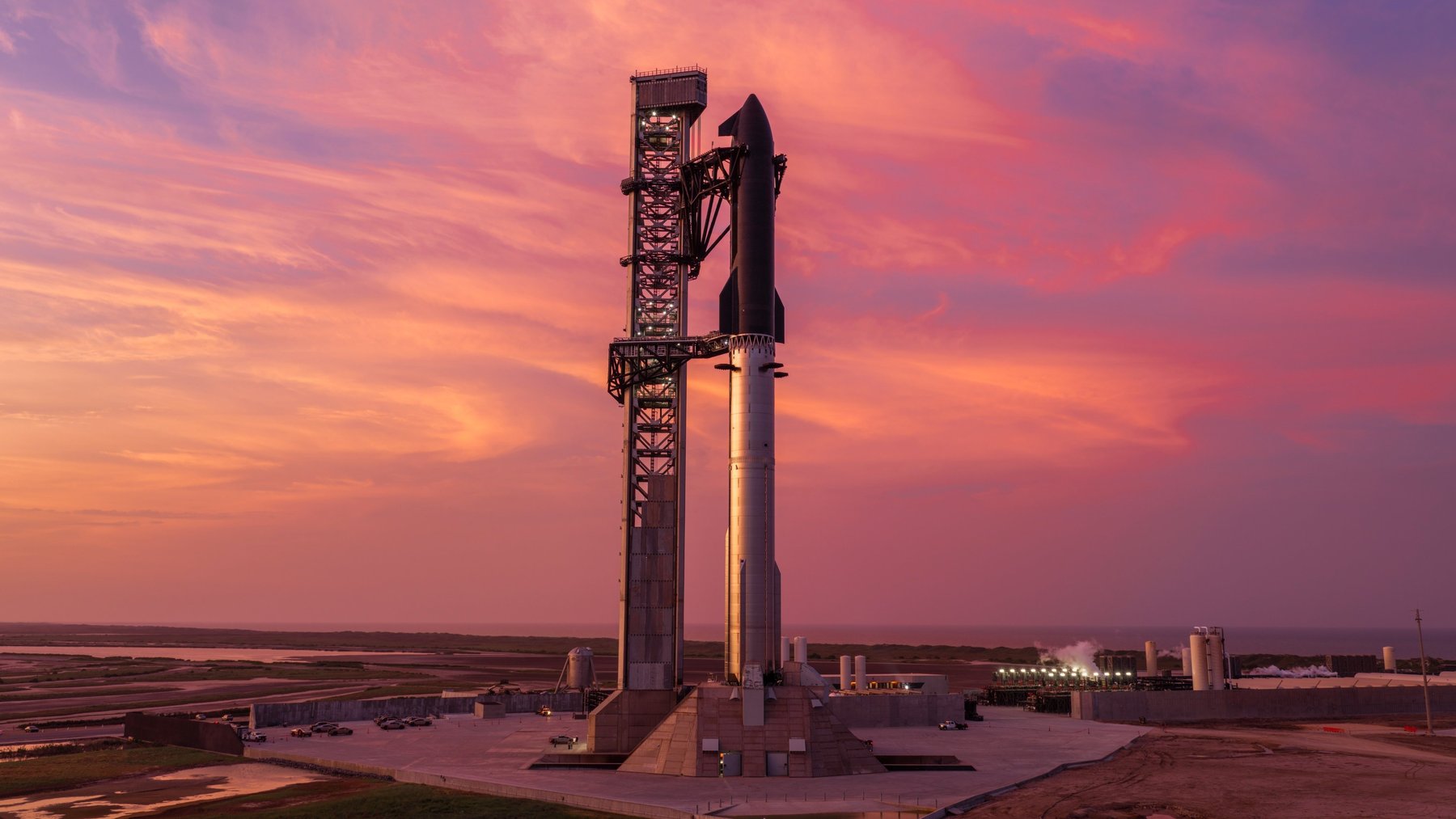
The distinction matters because SpaceX’s intended operating model is very different from a weeks-long salvage operation. The ambition is an upper stage that returns to its launch site, is caught by the tower, undergoes limited inspection, and flies again. Recovering one battered test vehicle cannot establish how reliably or economically that cycle would work.
A valuable test vehicle, even without another flight
For the heat shield, surviving one return is only part of the challenge. Protection that needs extensive replacement after every mission could permit recovery without delivering economical reuse. Inspecting Ship 40 could help engineers identify which parts of the design need improvement and which held up through the flight and its difficult aftermath.
The clearest takeaway is that SpaceX has preserved hardware that can help explain a flight, rather than proved a rapid turnaround for the next one. Ship 40 does not need to fly again to influence a future design.
The official recovery update was published on SpaceX’s account on X on August 27, 2026.