The morning of November 11, 1940, was mild across the upper Midwest. Skies were clear, with temperatures in the 40s and 50s, says the National Weather Service in La Crosse, Wisconsin. At 7:30 a.m., Chicago read 55°F (13°C).
The forecast that morning called for “colder temperatures and a few flurries.” By the next day, the Armistice Day Blizzard had killed 154 people, the weather service says. Among them were duck hunters on the Mississippi and sailors on Lake Michigan.
From 52°F to 6°F
In La Crosse, the thermometer read 52°F (11°C) at 11 a.m., according to the La Crosse Public Library. By 4 p.m. it was 28°F (-2°C), and at dawn the next day it was 6°F (-14°C).
Temperatures fell about 40 degrees in six to eight hours, meteorologist Paul Douglas told the Grand Forks Herald in 2010. Winds of 30 to 50 mph (48 to 80 km/h) drove the snow, the La Crosse weather office says.
Collegeville, Minnesota, measured 26.6 inches (67.6 cm) of snow. The Twin Cities got 16.7 inches (42.4 cm), and drifts near Willmar reached 20 feet (6.1 m). Those figures come from the weather service and Minnesota’s state climatology office.
Hunters caught on the river
The warm holiday morning had drawn many people outdoors, and the rivers were full of hunters. Minnesota had 120,000 duck hunters in 1940, compared with about 80,000 today, the La Crosse library notes. Many went out in short sleeves.
When the storm hit, hunters on the Mississippi took shelter on small islands and froze there, the weather service writes. Ice slowed rescuers the next day. Some hunters drowned and others lost hands or feet to frostbite, the weather service office in the Quad Cities adds.
“We knew that if we didn’t get out, we didn’t have enough clothes to survive,” Norman Roloff, who was 19 that day, told the Grand Forks Herald 70 years later.
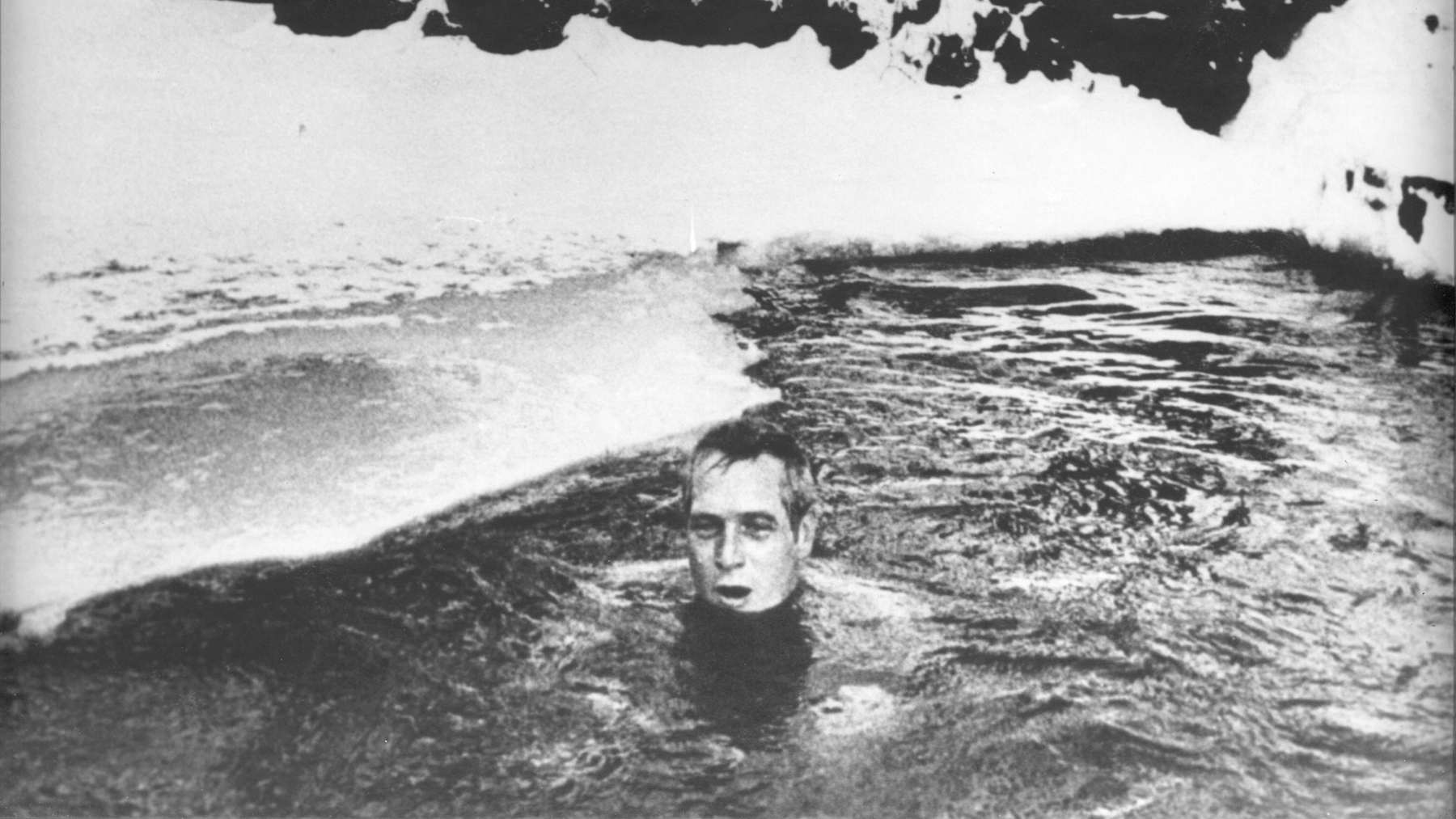
On the river, Raymond Bice watched the water itself change. “I’ve wondered how moving water could freeze, but I saw waves four feet high congeal like Jello,” he said.
Ships lost on Lake Michigan
Lake Michigan “felt the full fury of the southwest gales,” writes the weather service in Chicago. Off Pentwater, Michigan, the freighter William B Davock lost 33 people and the Anna C Minch 24. The Novadoc lost 2.
Those three ships account for the 59 deaths the weather service lists on the lake. Two fishing tugs and a motor cruiser were also lost with 10 people aboard, and several other ships ran aground.
The wind was strong enough to move the lake itself. At Chicago, the water level dropped 4.8 feet (1.5 m), the Chicago office reports. At Beaver Island it rose 4 to 4.5 feet.
A forecast nobody updated
The Weather Bureau knew a storm was coming but underestimated its strength and reach. That is how the La Crosse office puts it in its account of the aftermath. The Chicago office, which issued forecasts for eight Midwest states, had no one on duty overnight.
No one was watching the storm develop before dawn on November 11, a retired forecaster recalled in the weather service account. “The Armistice Day blizzard was not well forecast,” Minnesota Public Radio meteorologist Paul Huttner wrote in 2009.
The losses changed how forecasting worked in the United States. Weather offices gained support to stay open 24 hours a day, and forecasting moved from Chicago toward regional centers. The Twin Cities office was strengthened to issue its own forecasts.
Numbers that do not match
The death toll varies from one account to another. The weather service gives 154 deaths, including 49 in Minnesota, while the La Crosse Public Library puts it at 150 to 160. The weather service counts 12 hunters dead on one stretch of the Mississippi, and the library estimates 50 to 85 across the region.
Farm animals died by the thousands as well. Thousands of cattle died in Iowa, and more than a million turkeys were killed, the La Crosse office says. Minnesota’s climatology office ranks the storm as the state’s second most important weather event of the 20th century.
Big winter storms still happen, but warnings now come from weather offices that are staffed around the clock. ECOnews has covered cases such as a polar vortex anomaly and storm alerts for up to 60 inches of snow. It has also reported on the Philadelphia office’s snowfall warnings.
The data come from National Weather Service offices in La Crosse, Chicago and the Quad Cities, the Minnesota State Climatology Office, the La Crosse Public Library, the Grand Forks Herald and Minnesota Public Radio, consulted on November 3, 2026.
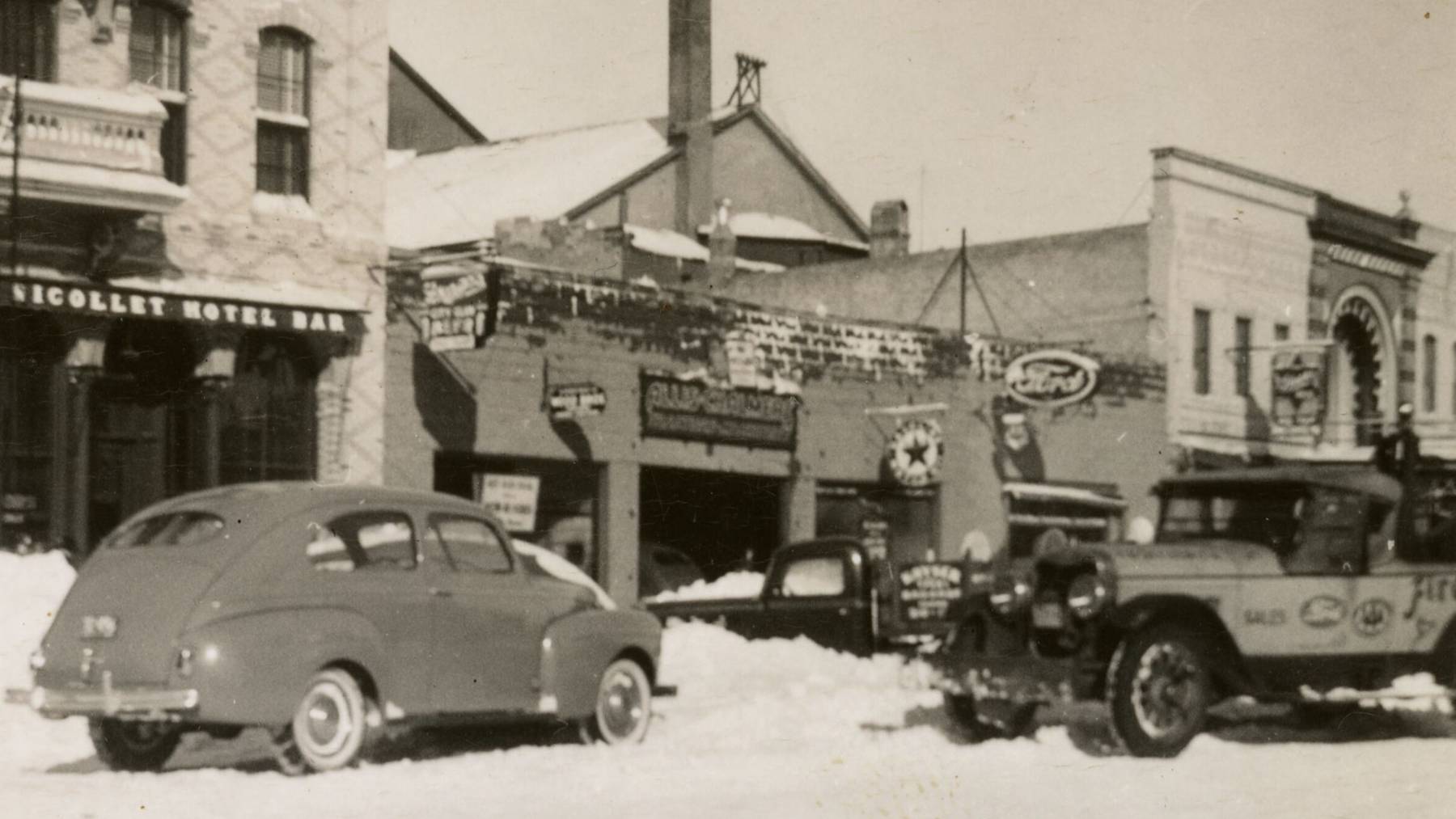
Photo: Nicollet County Historical Society / Wikimedia Commons (no known copyright restrictions in the US)