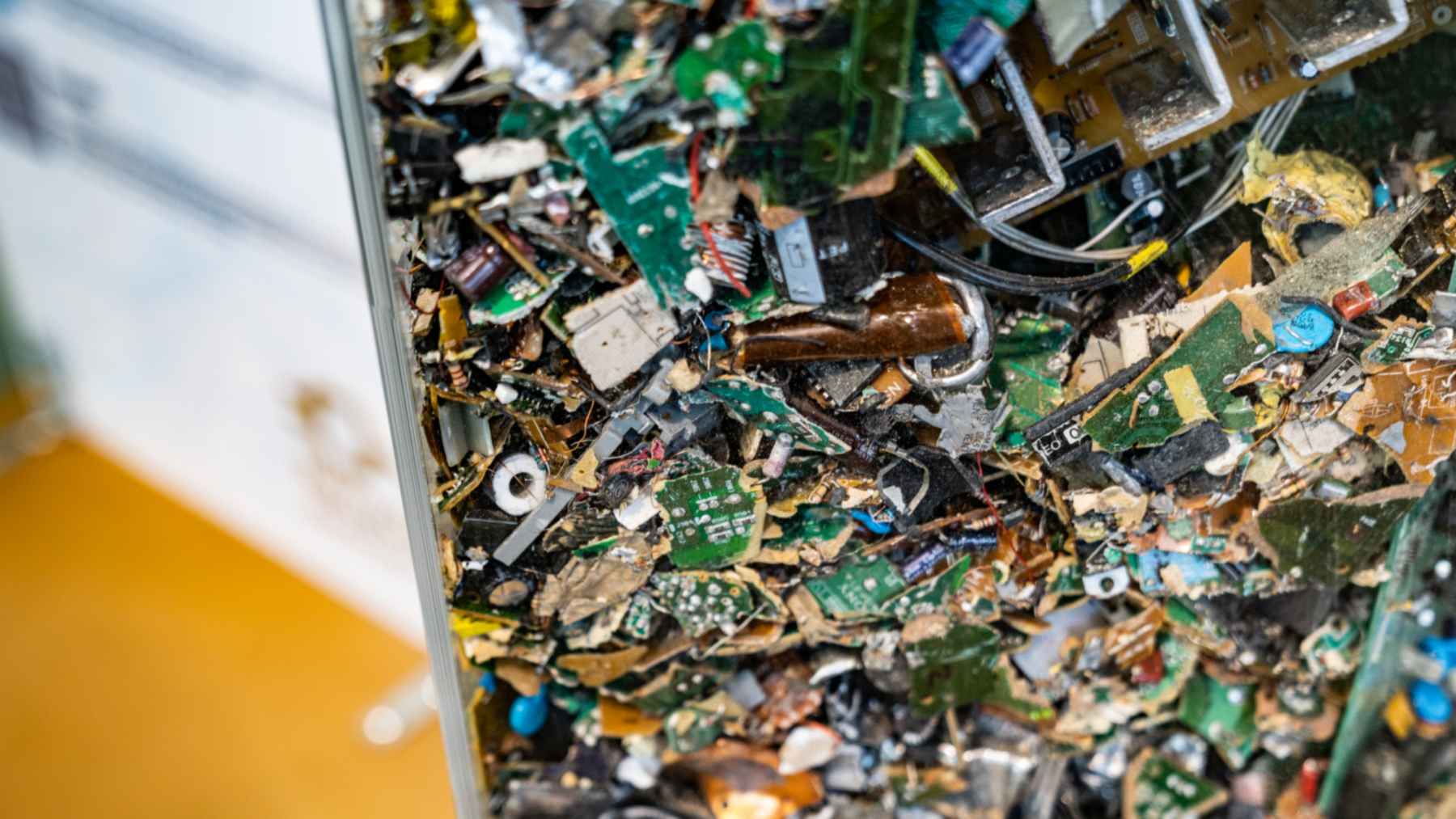
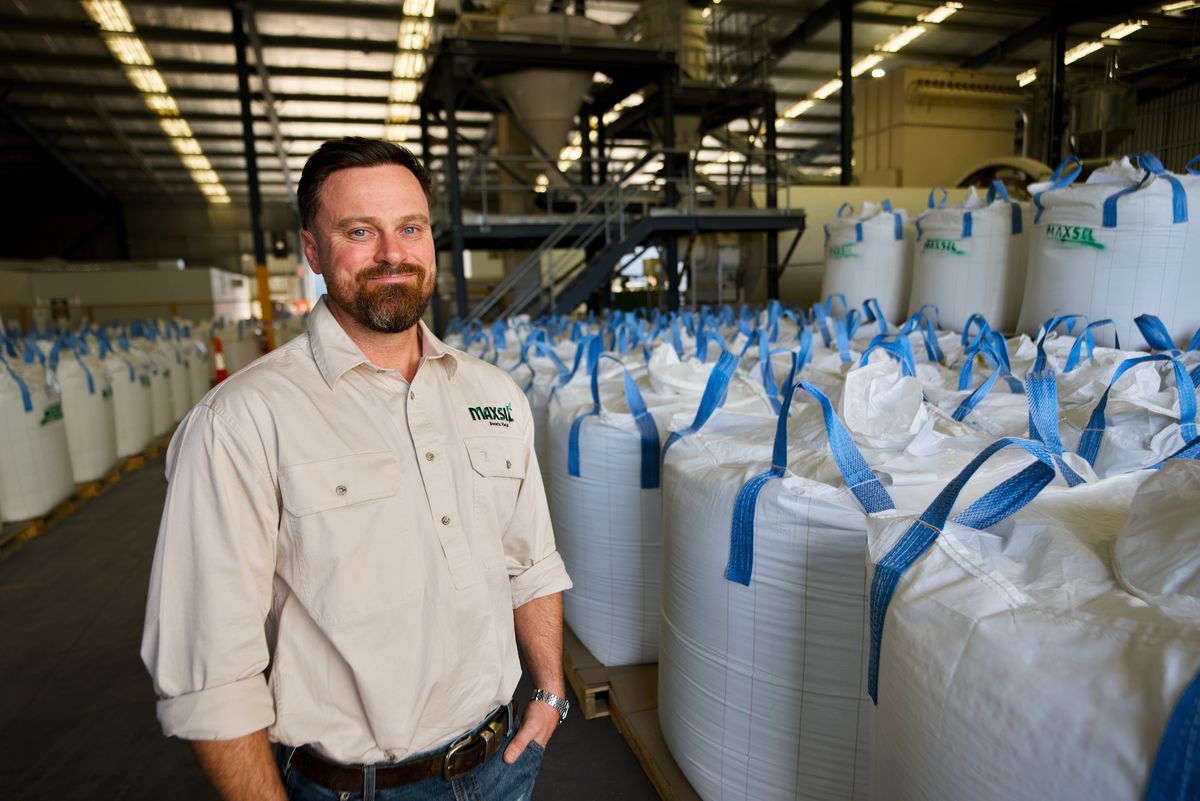
Farmers in Australia are spreading recycled glass fertilizer on paddocks, orchards and cattle pasture. The company’s website relays a Victorian farm manager’s claim of lower inputs, which nobody has verified. The product, sold as MaxSil, comes from a factory at Brendale, Queensland, where used lime soda bottles become powder.
Silicon explains the interest, since many soils hold it in forms roots cannot absorb. Even so, the company’s own product page carries a caution. Most of the savings it advertises come from research on other materials.
Bottles ground below five microns
According to the manufacturer, the superfine powder has a median particle size under 5 microns. Growers can spray it on leaves, run it through irrigation lines, or blend it into compost.
A coarser option combines silicon with humates and lignin in 2 to 5 millimeter granules. For cereals, the company recommends about 13 pounds per acre (15 kilograms per hectare) beside the seed.
Founder David Archer said in a radio interview that a finer grind changed the product. Plant-available silicon rose from about 15,000 parts per million toward 42,000 in some instances, the company’s summary says.
Steelworks slag and fossilized diatomite supply about 1.5 kilograms of plant-available silicon per metric ton, by MaxSil’s count. Its own powder, it says, supplies 36 kilograms.
Because the glass is amorphous, the company adds, it lacks the crystalline structure tied to silicosis.
Iron, phosphate and Brazilian maize
MaxSil is careful about the label. According to the company’s website, Archer presents the product as a plant stimulant that improves nutrient uptake, not as a replacement for fertilizer.
The company’s explanation centers on phosphorus, which clings to minerals in the soil and can stay out of reach of roots. Silicon, it says, attracts iron, and the phosphate then comes loose.
Researchers at São Paulo State University in Botucatu, Brazil, tested that idea on maize in a greenhouse. Their experiment, published October 1, 2026, ran six treatments with four replicates each for 60 days.
Silicon applied 30 days before phosphorus raised available soil phosphorus by 60.49 percent over phosphorus alone. Applying both at sowing raised it by 54.78 percent. Yet phosphorus uptake in the plants did not increase with either timing.
The team used manufactured fumed silica, so ground bottles were never in the pots. Freeing a nutrient in soil and getting it into a crop proved to be separate results.
Heavier cattle at Midfield Meats
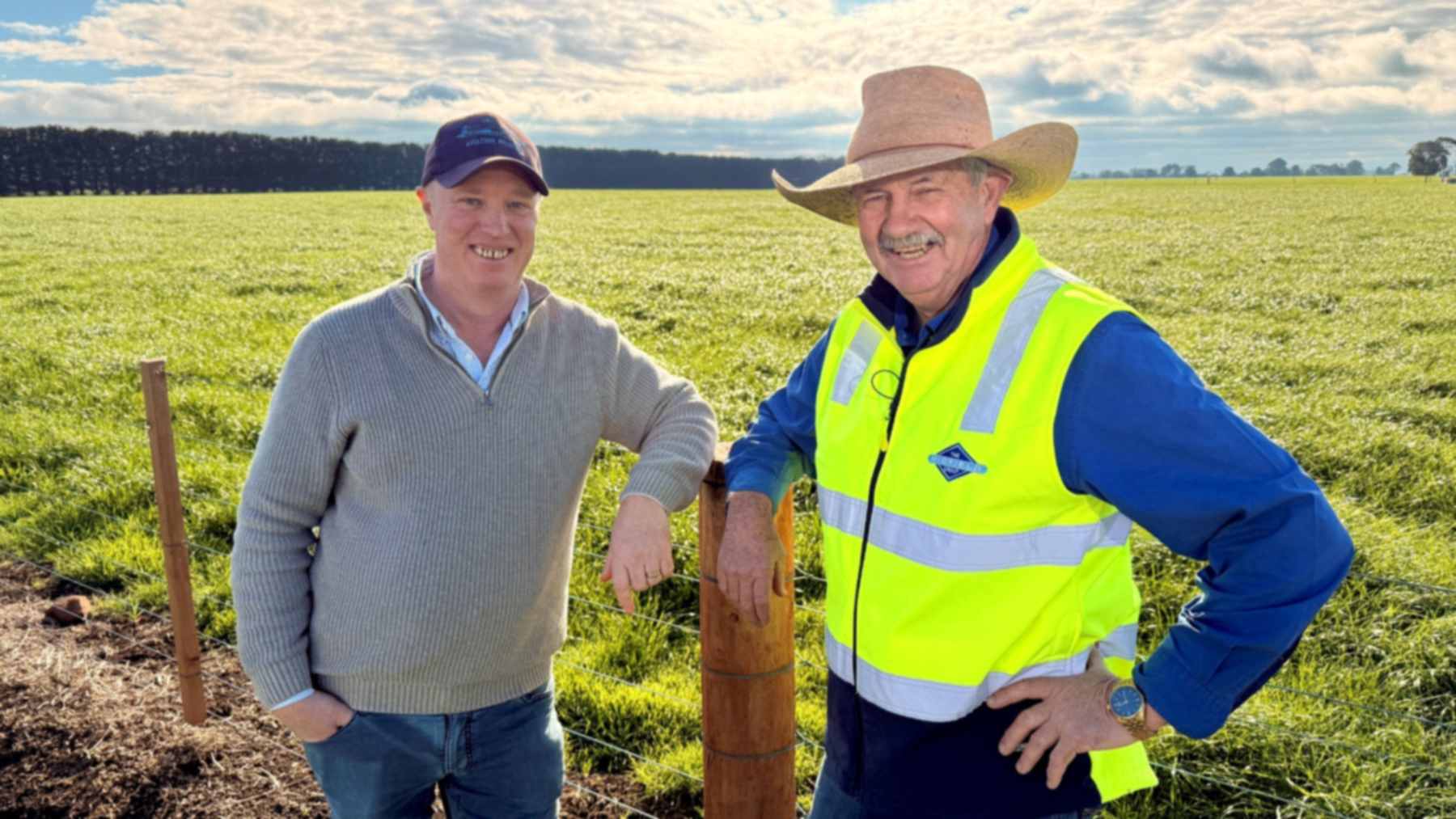
Tony Donovan manages about 34,600 acres (14,000 hectares) of pasture and cropland in Victoria for Midfield Meats. MaxSil’s website says winter weight gains in his cattle climbed from roughly 1.5 to 1.8 pounds a day to 3.1 pounds, and as high as 4.4.
The page also says the farm grows as much while using at least 30 percent less input, though it never spells out which inputs fell. It credits agronomist Peter Norwood with an estimate of up to 25 or 30 percent better plant growth and productivity.
Fine print on that same page matters here. MaxSil states that the grower and agronomist remarks are not presented as product performance claims.
These figures are the company’s to relay, not independent results, and no untreated paddock appears beside Donovan’s numbers. Season, feed and other farm changes could all have played a part.
Colombian tomatoes and rice
MaxSil’s stronger evidence comes from replicated plots abroad, reported on its own news pages. Colombian tomatoes treated at up to 71 pounds per acre (80 kilograms per hectare) yielded up to 43 percent more than untreated controls.
Didesagro PN SAS, a Bogotá research company, ran a 2024 rice project in the Meta region. Its best result was a 47 percent yield increase, from powder combined with nitrogen and compost. MaxSil alone delivered up to 21 percent.
In Australia, the company says Professor Zed Rengel of the University of Western Australia reviewed its vegetable trials. He concluded that treated crops earned better gross margins than untreated plots, according to a company summary that gives no yield data.
Bottle makers want that glass
Recycling credentials need their own accounting. Queensland’s Container Exchange addressed glass in a May 2025 fact sheet for state lawmakers. All glass from its refund points is recycled in the state, it said, with more than three-quarters going back into new bottles.
Ground glass on a farm, then, may not be glass saved from a dump. Farms are not the only new outlet either, as a New Orleans effort to crush bottles into coastal sand shows. MaxSil’s pages reviewed here give no energy or emissions figures for the grinding or the trucking.
MaxSil’s savings await field data
The most telling sentence sits near the bottom of the powder page. Its efficiency figures draw mainly on research with calcium and magnesium silicates and with precipitated or fumed silica. As for the glass product, “MaxSil specific reduction rates are being confirmed through our own field trials.”
Until those numbers appear, the company suggests a strip trial on one paddock. Harvests, fertilizer use and costs, measured against an untreated strip over several seasons, would answer what testimonials cannot.
The phosphorus experiment was published in Plant and Soil.
Photo: Kyle Harley / MaxSil