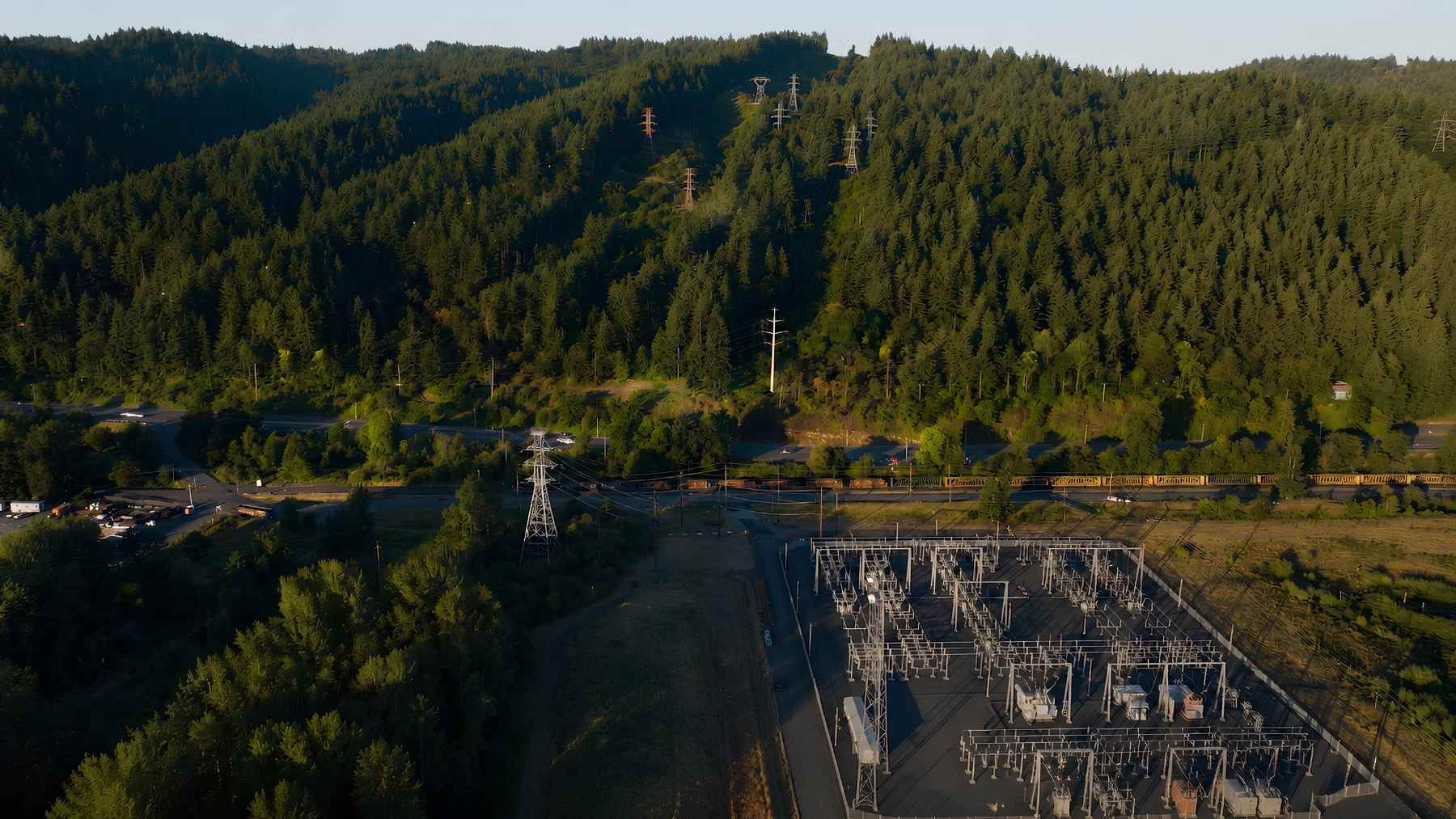
Conservation groups have expressed discontent over the proposed Portland General Electric’s Harborton Reliability Project, which would cut down almost 400 trees of a 5-acre plot. City Hall has not given the initiative final approval as of yet.
While PGE contends the go-ahead is necessary to maintain reliable power for over 55,000 homes and businesses, detractors argue that mature forest, wetlands and waterways, and wildlife will suffer the brunt. The city is awaiting a staff report recommending the revised application.
Why PGE says the project matters
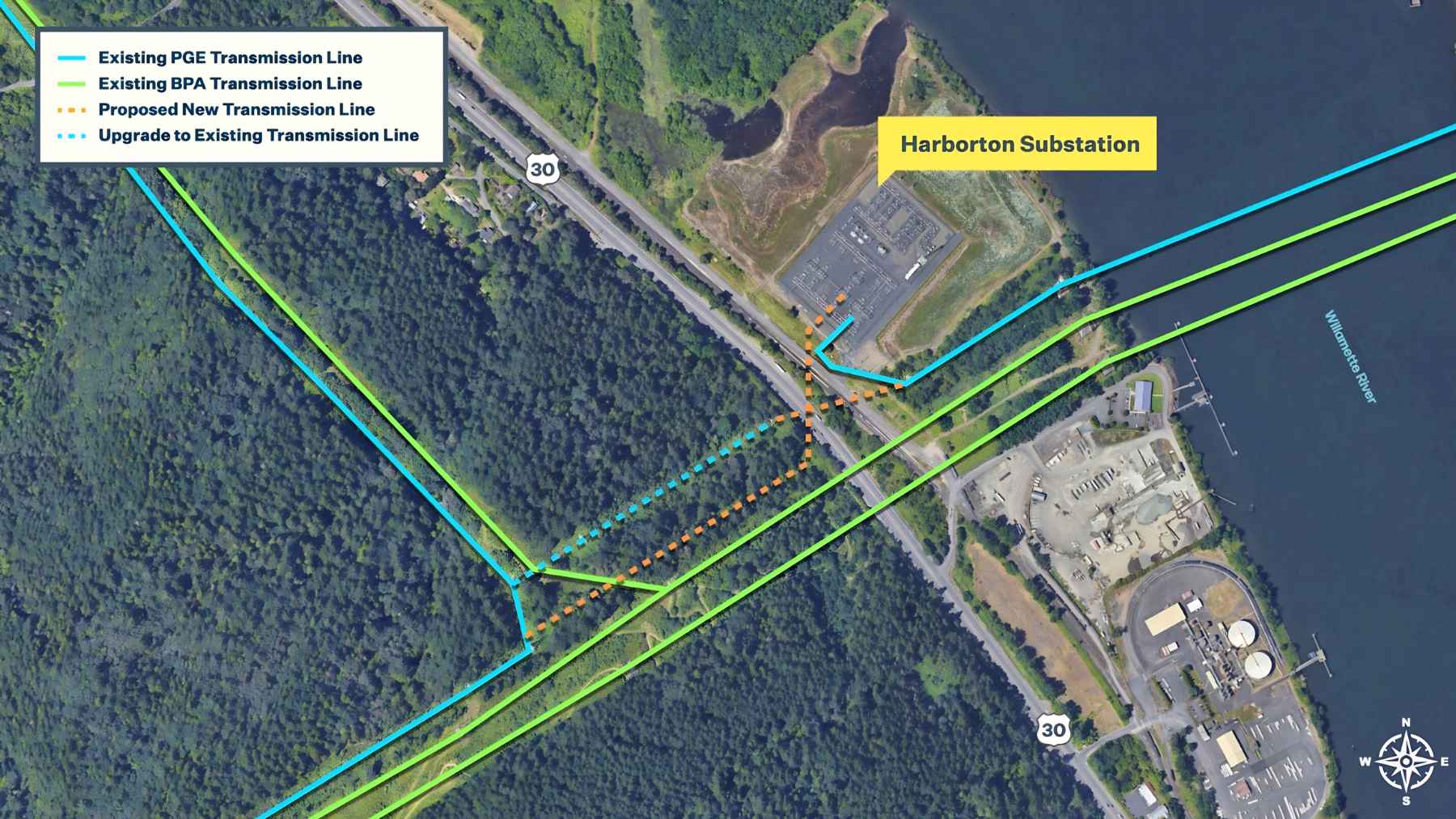
According to PGE, a new 1,400-ft. segment of high-voltage transmission line would improve distribution of electricity in the event of equipment failure, or spikes in demand during extreme heat waves or cold spells. It would also include an upgrade to a decades-old line inside a utility corridor.
The utility points to potential outages in parts of Portland coming as soon as 2028 if the work is not approved.
What Portland agreed to
PGE would funnel $5.5 million into habitat restoration in and around Forest Park, in addition to environmental remediation needed after construction is finished. The money could fund wetland restoration and wildfire fuel reduction, along with land and wildlife conservation and invasive plant removal. The city, however, will have the last word on how funds are allocated.
Once the agreement features a revised construction plan and more technical analysis, a public hearing must be held before an officer whose decision can be subject to an appeals process with City Council. The proposal also allotted $250,000 for an outside consultant to evaluate feasibility.
Why critics call it a bad deal
Forest Park Conservancy, Bird Alliance of Oregon, and Forest Park Neighborhood Association were not at all satisfied with the mediation process. They refused to sign the agreement after being excluded from final negotiations, which they described as a “backroom agreement” that circumvented legitimate public review.
They called for $7.5 million, $2 million more than PGE’s offer, placing $5 million of that into a conservation trust for better public oversight. Their plan asks for restoration of up to 100 acres in the park’s north end to compensate for forest damage, clean up streams, and restore habitat connectivity.
The decision is not finished
The trees are safe–for now. The city still must review PGE’s revised application, publish notice, schedule a hearing, and hear the independent auditor.
Although recent developments lean towards approval of the agreement, the ecological cost still has to be weighed in a public, transparent process with all concerned parties included.
The official statement was published on Portland.gov.