
ECONEWS

A team of journalists specializing in socio-environmental news, sustainability, climate change, the environment, responsible consumption, and innovation. At EcoNews, we provide clear, reliable, and relevant coverage of the environmental and social challenges shaping our era.
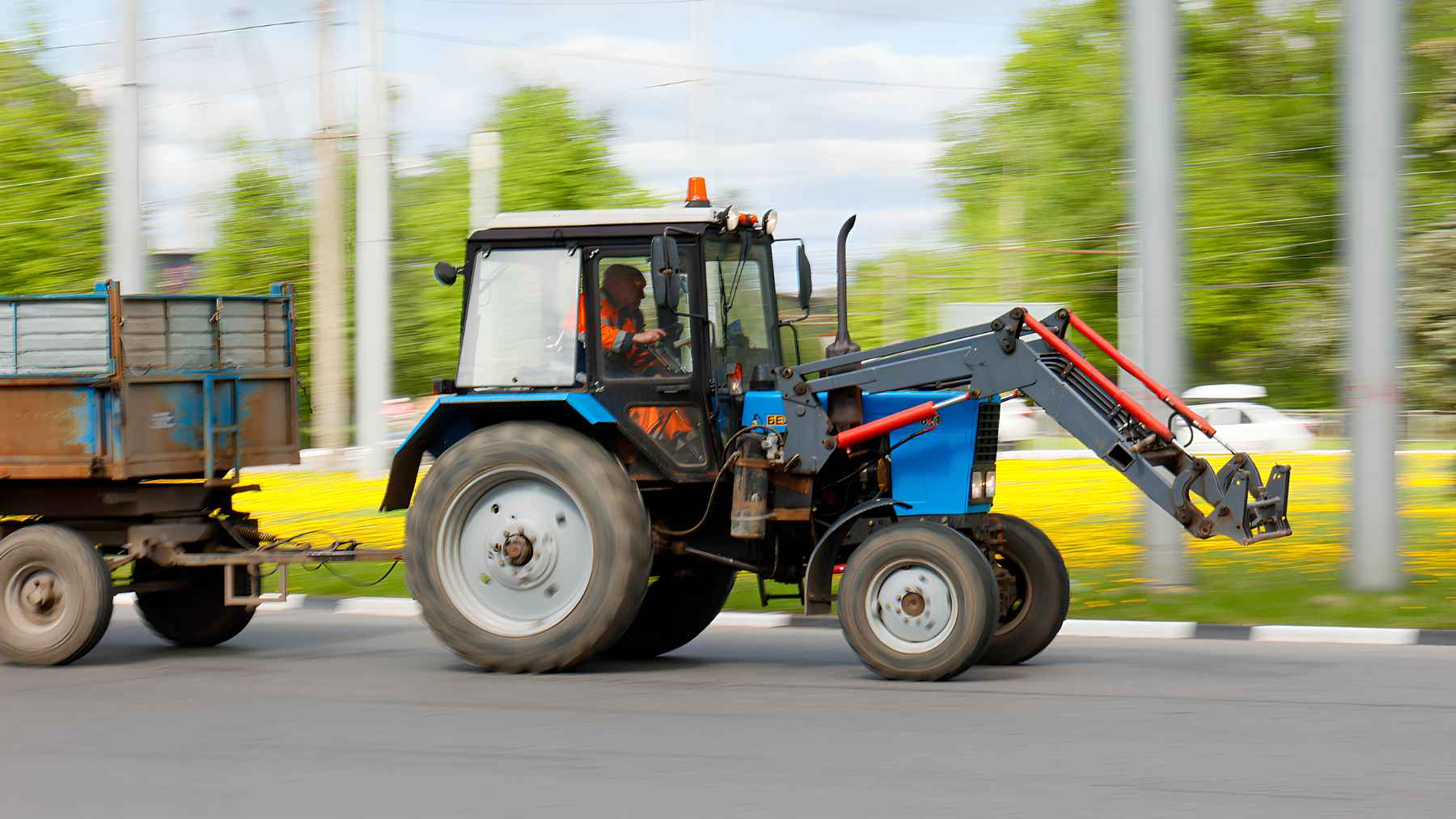
Blue tractor photographed by Novgorod State University, linked to a project that proposes injecting cooled exhaust gases into soil.

A Russian university has just unveiled a tractor attachment that injects cooled exhaust gases directly into the soil—a highly unusual idea that promises to benefit crops but requires extensive testing under real-world conditions

—
July 3, 2026 at 12:29 PM
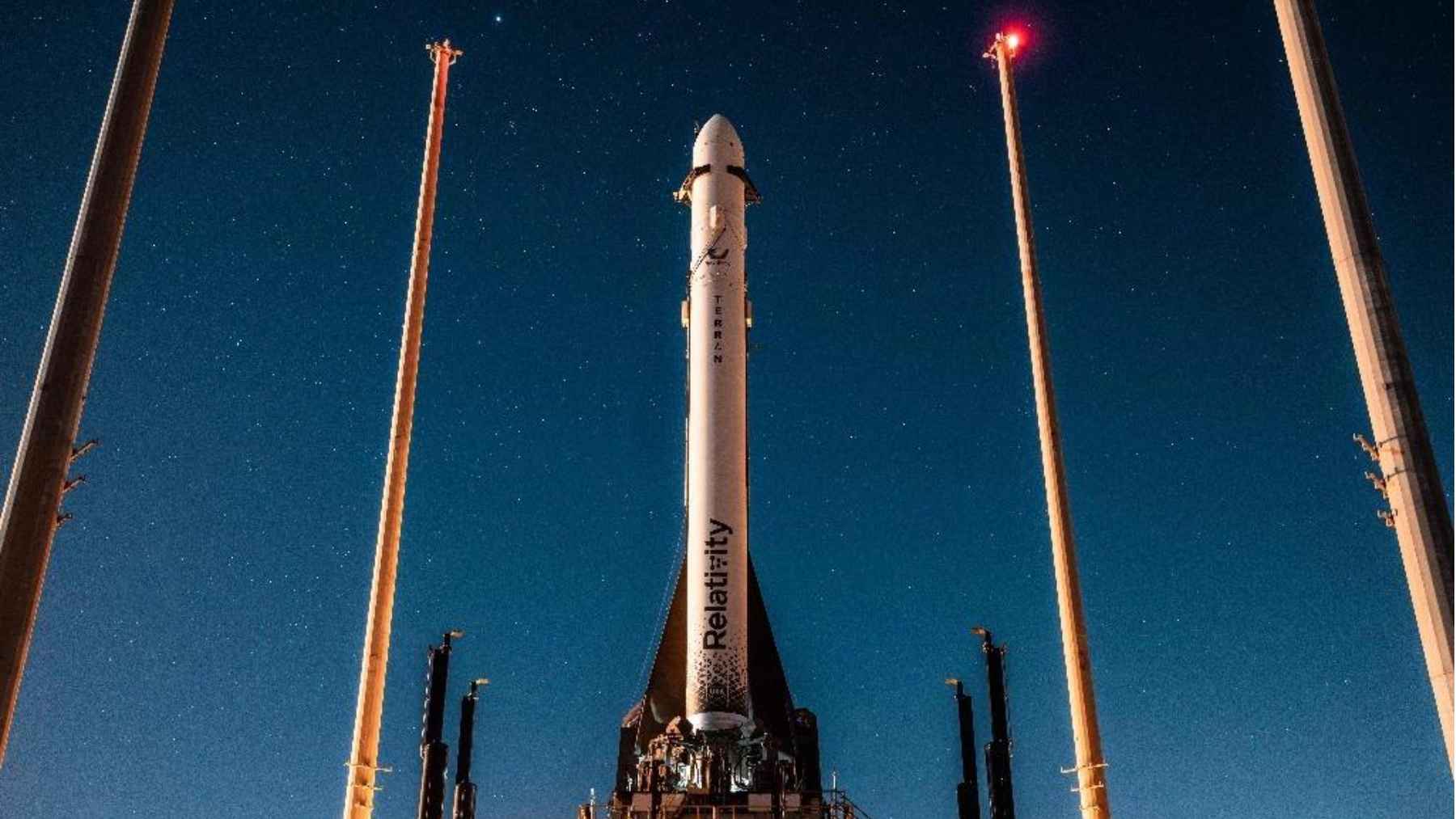
Relativity Space rocket standing on a launch pad at night, linked to NASA’s 2028 Aeolus mission to study Martian weather.

NASA is teaming up with Relativity Space, a newbie in the space exploration field, and not Space X, for a project mapping the violent seasons on Mars due to take off in 2028

—
July 3, 2026 at 8:45 AM
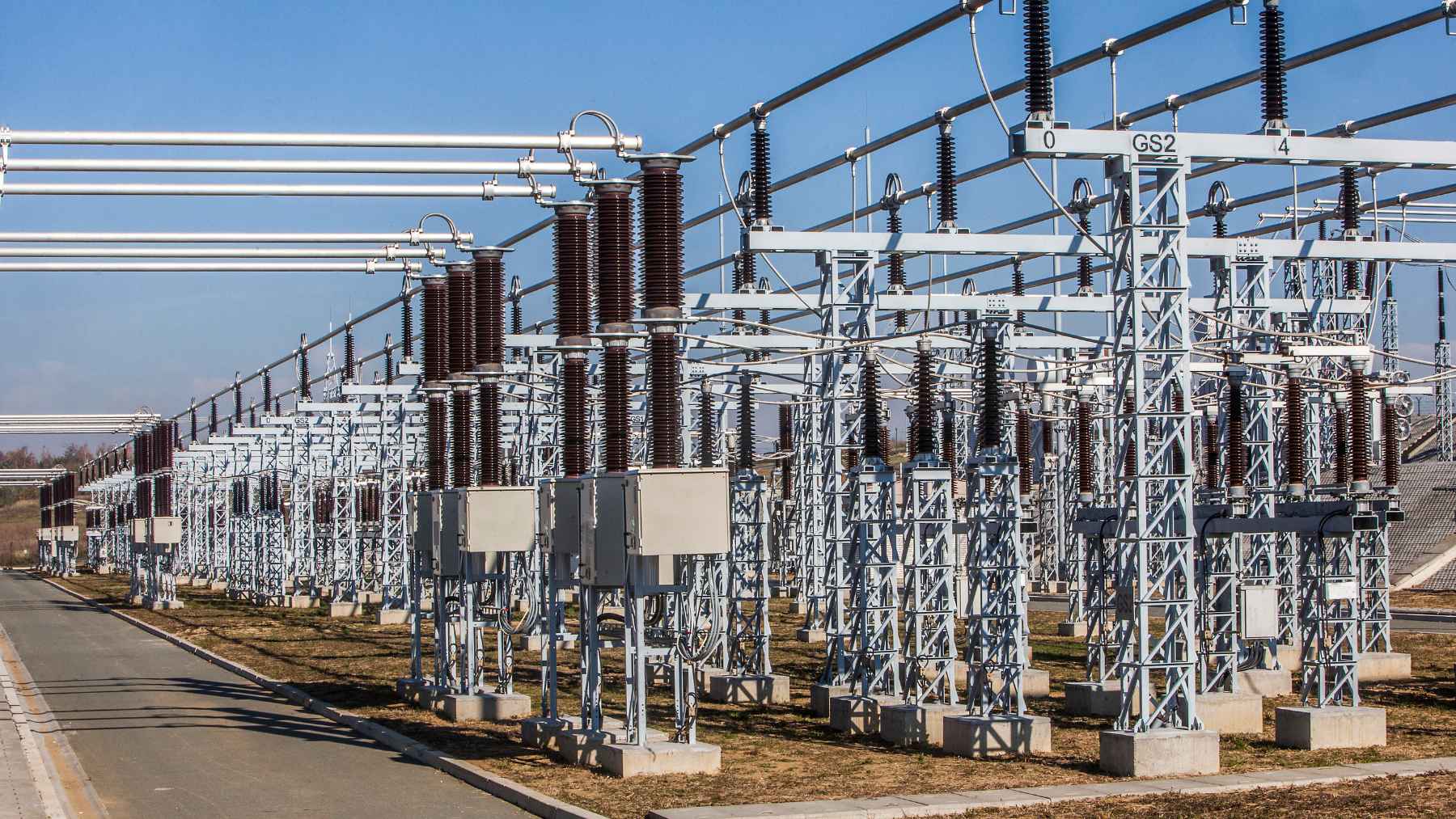
High-voltage electrical substation with transmission equipment, linked to concerns over AI data centers and U.S. grid demand.

FERC gives six US grid operators 60 days to explain how they connect AI data centers without raising household bills

—
July 3, 2026 at 6:30 AM
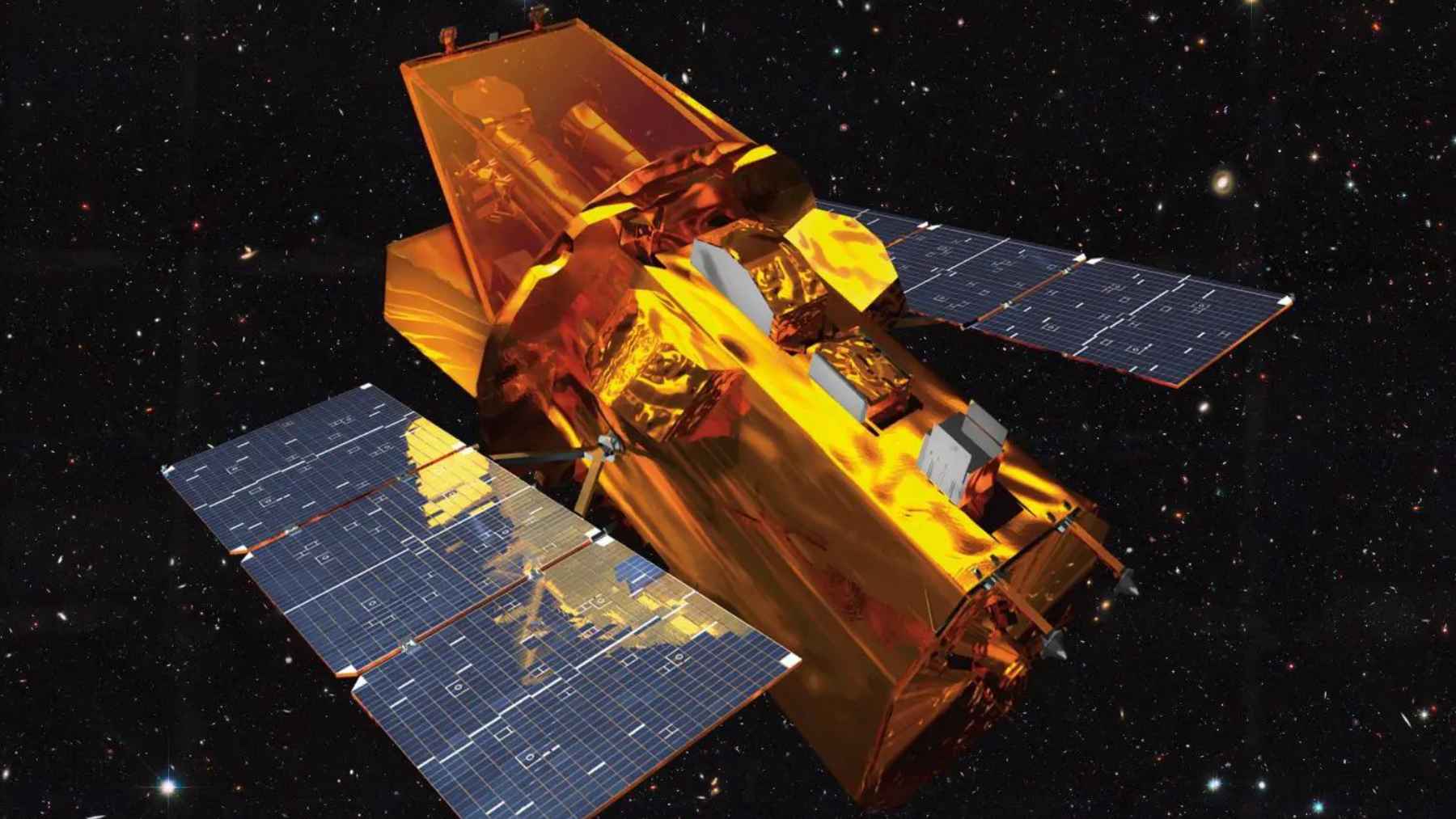
NASA's Neil Gehrels Swift Observatory in orbit as engineers prepare a robotic mission to capture and raise the aging space telescope.

NASA is preparing an extremely unusual rescue mission to save the Swift telescope, an observatory launched in 2004 that has been recording cosmic explosions and was never meant to be recovered

—
July 2, 2026 at 7:30 PM
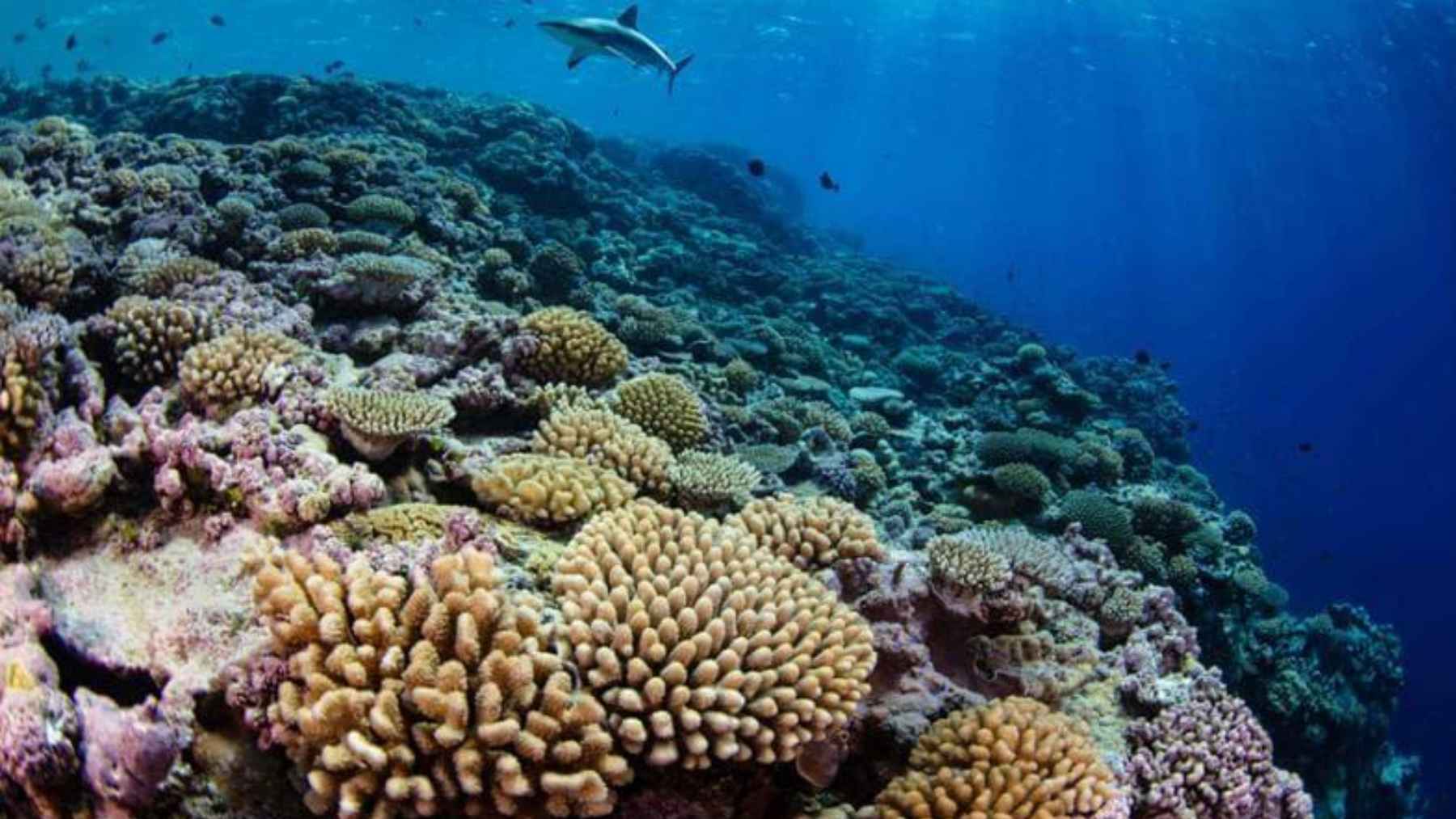
Yellowfin, an autonomous surface robot, surveys coral reefs in Majuro Lagoon to identify heat-resistant coral communities.

It looks like a yellow toy floating in a lagoon, but it has a huge mission: to find the most resilient corals before the ocean warms up again

—
July 2, 2026 at 6:30 PM
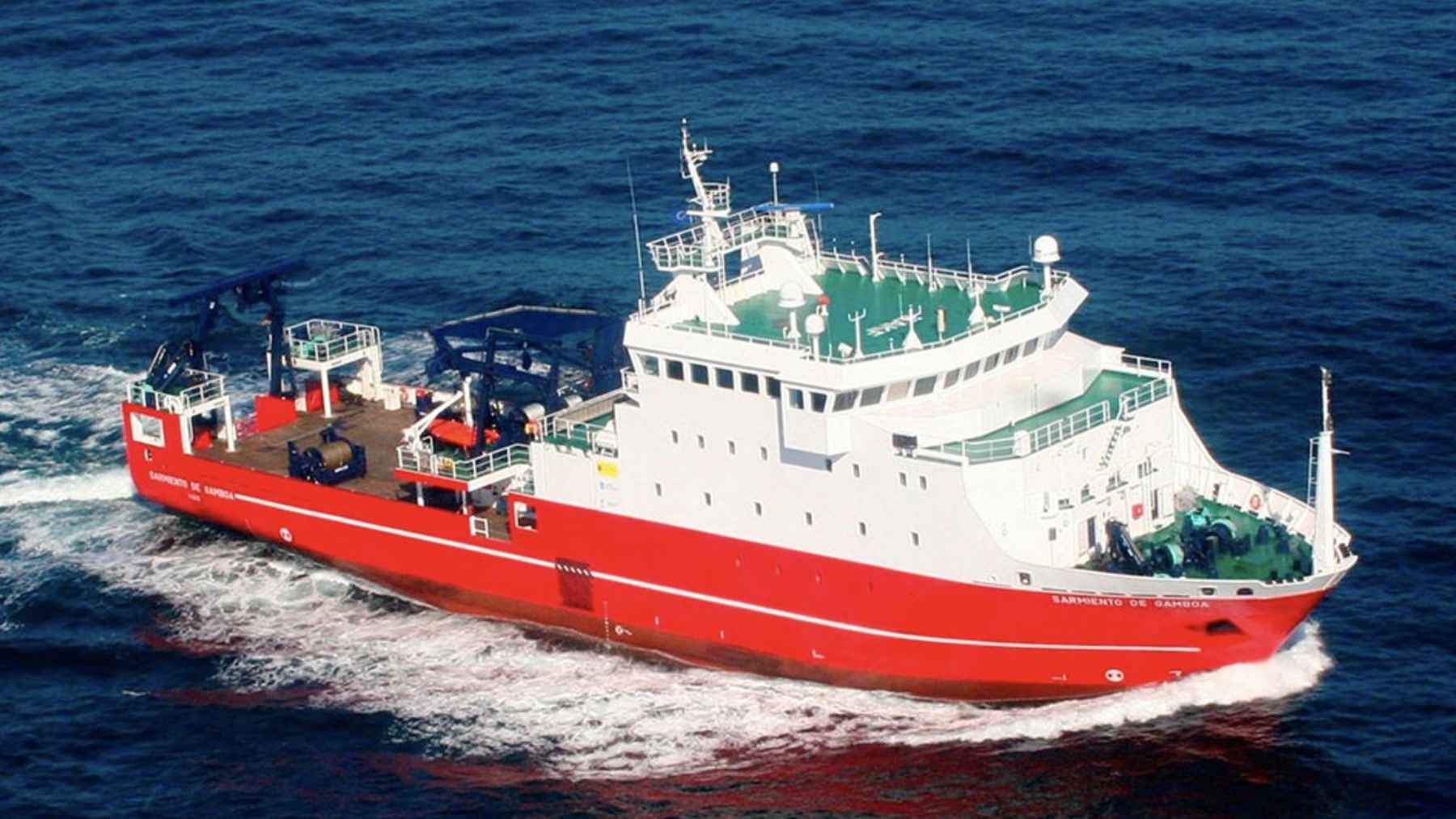
The Spanish research vessel Odón de Buen sails during the MORIA 2 expedition to study Mediterranean Outflow Water and its influence on the Atlantic Meridional Overturning Circulation (AMOC).

It all began with an extremely salty current flowing every day from the Mediterranean; now, a ship is traversing the ocean to investigate the Atlantic’s great climate engine

—
July 2, 2026 at 3:00 PM
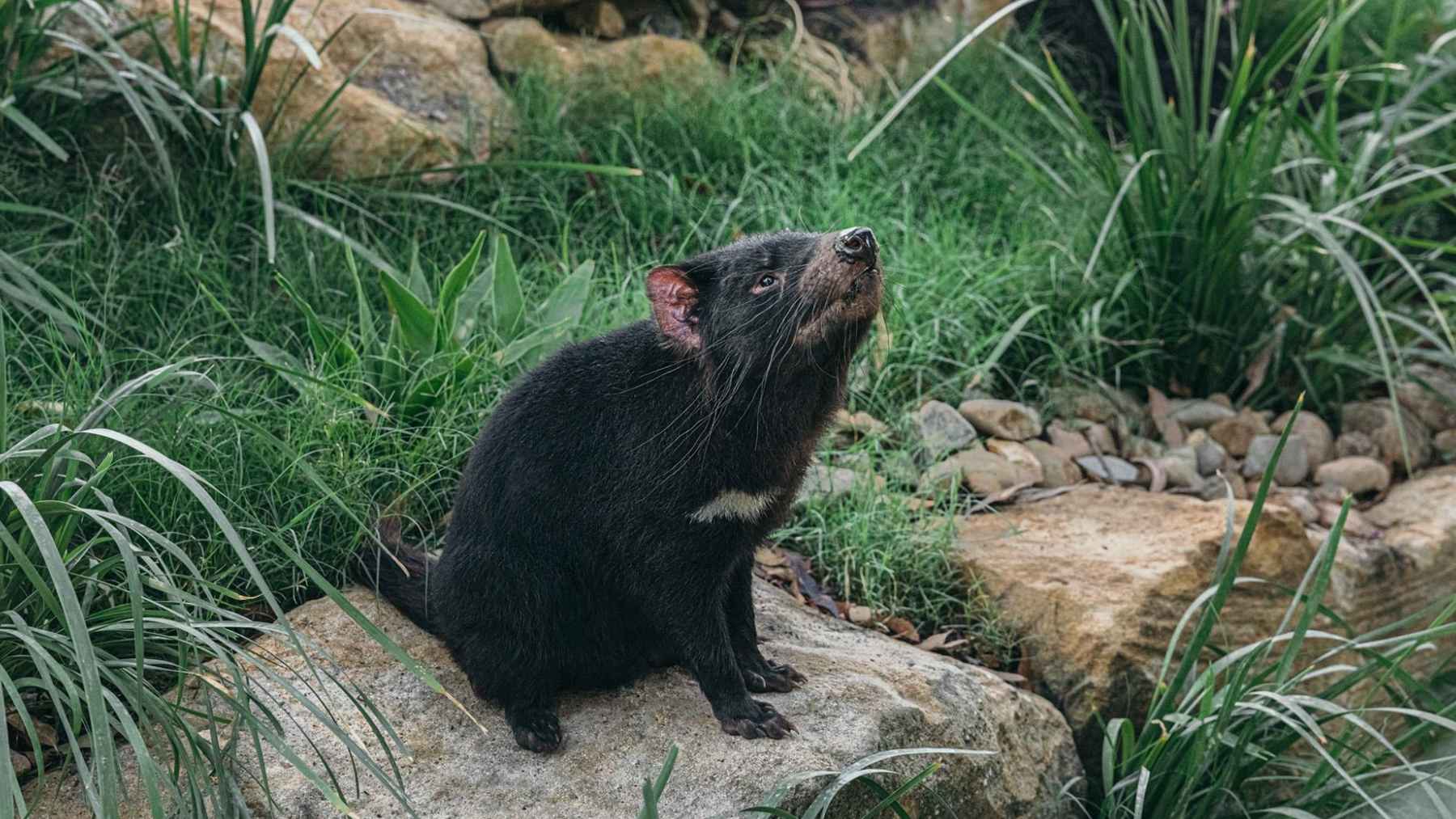
Mary, the escaped Tasmanian devil, after being found alive following 15 days in bushland near Paradise Country on Australia's Gold Coast.

A camera captured Mary, a two-year-old Tasmanian devil, roaming the park at 4 a.m. She had escaped with an “unusually large” leap and survived for 15 days amid residential neighborhoods, thickets, cars, and real dangers

—
July 2, 2026 at 12:30 PM
Illustration of the Milky Way's motion toward the Great Attractor, a massive gravitational region located about 150 to 250 million light-years away.

Our galaxy isn’t stationary but hurtling at full speed toward a hidden gravitational anomaly located between 150 and 250 million light-years away

—
July 2, 2026 at 10:15 AM
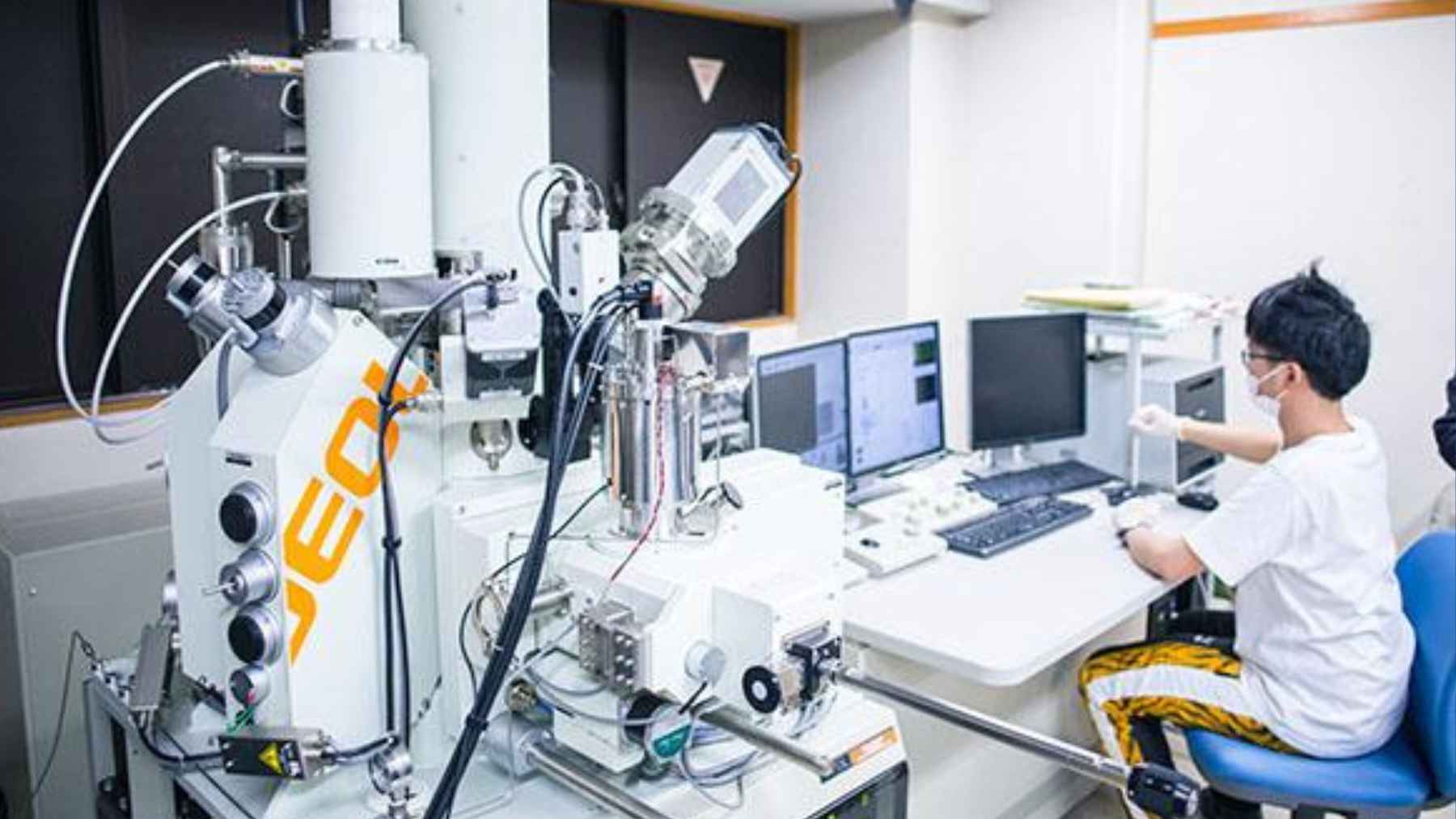
Researchers use MIT's machine-learning method to analyze atomic motifs in metal alloys, improving materials discovery for advanced engineering applications.

MIT’s new method promises to speed up the search for alloys for rockets, chips, and clean energy by analyzing invisible “neighborhoods” between atoms

—
July 2, 2026 at 8:45 AM
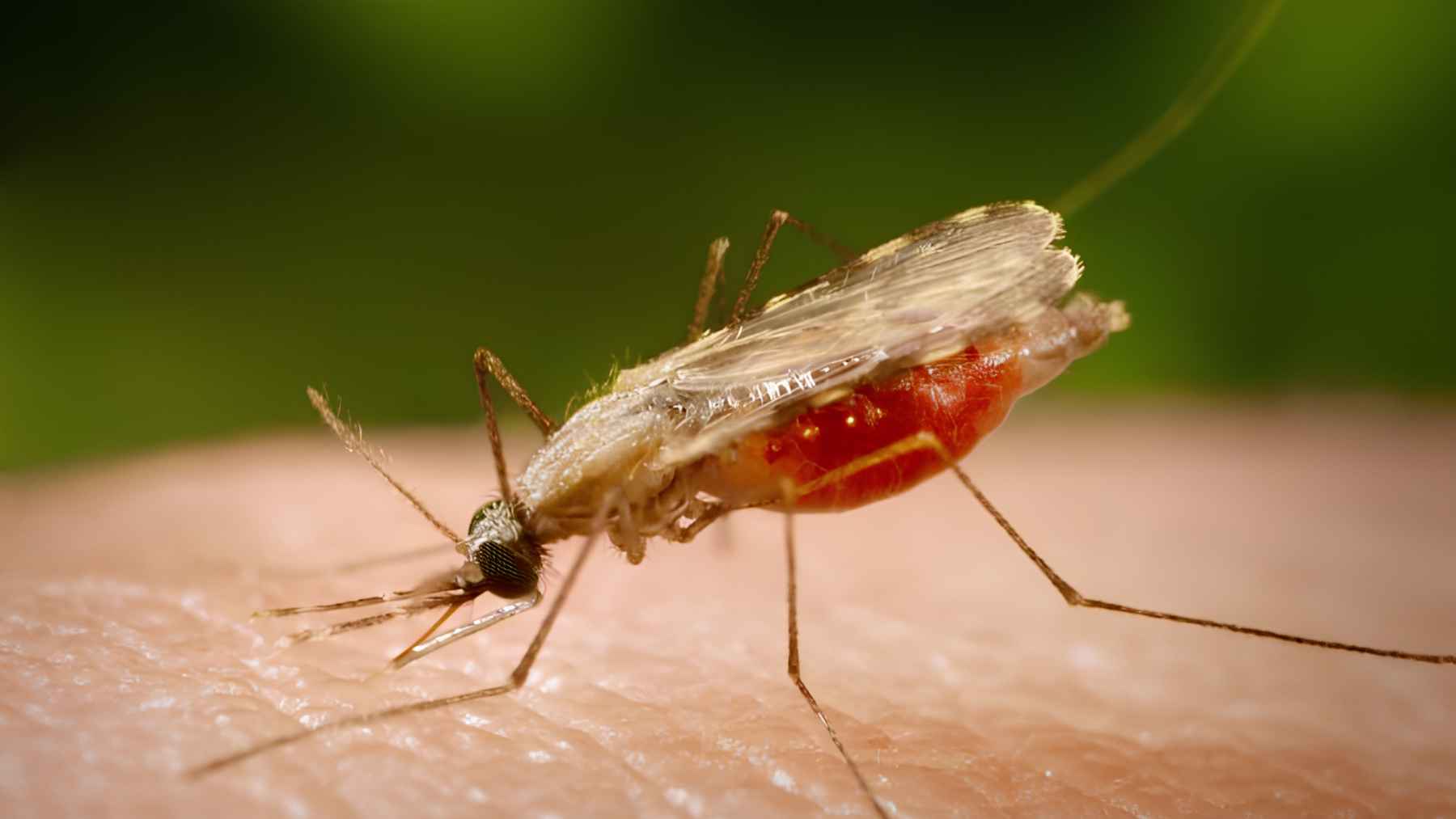
Anopheles mosquito feeding on human skin, the malaria-carrying insect targeted in sterile male release research.

Science discovers the “point of no return” for mosquitoes: the mathematical trick that could forever change the fight against malaria

—
July 1, 2026 at 6:30 PM
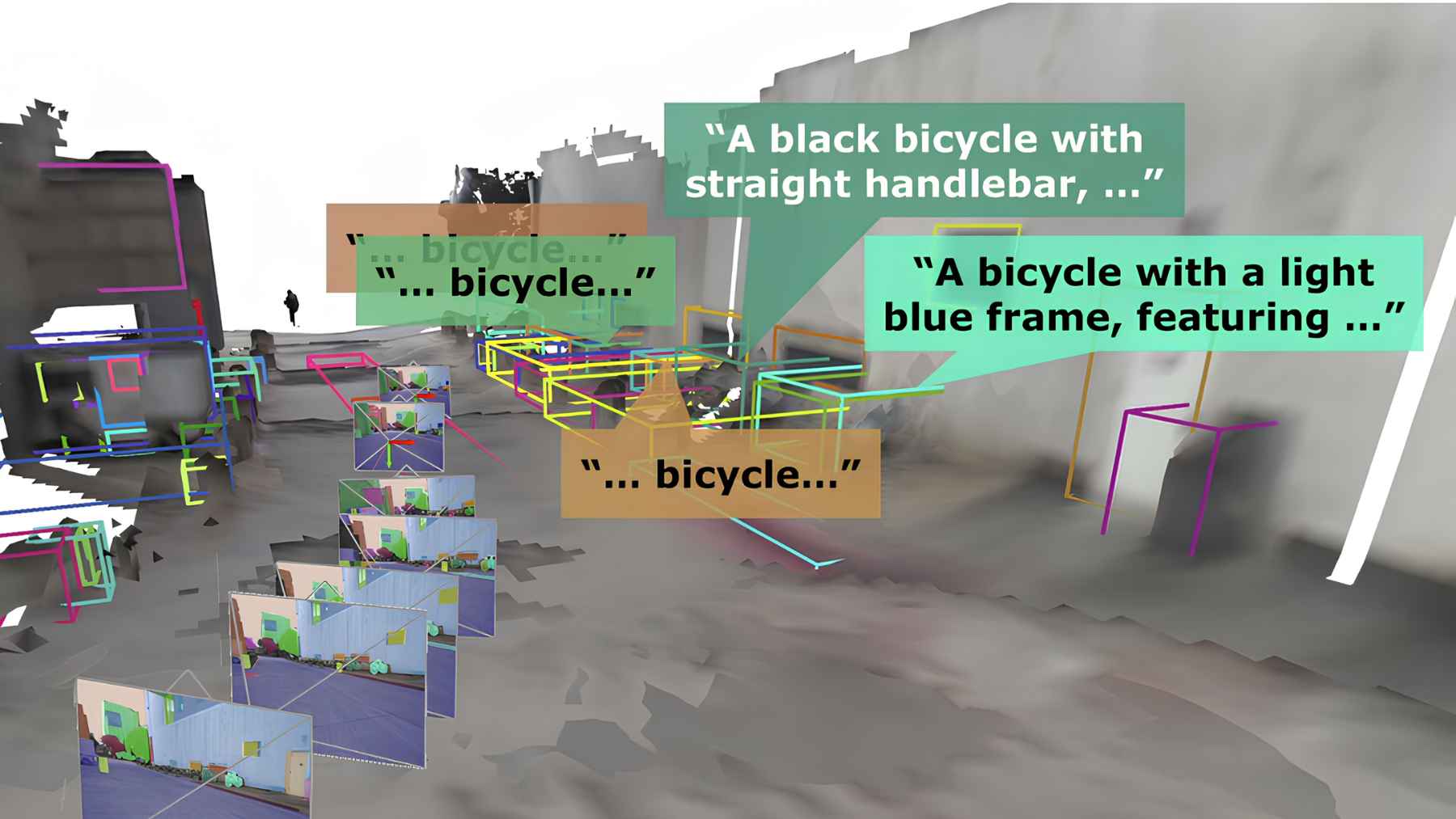
MIT DAAAM robot memory system identifying bicycles and describing objects inside a mapped environment.

Scientists at MIT have created a robot with an “elephant’s memory” that promises to tell you where you left your keys last night—and it does so in a matter of seconds

—
July 1, 2026 at 3:00 PM
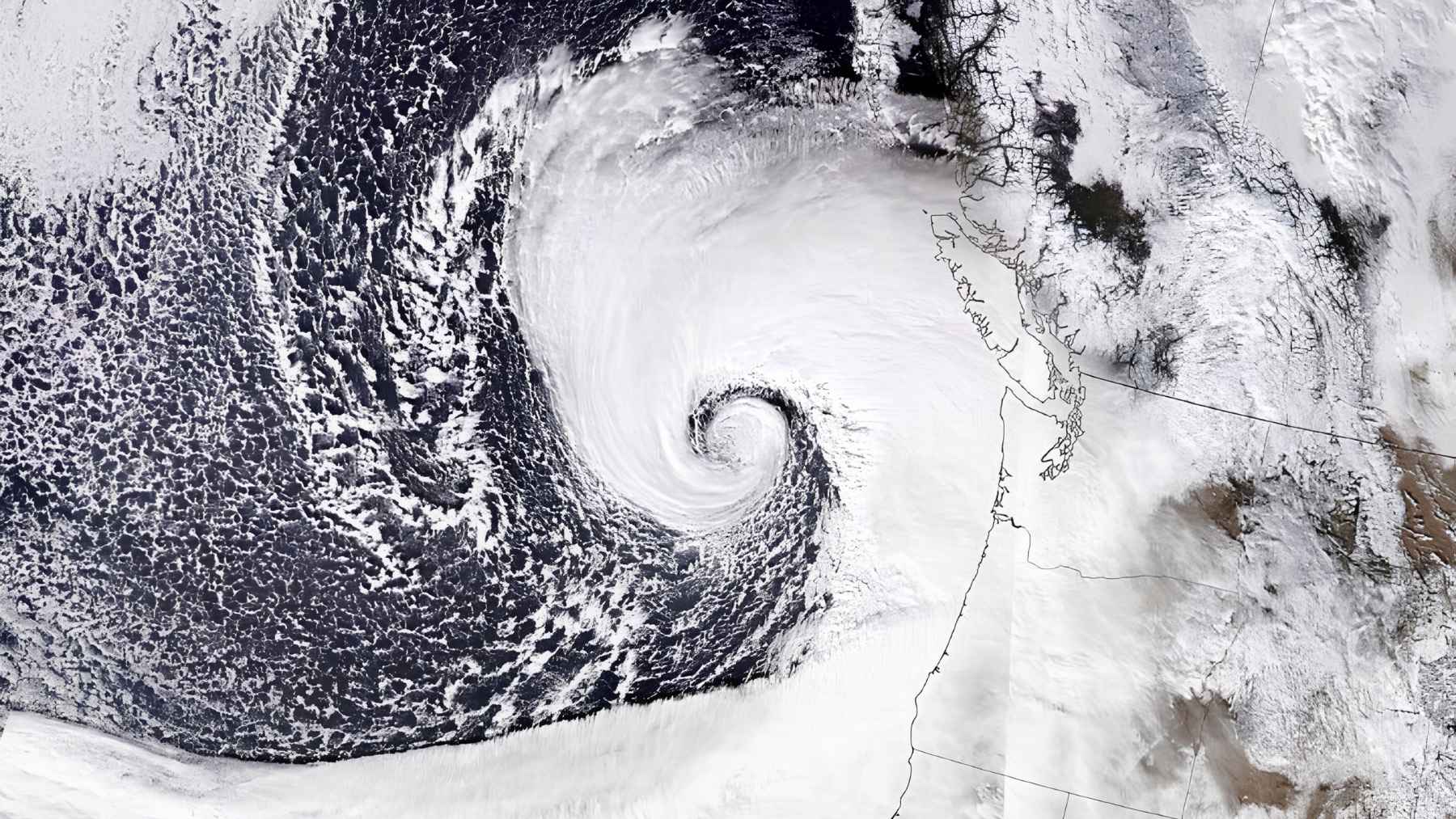
satellite-storm-system-flash-flood-warning-ai

NASA is developing and testing an artificial intelligence system that identifies 93% of the signs of a flash flood and could provide crucial time to respond

—
July 1, 2026 at 12:30 PM
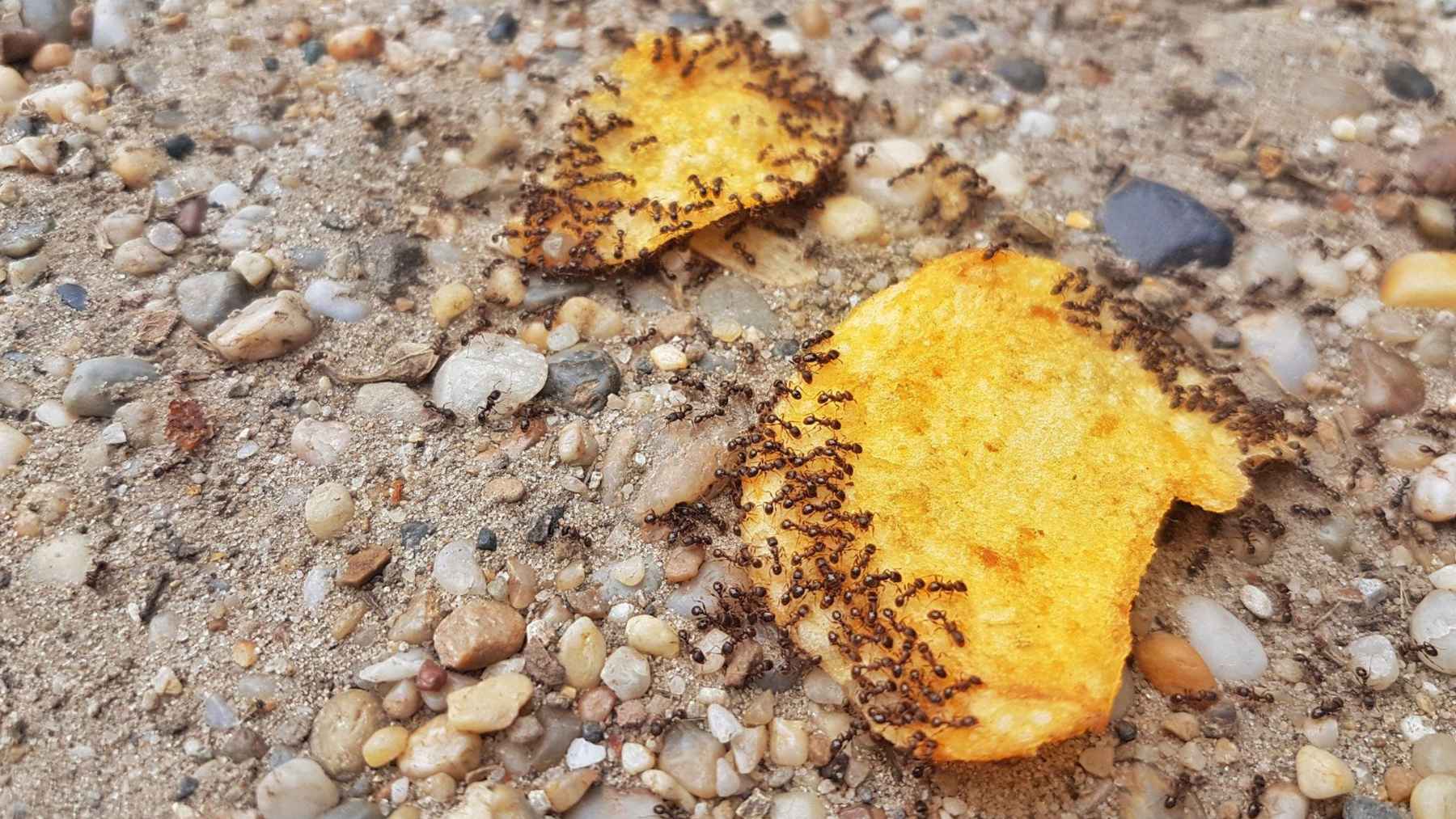
Ants swarm potato chip crumbs on sandy ground, illustrating how junk food scraps can distract ants from moving seeds.

A few cookie crumbs on a trail may seem insignificant, but a new study conducted in Panama suggests that they can distract ants from a task that is key to a plant’s expansion

—
July 1, 2026 at 8:45 AM
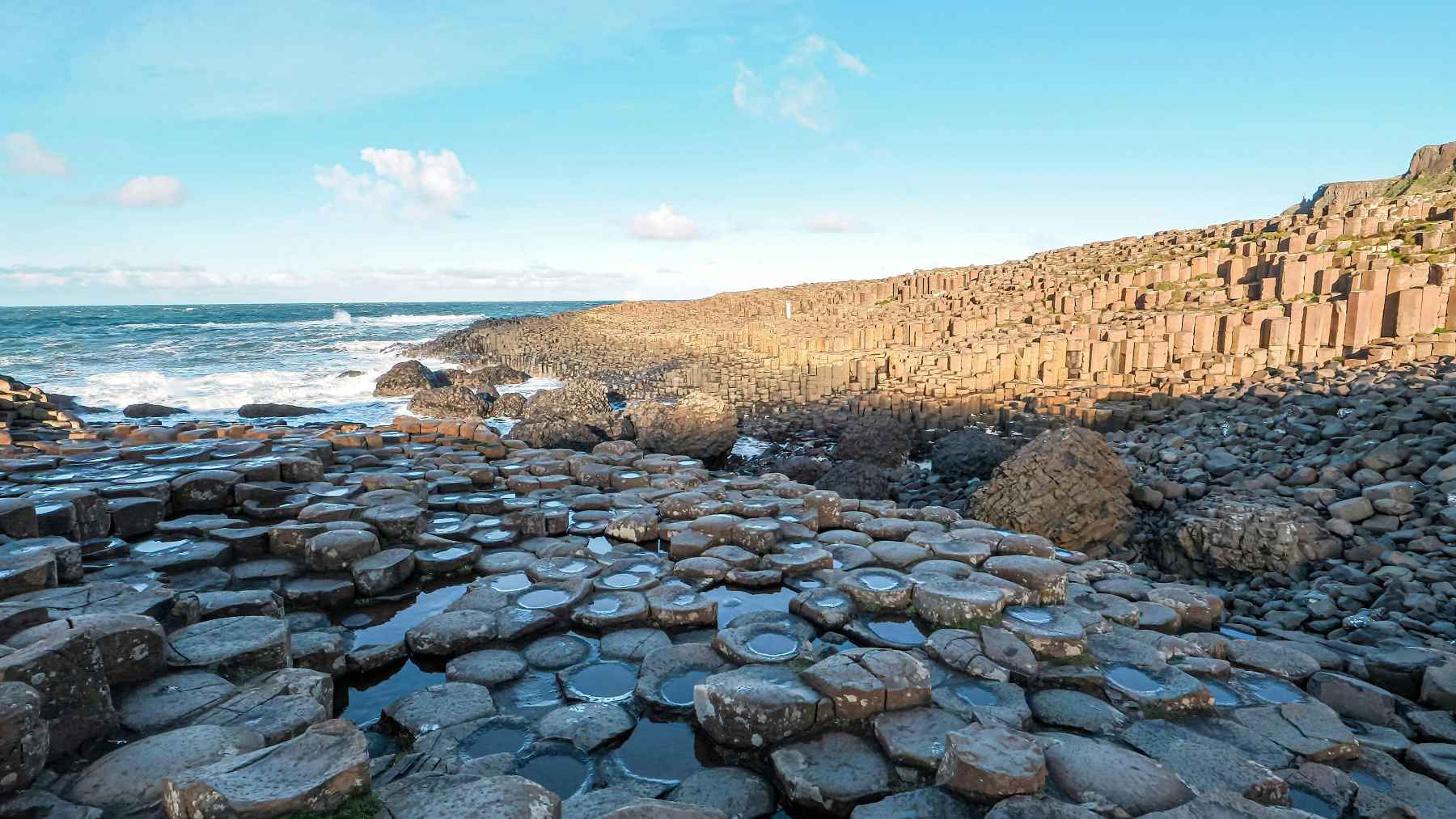
Wide coastal view of Giant’s Causeway with hexagonal basalt stones, tide pools, and Atlantic waves in Northern Ireland.

The Giants’ Causeway was not formed as a result of a battle between giants, but rather by an explosive volcanic event that took place 60 million years ago—an event that, as scientists have now determined, occurred over a shorter period of time

—
June 30, 2026 at 7:30 PM
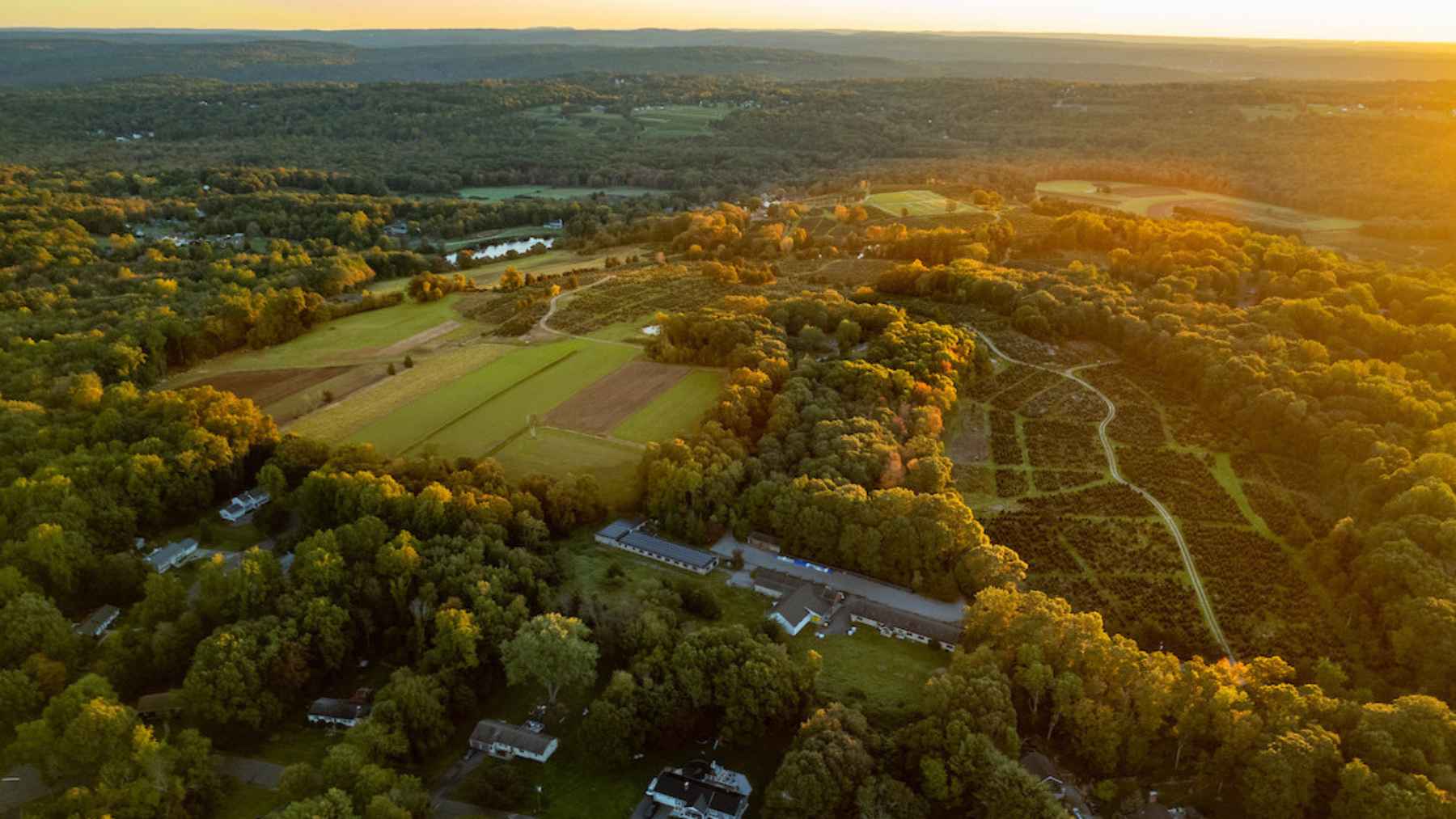
Aerial view of farmland and wooded rural land in Georgia at sunset.

Georgia has just created a $2 million fund to save farms before these centuries-old fields are turned into housing developments, warehouses, and data centers

—
June 30, 2026 at 6:30 PM
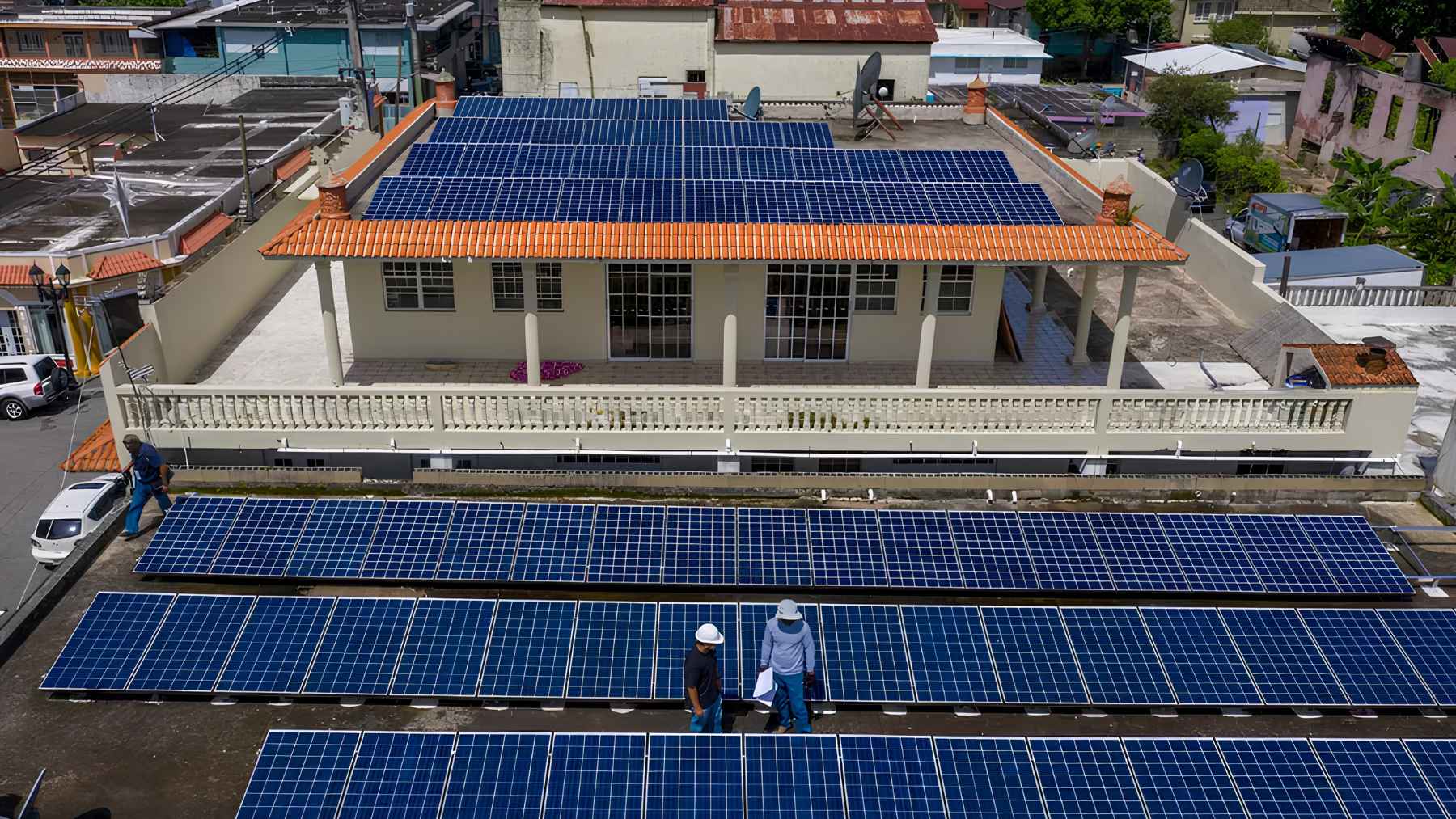
Large rooftop and ground-mounted solar panels at a residential property in Puerto Rico, with workers on site.

Puerto Rico had a $1 billion federal fund to install solar panels and batteries in vulnerable households, but now much of that money is being diverted to the old power grid

—
June 30, 2026 at 5:00 PM
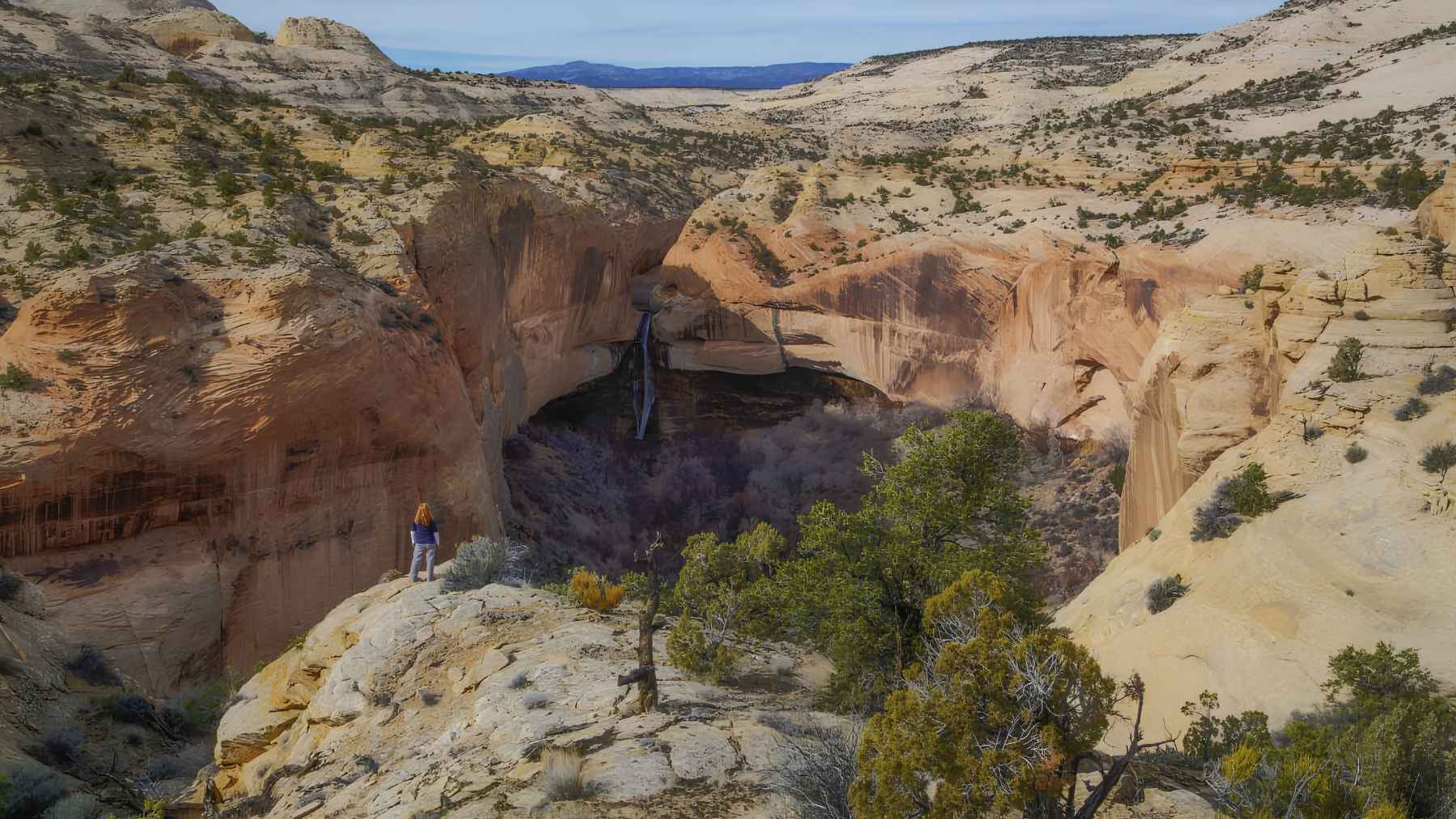
Wide view of red-rock canyons and desert cliffs in Grand Staircase-Escalante National Monument, Utah.

Everything pointed to another cut, but Grand Staircase-Escalante has just narrowly avoided, at the last minute, a decision that would have forever changed one of the most impressive natural monuments in the United States

—
June 30, 2026 at 3:00 PM
People walk through a flooded neighborhood street after intense rainfall.

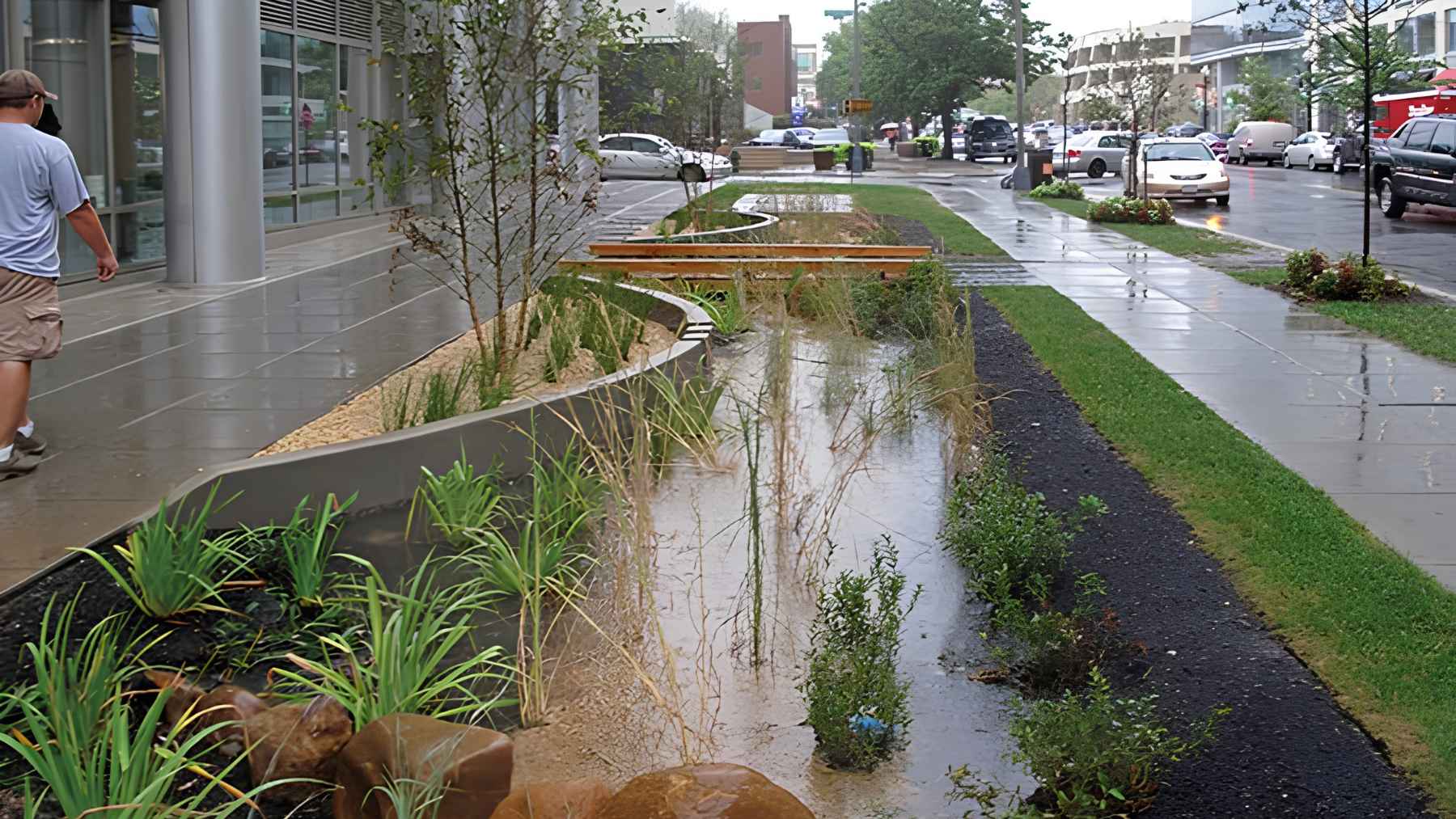
Sponge-city tech is teaching concrete to drink stormwater like a thirsty park — and it can’t happen fast enough

—
June 30, 2026 at 10:15 AM
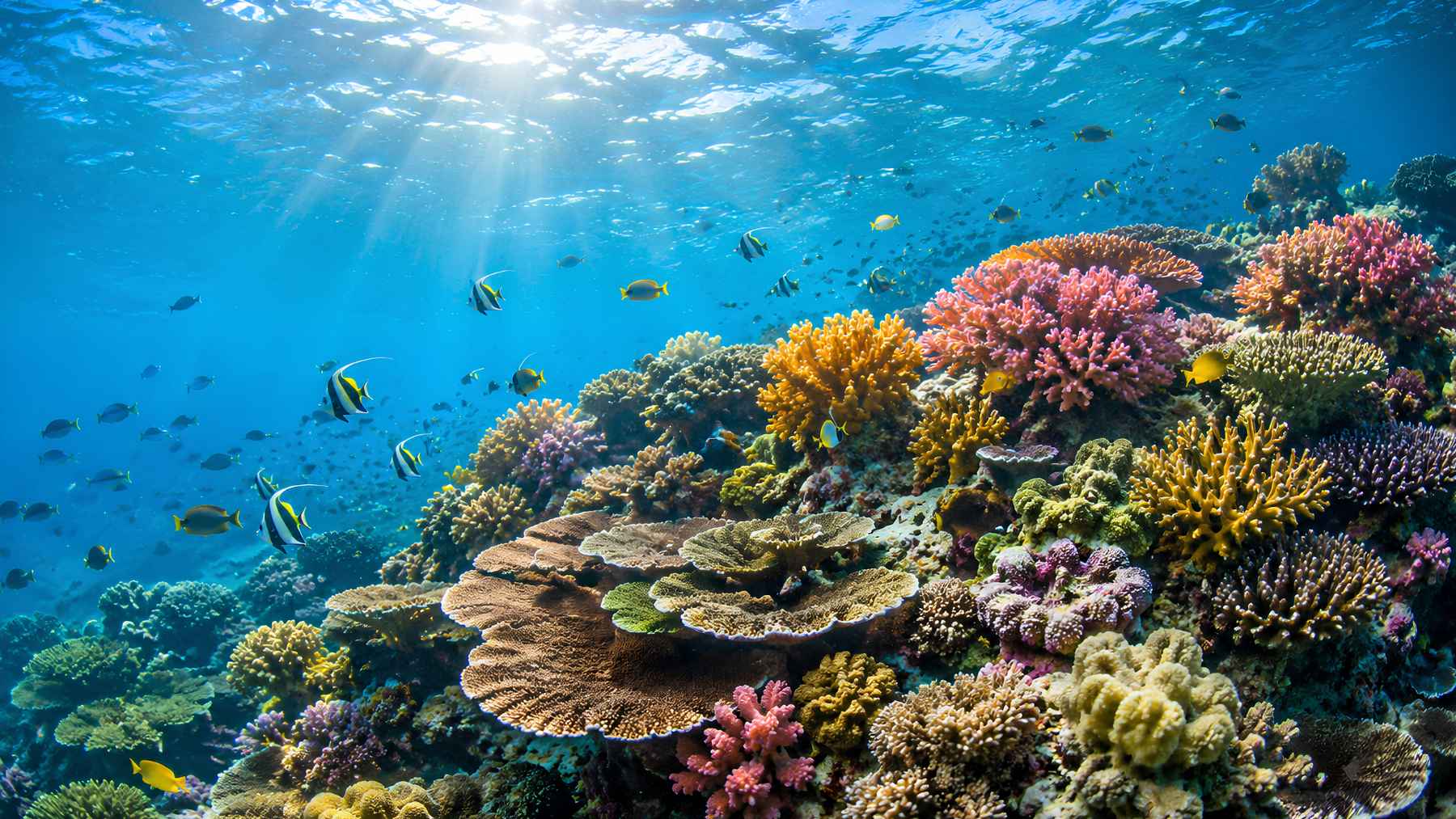
Colorful coral reef with tropical fish under clear blue water, illustrating coral habitats that may better withstand ocean warming.

Coral reefs seemed doomed by marine heatwaves, but a new global map has just identified 64,200 square miles that may still have a real chance

—
June 30, 2026 at 8:45 AM
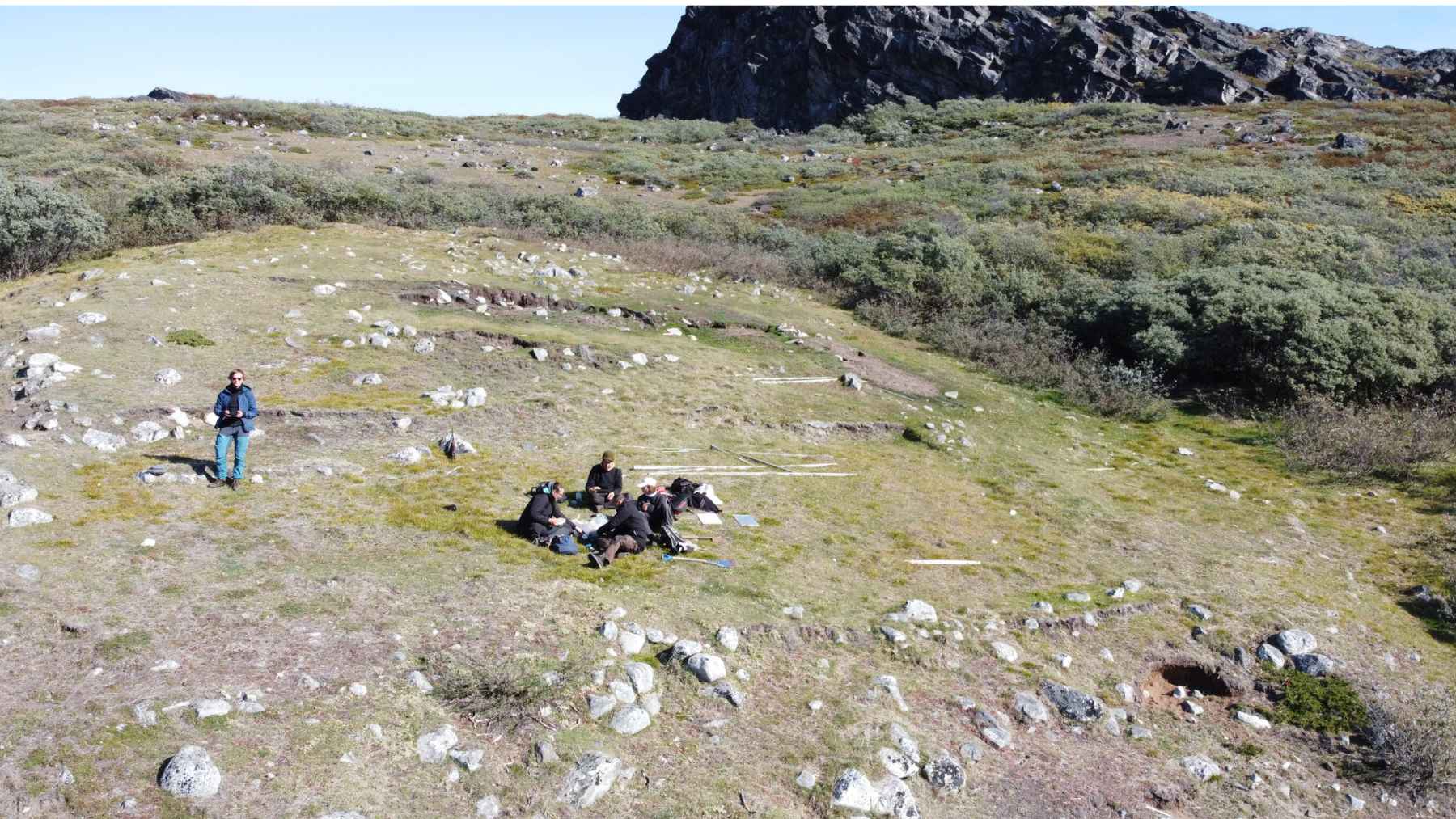
Researchers conducting fieldwork in Greenland for a study on ancient middens preserved by permafrost.

Greenland’s ancient frozen landfills contained microbial traces dating back 4,500 years that provided insights into hunting, agriculture, hygiene, and daily life; now, the melting ice is exposing these remains

—
June 30, 2026 at 6:30 AM
Previous Next

ECOnews alerts

Get the most relevant environment stories as soon as we publish them

ECOnews is the English-language edition of ECOticias.com, focused on environmental and sustainability news for a global audience: mobility, energy, economy, technology, science, environment and trending stories.
© 2026 ECOnews · ECOticias.com, the green newspaper since 2004 ↑ Top