




ECONEWS
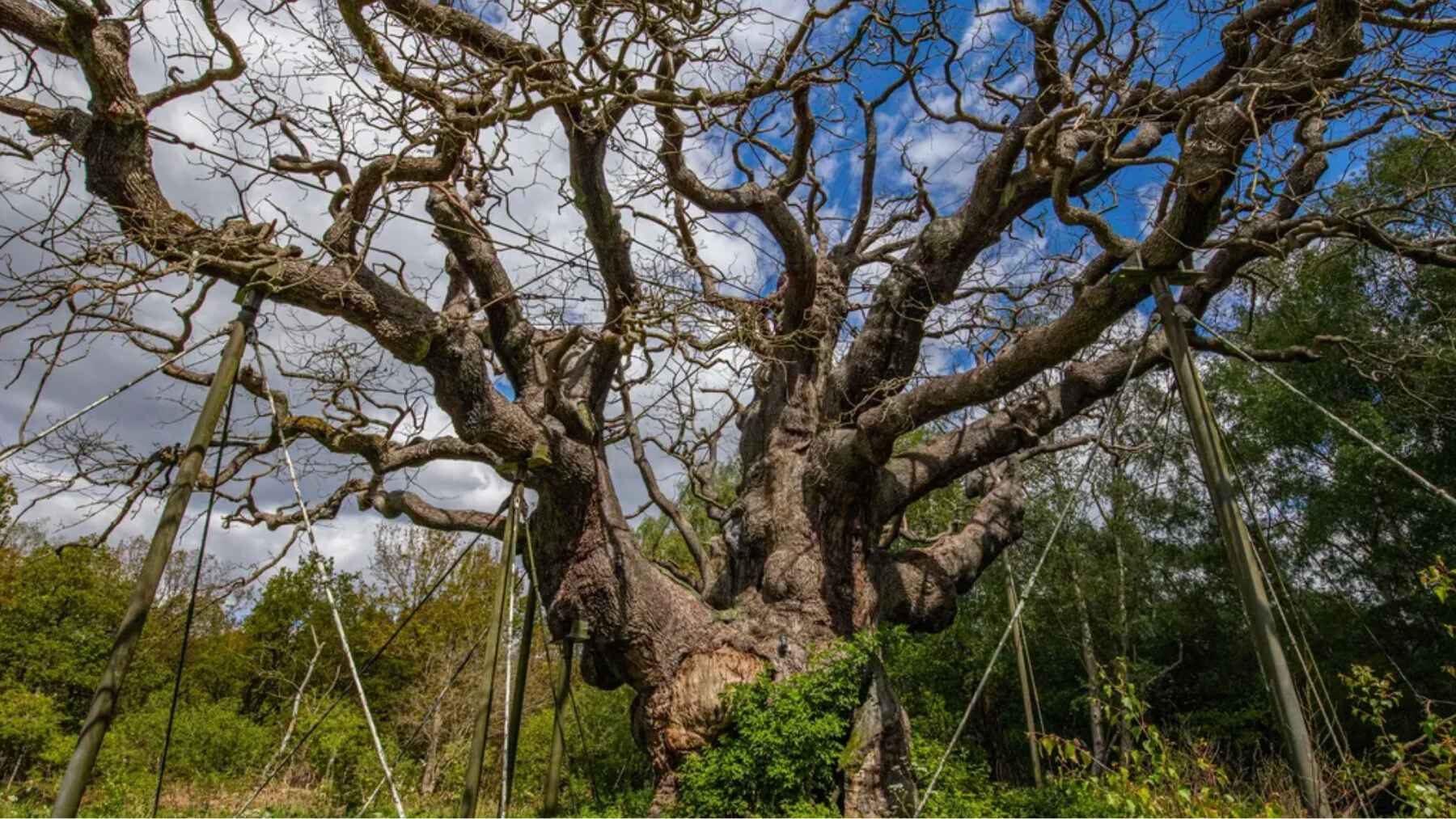
It has survived wars, storms, and more than a millennium of history, but Robin Hood’s most famous tree may have finally lost its last battle
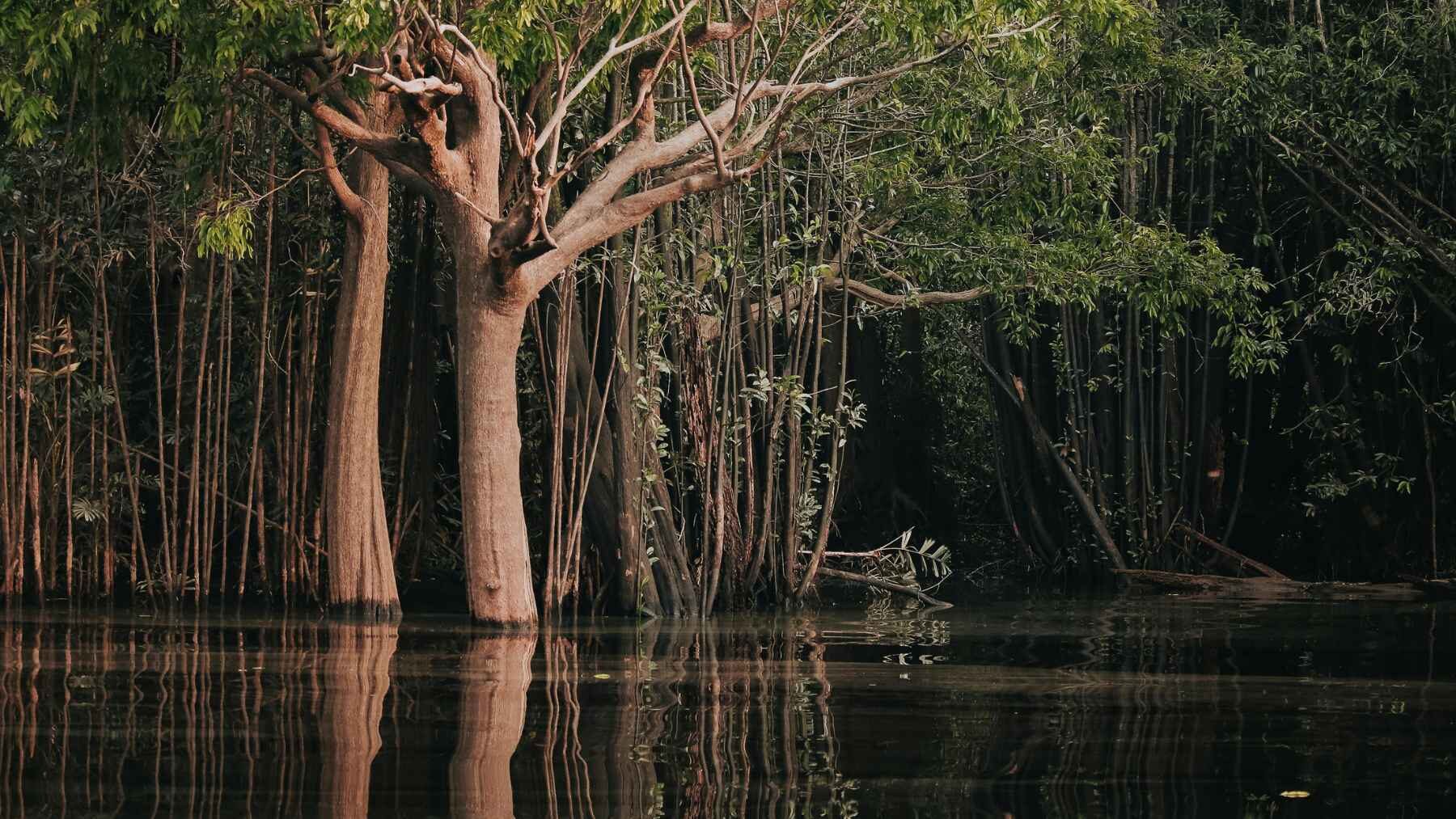
Scientists sequenced 461 trees from the Amazon and discovered a rather surprising clue: some species may be passing on defensive genes as if they were recipes for fighting pests
The history of cities has always seemed to be driven by money, technology, and institutions, but a new study suggests there may be something more fundamental and powerful: the simple act of bringing people closer together changes the entire network
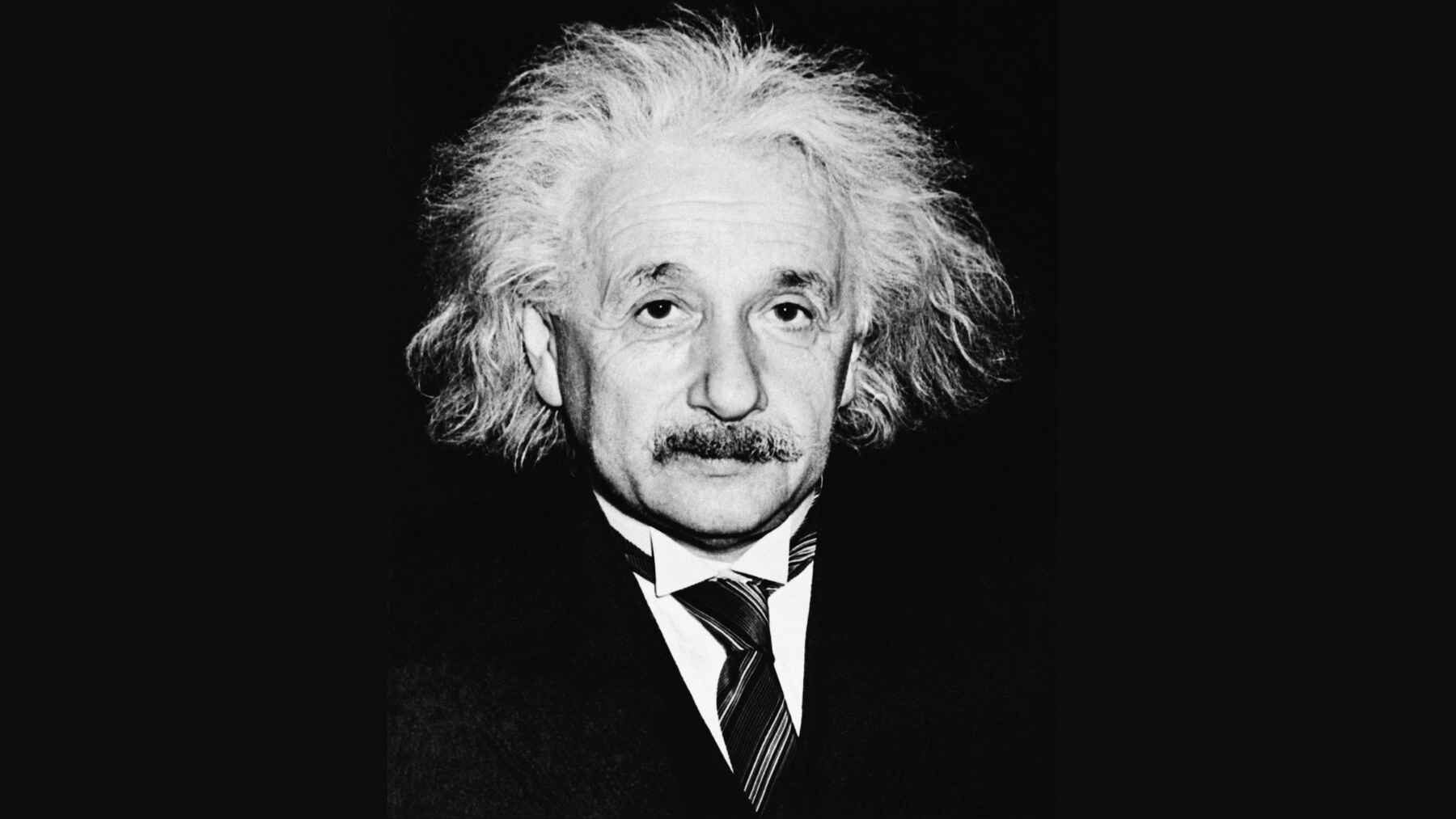
For decades, Einstein had been mulling over an unsettling idea—that the most fundamental laws of the universe should not depend on arbitrary numbers—and now a study published in Physical Review Letters has just given it a rather compelling mathematical boost
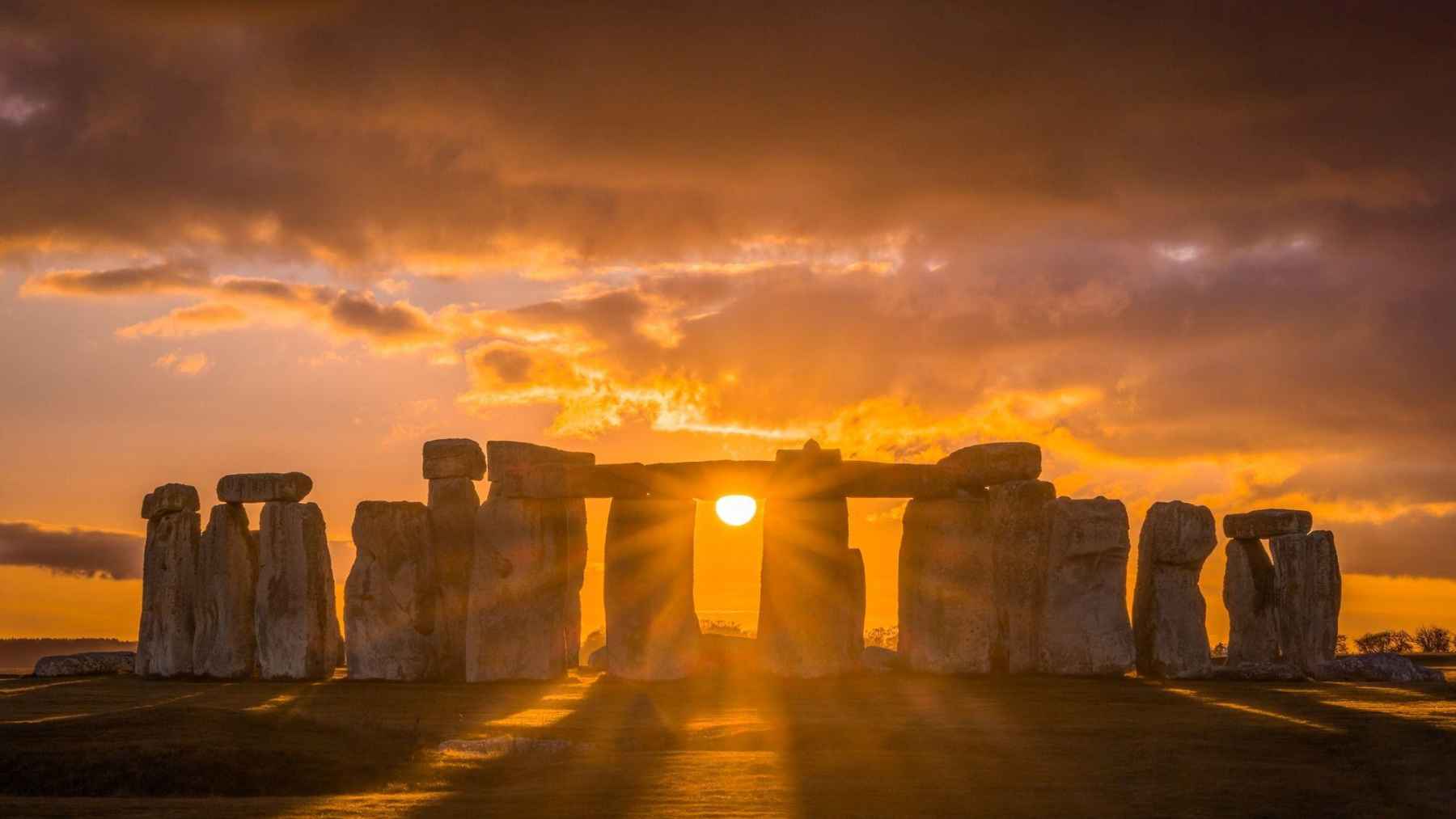
Before Stonehenge became the great symbol of the solstice, it is possible that two simple wooden posts located in Bulford were already marking the summer sunrise some 5,000 years ago
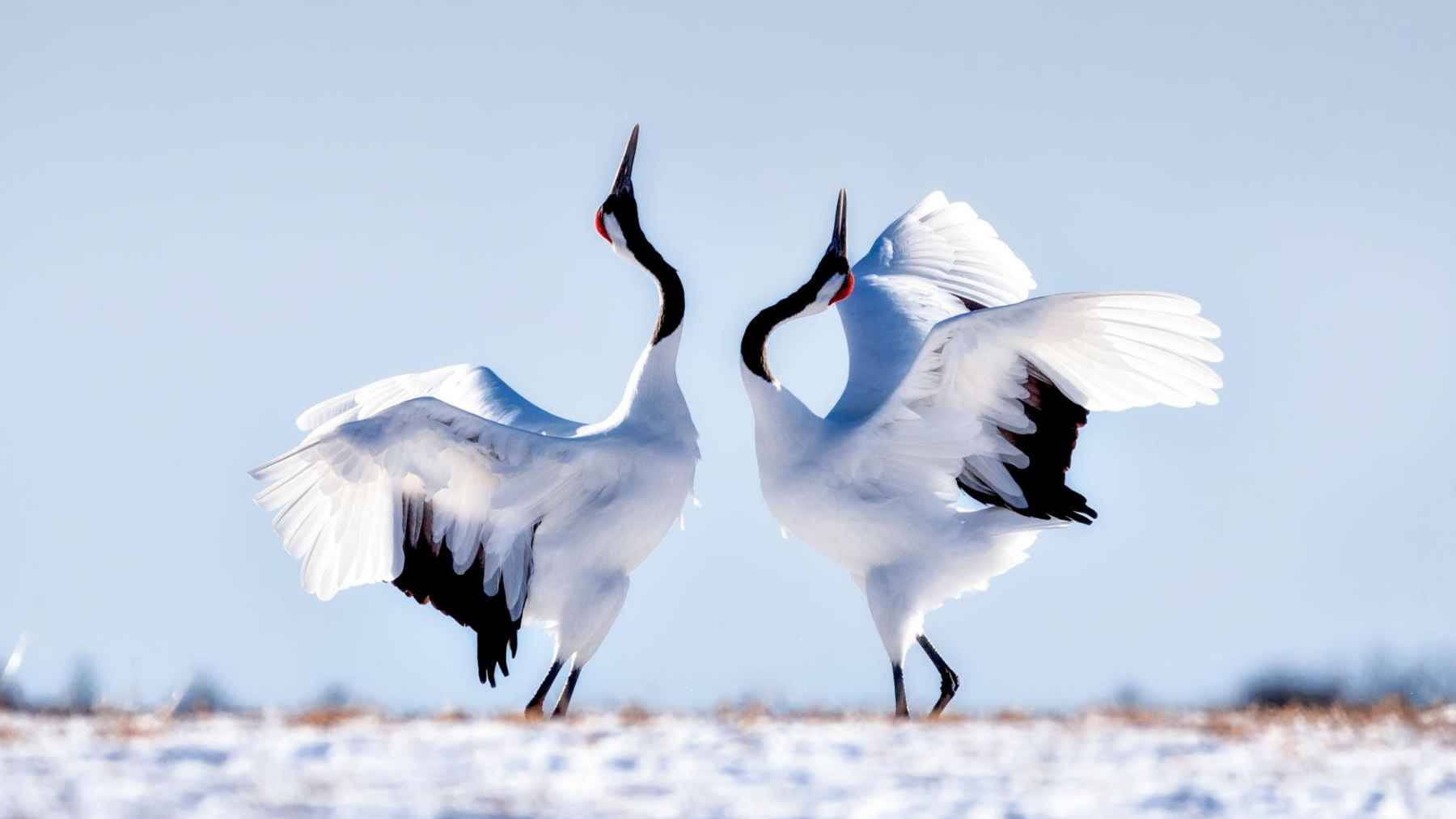
What looks like a beautiful dance in the Kushiro wetlands could be a secret conversation between two cranes, featuring a series of bows, poses, and movements that last up to three minutes and respond to each other’s gestures
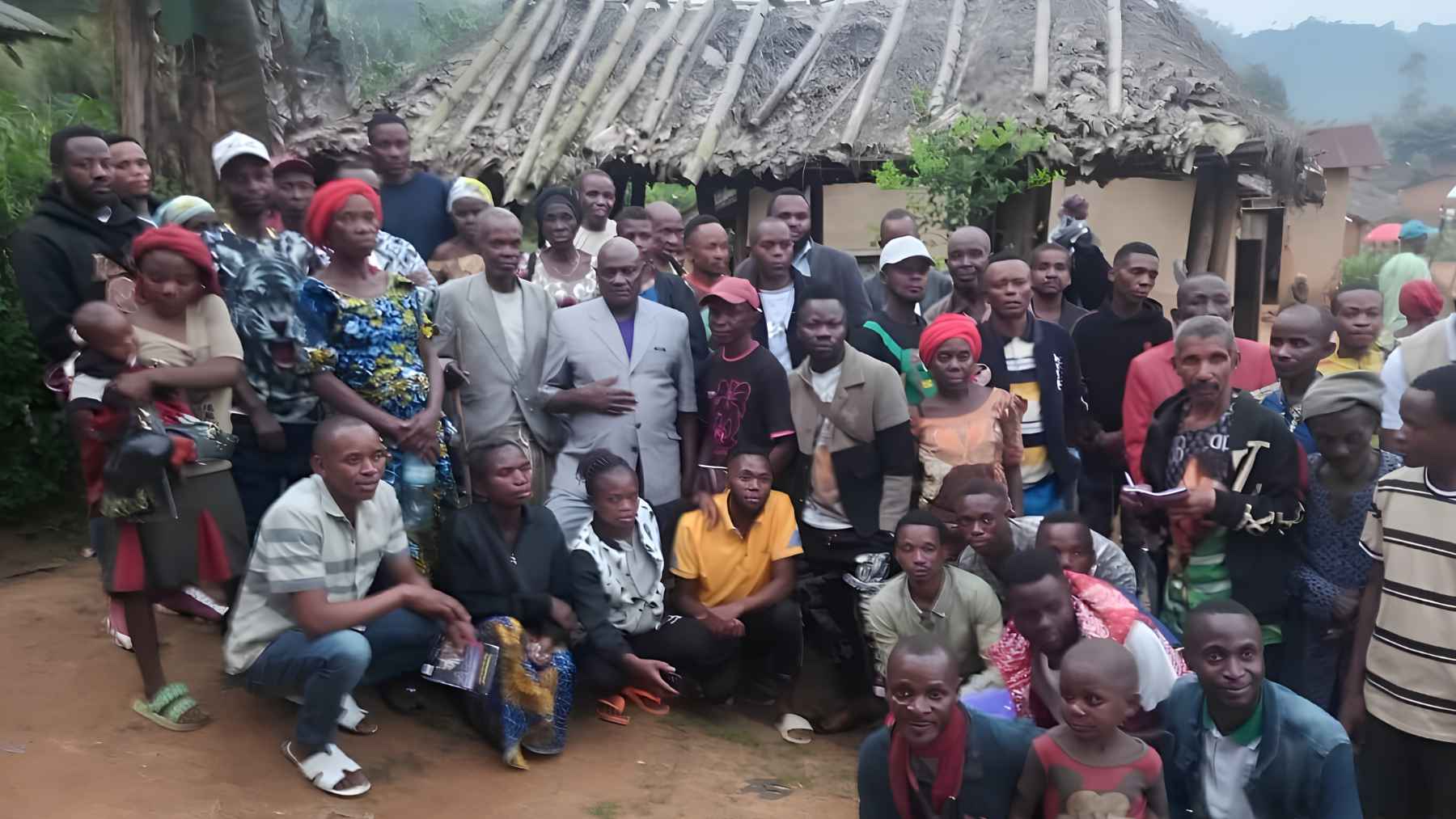
A community that was driven from its forest lands in the 1970s now protects 71,700 acres in the Congo and has managed to reduce deforestation by 87% in just one year
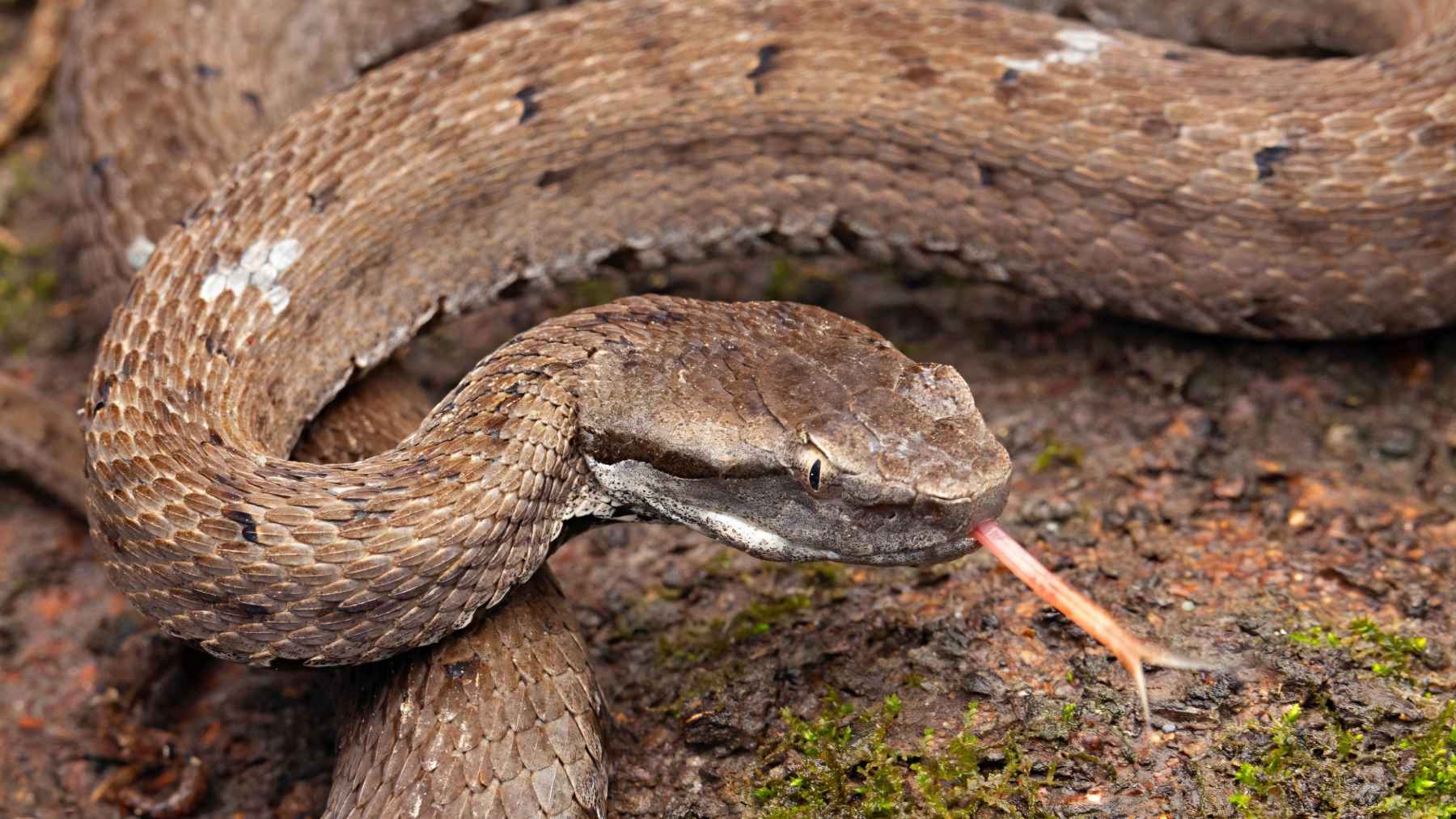
The famous Himalayan viper, first described in 1864, has just lost its unique identity, as scientists have discovered that five species were previously grouped under that name
Ancient teeth preserved in museums may harbor a vast microbial archive, and a new preliminary article suggests that dental plaque reveals how diet has influenced the oral bacteria of mammals
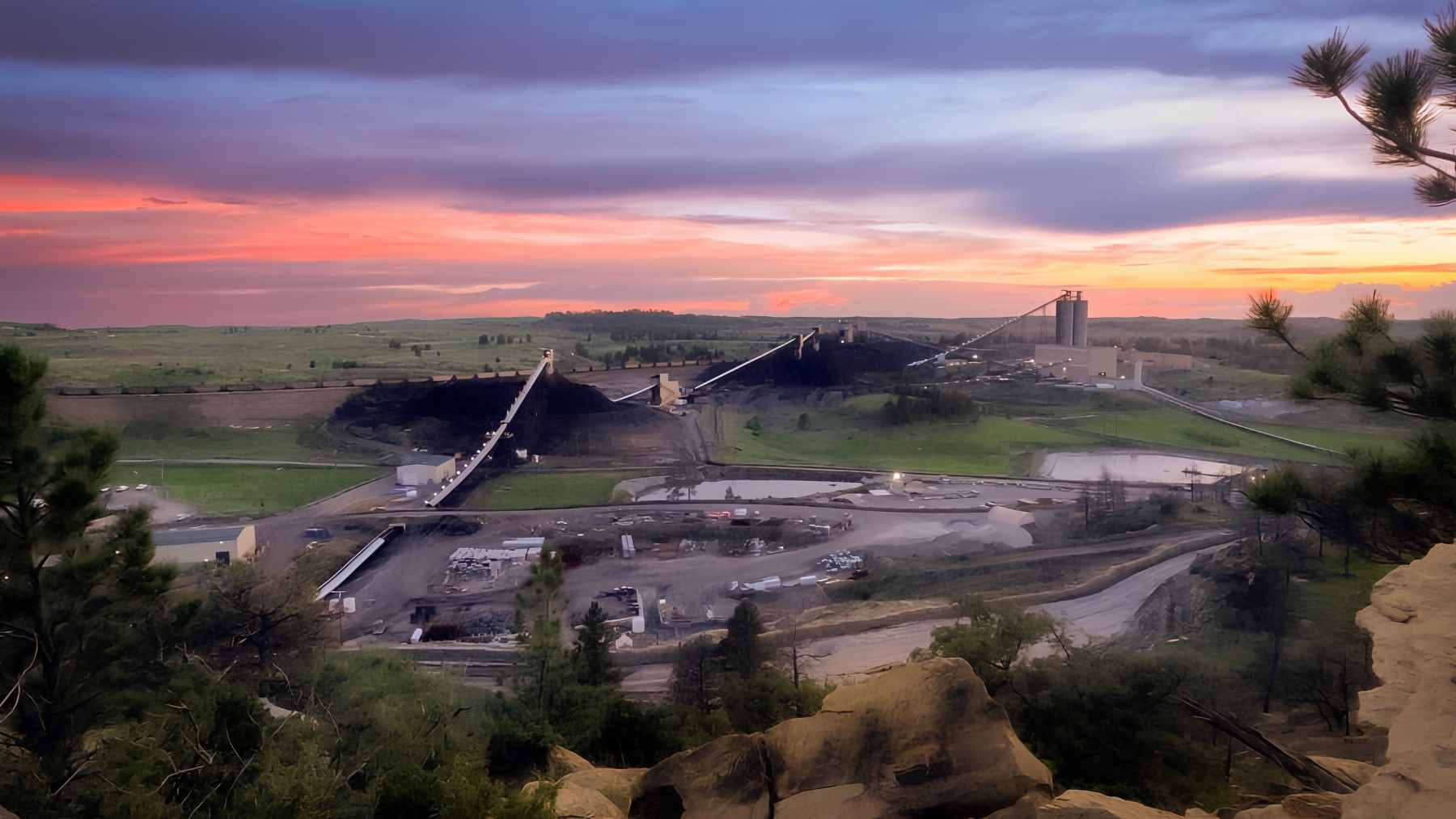
A Montana county commissioner wanted to prepare his county in case coal revenues dried up, and voters ousted him from office in a Republican primary that served as a warning to other mining communities
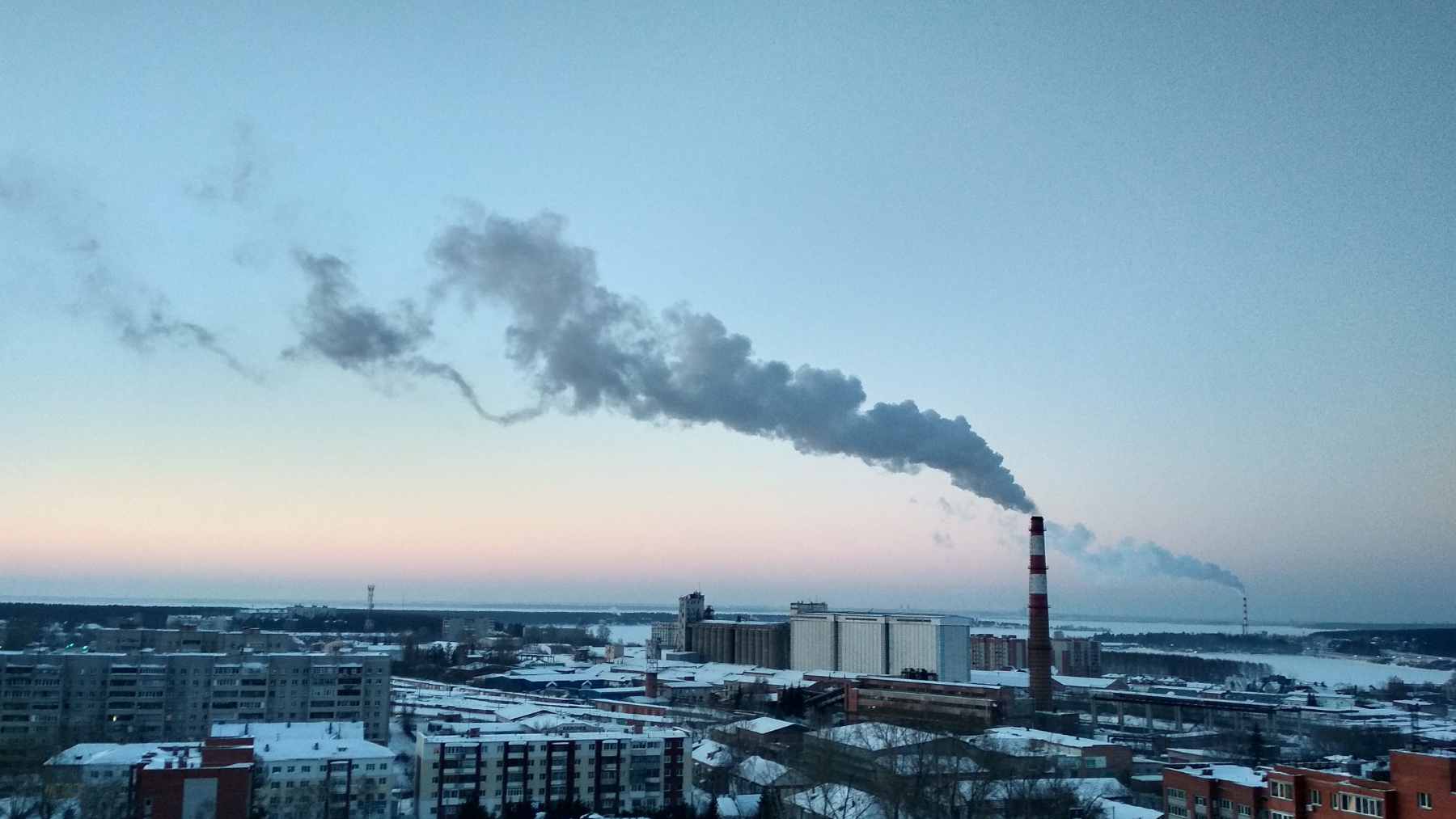
The fight against climate change is entering a challenging phase: it is no longer enough to simply reduce pollution, and scientists are talking about removing up to 9,700 million metric tons of CO2 per year by 2050
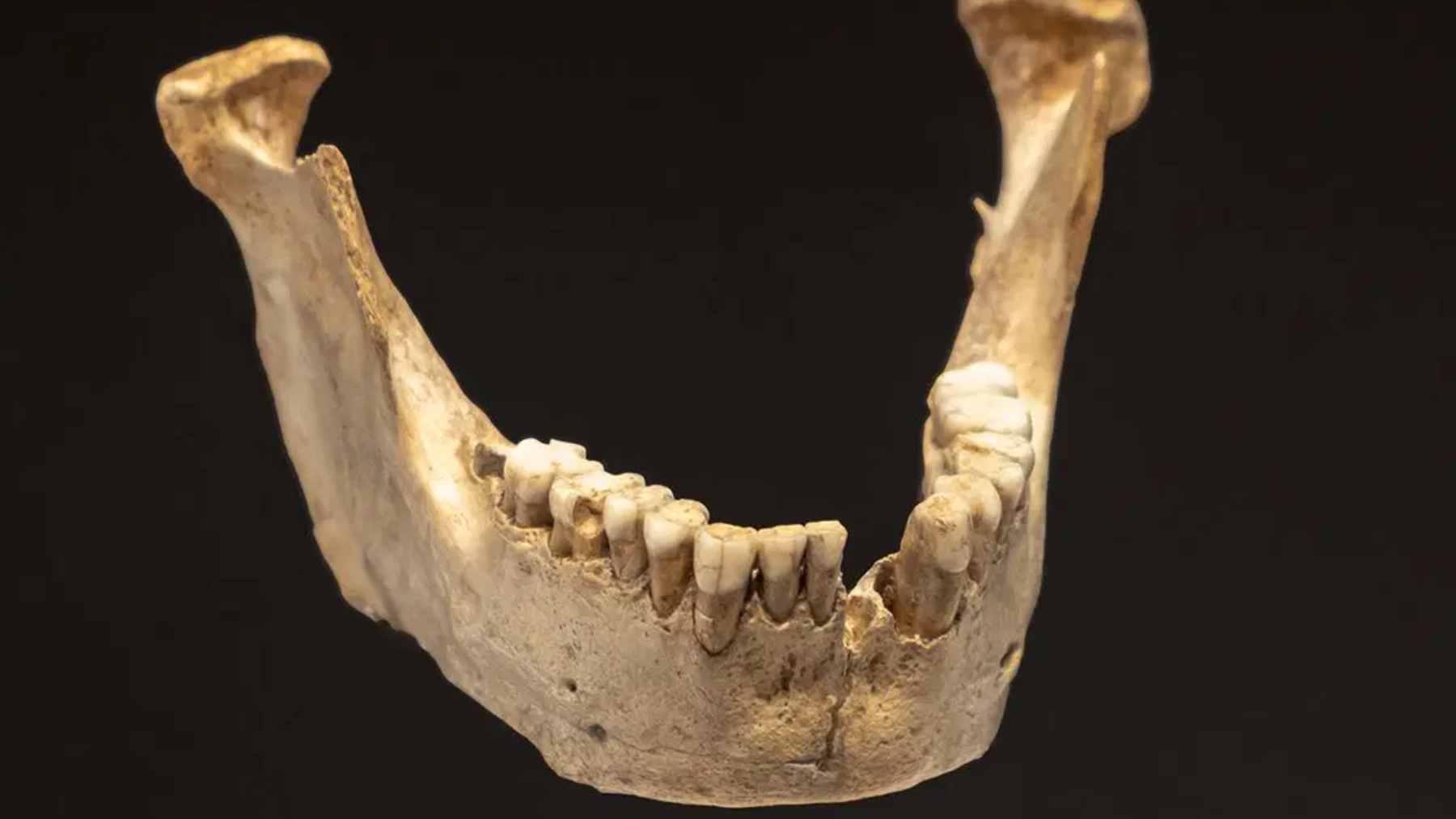
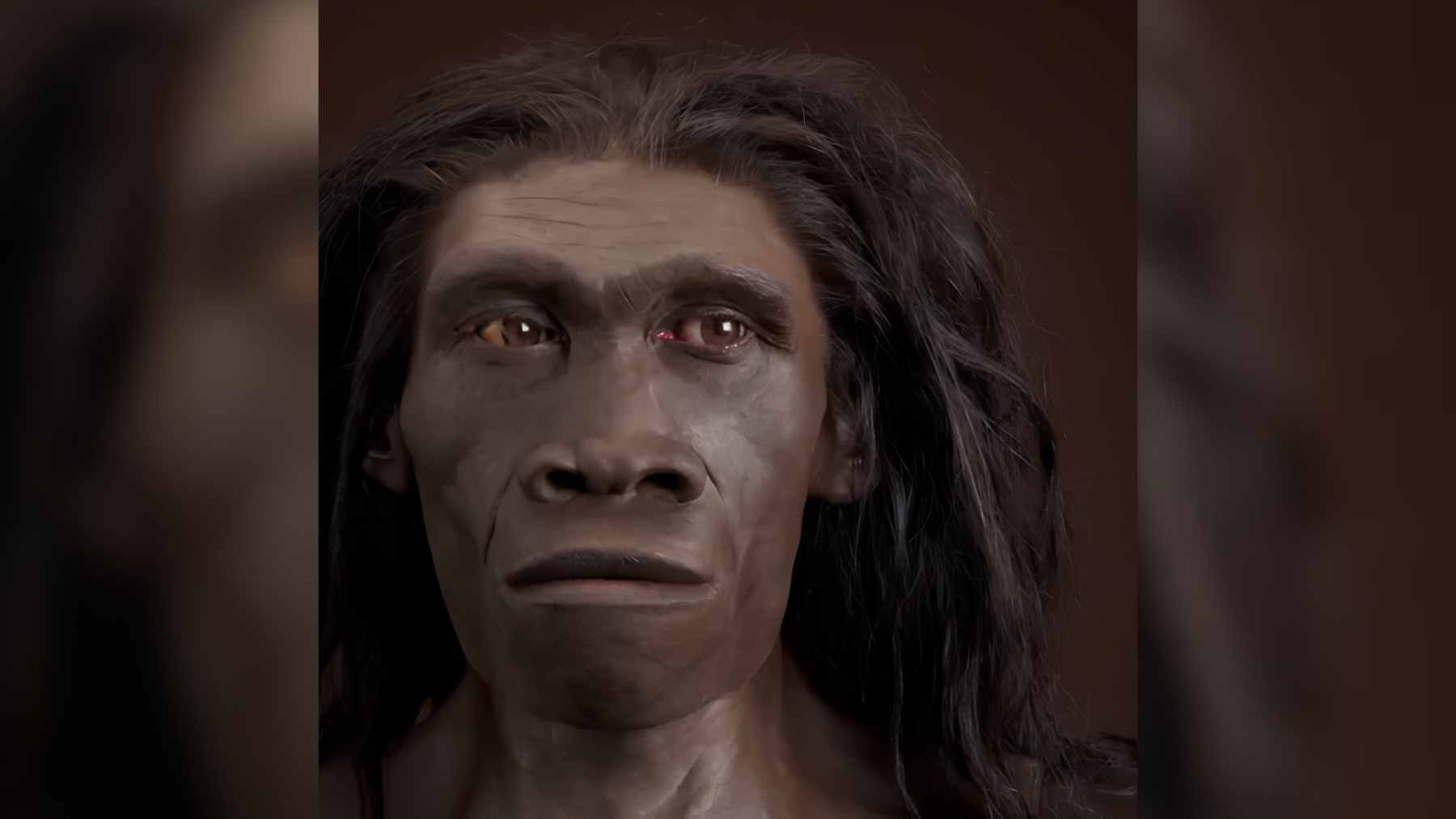
Homo erectus teeth dating back about 400,000 years, found in China, have just revealed an unexpected clue about a possible family connection to the mysterious Denisovans
Researchers have just observed a jumping gene doing something extremely unusual: jumping from a tiny predatory bacterium to the dead cells of another species, like a thief sneaking into an empty house
Menstruation has been a part of astronauts’ space travel for decades, but in 2027 it could, for the first time, become the focus of a specific experiment conducted in microgravity conditions
The country with the largest forest area in South America may face a momentous decision: to accept large-scale soybean farming and cattle ranching projects or to protect the rivers, communities, and forests that took centuries to form
The green economy has just surpassed $10 trillion and would already be the world’s third-largest industry if it were counted as a separate sector
The Moon will no longer be just the place where humans left their footprints in 1969; now, NASA and China want to build bases, landing strips, control towers, and shelters there, but a fundamental regulation is still missing