Technological innovation is going too far—so far, in fact, that some people think it is too much. One of the latest controversies has arisen around Neuralink, the “second brain” that tycoon Elon Musk is developing. The second test has just suffered an unexpected and alarming twist, and now experts are worried about what just happened: you won’t believe what it is capable of doing in humans and what many are now fearing (because in America we have reason for concern, we’ll give you a heads-up).
Elon Musk has made a misstep: Neuralink “is going too far”, according to experts
It seems that Elon Musk and his Neuralink corporation have run into a major setback because the second experiment on a human subject of the project, which is creating a type of brain-computer interface, has been interrupted mainly because of some health issues on the part of the test subject.
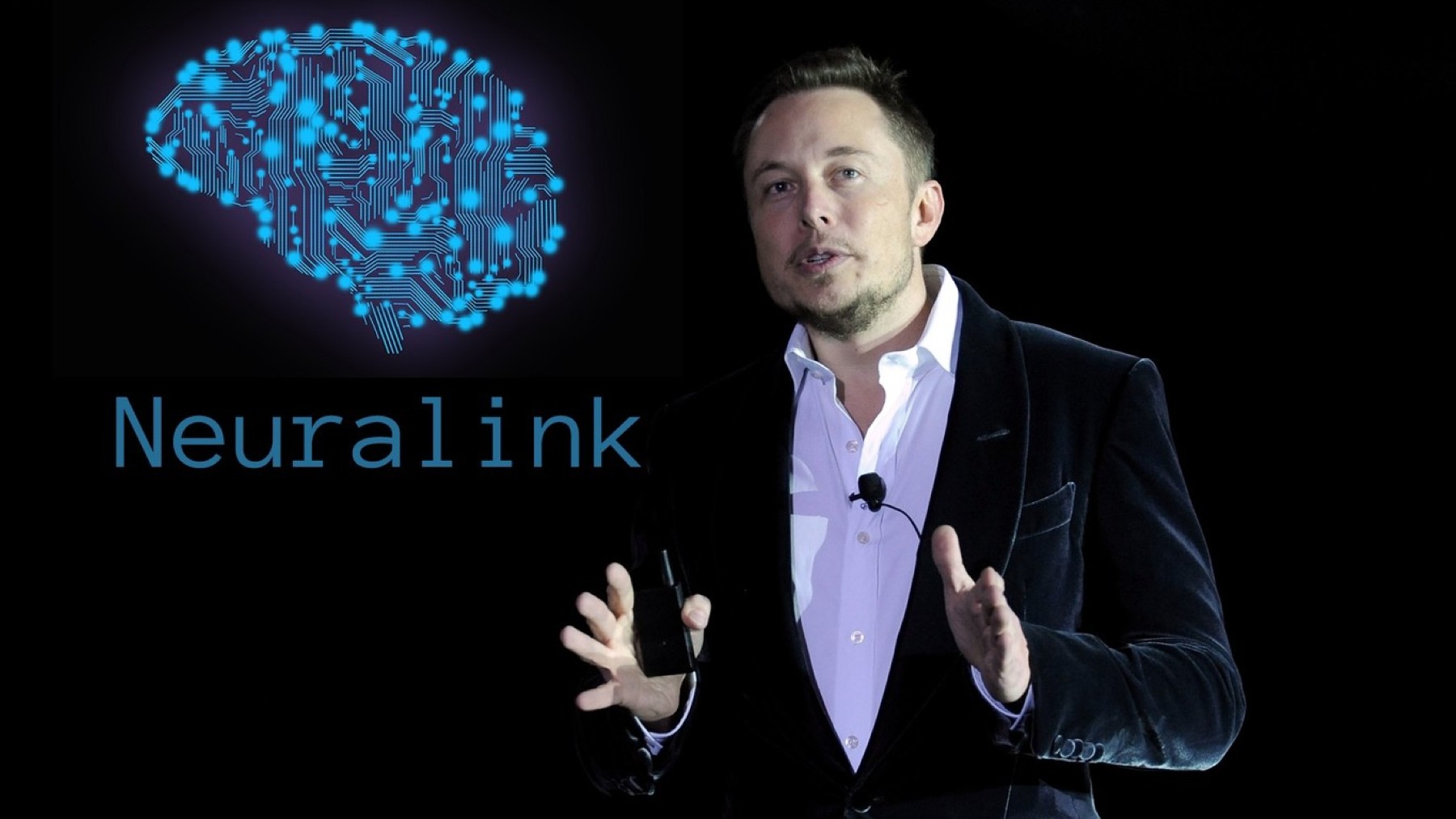
Neuralink is a company created by Elon Musk and a group of neuroscientists that develops brain-computer interfaces, abbreviated as BCI. It aims to make a direct interface between the human brain and digital devices; the potential use extends from the new treatment of neurological diseases to the upgrade and optimization of human cognitive performances.
This is done by implanting chips into the brain, the chips can send signals to and from, computers, for example. Most advancements in implantation have been made in the animal trials, where Neuralink managed to move the cursor on computer interfaces and even control the movements of paralyzed animals.
Neuralink’s second test is raising concerns across America: What has happened (and what could happen now)
Reactions and discussions on Neuralink’s second human trial had been delayed for further notice, and it brought different reactions and discussions in every state in the United States. There are some who have concerns about the safety that can arise from the new and upcoming innovation of the company, and there are those who hold positive prospects for the brain-computer interface innovation.
Some of the issues that have been voiced against Neuralink are the dangers that may be found in place by having an implant in the brain and the possible effects of such a technology on liberty and privacy. Some of the issues include secrecy and the issue of possible misuse or even abuse of the technology.
In contrast, the proponents of Neuralink research assert that the intended use of Neuralink technology, which comprises the treatment of neurological conditions and boosting human cognition in general, justifies the possible dangers. Some of them think that if Neuralink’s technology is regulated and has the correct ethical panel, it would change the way humans interact with everything.
Elon Musk has unveiled his future goal: This is what the tycoon wants to do with Neuralink
Nonetheless, Neuralink still continues with the goal of enhancing the research on the technology of the BCI. The management of the company has said that the relationship with regulatory bodies and doctors will be maintained and enhanced to ensure that the process meets standards.
The second human trial is now said to be expected to be carried out in April, which could also affect the company’s plan for introducing its technology into the market. Still, Neuralink has said it will take this period to optimize its procedures and tackle every issue that is seen to have been raised.
The optimistic potential and the social impact of Neuralink’s technology in the future are still are quite open to discussion at the present stage. While the company heads towards the centrality of BCI, it will involve a web of ethical concerns and policies, among which are the ethics of the human-machine interface and subsequently how the law will govern them.
This latest invention could prove that Elon Musk has made a misstep with his Neuralink. However, proponents claim that it is a milestone in medicine and, more specifically, in neurology. China, meanwhile, continues to develop its alternatives, with which it wants to go even further. Do you think this is a step forward, or rather, a one-day revolution that will come to nothing? This is what we are now trying to find out (and experts, of course).