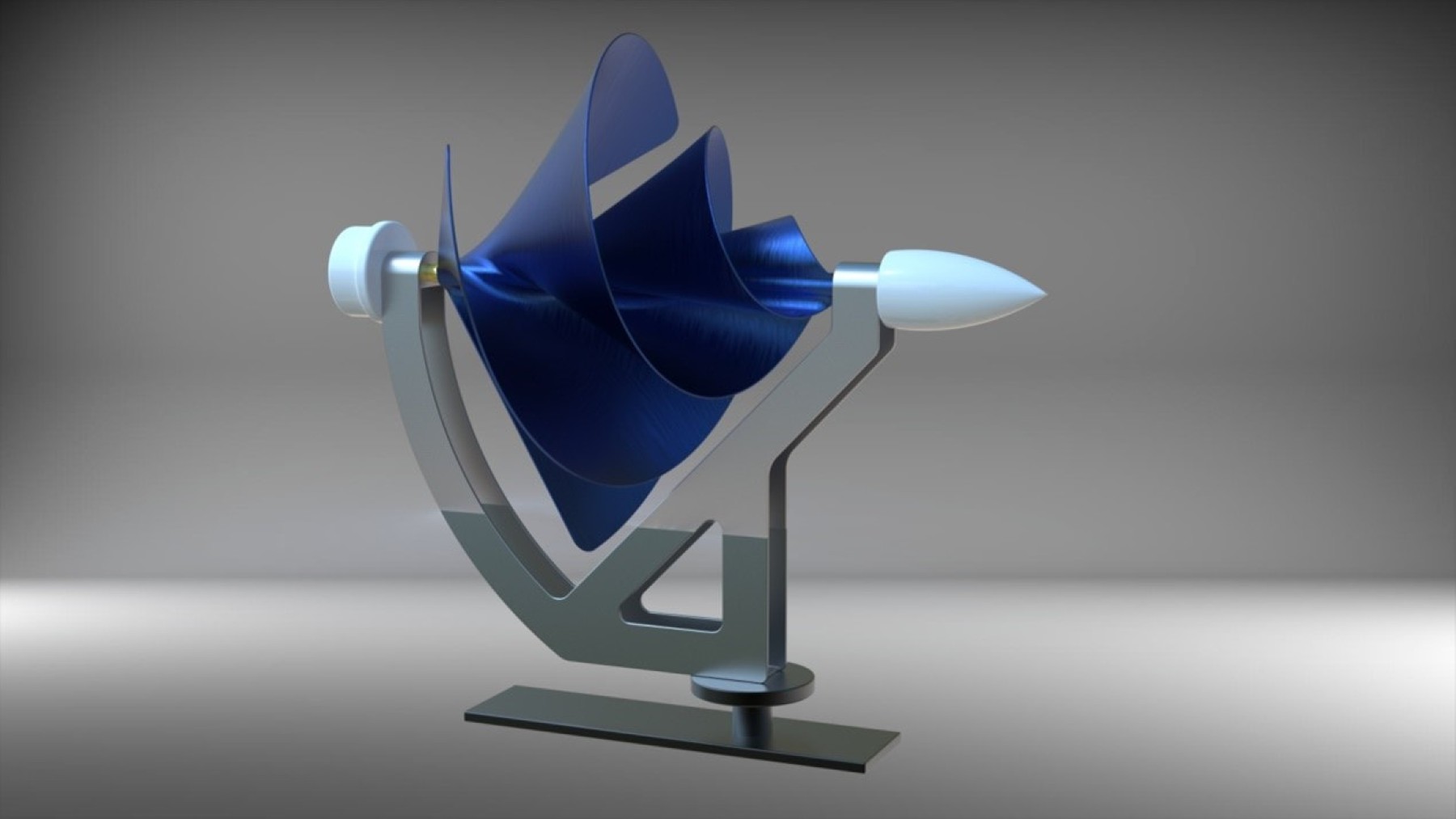
As the world looks for a reliable source of clean energy, conventional silicon PV solar panels have remained the most popular residential solar power solution. However, a new contender has emerged: the LIAM F1 UWT, a non-noisy home-integrated wind turbine with great promise. This diverse and effective design of the turbine not only fits well with solar technology but poses a significant threat to its monopoly in renewable energy generation.
The silent wind turbine that could change your energy bills forever
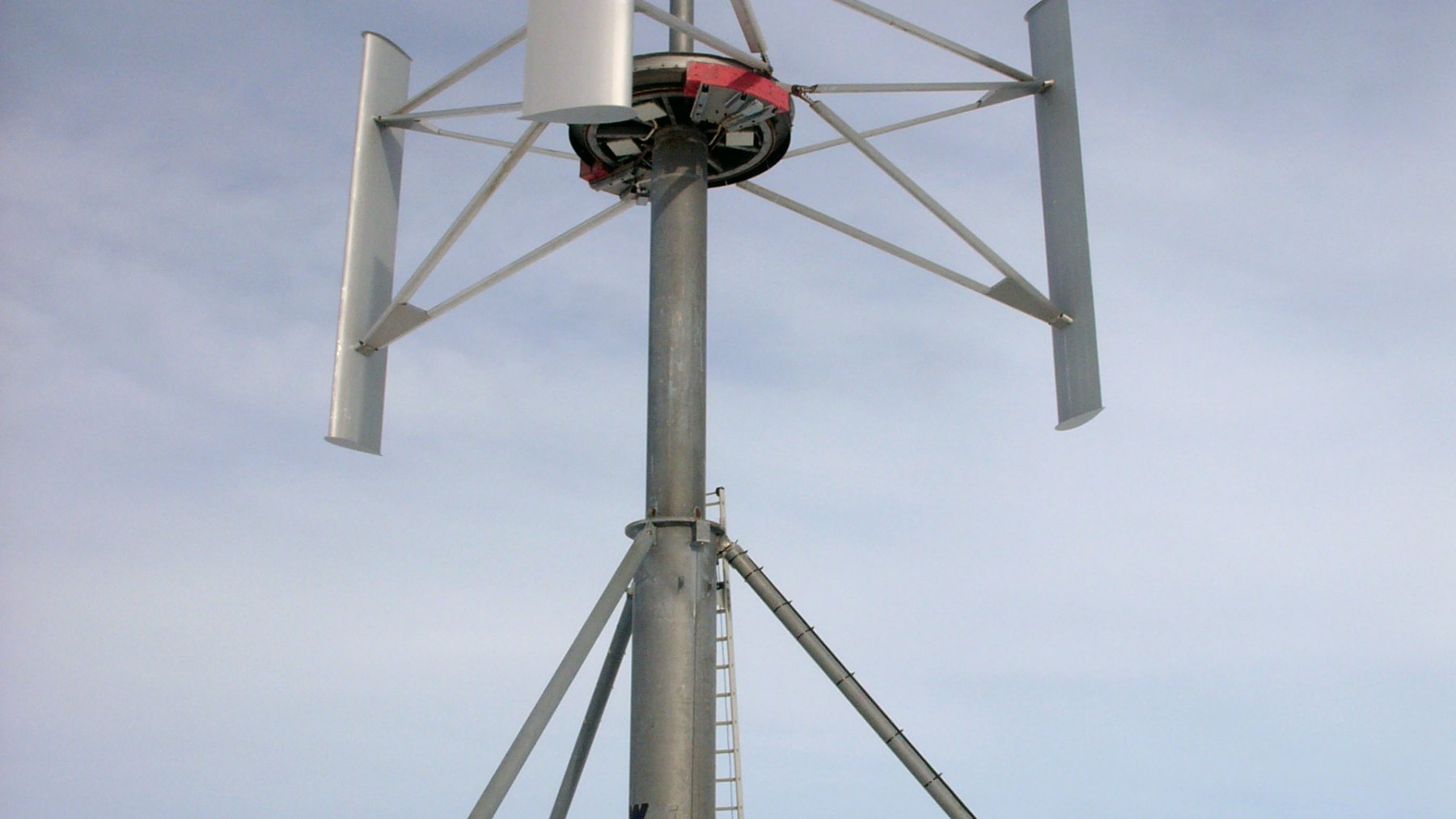
The LIAM F1 UWT is one of a kind designed by a Dutch startup company known as Archimedes. The LIAM F1 UWT does not look or sound like a conventional wind turbine, which can be noisy and unattractive in large urban environments. Measuring only 1.5 meters in diameter and with a total weight of less than 100 kilograms, this turbine is perfect for residential use where space is at a premium.
It has a spiral rotor layout, which means the turbine can harness power from the wind coming from any direction and thus can produce optimum power irrespective of fluctuating winds. This technology is especially suitable for homeowners who may have avoided wind power technology due to noise factors.
The LIAM F1 UWT works at output levels not exceeding 45 dB, which is considerably lower than conventional turbines, and, therefore, the noise does not affect the neighbors. With the increase of urbanization, the LIAM F1 UWT may eventually be incorporated into rooftops and gardens as a standard for renewable energy.
How the LIAM F1 UWT outperforms traditional solar panels
Solar panels have been the most popular renewable energy source among homeowners who want to minimize their contribution to climate change. However, this can be offset by several advantages embedded in LIAM F1 UWT that deserve attention. Solar panels may be limited because they require light and can generate little power during the darker months or in overcast areas, while the LIAM F1 UWT taps into wind energy, which is usually always present even on the darkest of nights.
The LIAM F1 UWT generates between 300 and 2,500 kWh per year and offers additional free electric power other than solar power for a household. However, the integration of the two systems can make the homeowner nearly energy-independent in some cases. The LIAM F1’s low and irregular wind efficiency ensures that homeowners in areas with poor sunlight can still benefit from the wind energy, making this silent wind turbine reliable.
Why urban areas need this innovative wind power solution
With cities struggling to find ways to cut back carbon emissions to reduce climate change impacts, the LIAM F1 UWT is an example of the solution. One can picture a world where rooftop windmills and solar panels are installed and operating in complete secrecy to produce clean power.
This breaking up of energy production could prove beneficial in the future to planning and designing cities to embrace green energy while still preserving the look and feel of an area. The Netherlands has placed itself strategically as the world’s powerhouse in wind energy technology, and the LIAM F1 UWT is a clear revelation of the country’s determination to solve energy problems.
Small-scale and easy-to-implement technologies have the potential to significantly reduce carbon emissions in cities if they are incorporated into urban development. With an increasing focus on renewable energy, the LIAM F1 UWT is a small preview of a world where clean energy is available, practical, and sleek.
What the future holds for wind energy innovations and advancements
The LIAM F1 UWT is only the first step to revolutionizing renewable energy solutions. The future project of Archimedes is to extend the usage of marine wind turbines for sailing ships and combined wind-solar systems, increasing energy efficiency. In this case, it can be seen that we can invest in various forms of energy and, therefore, have a reliable energy source all year round.
As the use of photovoltaic panels continues to increase, the experts quickly point out that relying solely on the device may become more challenging, particularly during autumn and winter, when efficiencies are lower. Thus, innovations such as the LIAM F1 UWT allow homeowners to keep energy independence and avoid the adverse effects of solar reliance. This silent wind turbine is a good reminder that the future of renewable energy is in diversification and flexibility.
Concisely, the LIAM F1 UWT presents a different perspective on the popular notion of renewable energy sources in America. Being virtually noiseless, friendly to the urban environment, and capable of capturing wind energy, this new wind turbine is expected to revolutionize home energy systems. As the world focuses more on the future and tries to gear itself toward sustainability, adopting technologies such as the LIAM F1 UWT for energy independence may be a reality.