Observatory under the Milky Way at night

Science

Geology, paleontology, physics, space and the natural world

In Science, ECOnews reports on new discoveries in geology, paleontology, physics, space, health and the natural world. We explain the latest studies from universities and labs worldwide in plain language.
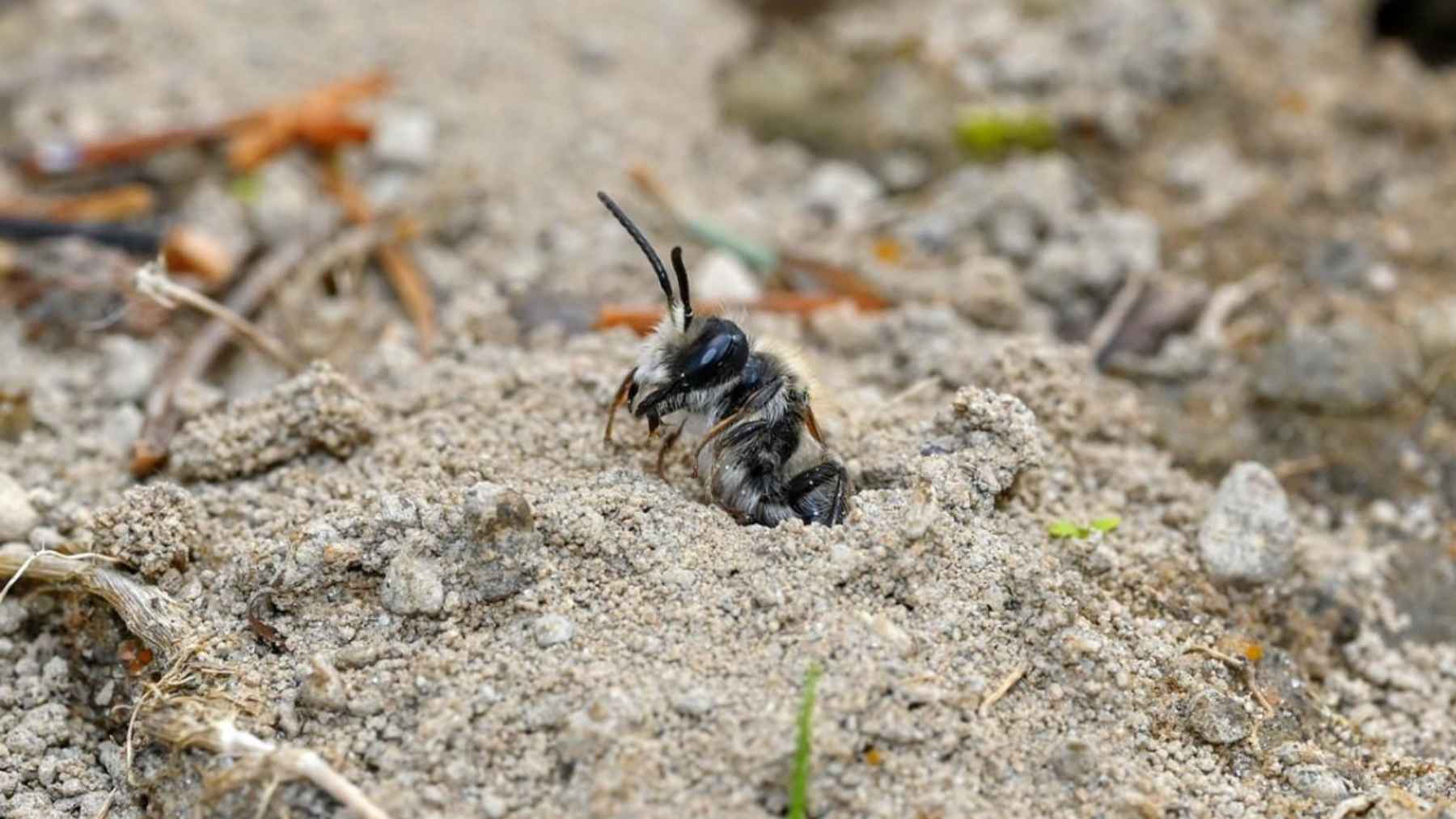
A ground-nesting mining bee emerging from a small burrow in sandy soil.

Millions of bees are found nesting underground in a massive colony, and the scale forces a rethink of how we protect pollinators beyond hives

—
June 6, 2026 at 12:30 PM
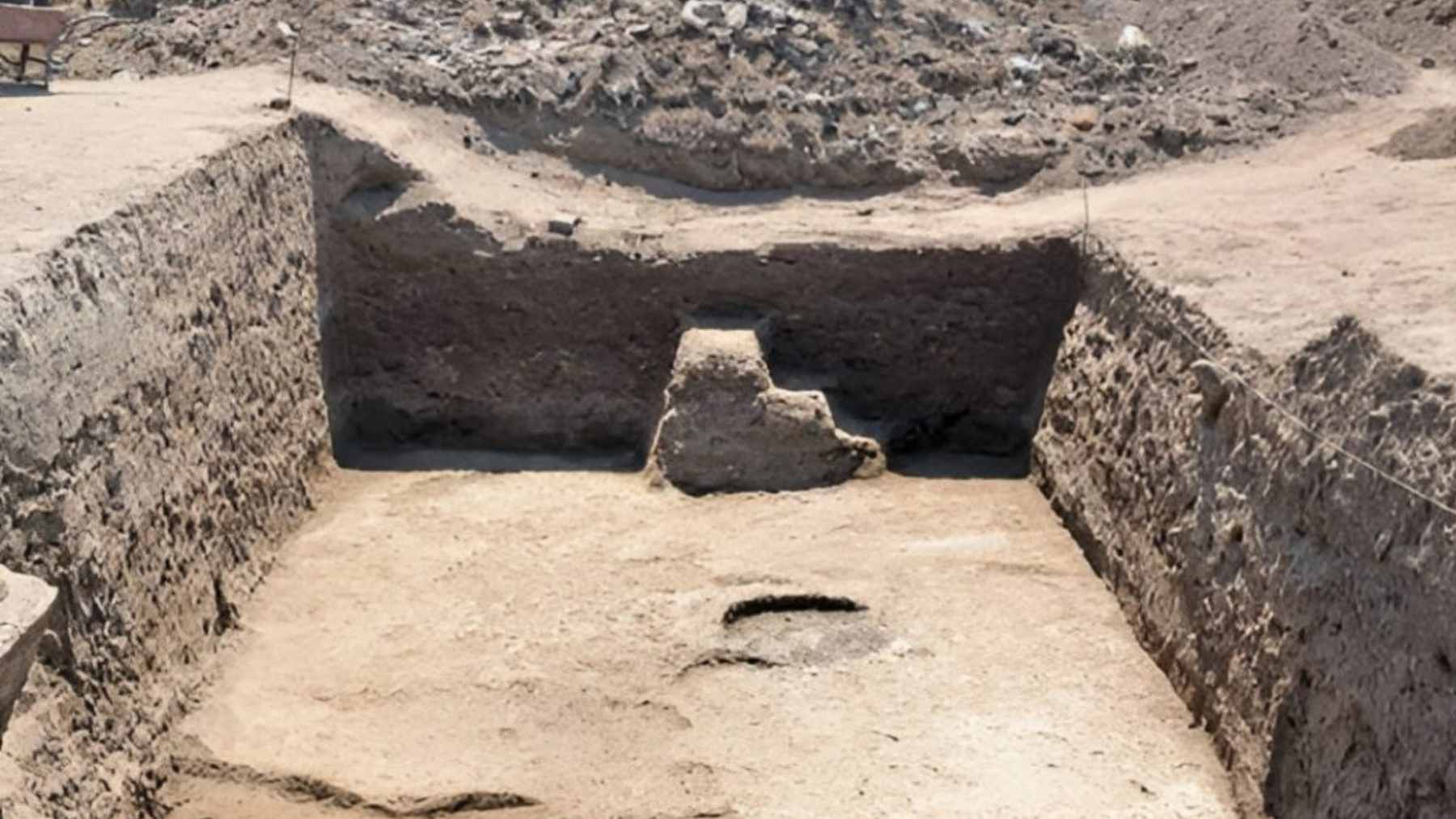
Archaeologists excavating the mudbrick walls of multi-story tower houses in the ancient city of Imet.

Archaeologists rediscover Egypt’s 2,500-year-old “ghost city” of Imet, and the find brings streets and buildings back from under the desert

—
June 6, 2026 at 8:45 AM
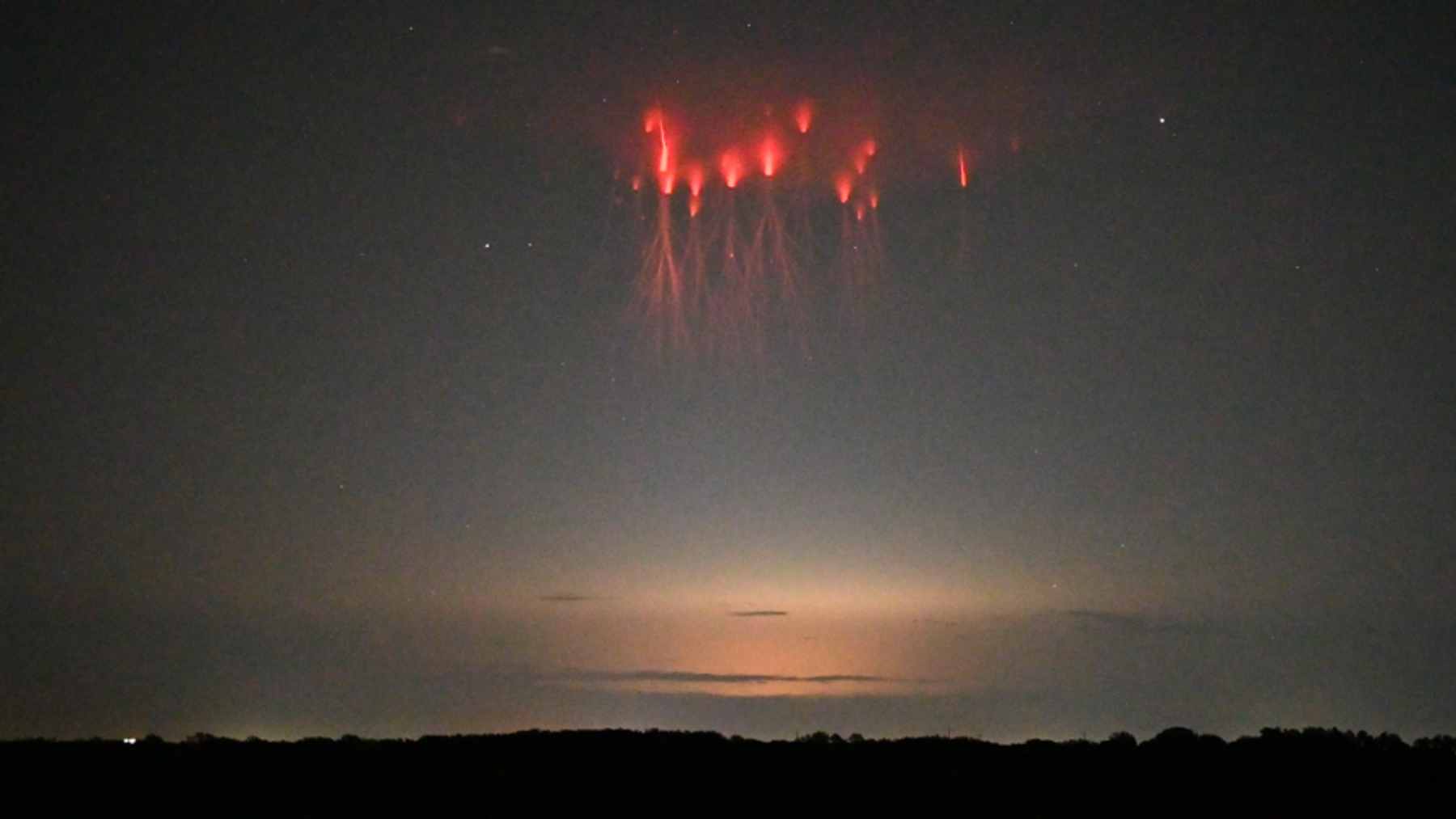
A view from the International Space Station showing a vibrant red gigantic jet lightning event discharging above a thunderstorm.

NASA astronauts capture rare red “sprites” above storms from the space station, and the scene reveals a kind of lightning so high and elusive we usually miss it

—
June 6, 2026 at 6:30 AM
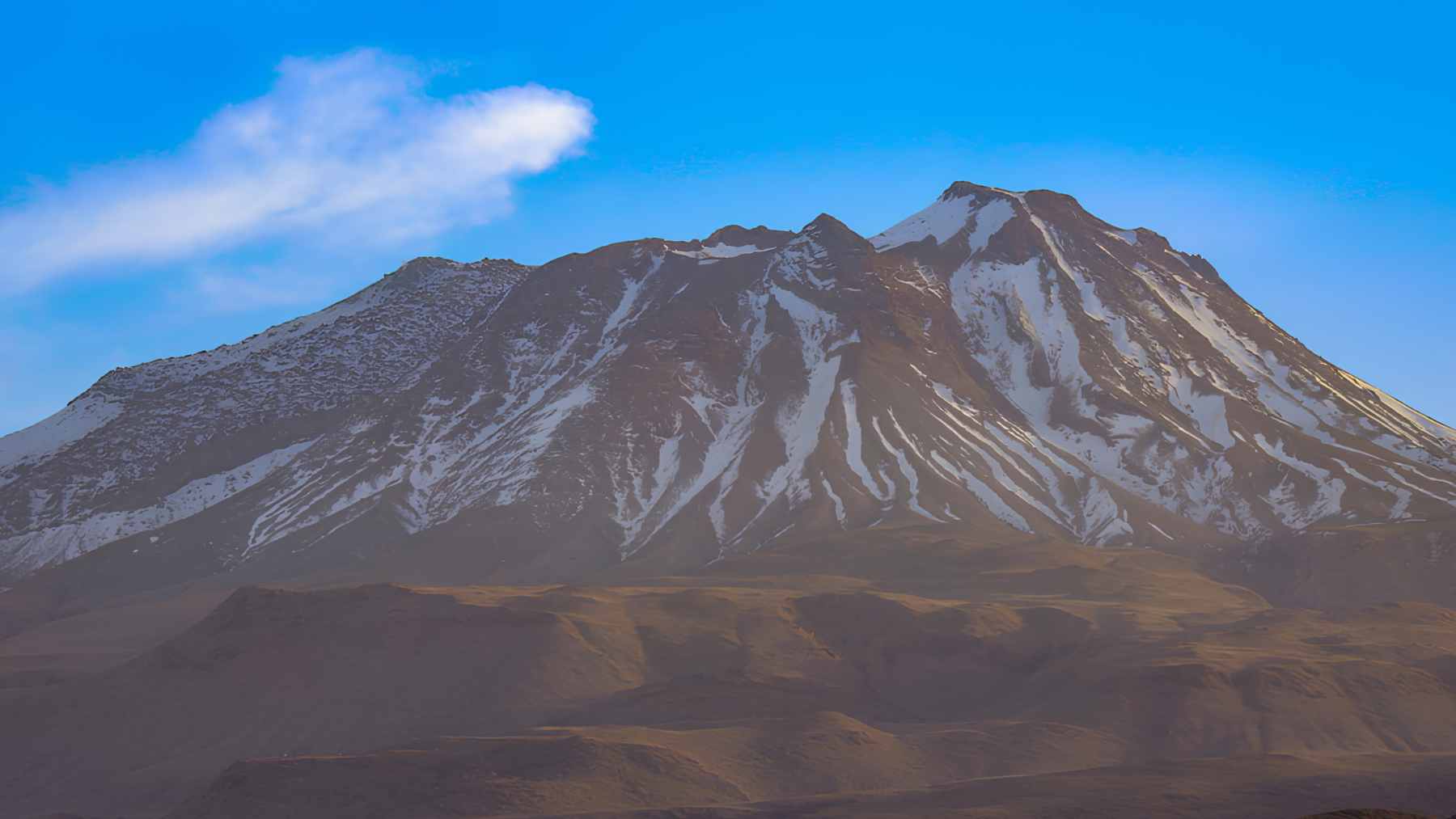
A satellite radar image overlay showing ground elevation changes at the summit of Taftan volcano in southeastern Iran.

Iran’s remote Taftan volcano stirs after 700,000 silent years, and the return of activity is a reminder Earth keeps longer clocks than human memory

—
June 5, 2026 at 5:00 PM
Applying a hair growth serum with a dropper to thinning areas on the scalp.

Scientists develop a plant-based serum that regrows hair in lab tests within weeks, and the results spark equal parts hope and caution

—
June 5, 2026 at 12:30 PM
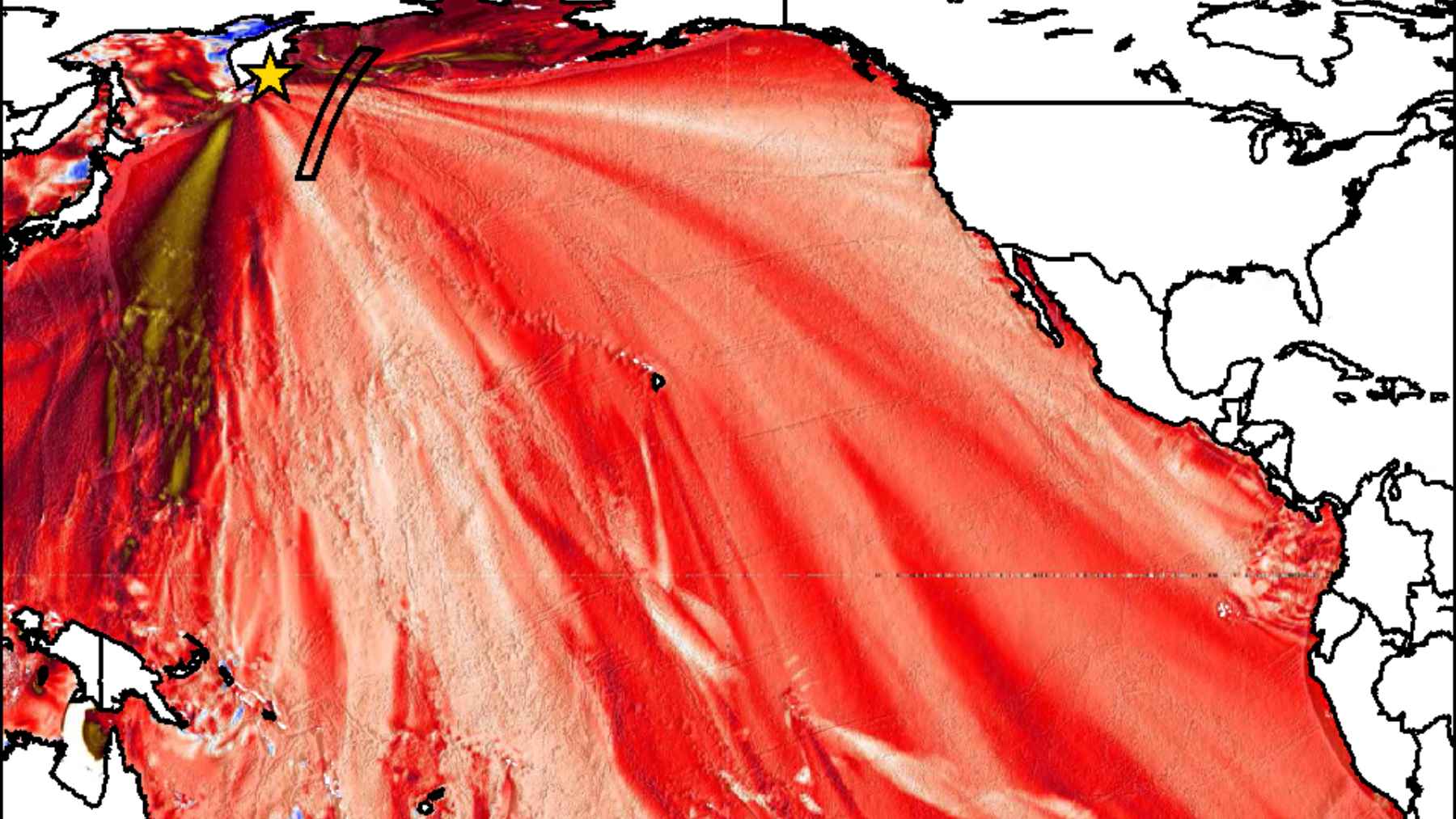
High-resolution map showing tsunami wave propagation across the Pacific Ocean captured by satellite data.

The SWOT satellite captures the first detailed high-resolution view of a massive Pacific tsunami, and the imagery helps explain how an ocean-crossing wave actually travels

—
June 5, 2026 at 8:45 AM
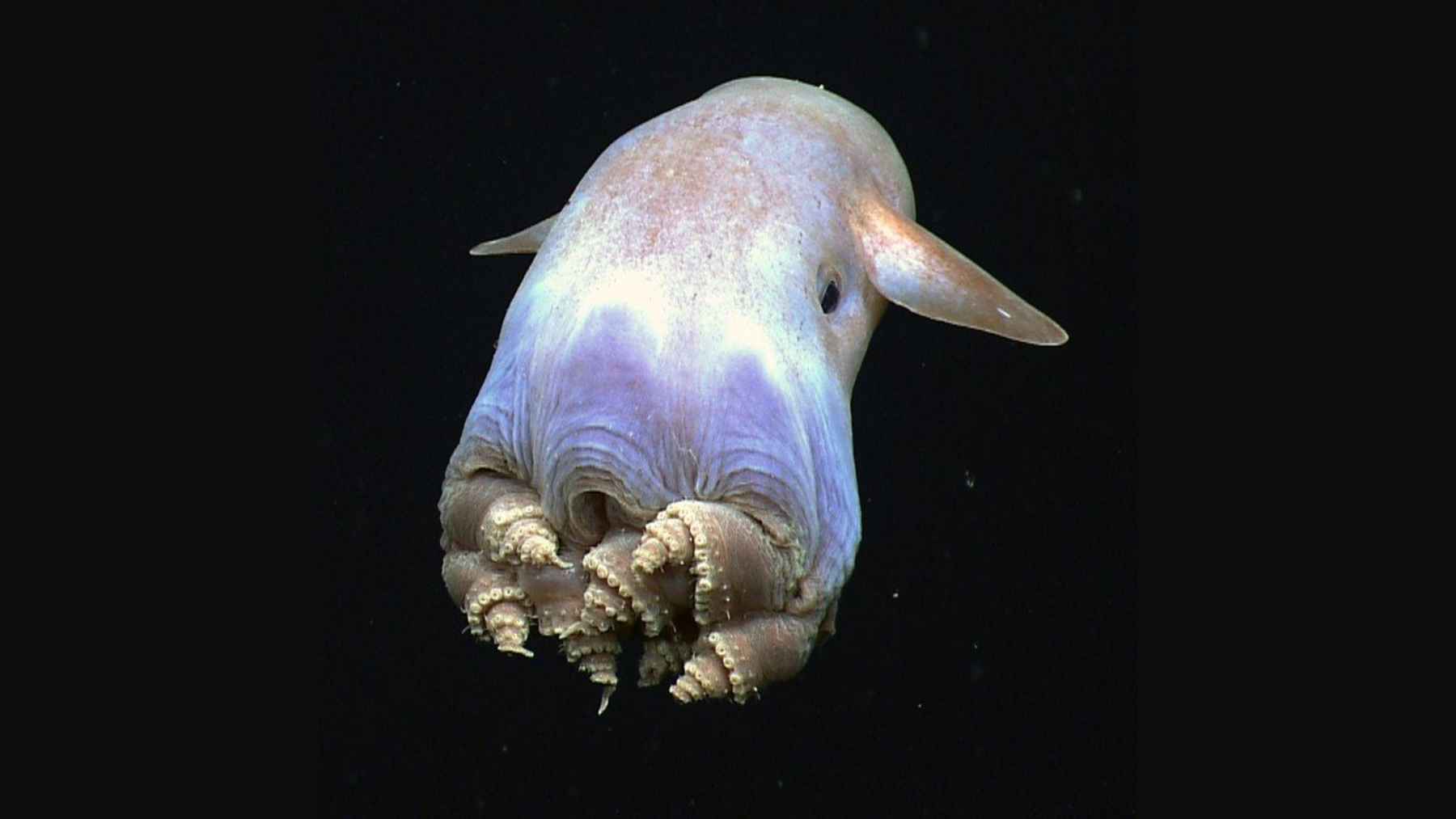
Close-up of a Dumbo octopus with ear-like fins and curled tentacles floating in the deep ocean.

A new Dumbo octopus is discovered in the deep Pacific, and Grimpoteuthis feitiana proves every deep-sea expedition still finds names that didn’t exist yesterday

—
June 5, 2026 at 6:30 AM
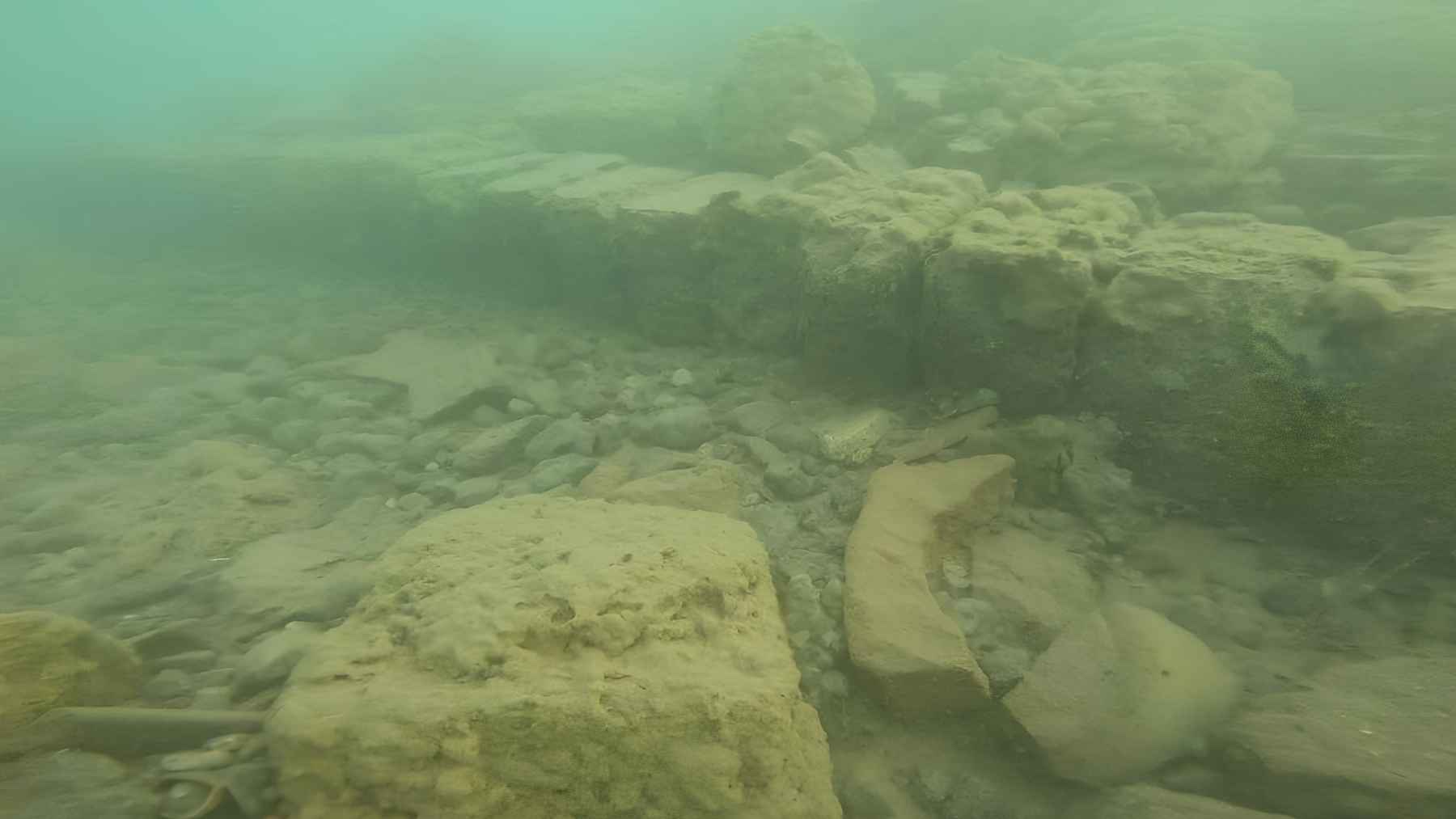
Submerged stone structures and ruins visible underwater at Lake Issyk-Kul, part of a medieval Silk Road settlement.

Archaeologists working in 3 to 13 feet of water along Kyrgyzstan’s Lake Issyk-Kul say they have mapped streets, public buildings, and a Muslim cemetery, and they believe a major early-1400s earthquake pushed a medieval Silk Road trading town under the lake

—
June 4, 2026 at 3:00 PM
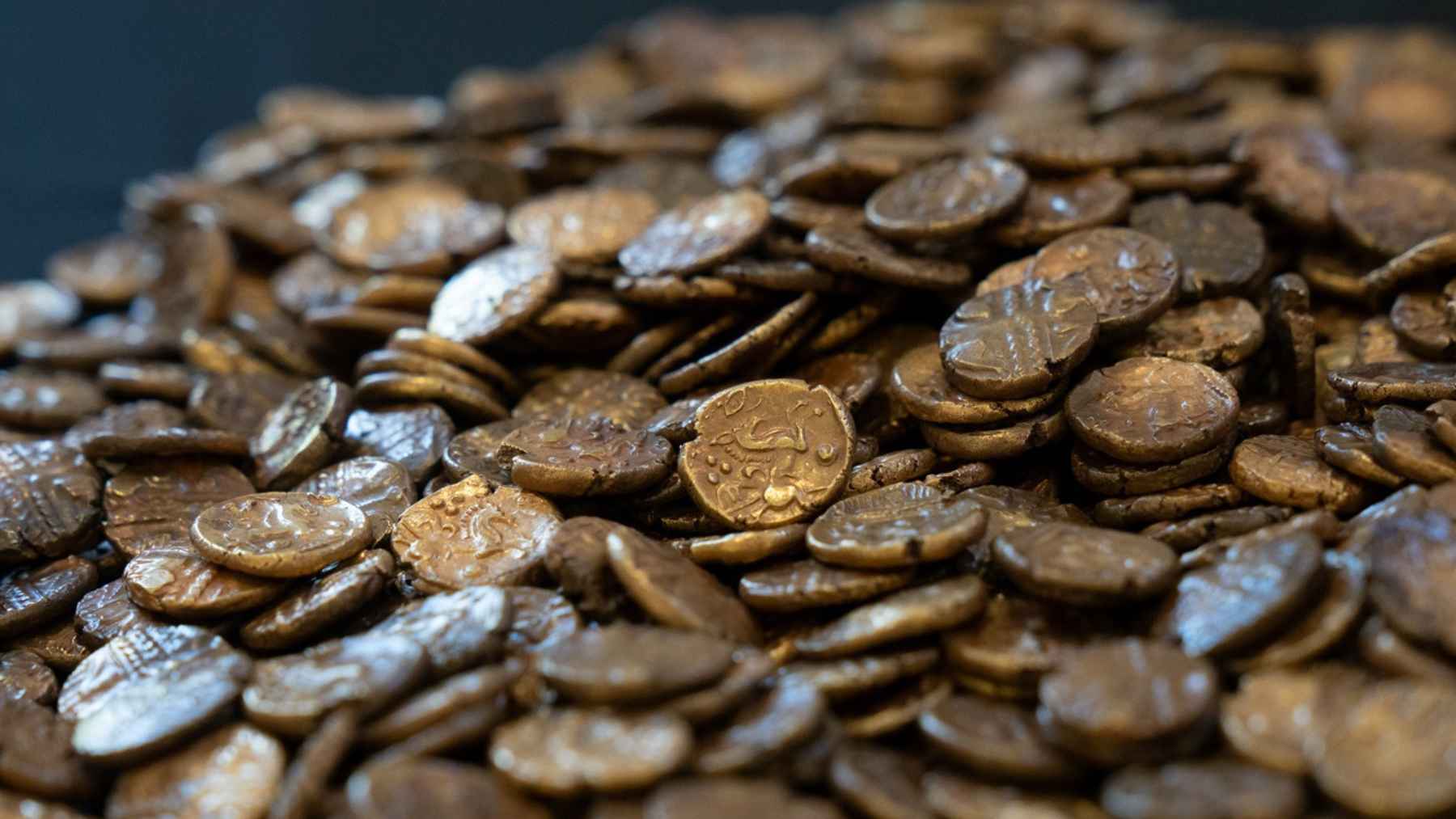
Iron Age gold staters from the Great Baddow Hoard discovered in Essex, one of the largest ancient coin finds in Britain

A metal detector finds more than 1,000 gold coins from the 1st century B.C., and the stash surfaces as if the ground kept a debt with history

—
June 4, 2026 at 6:30 AM
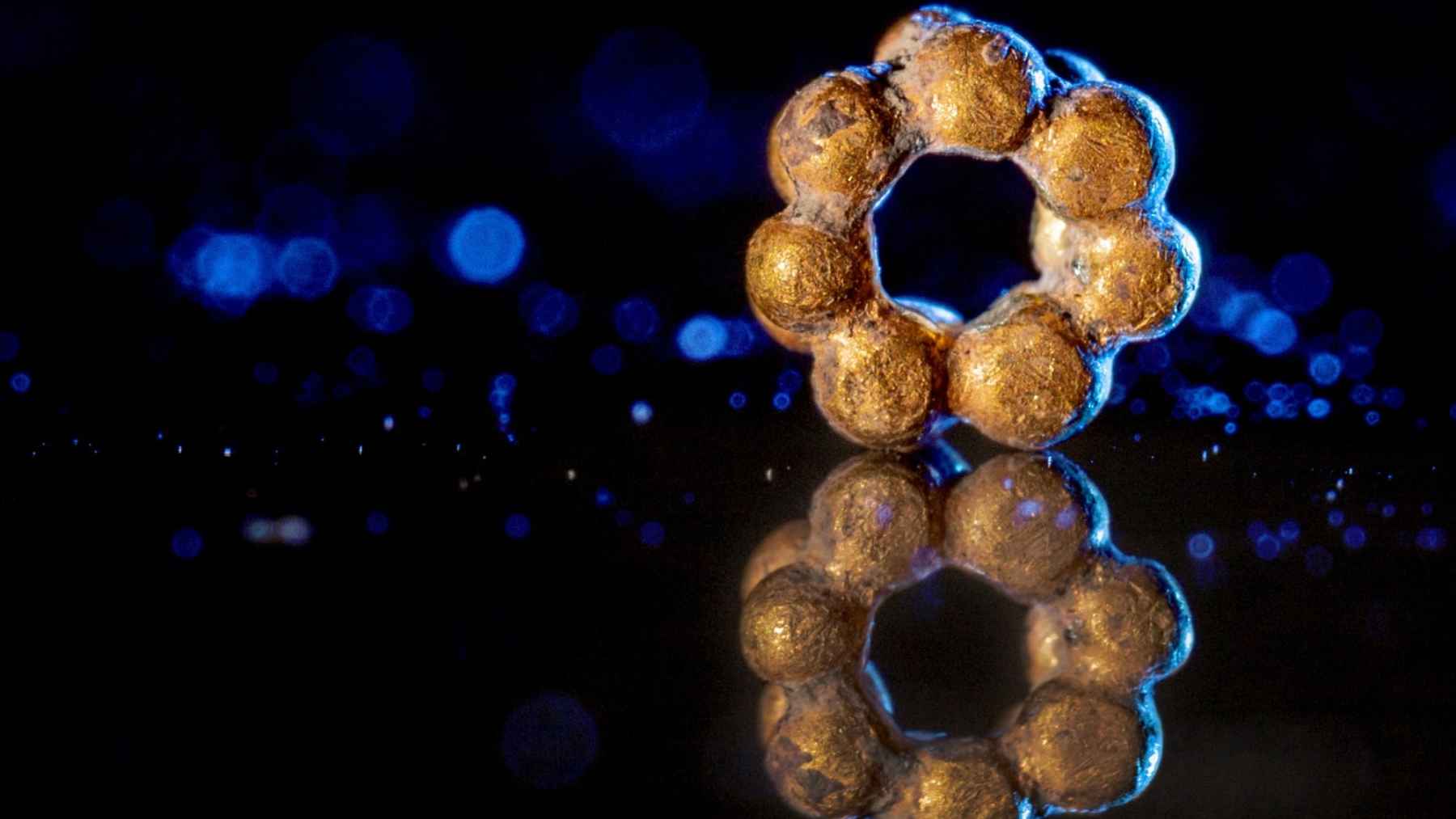
Ancient gold bead discovered in the City of David, dated to about 1600 years ago and made with a granulation technique.

A volunteer finds a tiny 1,600-year-old gold bead in Jerusalem’s ancient City of David, and that speck of metal revives a daily-life moment from another era

—
June 3, 2026 at 3:00 PM
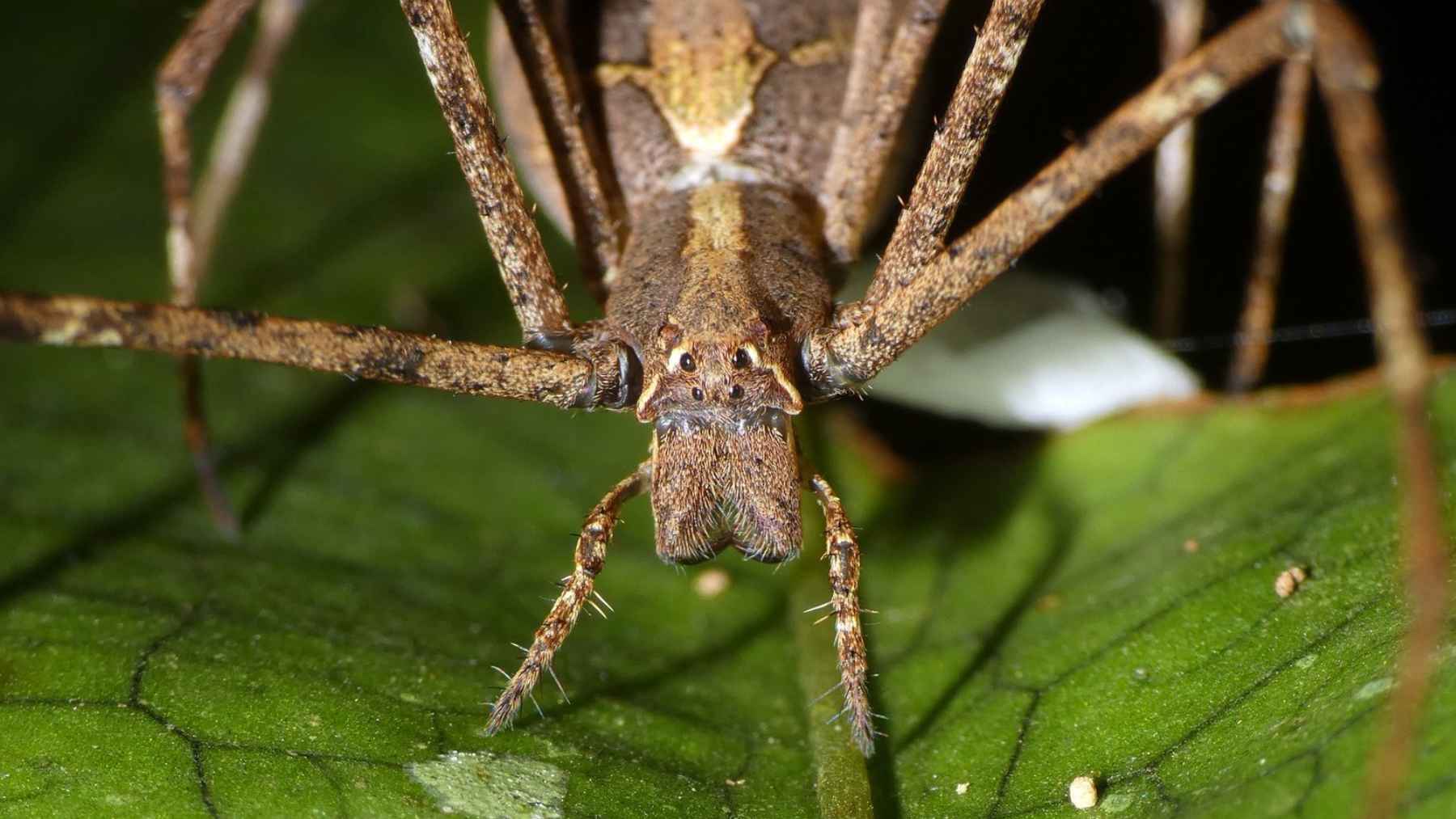
Close up of a net casting spider showing its eyes and body while resting on a leaf.

The Australian net-casting spider Asianopis subrufa spins silk that stiffens as it stretches

—
June 3, 2026 at 12:30 PM
Illustration of a Bronze Age communal feast with people cooking meat over fire and sharing food in a prehistoric settlement.

In Britain’s Bronze Age 3,000 years ago, communities held massive meat feasts, and the gatherings may have functioned like a social network that kept groups together

—
June 3, 2026 at 10:15 AM
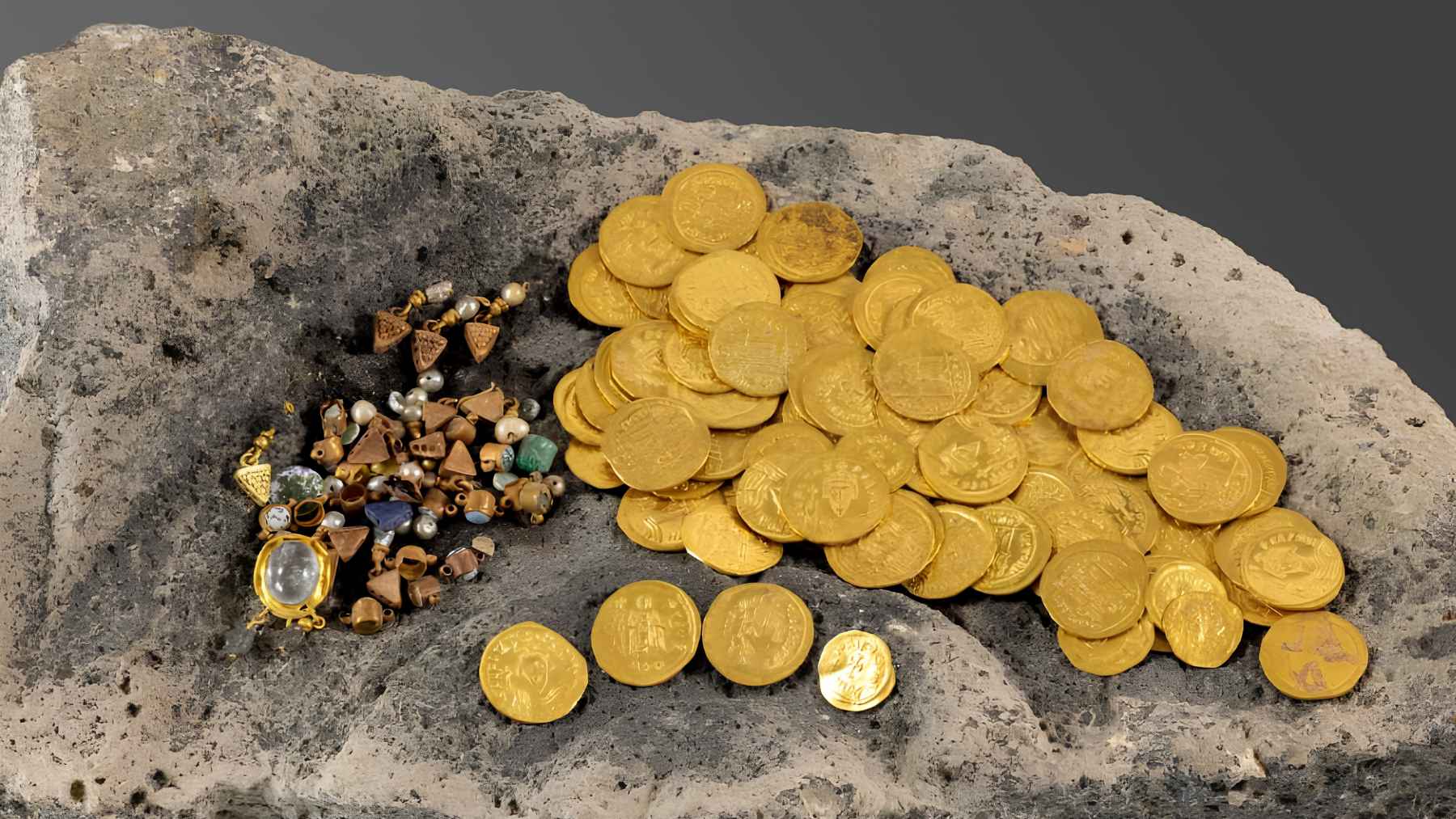
Byzantine gold coins and jewelry discovered in Hippos, Israel, forming a hidden treasure from the 7th century.

A metal detector uncovers a 1,400-year-old Byzantine treasure, and the coins reappear as if they were hidden yesterday

—
June 2, 2026 at 6:30 PM
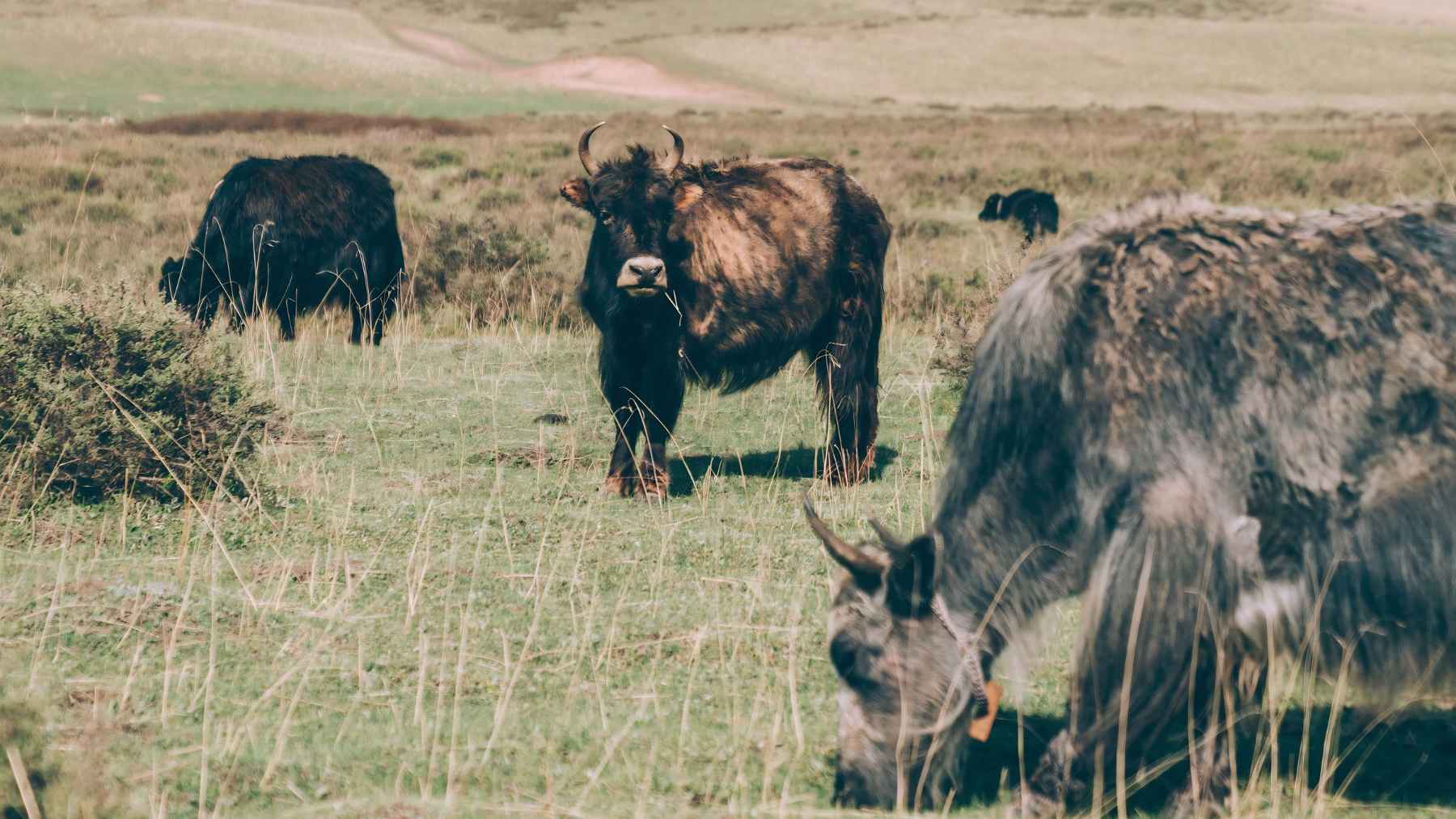
Tibetan yaks grazing on a high altitude plateau where scientists studied microbial diversity.

Researchers find thousands of new microbial species in herbivore poop, and the discovery suggests the biggest biodiversity may live where nobody wants to look

—
June 2, 2026 at 5:00 PM
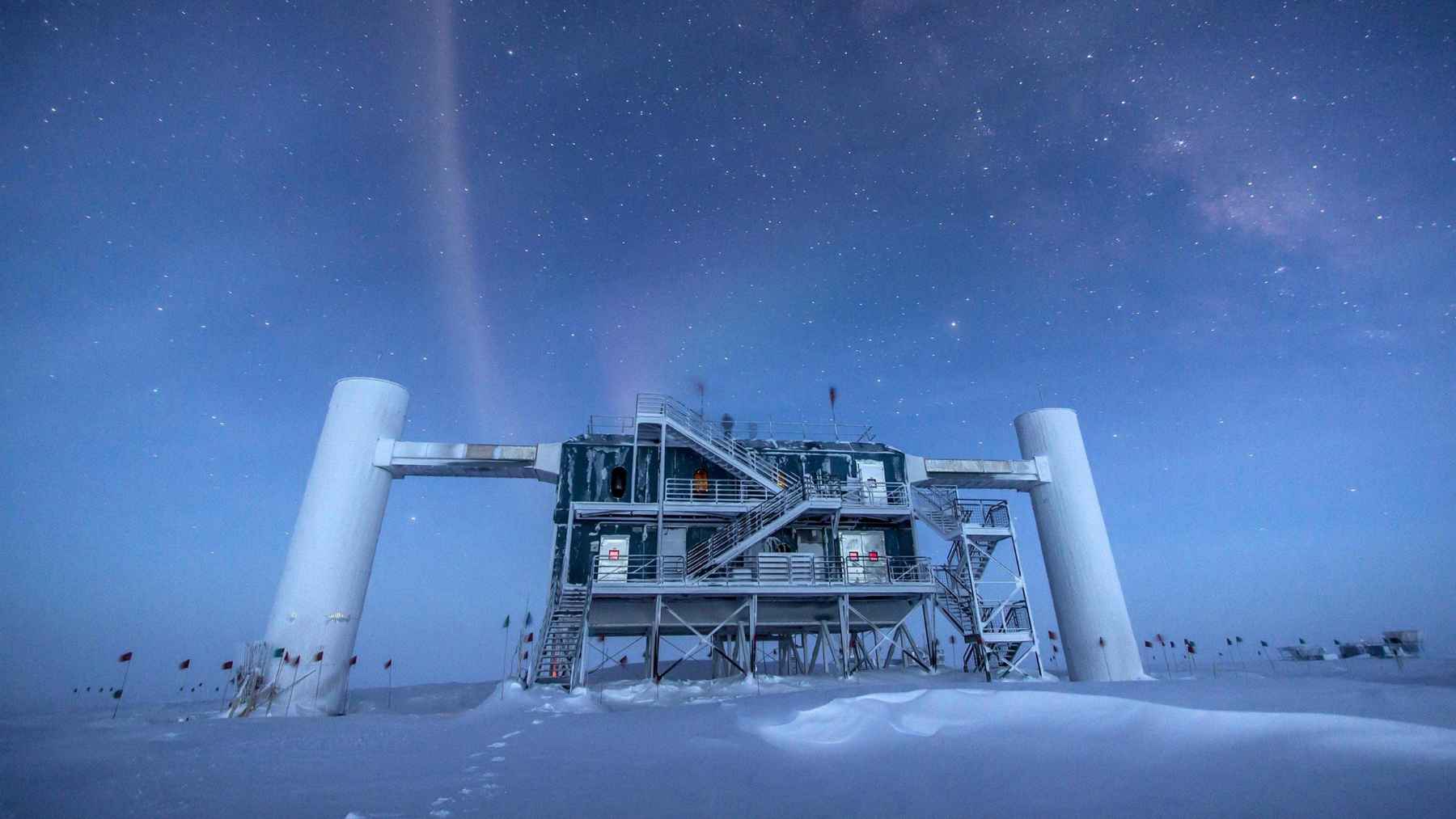
IceCube neutrino observatory at the South Pole under a star filled Antarctic sky.

IceCube releases its first report using a new neutrino analysis method, and the upgrade could sharpen how we “listen” to particles that cross Earth without leaving a trace

—
June 2, 2026 at 12:30 PM
Archaeologists uncovering a decorated sarcophagus during an excavation in Luxor, Egypt.

Archaeologists entered a hidden rock-cut chamber beneath Luxor and found 22 painted coffins stacked in 10 rows plus 8 sealed papyri left untouched inside a pottery vessel, a cache tied to the “Singers of Amun” that reads like a sacred archive buried on purpose

—
June 2, 2026 at 6:30 AM
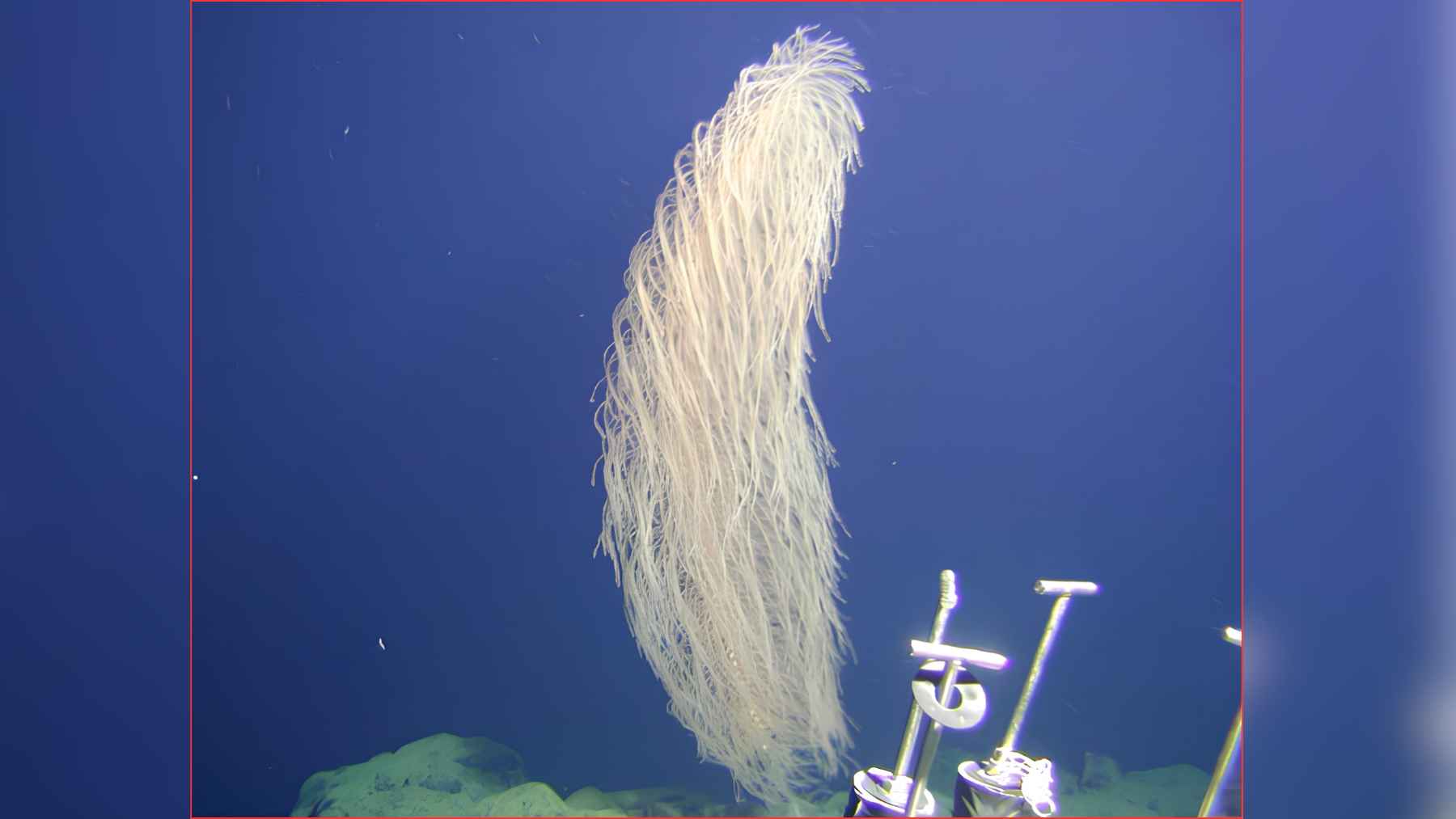
Deep sea coral with long hair like branches floating in the dark ocean, resembling the Chewbacca inspired species.

Scientists discover a new deep-ocean coral nicknamed “Chewbacca,” and Iridogorgia thrives where sunlight never reaches and life seems impossible

—
June 1, 2026 at 12:30 PM
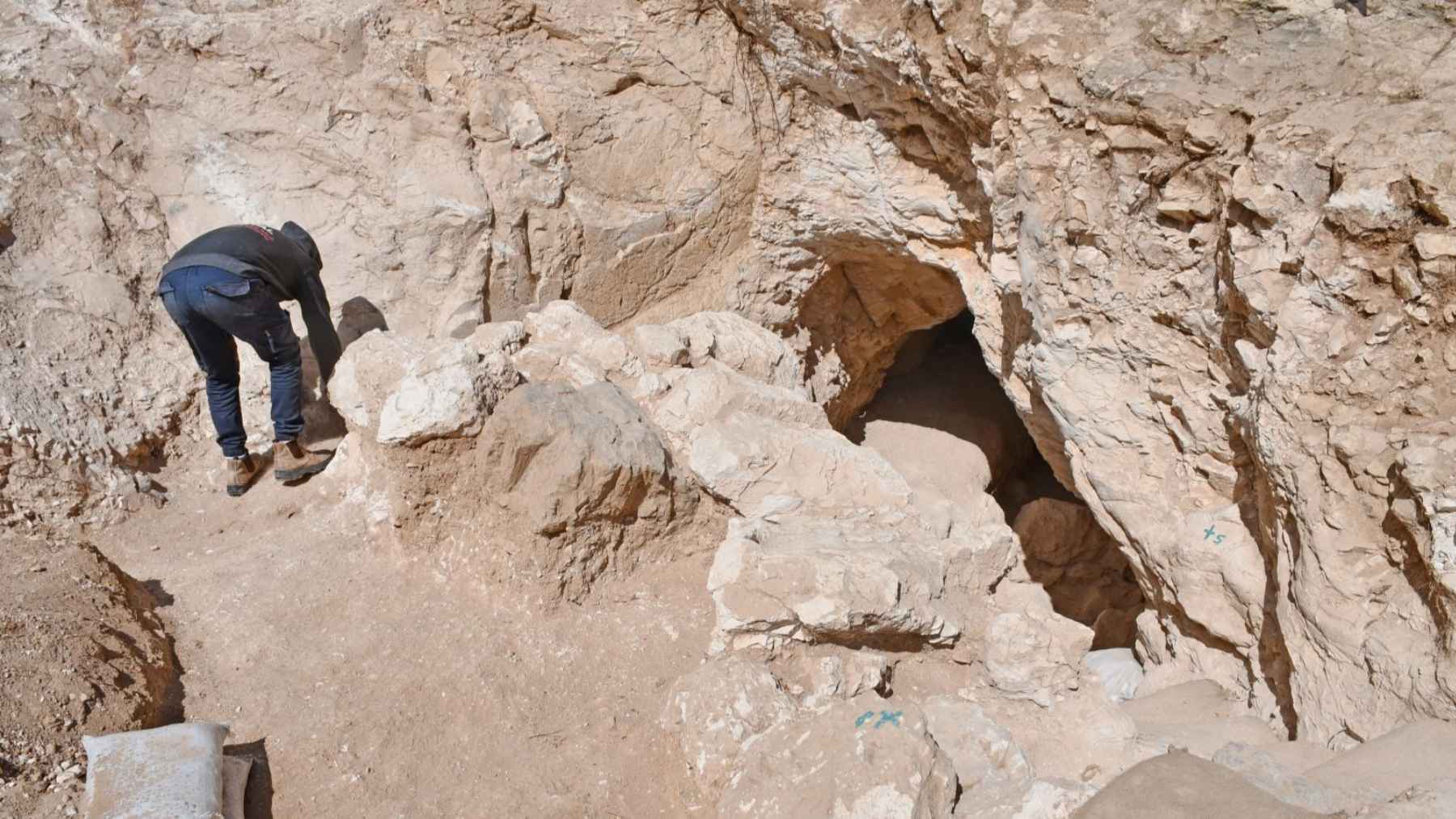
Archaeologist inspects entrance of a rock-cut underground tunnel discovered near Ramat Rachel in Jerusalem.

Archaeologists find a 164-foot underground tunnel in Jerusalem, and the massive build has no clear answer, putting the city under its own history once again

—
May 31, 2026 at 6:30 PM
A pressure cooker on a stovetop with steam escaping from the pressure valve during a cooking experiment.

Inside a pressure cooker, a simple experiment shows how steam raises temperature and speeds up beans, and it also explains why that whistle is pure physics

—
May 31, 2026 at 6:30 AM
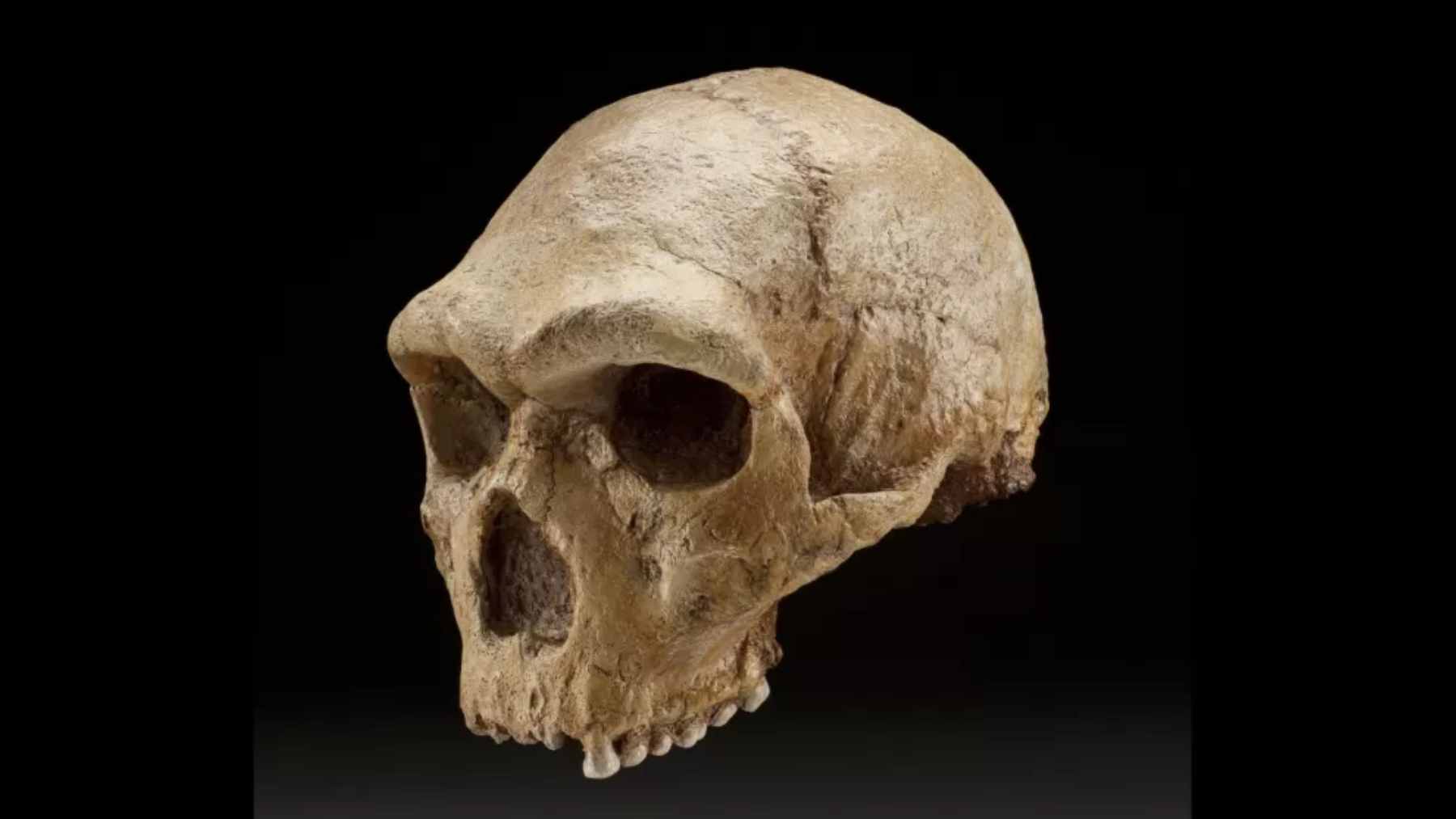
The Petralona cranium, an ancient hominin skull discovered in northern Greece, featuring a distinct, primitive morphology.

A 286,000-year-old hominin skull found in Petralona Cave in Greece still has no clear identity, and the gap reopens the puzzle of who lived in Europe before Neanderthals

—
May 30, 2026 at 5:00 PM
Previous Next

ECOnews alerts

Get the most relevant environment stories as soon as we publish them

ECOnews is the English-language edition of ECOticias.com, focused on environmental and sustainability news for a global audience: mobility, energy, economy, technology, science, environment and trending stories.

© 2026 ECOnews · ECOticias.com, the green newspaper since 2004 ↑ Top