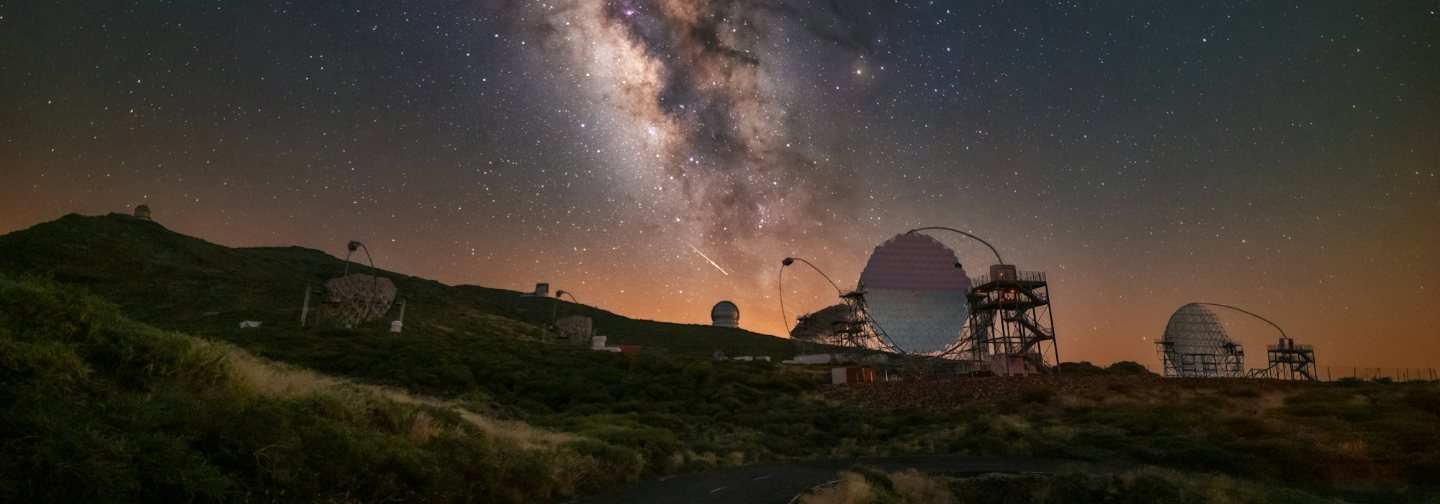
Observatory under the Milky Way at night

Science

Geology, paleontology, physics, space and the natural world

In Science, ECOnews reports on new discoveries in geology, paleontology, physics, space, health and the natural world. We explain the latest studies from universities and labs worldwide in plain language.
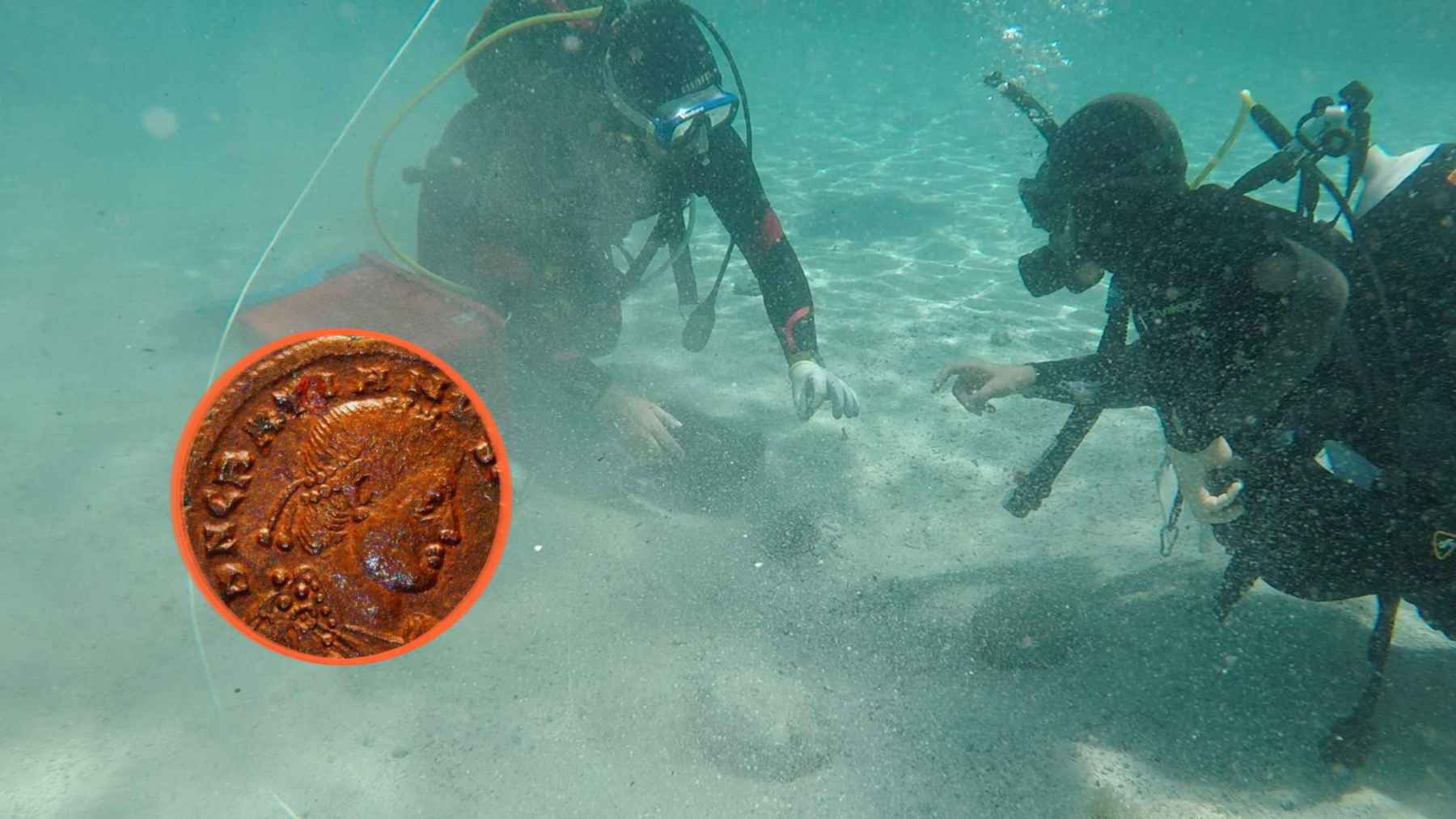
Divers search the sandy seabed off Sardinia with an inset showing a late Roman bronze coin from the underwater hoard.

A diver finds a hidden stash of coins underwater, and what looked like debris becomes the treasure find of a lifetime

—
June 15, 2026 at 8:45 AM
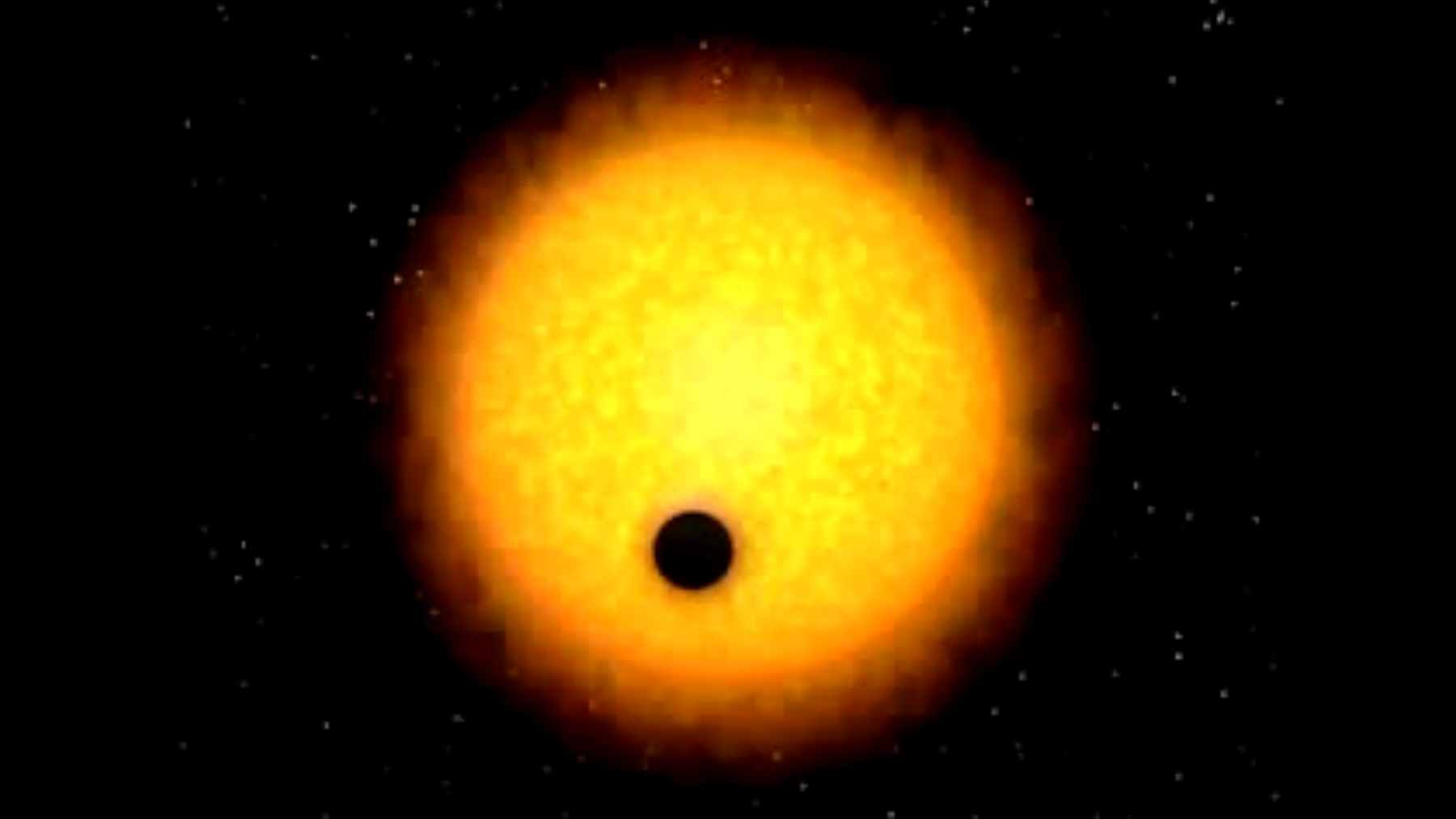
An archival photo of a small four-inch telescope housed in a modest wooden shed, which was used to detect the transit of an exoplanet.

A 25-year-old astronomer used a 4-inch telescope in a wooden shed to spot a signal that helped open the door to discovering thousands of planets

—
June 14, 2026 at 6:30 PM
A side-by-side comparison showing the Earth's equatorial bulge and how Chimborazo's proximity to the equator makes its summit farther from the Earth's center than Everest's.

Mount Everest is the highest above sea level, but Ecuador’s Chimborazo sits farther from Earth’s center, making it the planet’s true “closest point to space”

—
June 14, 2026 at 5:00 PM
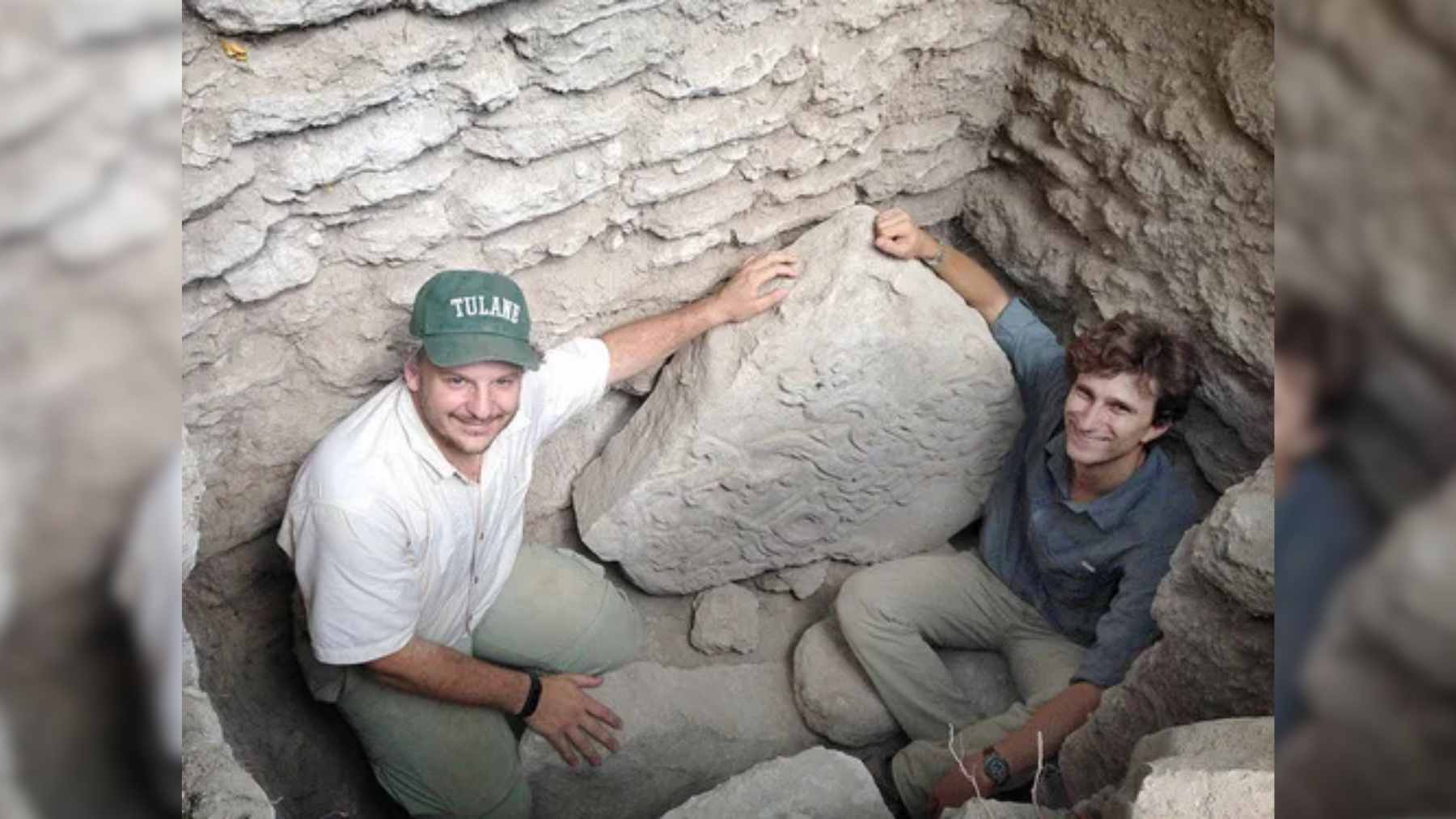
A lidar-generated 3D map revealing the outlines of ancient stone pyramids and plazas hidden beneath the dense jungle canopy.

An archaeology student “found” a lost Maya city with a simple Google search, and the discovery shows how modern tools can crack ancient mysteries

—
June 14, 2026 at 3:00 PM
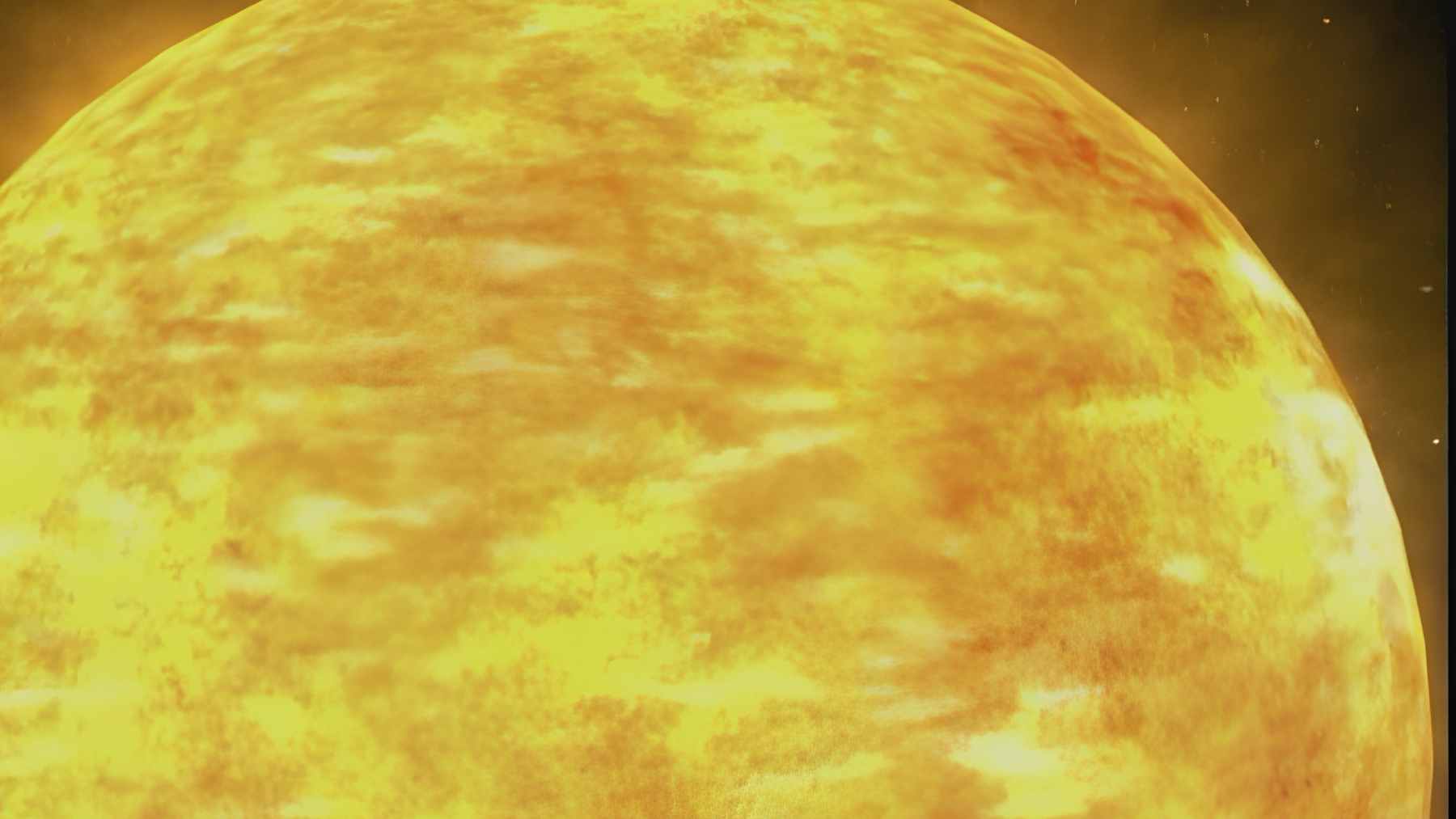
A view of the Sun as seen from space, appearing as a brilliant, pure white sphere against the black background.

The Sun may look yellow from Earth, but seen from space it’s actually white, and our atmosphere is what tints it with that familiar color

—
June 14, 2026 at 12:30 PM
A person narrating their thoughts aloud while organizing daily tasks, demonstrating the brain's use of self-talk for planning and focus.

Talking to yourself when you are alone is not a sign of loneliness: psychology links it to managing emotions and decisions

—
June 14, 2026 at 10:15 AM
Portrait of Alessandro Volta next to a diagram of his voltaic pile, the invention that pioneered modern electrical measurement.

Italy has spent nearly 200 years calling the volt a name derived from an Italian scientist’s name. Now, it wants the world to give back the letter English erased, and the strange part is that the fight over credit is hiding inside a unit everyone uses

—
June 13, 2026 at 5:00 PM
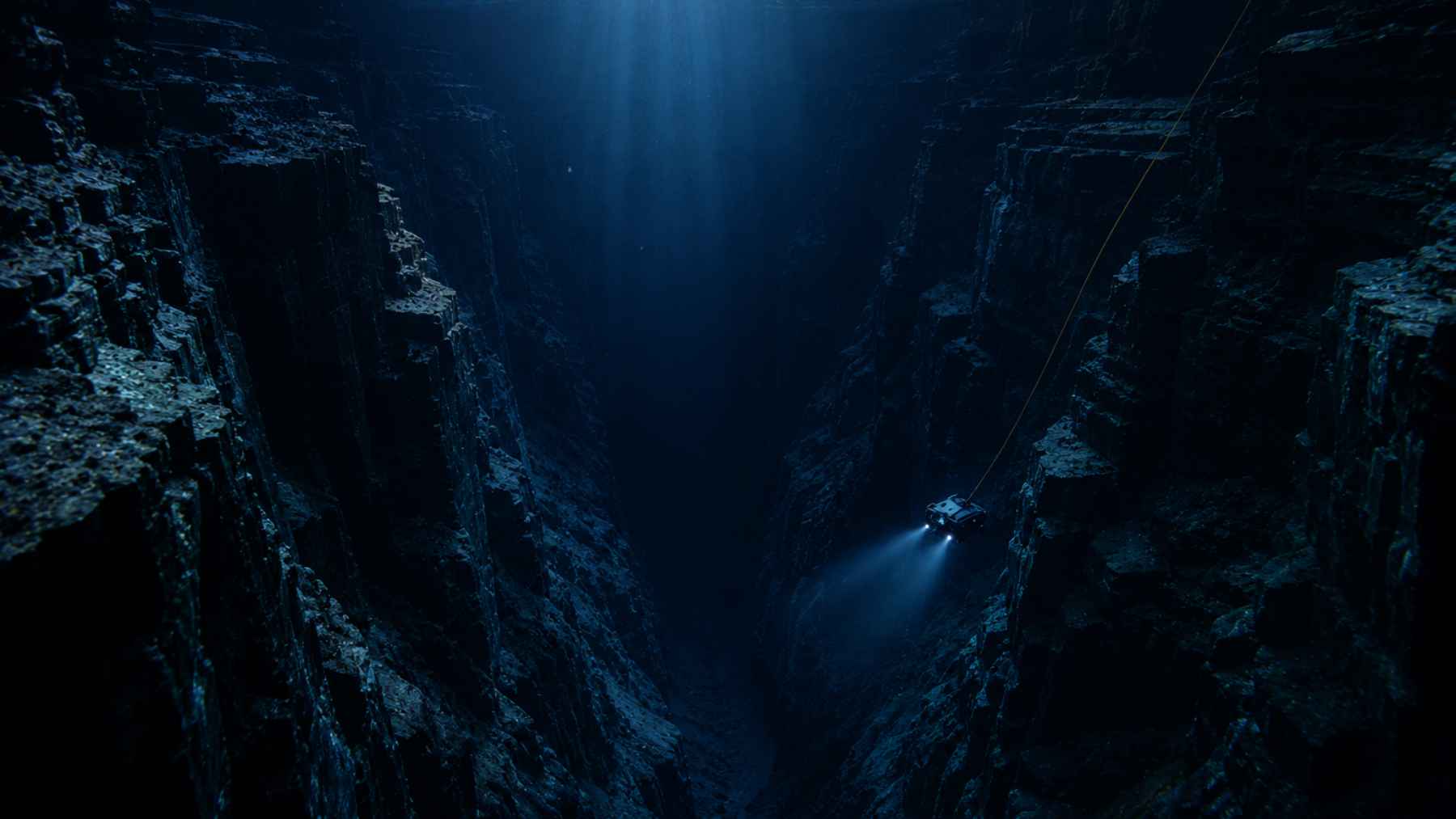
Illustration of a deep underwater canyon with steep rocky walls and a submersible exploring the abyss in the Bering Sea.

Between Alaska and Siberia lies a seafloor abyss, an underwater rift dropping about 8,530 feet, revealing a hidden world most people never imagine

—
June 11, 2026 at 10:15 AM
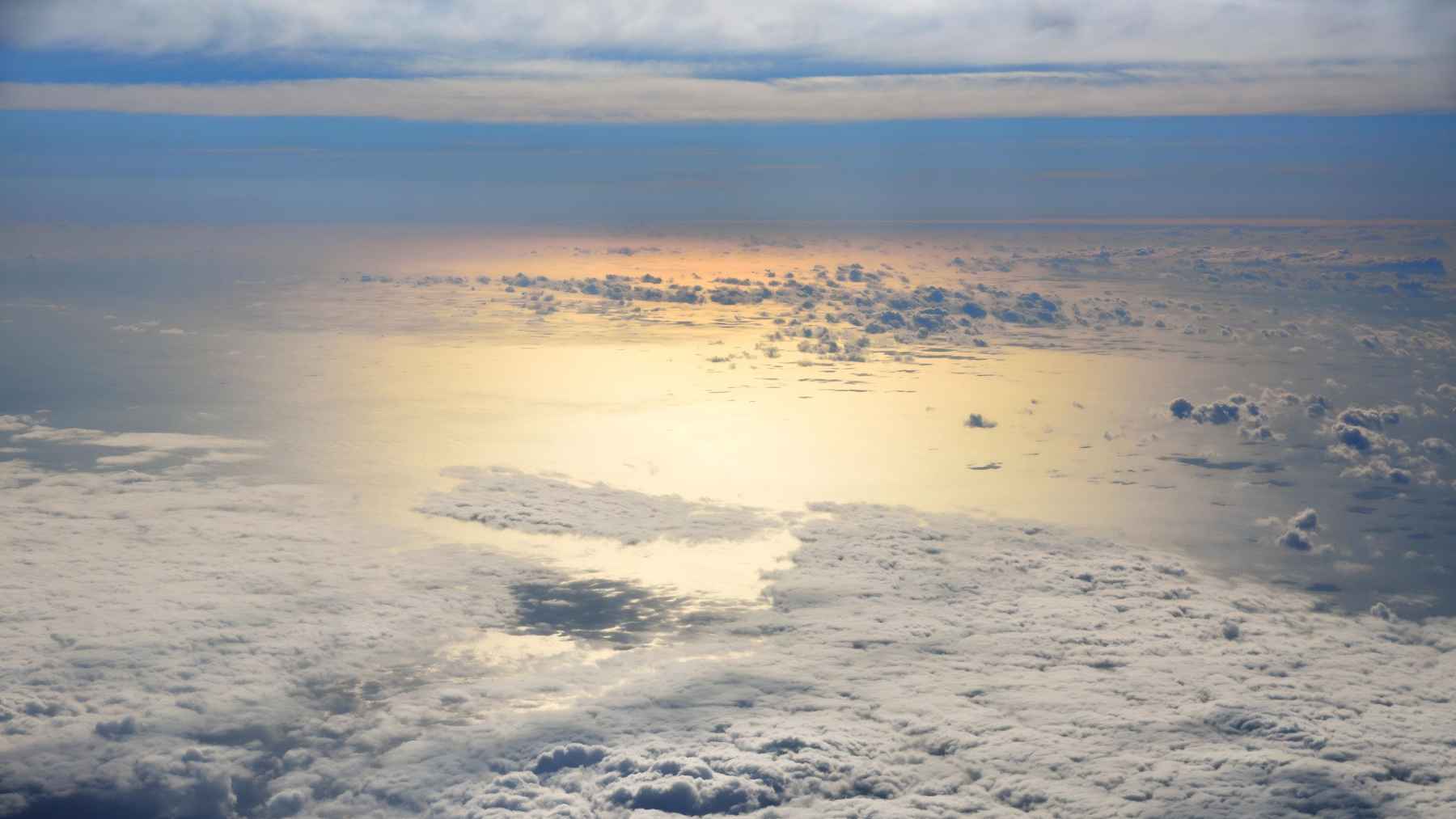
Aerial view of marine clouds over the ocean reflecting sunlight, with bright light reaching the water surface below.

Cleaner air is making marine clouds about 2.8% less reflective per decade over the North Atlantic and Northeast Pacific, and scientists say that “clean-air paradox” is letting more sunlight hit the water and helping oceans warm faster than forecasts expected

—
June 10, 2026 at 5:00 PM
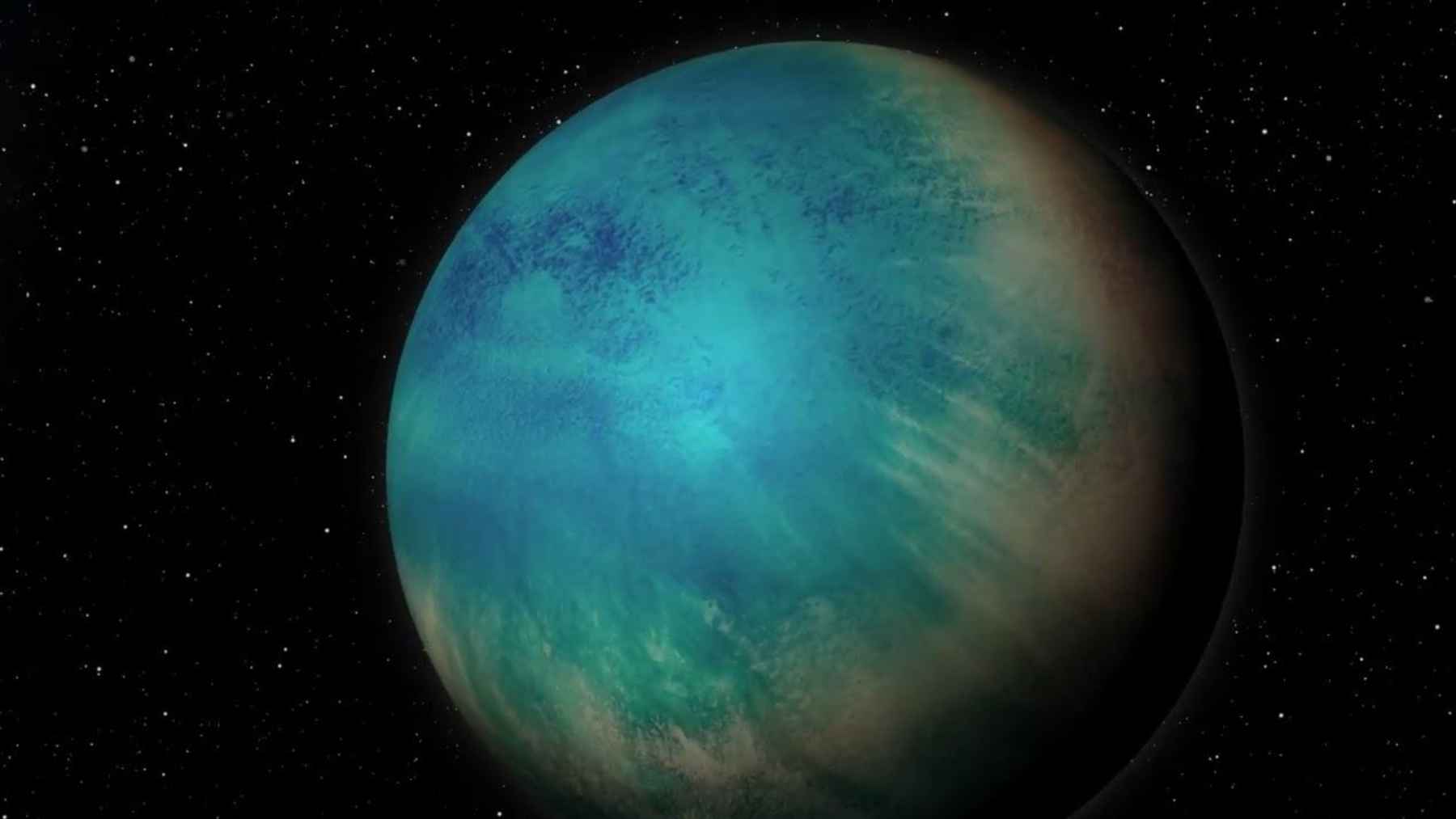
Artist’s illustration of TOI-1452 b as a blue-green possible ocean world against a field of stars.

Astronomers describe an exoplanet that may be an “ocean world,” and the idea of a water-covered planet puts the search for hidden life back on the table

—
June 10, 2026 at 12:30 PM
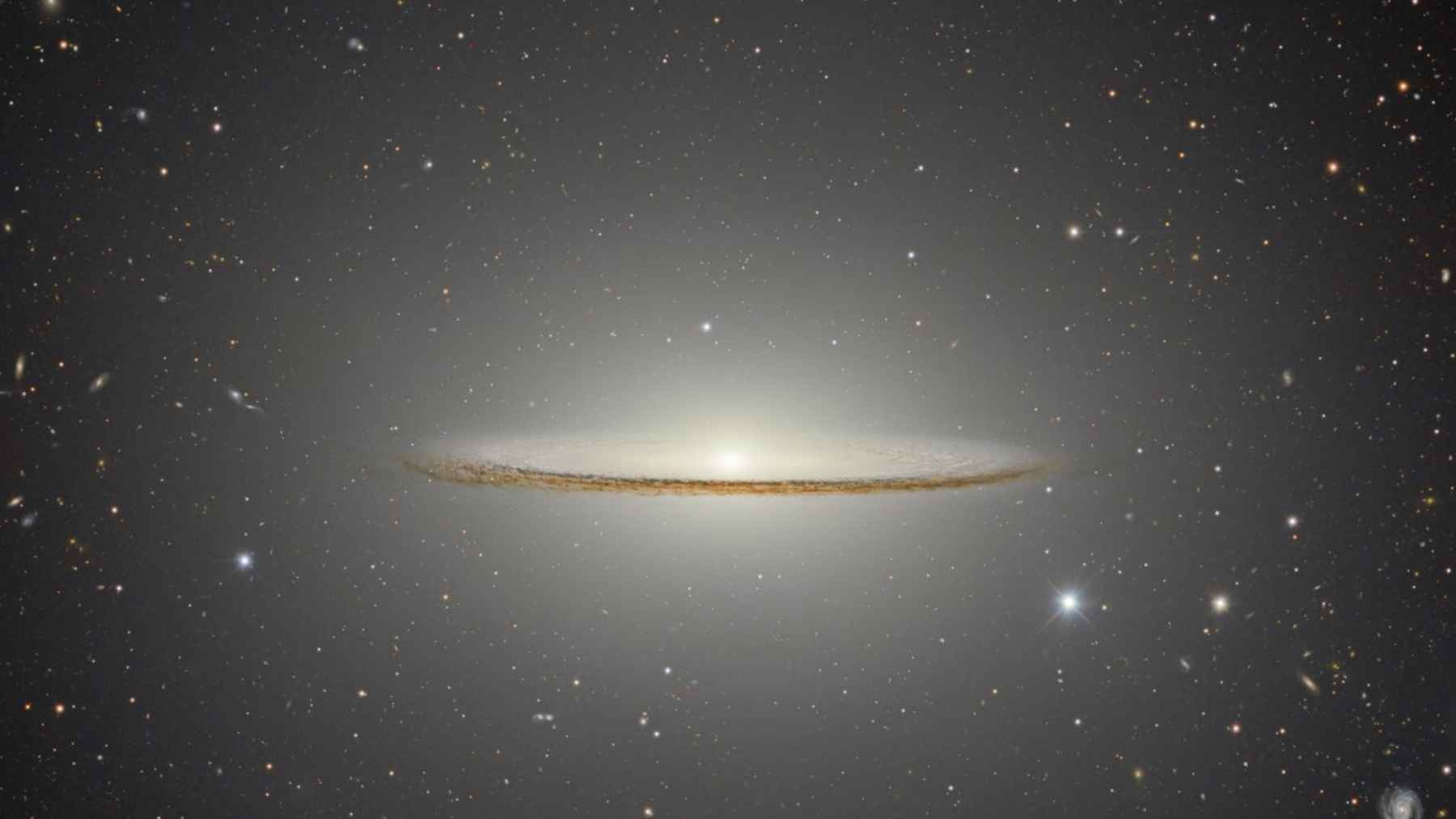
Close-up view of the Sombrero Galaxy showing its bright central bulge, thin dust lane, and faint surrounding halo.

Scientists detect an invisible halo around the Sombrero Galaxy for the first time, 30 million light-years away, and its extra size changes what we thought we knew about a cosmic postcard

—
June 10, 2026 at 10:15 AM
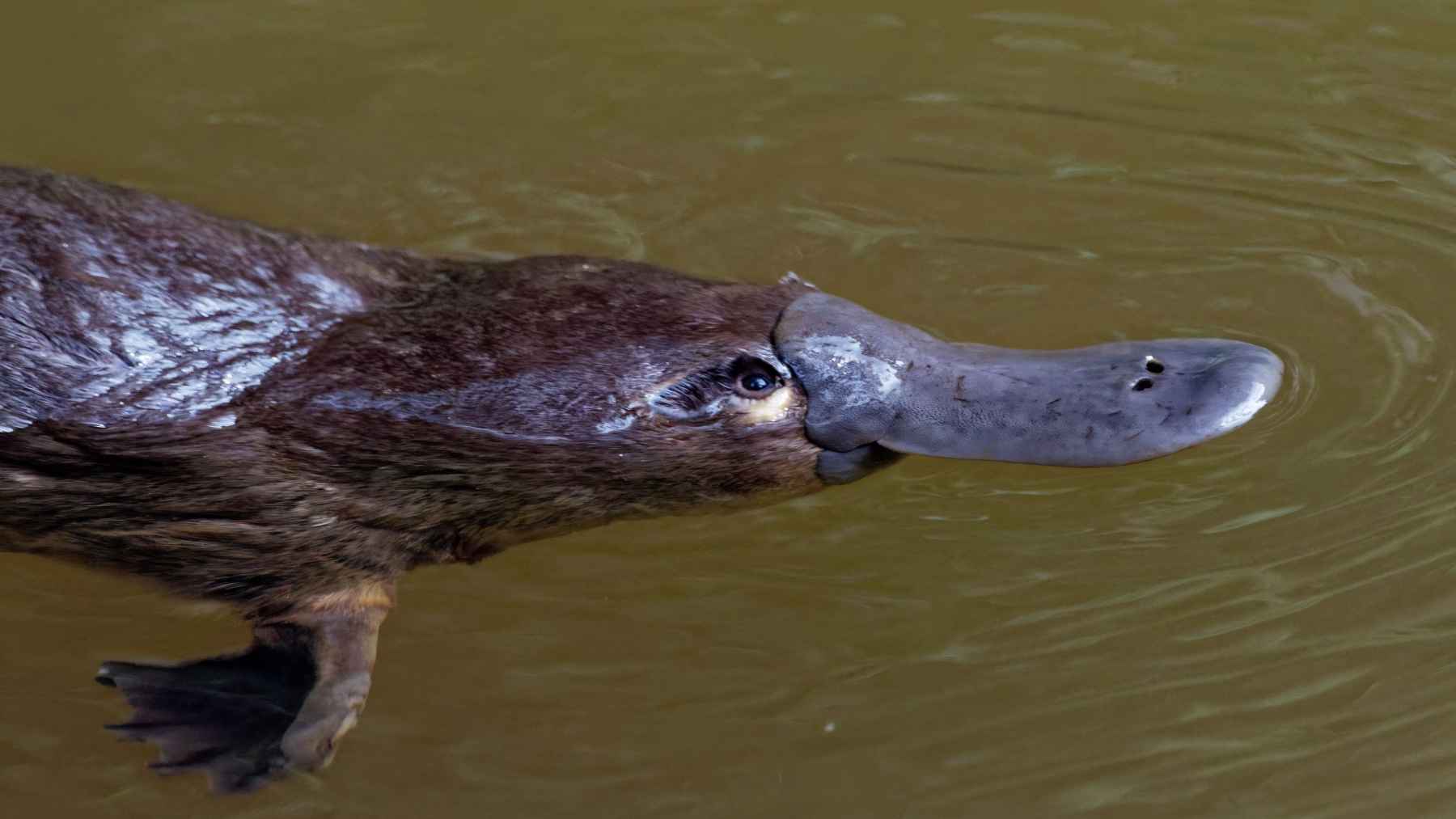
Close-up of platypus head and bill highlighting fur linked to unusual hollow melanosomes.

The platypus adds another oddity: its hair has hollow melanosomes, a trait typical of birds, and the finding proves again this animal does not follow the rules

—
June 9, 2026 at 5:00 PM
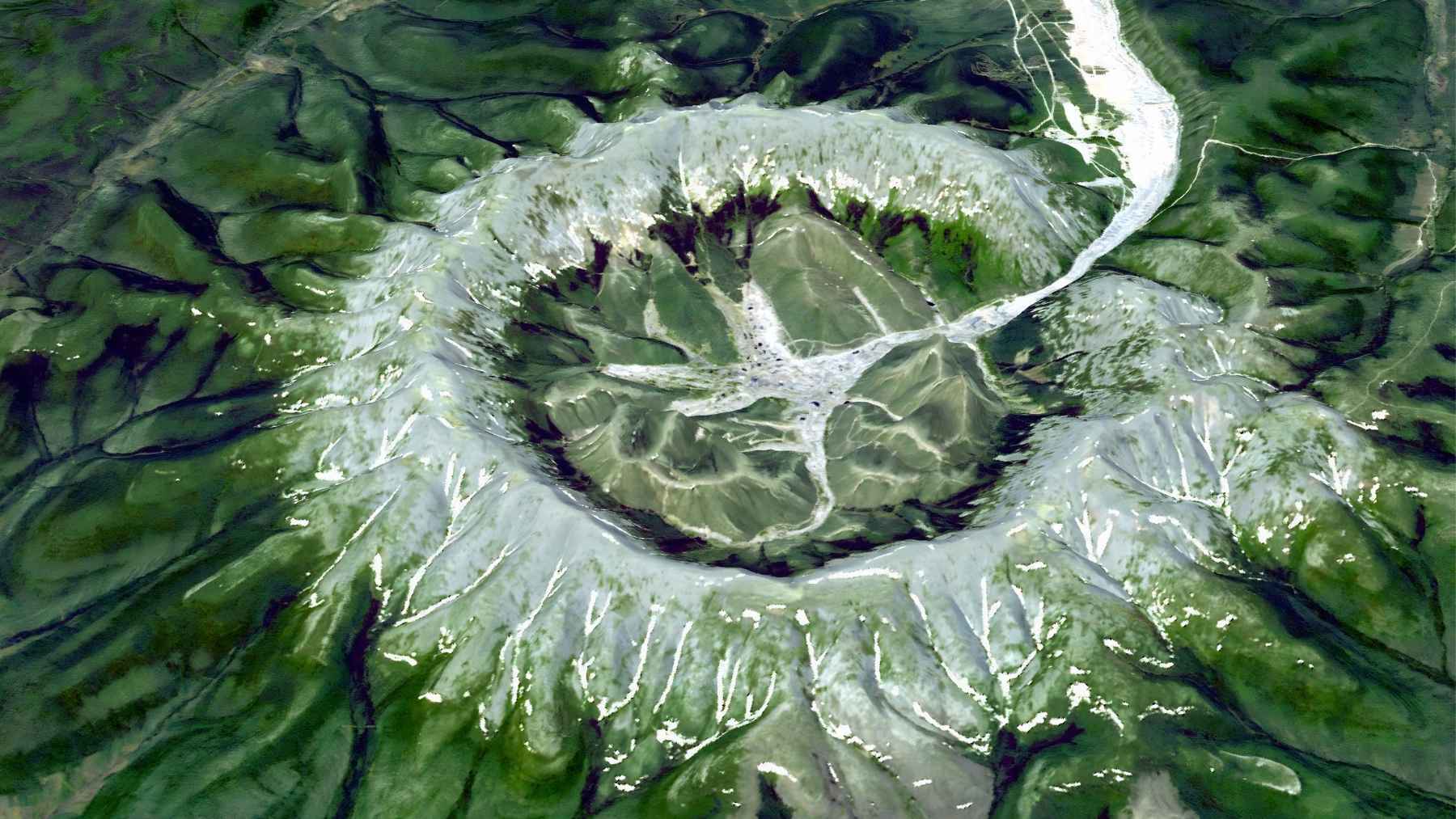
Satellite view of the Kondyor Massif circular ring structure in eastern Russia, showing its raised ridge and central basin.

A perfect 3.7-mile ring in far eastern Russia puzzles NASA satellites, it looks like a crater or volcano, but the agency says it is neither, and that is the mystery

—
June 9, 2026 at 3:00 PM
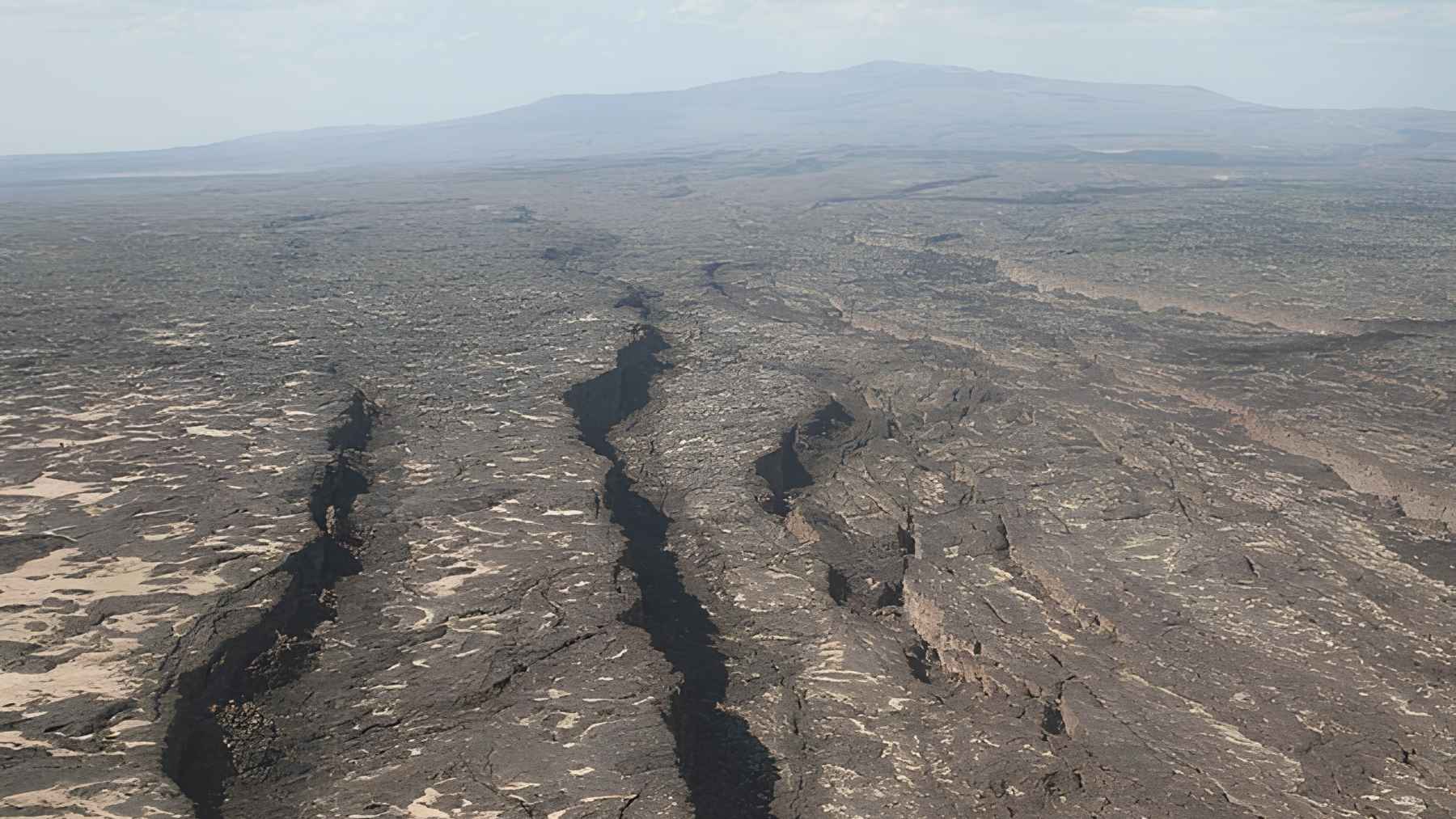
Large ground crack in a tectonic rift landscape, illustrating how Earth’s crust is pulling apart in East Africa.

Ethiopia is tearing toward a new ocean, and geologists explain how the rift is pulling the crust apart millimeter by millimeter until the map of East Africa changes

—
June 8, 2026 at 6:30 PM
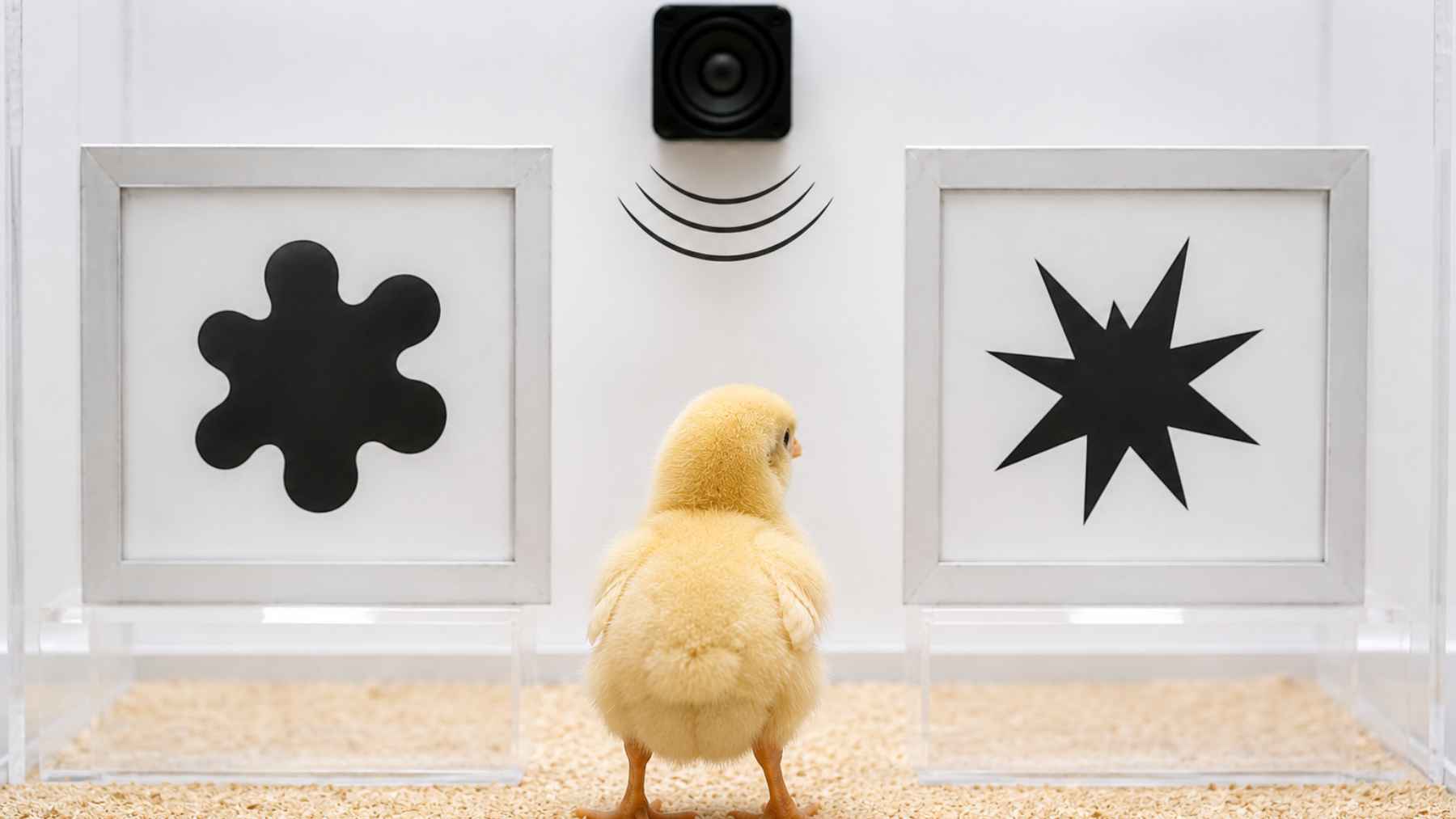
Chick in a lab experiment choosing between round and spiky shapes, illustrating sound-shape associations linked to early language perception.

A chick experiment strengthens the bouba-kiki effect, and the surprise is that a biological root of language may start long before words

—
June 8, 2026 at 5:00 PM
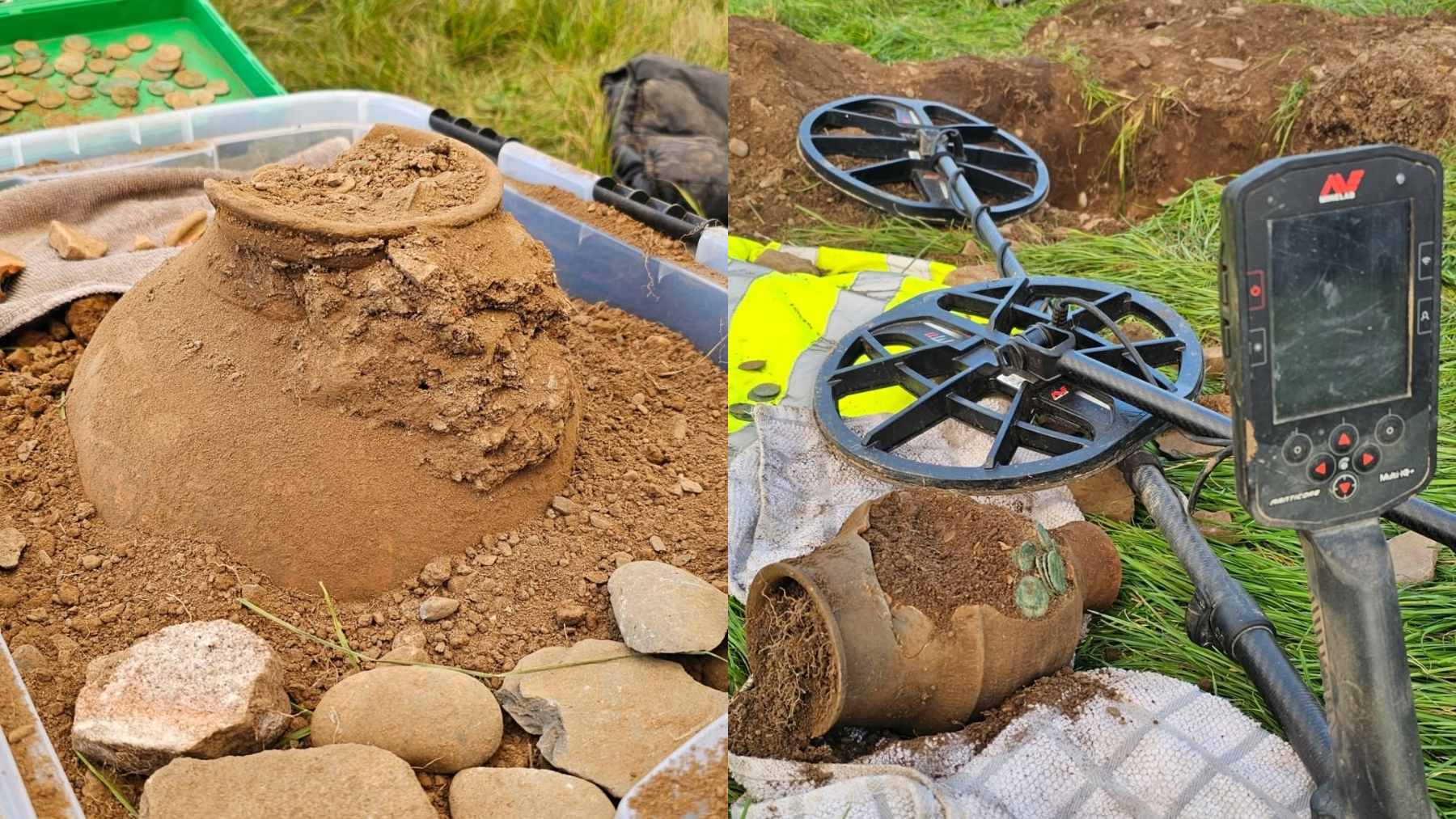
A collection of ancient Roman denarii and silver-washed radiate coins unearthed from clay vessels in North Wales.

A metal detector hobbyist finds 15,000 Roman coins in a field, and the hoard triggers the obvious question: who hid that much wealth and never came back?

—
June 8, 2026 at 6:30 AM
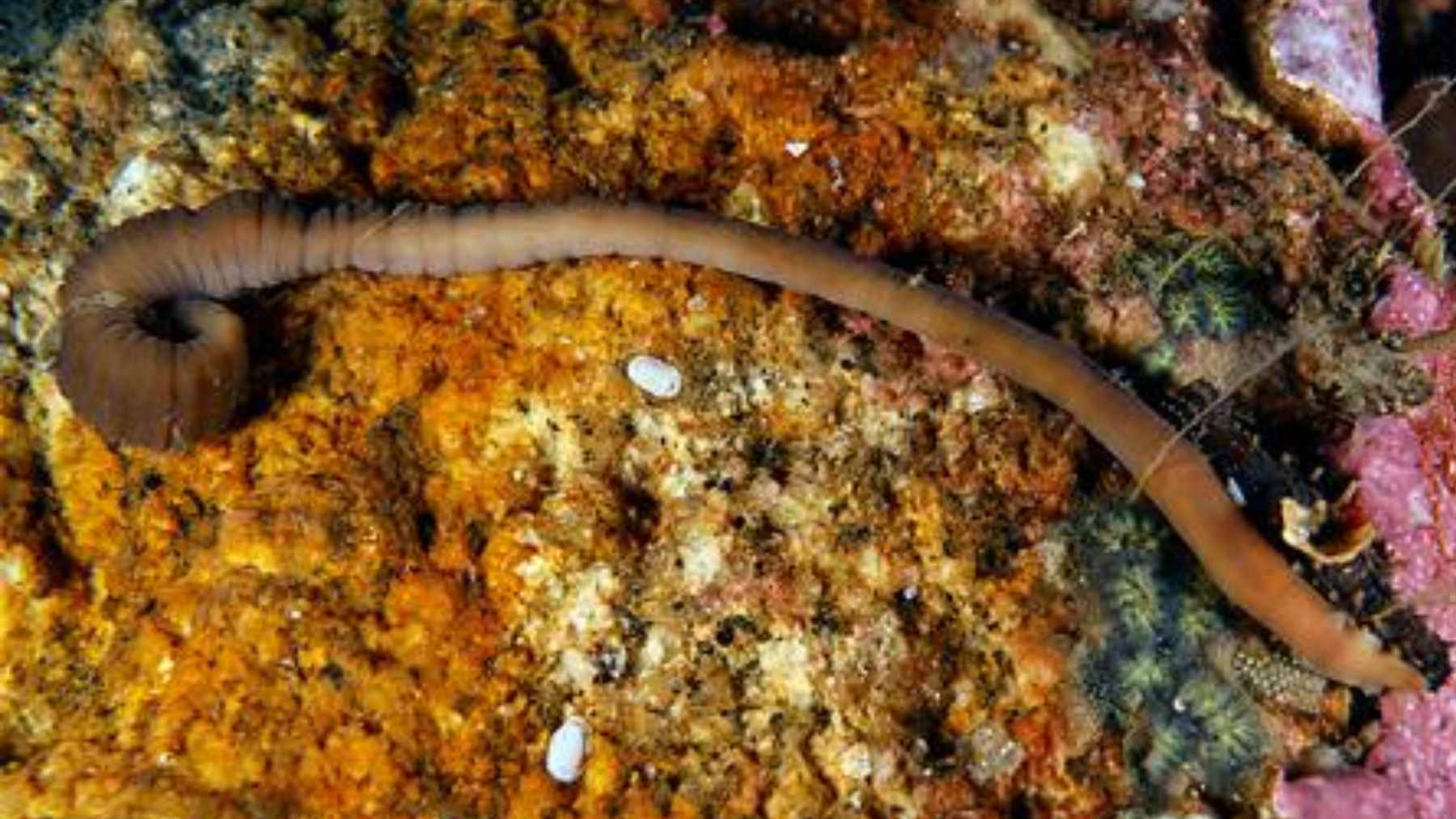
Close-up of the accordion worm (Pararosa vigarae) showing its characteristic ringed body structure while contracted.

First images show a ribbon worm that folds like an accordion, and Pararosa vigarae looks like sci-fi even though it lives in the real ocean

—
June 7, 2026 at 3:00 PM
Visualization of the universe and distant galaxies related to a theory proposing a 27 billion-year-old cosmos without dark matter.

An astrophysicist argues dark matter doesn’t exist and the universe is 27 billion years old, a controversial theory trying to fit data that won’t sit still in the standard model

—
June 7, 2026 at 10:15 AM
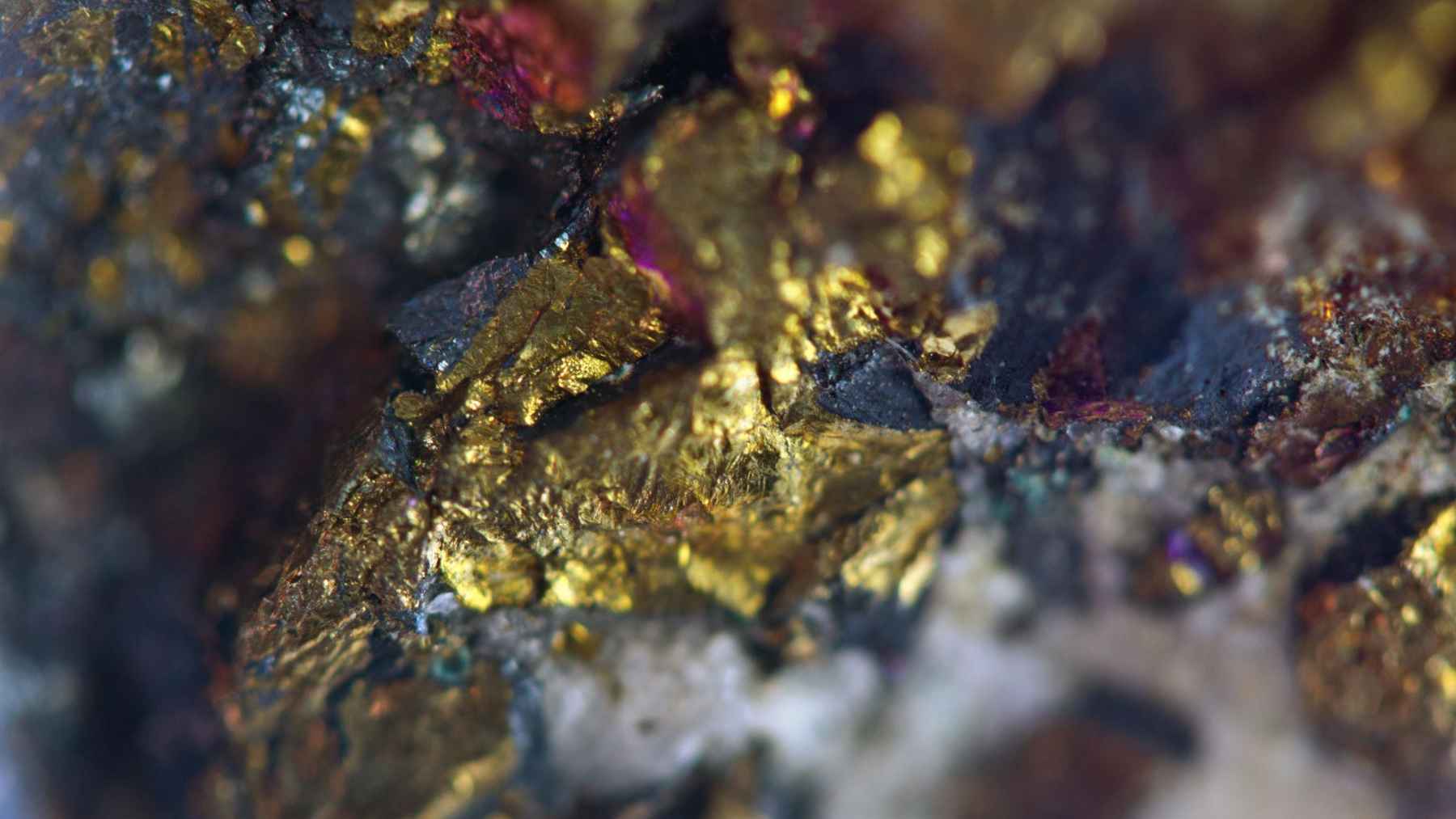
Close-up of gold crystals with metallic shine and textured surface, representing gold under experimental conditions.

Scientists accidentally discover gold can be chemically reactive by creating gold hydride, and the experiment cracks the myth that gold is always inert

—
June 6, 2026 at 6:30 PM
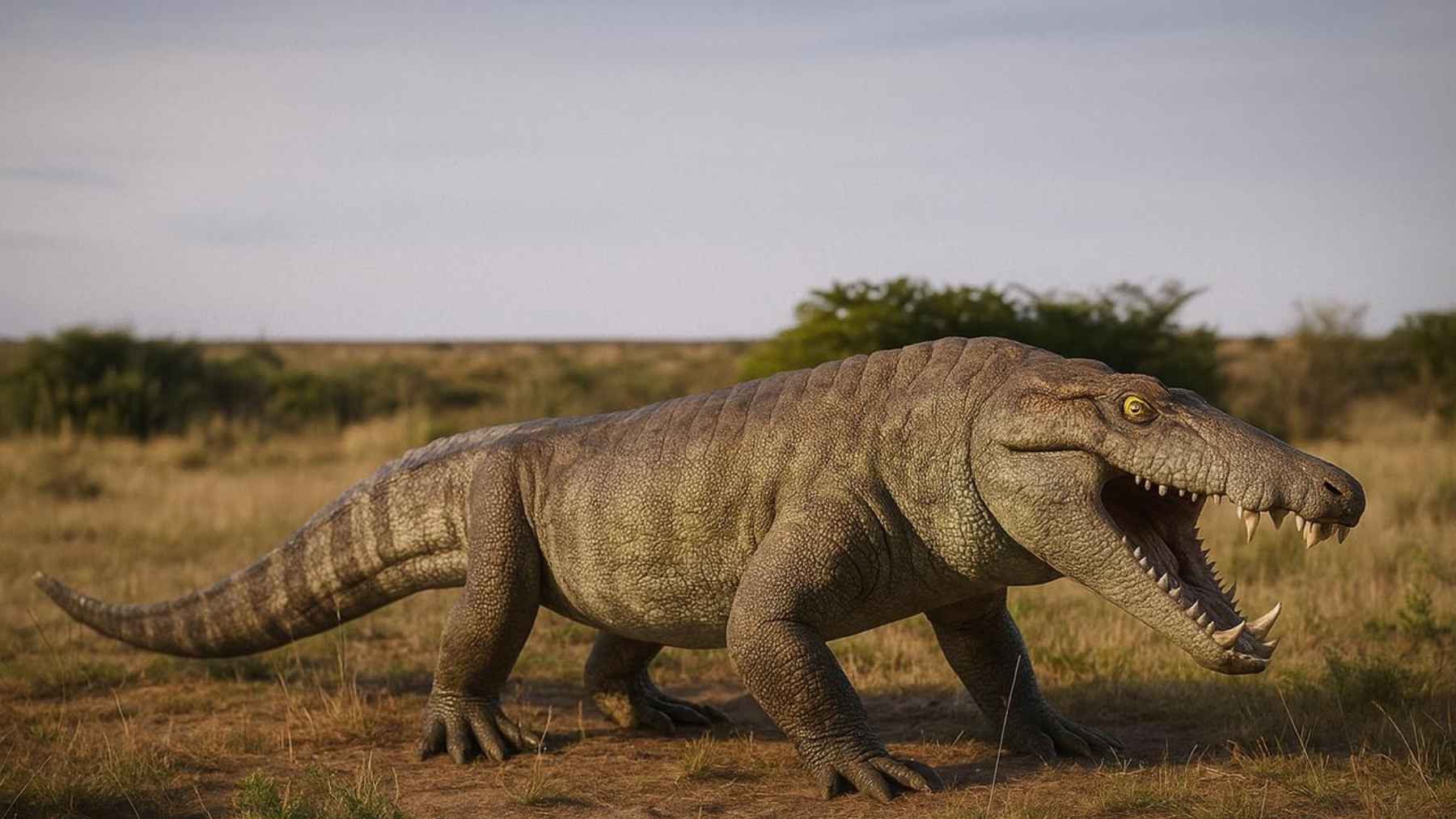
Illustration of a large prehistoric crocodile-like predator with open jaws in a dry landscape, representing a dinosaur-hunting species.

Scientists find the skeleton of a killer crocodile that hunted dinosaurs 70 million years ago, and its anatomy tells the story of predators that ruled without permission

—
June 6, 2026 at 5:00 PM
Previous Next

ECOnews alerts

Get the most relevant environment stories as soon as we publish them

ECOnews is the English-language edition of ECOticias.com, focused on environmental and sustainability news for a global audience: mobility, energy, economy, technology, science, environment and trending stories.

© 2026 ECOnews · ECOticias.com, the green newspaper since 2004 ↑ Top