A remote station of Yellowstone known as the Bechler Ranger Station has also undergone the installation of solar panels, and the system has generated almost all the electricity that the facility needs. This is a kind of breakthrough for similar installations and is likely to change the way parks operate their facilities. The system involves mobile photovoltaics, and the project was made possible through a partnership between the National Park Service and the Department of Energy.
Mobile solar system revolution is highly efficient
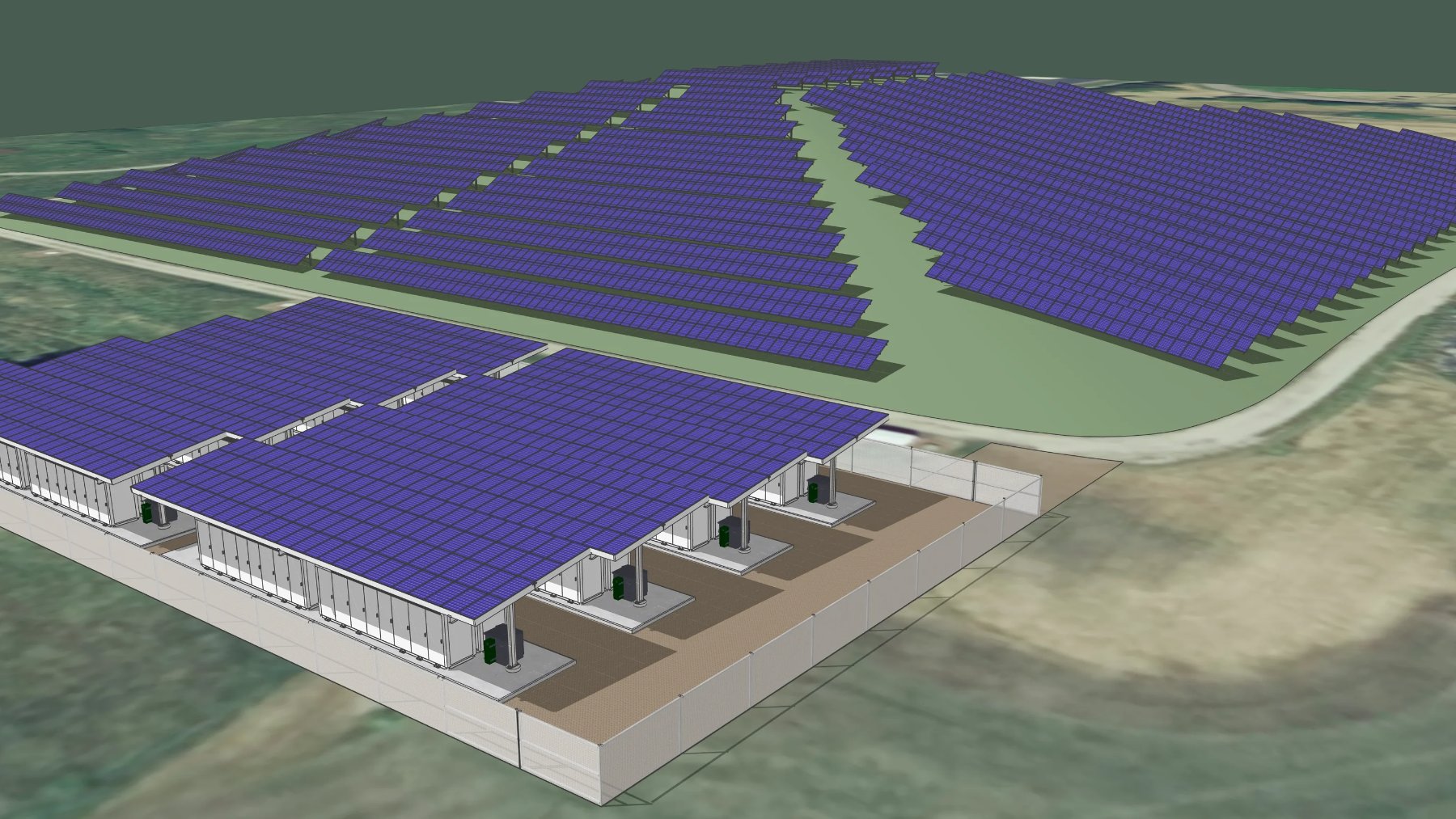
The small solar field at Bechler is a deviation from past energy systems as far as remote energy production is concerned, since the solar field is situated on a trailer and transported to this remote location annually during the summer season. Some of the facilities serviced by this system are a historic ranger station duplex, two RVs, a workshop, a visitor contact station, a dormitory building, and a historic horse barn built by the U.S. Army soldiers back in 1911.
The impressive outcome is obvious in its undeniable peak performance, whereby the solar panels provide more than 98 percent of the total electricity demand and reduce the generation of the generator to just one or two hours a day, according to weather patterns. It is an extreme contrast to the past, where a propane generator was relied on for all the power required in such a remote location.
The unforeseen operation change is the hybrid system
The mobile PV/generator hybrid system has a provision for storing the solar energy in the batteries, hence, allowing the backup generator to utilize the rated power when the need arises. This efficiency saves on running time and fuel consumption and promises a steady supply of power in the execution of important activities of the park throughout the summer season.
Conservation encounters innovative renewable energy
Another National Historic Landmark area that contributes to Fort Yellowstone NHL significance of the Mammoth Hot Springs is the Bechler Ranger Station. The question was how to energize this historic facility without compromising the architectural value of the facility, as well as eliminating the effect of fossil fuel on the environment.
This unique level of performance does not end at the energy production and entails reducing the maintenance requirements radically, also incorporating the reduced frequency with which the staff of the hotel visit the hotel. In this case, it’s three times a year, as opposed to the daily maintenance of generators in the previous years of operation at Mammoth Hot Springs. The system gets installed in June when the roads are opened, and the only adjustment is to the angle of the panels in late August. The installation gets removed in October.
Unconscious economic benefits are presented in the form of cost-saving
The economic impact of the hybrid system is simply out of this world because the already-existing generation will reduce to 26 percent of its life cycle costs due to the reduced use of generators that run on propane fuel. This benefit to the economy comes with numerous positive environmental impacts, such as less air pollution, less transportation of fuels to remote places, and a lack of day and night sounds.
The Bechler Ranger Station solar power plant is an outstanding work in the sphere of renewable energy in the wilderness, where the rare phenomenon of the solar efficiency of 98% has transformed the way the park works while taking the natural setting into consideration. The mobile photovoltaic system has already taught us that technological advancement can not only enhance the manner that which human beings attend to the environment but actually increase it, and this system is replicable in remote areas using the systems of sustainable energy.
Disclaimer: Our coverage of events affecting companies is purely informative and descriptive. Under no circumstances does it seek to promote an opinion or create a trend, nor can it be taken as investment advice or a recommendation of any kind.