Canada
A lake in Quebec disappeared completely in one night, new species of sea spiders have been discovered by divers in British Columbia, and engines have been claimed to be better than hydrogen. We verify the facts behind each story.
28 stories · since 2024 · latest, 11 h ago
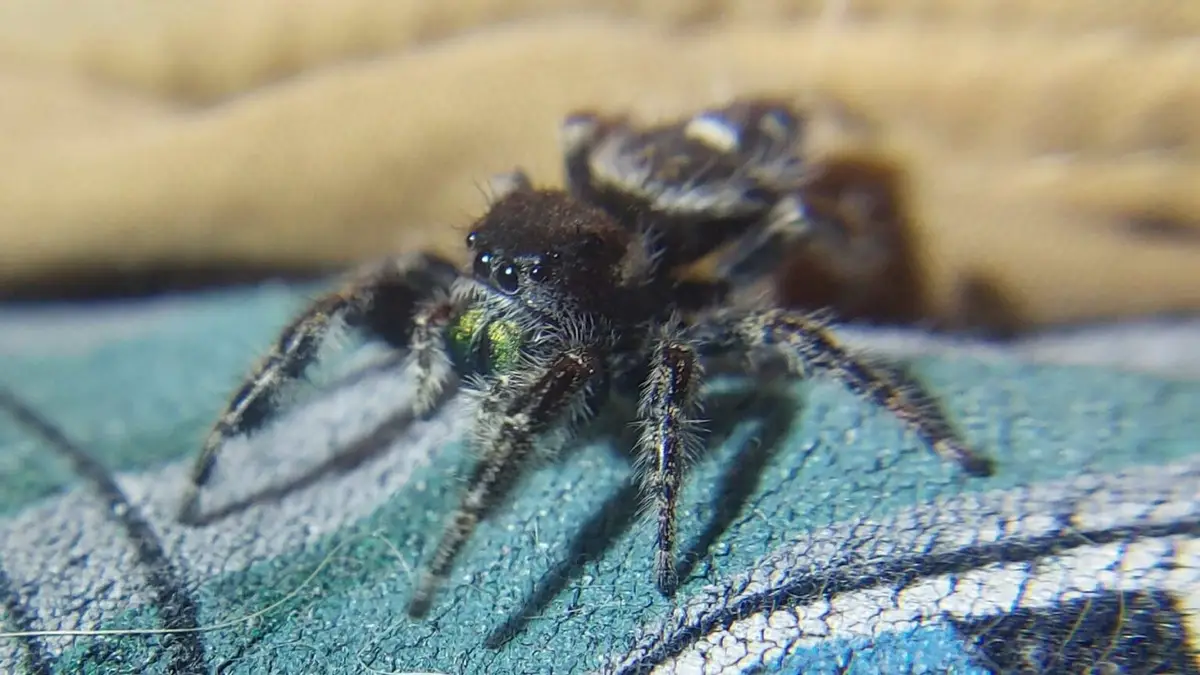
Nearly 2,100 species living in homes across the US and Canada turned up in the largest indoor survey yet, from Asian lady beetles to hundreds of spider species and an alligator in a garage
Close to 2,100 species living in homes, offices and other indoor spaces across the United States and Canada have been logged in the largest survey of its…
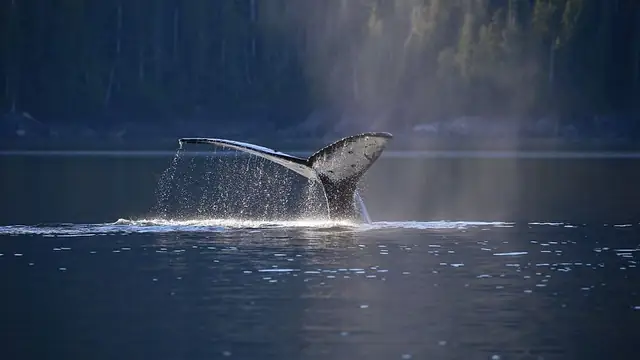
Scientists at the University of St Andrews flew a small drone through humpback whale breath off British Columbia and sequenced whole genomes from the whale snot without touching a single animal
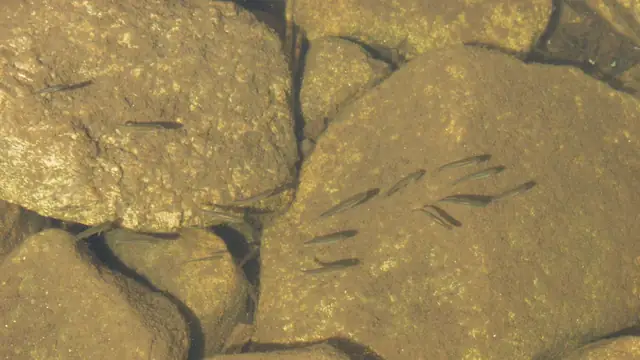
Scientists added a birth control hormone to an entire lake in Canada and the male fish guarding its nests did the opposite of what lab tests predicted, ending up with 67 percent fewer eggs
A 15-year-old in Canada built a body heat flashlight with no batteries, big companies tried to license it for 8 years, and the reason she passed is not what you would expect
In 2013, 15-year-old Canadian Ann Makosinski won her age category at the Google Science Fair with a body heat flashlight. The light had no batteries and…
ECOnews Newsroom · November 10, 2026

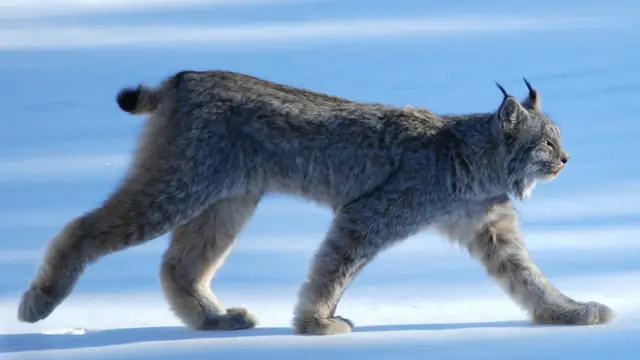
A camera set up to study forests in New Mexico’s Carson National Forest photographed a Canada lynx in June, the first confirmed in the state in about 25 years according to New Mexico State University, and it lives in the kind of forest crews thin to fight wildfires
A doctoral student sorting through camera-trap photos from a forest study in northern New Mexico found something he could hardly believe at first: a…
Javier Niño · October 29, 2026
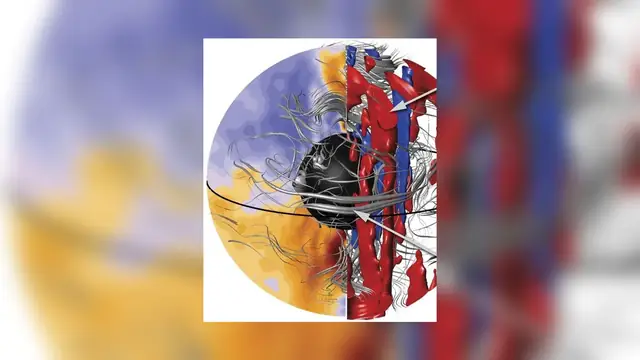
Two University of Alberta physicists traced millisecond swings in Earth’s length of day to the inner core’s gravitational tug on the mantle, and their model suggests the solid core deforms in about 10 years
A day on Earth isn’t exactly 24 hours. Physicists at the University of Alberta now say the solid inner core’s gravity explains a big part of why Earth’s…
Adrian Villellas · October 25, 2026
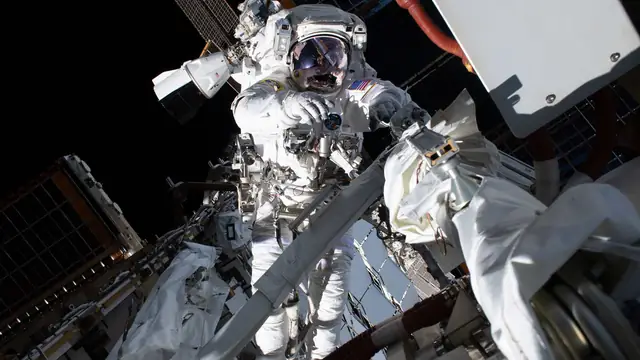
Outside the International Space Station, NASA’s Anil Menon and Canada’s Joshua Kutryk will install the last two roll-out solar arrays on Oct. 29 and Nov. 5, lifting station power to about 215 kilowatts
On Oct. 29 and Nov. 5, astronauts Anil Menon and Joshua Kutryk will step outside the International Space Station to install the last two roll-out solar…
ECOnews Newsroom · October 21, 2026
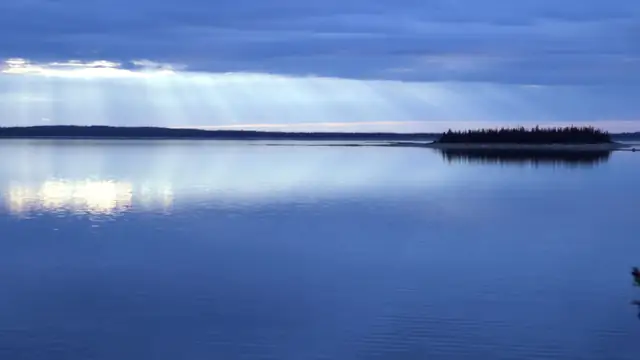
In northern Quebec’s La Grande hydroelectric complex, flooding pushed mercury in fish to 2 to 8 times natural lake levels, and the Cree health board now says most local fish can be eaten safely
In northern Quebec, flooding for Hydro-Québec’s La Grande hydroelectric complex pushed mercury in fish to 2 to 8 times natural lake levels, according to a…
ECOnews Newsroom · October 21, 2026
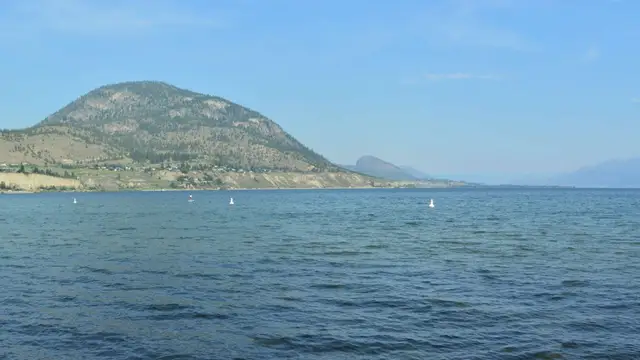
Someone paid C$200 at a yard sale in southern Ontario for E.J. Hughes’ Okanagan Lake, and the painting sold for C$402,500 at auction in 2007, months after the reclusive British Columbia painter died
“One of the main reasons I paint is because I think nature’s so wonderful that I want to try to get my feeling down about that on canvas, if possible,”…
Adrian Villellas · October 5, 2026
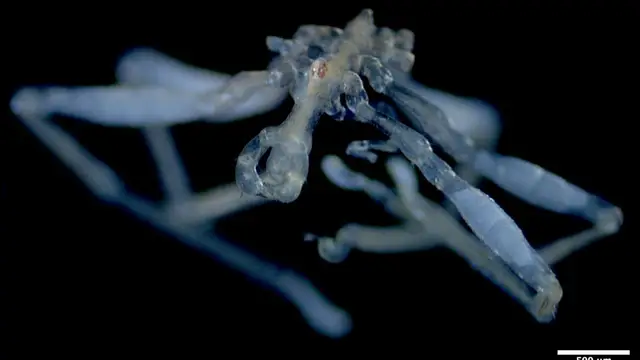
Divers off British Columbia found two sea spider species new to science, the first described in the Salish Sea in almost a century, and one has red eyes and legs so spiny its name means hairy feet
Two newly described sea spider species are bringing an overlooked corner of coastal wildlife into focus. Researchers at the University of British Columbia…
ECOnews Newsroom · September 30, 2026
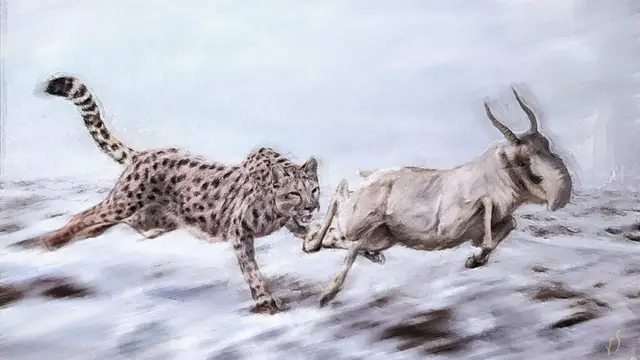
The Ice Age American cheetah was a close cousin of the puma, and fossils from Canada’s Yukon suggest northern populations ate salmon before the species faded through a slow decline, not a sudden collapse
A cat nicknamed the “American cheetah” may have spent part of its Ice Age history eating fish in the Arctic. New research on Miracinonyx trumani suggests…
Adrian Villellas · September 29, 2026
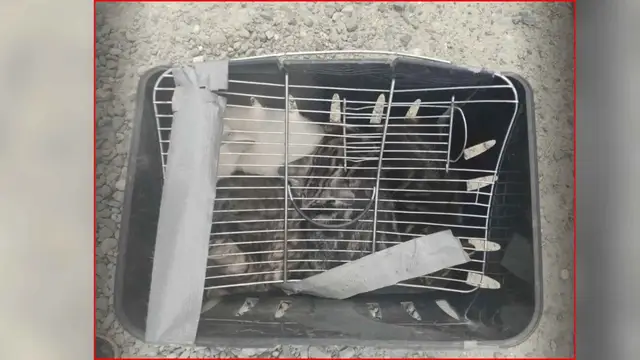
Four kittens survived inside a taped grocery basket outside a British Columbia shelter, but their rescue shows why drop-offs can turn dangerous
A volunteer from an animal shelter in Canada found a supermarket basket on a dirt road with four kittens alone inside that had almost no space to move.…
ECOnews Newsroom · September 7, 2026
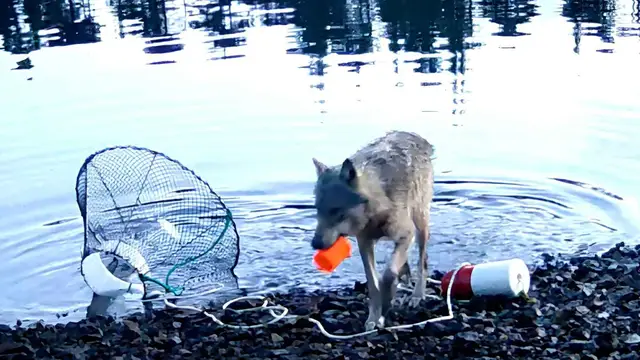
A trail camera in British Columbia recorded a wild wolf swimming out to a buoy, dragging a completely submerged crab trap onto the beach by its rope and then spending three minutes figuring out how to open the bait cup
Can you imagine a female sea wolf swimming to a buoy on British Columbia’s central coast? An unexpected action like this one was captured on camera, but…
ECOnews Newsroom · August 25, 2026
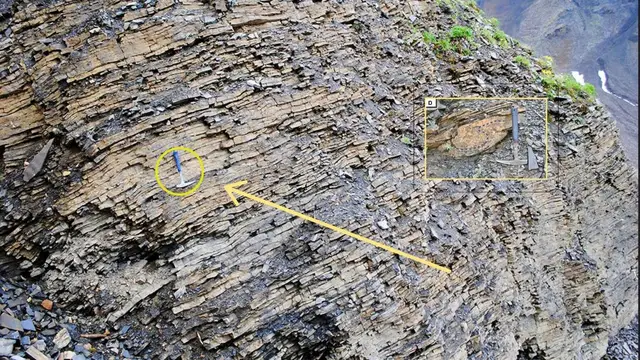
Scientists have discovered fossils of creatures that lived 567 million years ago in remote mountains in Canada, and some of them were already capable of moving across the seafloor even though they didn’t even have mouths
Long before shells, bones, or familiar body plans became common, soft creatures were already crossing an ancient seafloor in what is now northwestern…
Adrian Villellas · August 9, 2026
Canada buried a 1,050-ton slab east of Toronto to seat the first grid-scale nuclear reactor a G7 nation has ever built, and how it cools itself breaks every rule
A 2.1-million-lb. foundation has been lowered into a 115-ft.-deep shaft at Darlington, east of Toronto, turning one of the nuclear industry’s biggest…
ECOnews Newsroom · July 13, 2026