Concrete and cement
31 stories · since 2024 · latest, November 16, 2026
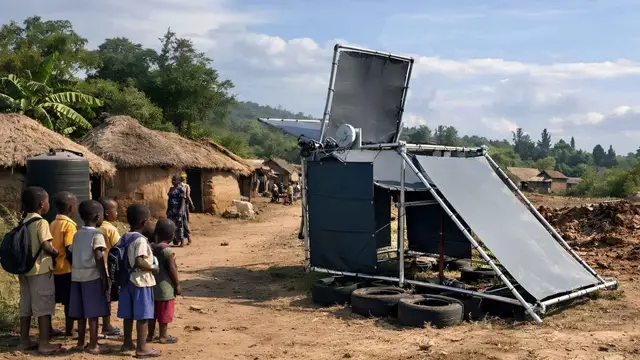
The French wind turbine, which aims to do away with giant towers, promises to bring electricity to farms, islands, and remote areas thanks to a modular 1-kilowatt design that requires no cranes or concrete
Wind power usually brings to mind towering machines, massive blades, and construction crews pouring concrete deep into the ground. Wind To Watt is trying…
ECOnews Newsroom · July 11, 2026
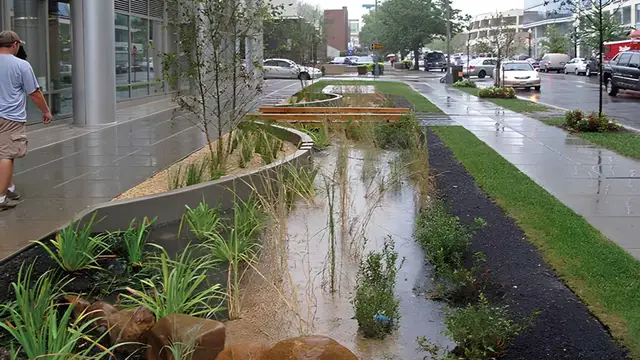
Sponge-city tech is teaching concrete to drink stormwater like a thirsty park — and it can’t happen fast enough
Cities around the world are trying to become more like sponges. The idea sounds simple enough, with more parks, rain gardens, green roofs, wetlands,…
ECOnews Newsroom · June 30, 2026
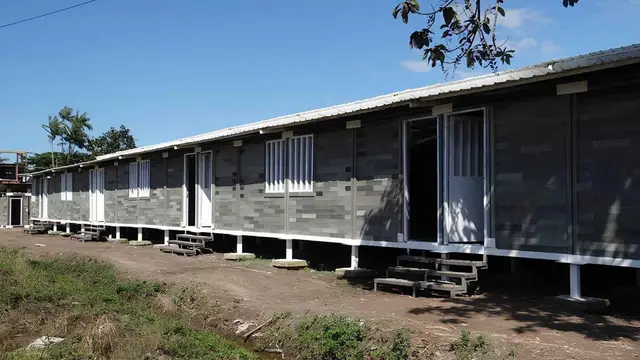
A 2026 building method promises a full house in five days, skipping bricks and conventional dry construction with a system designed for speed
house built in five days sounds like one of those construction promises that belongs in a sales brochure. Yet the recycled plastic brick system developed…
ECOnews Newsroom · June 18, 2026
Saudi Arabia imports sand even though it’s a desert country, but desert sand is too smooth and rounded to make strong concrete
Saudi Arabia has some of the largest deserts on Earth, but in 2023 it still bought natural construction sand from Australia. World Bank WITS data show the…
ECOnews Newsroom · June 13, 2026

Cement’s carbon problem may have a blunt fix, swap limestone for basalt, because modeling suggests energy demand could drop by more than 40% and emissions by over 80%, cutting CO2 from about 1,343 lb per ton of cement to roughly 110 lb with certain rock types
Cement is under our feet, inside our walls, and poured into the roads we drive on every day. Yet it rarely gets the same climate attention as cars, power…
ECOnews Newsroom · June 12, 2026
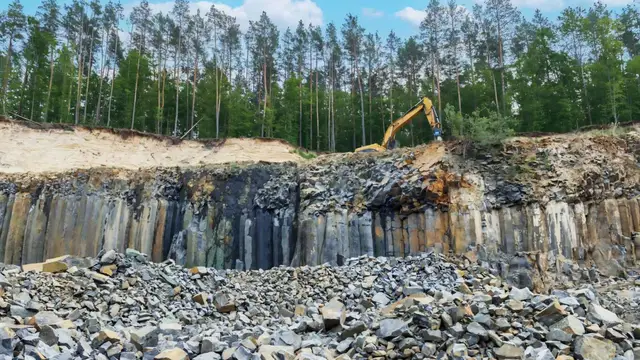
Two young inventors design a brick that can cool cities using electricity, and the idea points to buildings that stop being part of the heat problem
On the hottest afternoons, a bus stop can feel like a stove. Asphalt throws heat upward, traffic adds noise and exhaust, and the shade, if there is any,…
ECOnews Newsroom · June 5, 2026
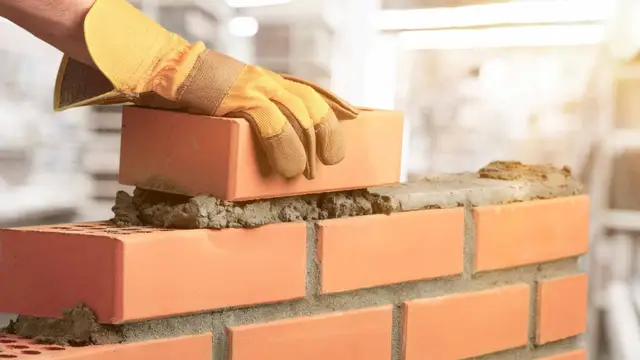
In São Paulo, a building that looks like an upside-down ship became an icon: the Hotel Unique, about 276 feet tall with round windows and exposed concrete, turned a weird shape into a city symbol
In São Paulo’s Jardins district, one hotel has become almost impossible to confuse with any other building. Hotel Unique looks like an upside-down ship,…
ECOnews Newsroom · June 2, 2026
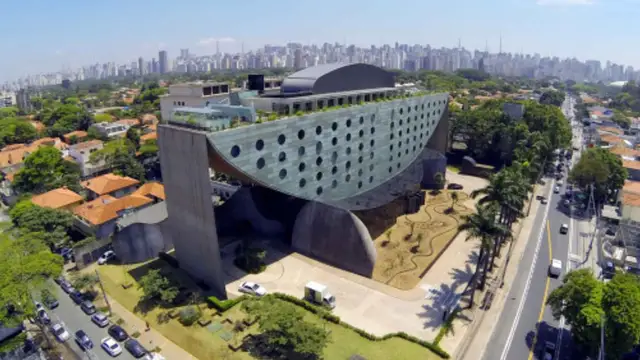
Italian architects 3D-print a house from local clay— without using traditional bricks — by sourcing soil from the site itself. The question is no longer if it works but how much it can cut costs?
A small house in northern Italy is raising a big question for construction. What if part of a home could be printed from the soil beneath it, instead of…
Adrian Villellas · June 1, 2026
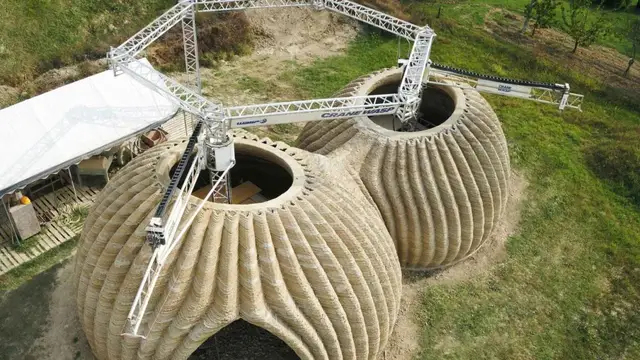
Graphene-infused concrete promises lighter builds with less cement, and the payoff could be longer-lasting structures with a smaller footprint
Graphene concrete is moving from lab benches to real job sites with a tempting promise: lighter slabs, less cement and structures that may last longer.…
Adrian Villellas · May 26, 2026
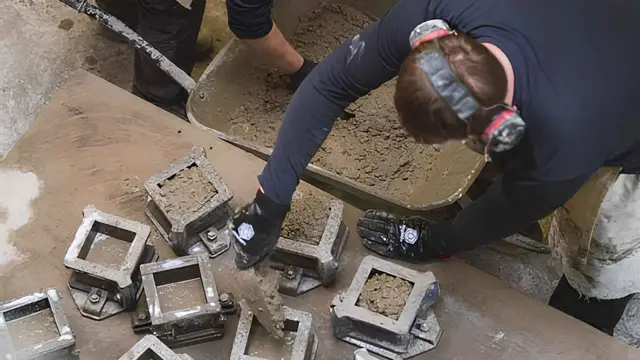
The United Kingdom fires up the first commercial hydrogen-powered brick factory: the date is set, and the industrial shift feels like the start of a “new era”
The humble brick may be about to get a cleaner future. In Denton, Greater Manchester, Wienerberger UK & Ireland has secured government-backed funding to…
ECOnews Newsroom · May 20, 2026
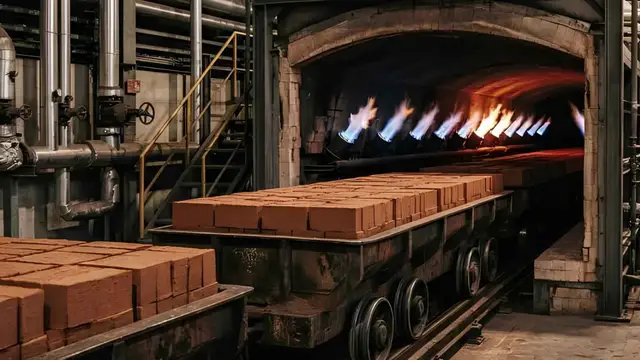
Ironplac, the magnetic cement by Argentine inventor Marco Agustín Secchi that lets walls hold objects without nails
What if hanging a picture no longer meant a drill, wall anchors, dust on the floor, and one more patch job later on? Argentine inventor Marco Agustín…
ECOnews Newsroom · April 16, 2026
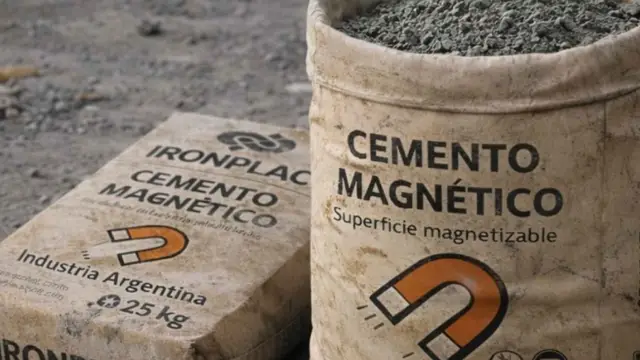
University of Miami researchers replace part of cement with seaweed biochar to store carbon in concrete
A University of Miami research team is trying to turn a coastal headache into a climate tool. Their idea is simple to describe but hard to pull off in…
Adrian Villellas · April 13, 2026
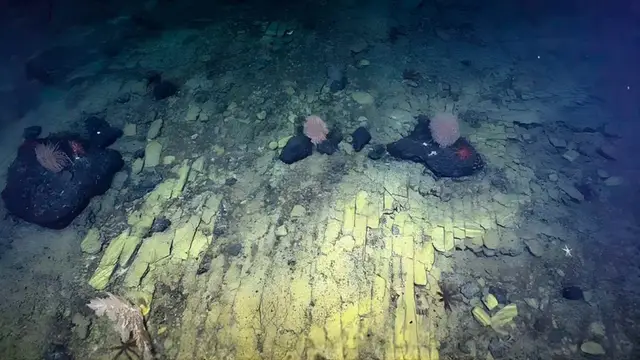
A camera more than a kilometer below the Pacific Ocean found a “yellow brick road” and leaves an uncomfortable question about our seas
In 2022, a remotely-operated vehicle gliding over an underwater mountain north of Hawaiʻi sent back a scene that looked straight out of a fantasy movie.…
ECOnews Newsroom · January 23, 2026
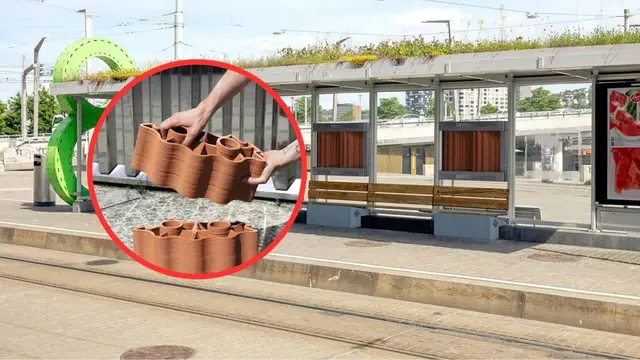
The brick that promises to cool down a bus stop in the middle of a heatwave without plugs and with a trick so simple it’s surprising
Extreme heat is turning many cities into ovens, especially during long summer heat waves when concrete, asphalt, and glass trap the sun’s energy.…
ECOnews Newsroom · January 19, 2026
Montana State University grows “living bricks” from fungus and bacteria that could replace some concrete
Imagine a house whose walls could quietly mend tiny cracks before you ever notice them. That idea just moved a little closer to reality thanks to new…
ECOnews Newsroom · December 20, 2025