Concrete and cement
Concrete causes a lot of pollution when produced. For this reason, there are many innovations. Interlocking bricks can be clicked together, bricks have been designed to lower temperatures in cities, and power plants have begun using heavy liquid substances, rather than water.
31 stories · since 2024 · latest, November 16, 2026
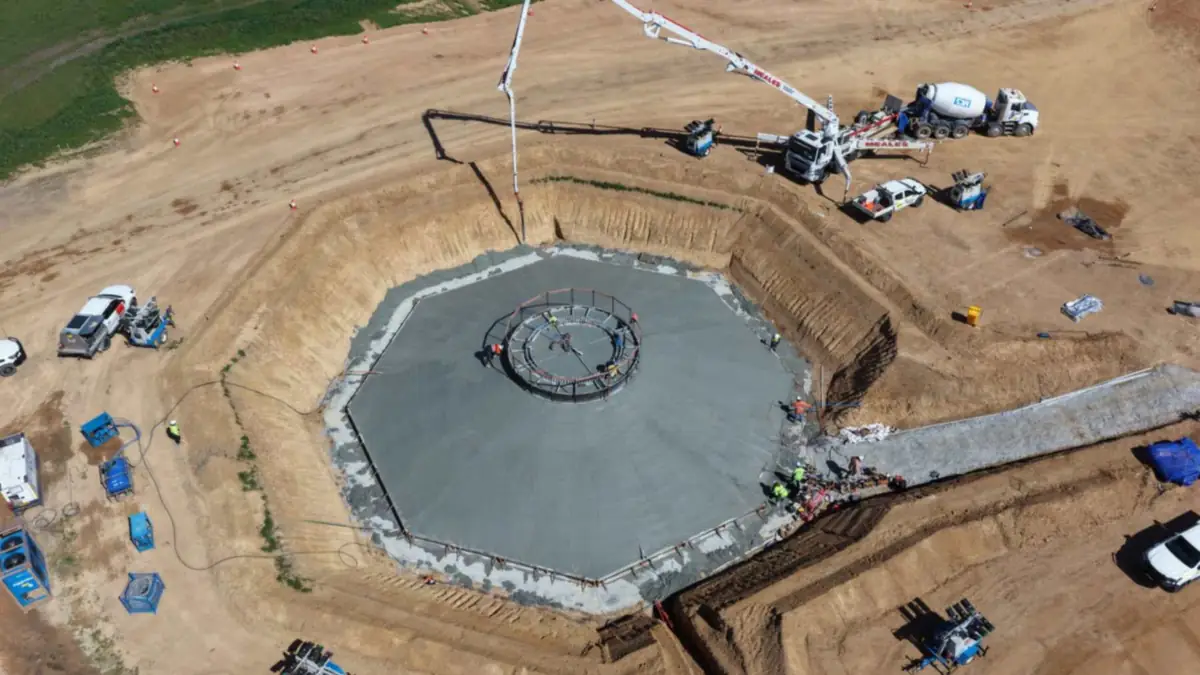
A Western Australia wind farm has poured 15,300 tons of concrete before raising a single tower, and its builders made the turbines taller to give a black cockatoo more room
A Western Australia wind farm north of Perth has finished pouring the concrete bases for all 18 turbines. No tower has gone up yet. Developer Tilt…
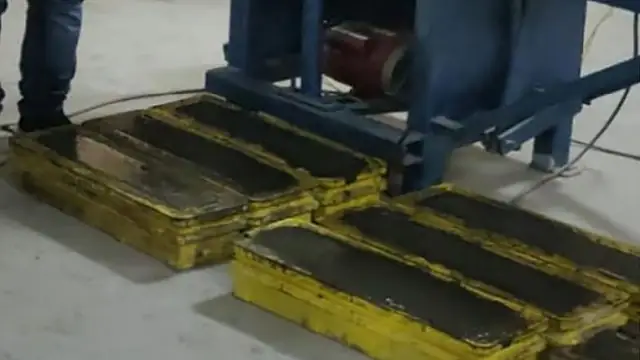
Engineers in India replaced some cement in concrete with biochar from human waste, reported a 42 percent gain in bending strength, and the study’s own charts suggest the gain over plain concrete is much smaller
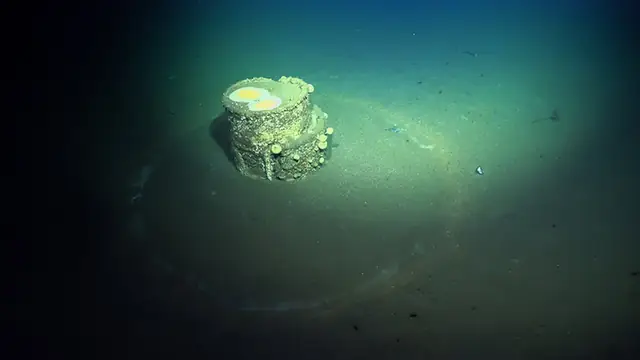
Scientists sampling white halos around waste barrels off Los Angeles found seafloor mud with a pH near 12, and the crust that stopped their coring tools had set like concrete
Denmark is lowering 81,000-ton concrete blocks onto the seabed for the Fehmarnbelt tunnel to Germany, and the next piece is a special element the size of a four-story building, with a basement
The Fehmarnbelt tunnel between Denmark and Germany now has nearly 2,950 feet (900 meters) of structure on the seabed. Owner Sund & Bælt said on Sept. 28,…
ECOnews Newsroom · November 13, 2026
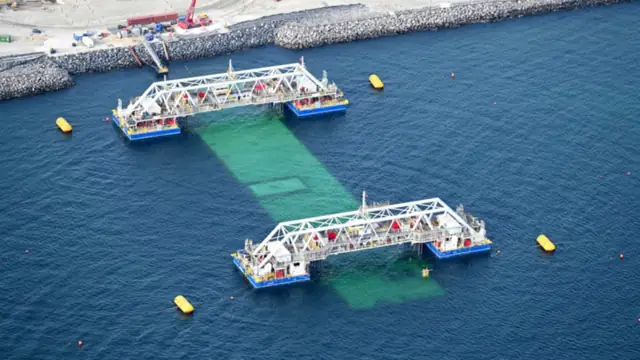
Romania has living stones said to keep growing, and scientists who cultured microbes from stones like them found 19 bacterial isolates able to make the mineral cement that holds sand together
In Costești, a village in Romania’s Vâlcea County, a protected site at the foot of a sand quarry holds rounded sandstone boulders known as living stones.…
Adrian Villellas · November 7, 2026
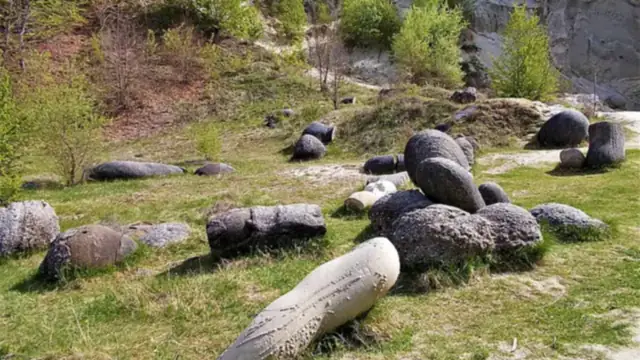
A 60-hour pour of about 311,000 cubic feet of concrete started the second reactor at China’s Zhaoyuan nuclear plant, and each of six planned units will get a 666-foot cooling tower
China General Nuclear (CGN) began pouring concrete for Unit 2 at its Zhaoyuan nuclear plant on September 5, 2026. The pour in Shandong province started at…
Adrian Villellas · October 25, 2026
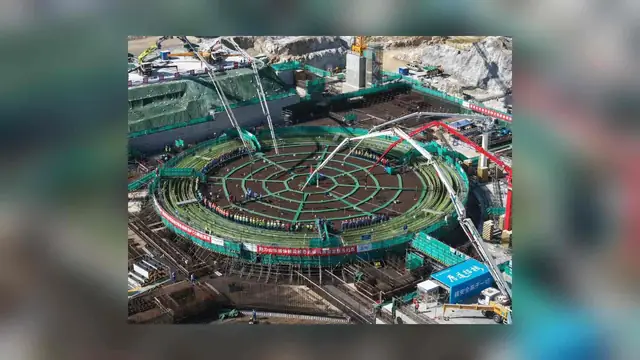
Two owner-builders priced out of Melbourne built a 2,286-square-foot Earthship in Cygnet, Tasmania, with rammed earth walls, bottle bricks and no fireplace, and they say their heating bills are $0
Kate and Matt, two owner-builders priced out of Melbourne, have built a 2,286-square-foot (212.4-square-meter) Earthship in Cygnet, in southern Tasmania,…
Adrian Villellas · October 23, 2026
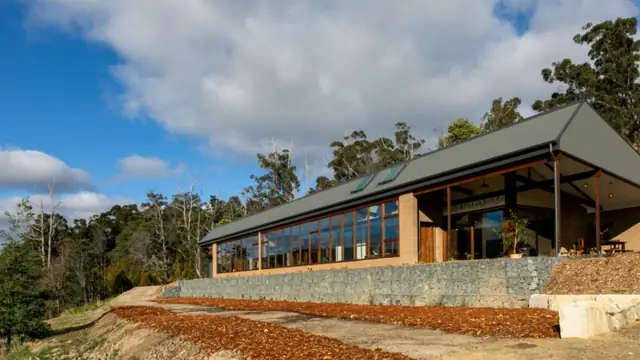
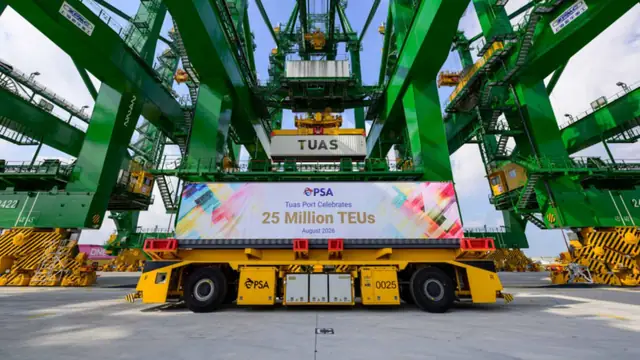
Singapore built 227 concrete caissons, each about 10 stories tall, for a 9.1-kilometer seawall at Tuas Port, and its operator’s own report shows emissions rose 7% in 2025 as more cargo moved to the electric terminal
Niam Chiang Meng, then chairman of Singapore’s Maritime and Port Authority (MPA), described the first stage of Tuas Port in one line. “In just three…
ECOnews Newsroom · October 4, 2026
Hollywood’s iconic Cinerama Dome closed during the pandemic in 2020, but Sony is now restoring the 1963 landmark built from 316 interlocking concrete panels and plans to reopen it in early 2028 with its famous curved screen and midcentury character intact
Hollywood’s golf ball-shaped movie landmark is getting a second act. Sony Pictures Entertainment and its Alamo Drafthouse theater chain plan to reopen the…
ECOnews Newsroom · September 22, 2026

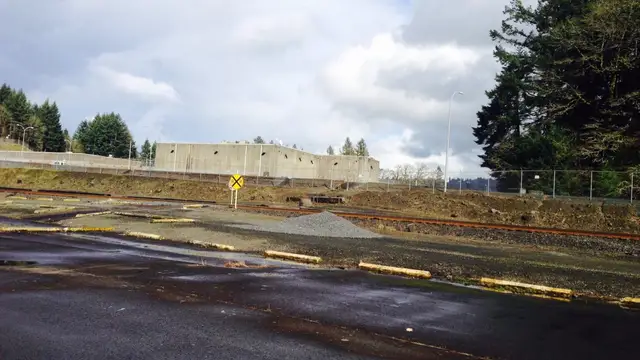
In 1999, workers filled a 42-foot nuclear reactor vessel with 200 tons of concrete and moved the 1,020-ton package 300 miles by barge and a 320-wheel trailer, but 791 spent fuel assemblies from the same Oregon plant are still waiting in storage today
In August 1999, workers sent a 1,020-ton reactor vessel package from Oregon’s retired Trojan nuclear plant to a burial site in eastern Washington. Rather…
ECOnews Newsroom · September 20, 2026
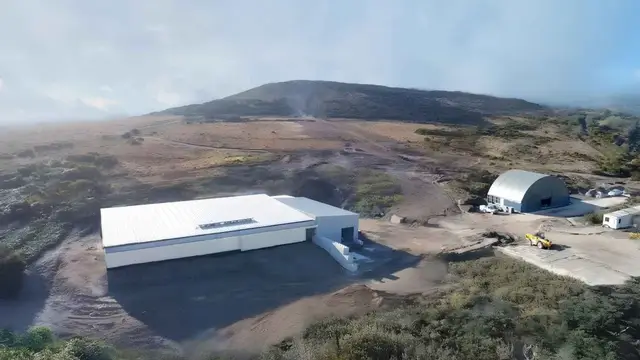
A small Devon power plant uses liquid dense enough to float concrete, and it could change where clean energy gets stored
On a hillside located in Devon, England, there is a small power plant running at full capacity by using a liquid so dense it can make a concrete block…
ECOnews Newsroom · September 8, 2026
Great Britain plans to build a 22.5-kilometer-long tidal barrier, consisting of 206 giant concrete caissons and 125 turbines, which would generate enough electricity for about 2 million households
Let me ask you a question, what does the London Eye have in common with a 14-mile tidal power wall in the Bristol Channel? Both projects have the same…
ECOnews Newsroom · September 4, 2026

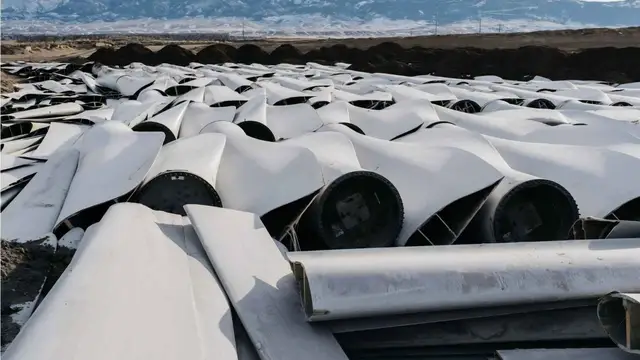
Wyoming’s landfill holds 1,124 wind turbine blades, but a Missouri cement plant has already found a second life for 7,000 more
On the high plains outside Casper, Wyoming, crews used heavy equipment to saw giant 120-foot wind turbine blades into three truck-sized sections before…
ECOnews Newsroom · August 16, 2026
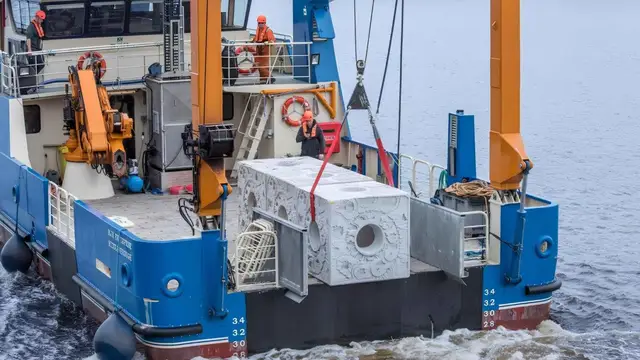
Britain is dropping 20 concrete reef cubes and 44 tons of scallop shells into the sea, and the goal is to bring back oysters down more than 95% since the 1800s
At first glance, lowering huge white blocks into the North Sea might look like construction waste being dumped offshore. In reality, the 20 structures are…
ECOnews Newsroom · August 2, 2026
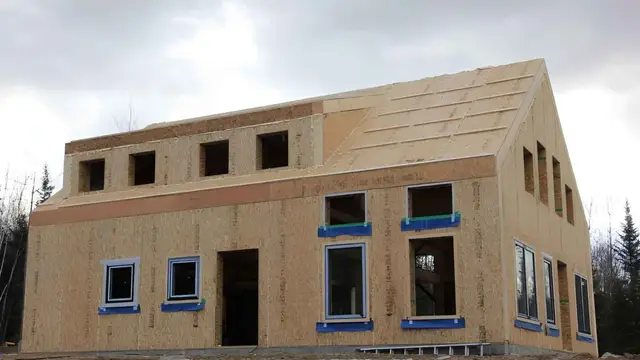
Homes that can be built in just one week, without cement and with the promise of saving energy: the system trying to prove that building fast does not have to mean building worse
A home that takes shape in a matter of days sounds almost too good to be true, especially in a world where construction delays can stretch for months. Yet…
ECOnews Newsroom · July 19, 2026