Geology
69 stories · since 2024 · latest, November 16, 2026
Geologists studied sand from the D-Day beaches in Normandy and uncovered a lingering signature of wartime debris, proof that history can stay embedded in the shoreline for decades
How can a beach remember a battle? At Omaha Beach in Normandy, the answer is not only carved into monuments or held in family stories. It is also hidden…
ECOnews Newsroom · June 19, 2026
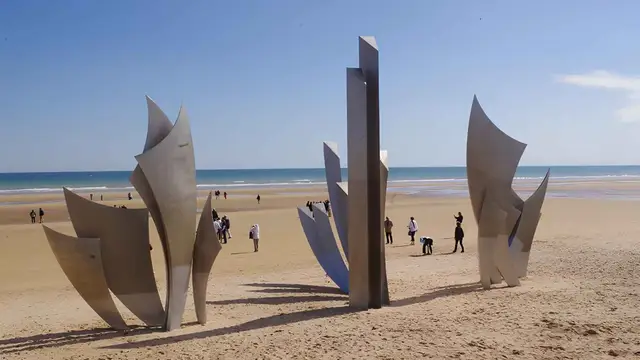
A “brown ribbon” as long as a continent is forming across Africa’s Atlantic, and scientists fear it’s not just a stain but a rapidly expanding ocean shift
Seen from space, it looks almost unreal. A vast brown ribbon of floating algae now stretches across much of the Atlantic, linking waters off West Africa…
ECOnews Newsroom · June 19, 2026
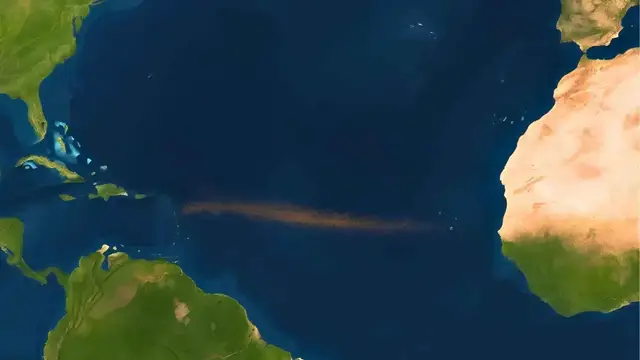
Helium bubbling out of hot springs along Zambia’s Kafue Rift is carrying a deep-mantle signature, and researchers say it could be the first hard evidence that a 1,550-mile Southwest African Rift is waking up into a new plate boundary that could eventually split the continent
Something unusual is bubbling out of hot springs in Zambia, and geologists are paying close attention. The gases rising through the water carry helium…
ECOnews Newsroom · June 11, 2026
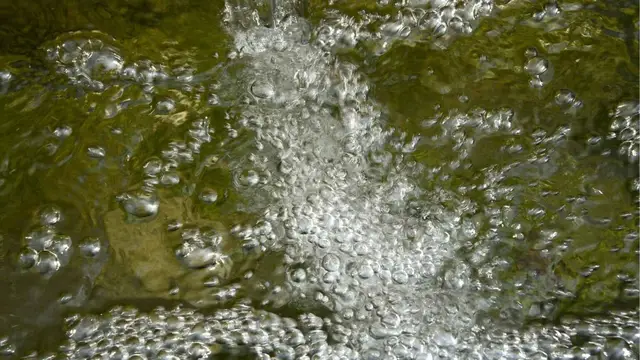
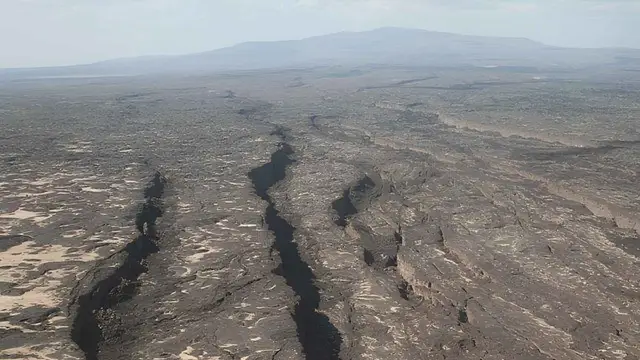
Ethiopia is tearing toward a new ocean, and geologists explain how the rift is pulling the crust apart millimeter by millimeter until the map of East Africa changes
Something unusual happened under Ethiopia’s Afar region between late December 2024 and mid-March 2025. Ground that normally pulls apart at less than an…
ECOnews Newsroom · June 8, 2026
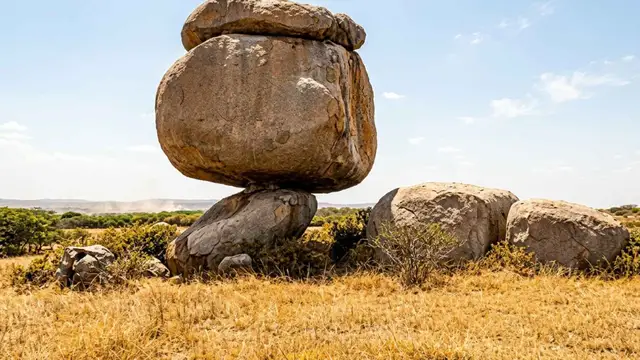
In Brazil’s Paraíba backcountry, the “Pedra da Maravilha” looks like it defies gravity on a tiny base, and the geological oddity has turned one rock into a tourism magnet
A strange-looking rock formation in Brazil’s northeast is getting fresh attention after a May 9, 2026, visit brought new eyes to one of Belém do Brejo do…
ECOnews Newsroom · June 2, 2026
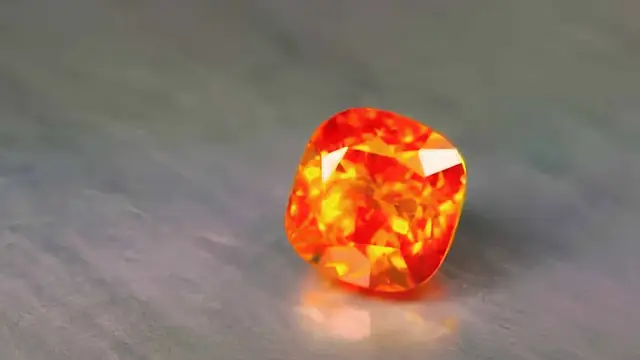
The rarest mineral recognized by science weighs about 0.011 ounces, exists as a single known natural specimen, and its discovery exposes how fragile Earth’s catalog still is
A tiny reddish-orange gem from Myanmar has become one of the strangest trophies in modern geology. The mineral is called kyawthuite, and science has…
Adrian Villellas · May 31, 2026
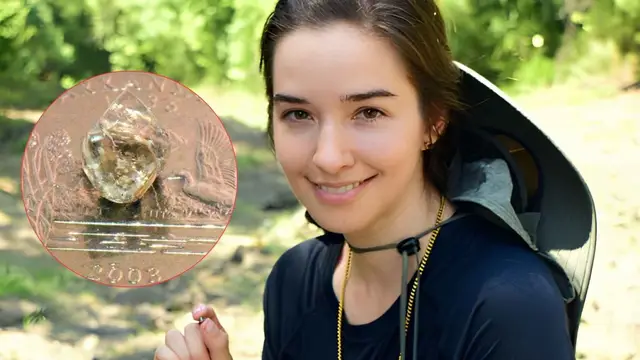
A New York tourist finds a diamond the size of a human tooth, and a casual visit turns into a once-in-a-lifetime geology story
A New York visitor went to Arkansas with a very specific plan. She wanted to find the diamond for her own engagement ring, not buy one from a store, and…
ECOnews Newsroom · May 26, 2026
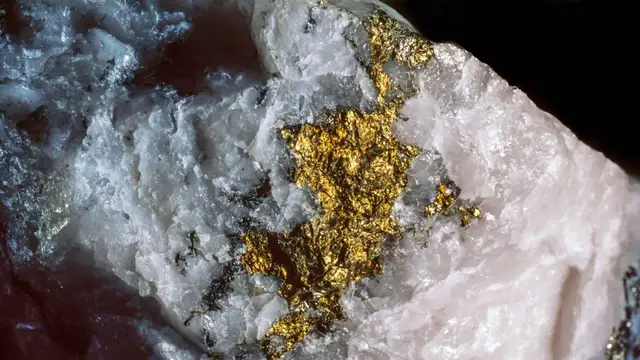
Geologists say earthquakes may be “making” gold nuggets inside quartz, and the study explains how extreme pressure, fluids, and hairline fractures do the work
Could an earthquake do more than crack rock and rattle the ground? New research suggests seismic shaking may help build gold nuggets inside quartz veins,…
ECOnews Newsroom · May 24, 2026
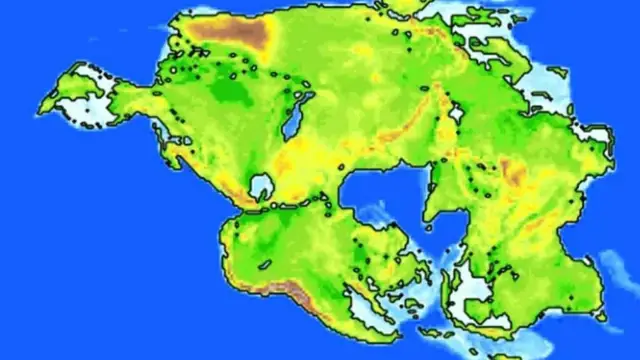
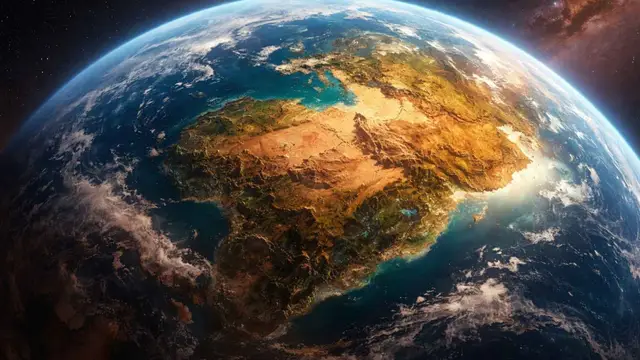
Earth already did it 200 million years ago… and it’s going to do it again: the supercontinent that could wipe humans off the map
In roughly 200 to 250 million years, Earth’s scattered continents are expected to merge again into a single giant landmass. For geologists, that is the…
Adrian Villellas · April 8, 2026
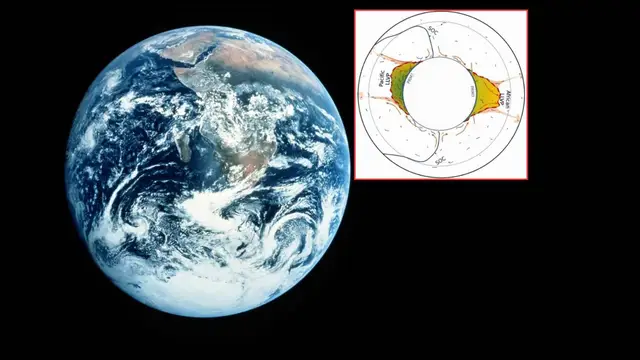
A study of the deep structures of the Earth’s mantle raises new questions about the future stability of the planet’s magnetic field
Most of us only think about Earth’s magnetic field when a compass points north or the aurora lights up the sky. Yet this invisible shield protects our…
Adrian Villellas · April 7, 2026
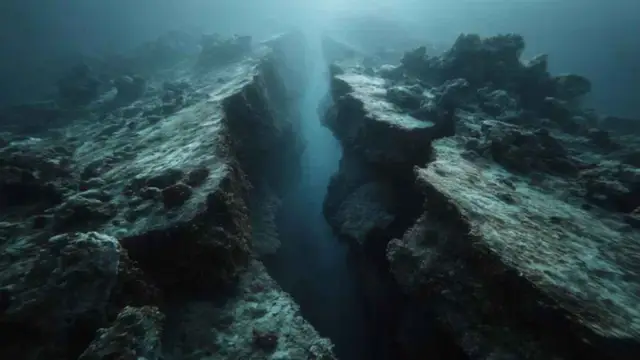
For the first time, they “saw” a tectonic plate breaking apart under the Pacific, and what they found was not a crack, but an entire system
Off the coast of Vancouver Island, scientists have captured unusually sharp images of a tectonic plate that is breaking apart as it sinks beneath North…
ECOnews Newsroom · April 7, 2026
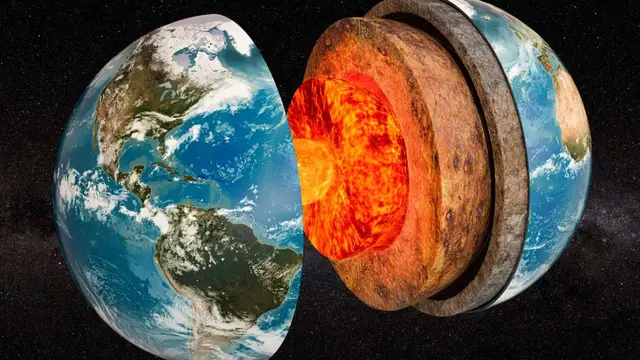
Geologists discover that the Earth’s core is leaking: it will release 1,000 tons of ancient gold
Deep beneath our feet, a slow trickle of gold is escaping from the heart of Earth. That is the striking conclusion of a new study that used ultra-precise…
Adrian Villellas · April 6, 2026
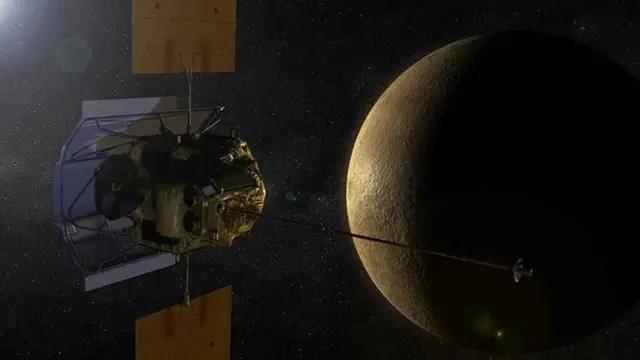
For decades, Mercury had been considered a “dead” planet, but a study has just changed that idea. NASA has detected bright structures that point to current geological activity
For years, textbooks have described Mercury as a burnt out rock that finished its geological story long ago. A new study is now suggesting that this tiny…
ECOnews Newsroom · April 4, 2026
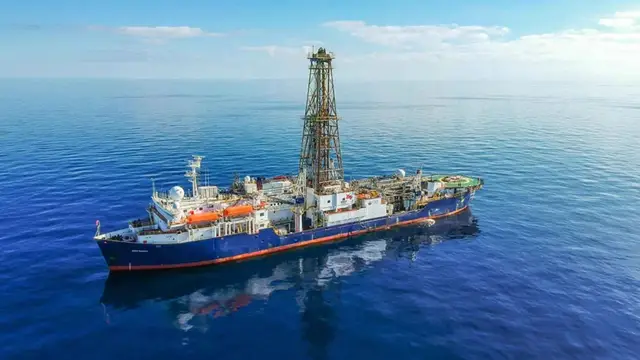
Scientists drill into the Mid-Atlantic Ridge and extract the deepest mantle core ever obtained at 4,160 feet
Scientists finally drilled more than a kilometer into Earth’s mantle under the Atlantic Ocean and the rocks they pulled up tell a story about life,…
ECOnews Newsroom · April 3, 2026
A new supercontinent could form in 200 to 250 million years and make much of Earth too hot for mammals
Could the map of Earth someday collapse into a single landmass again? Scientists say that is not only possible, it is part of a long natural cycle, and…
ECOnews Newsroom · April 3, 2026