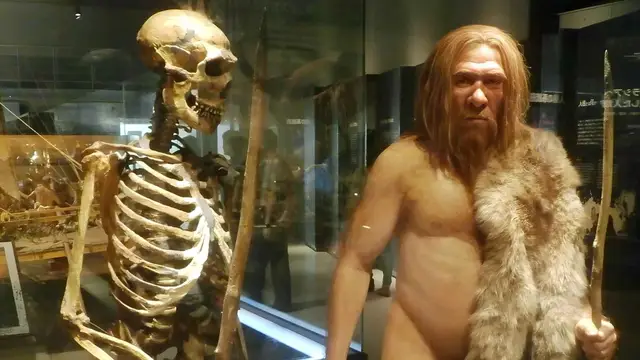
Human evolution
Human evolution is becoming more complex. It seems that Neanderthals have mixed into us rather than died out, and early hominins were choosing optimal stones for their tools much earlier than expected. We have gathered the information in one place.
26 stories · since 2025 · latest, November 15, 2026
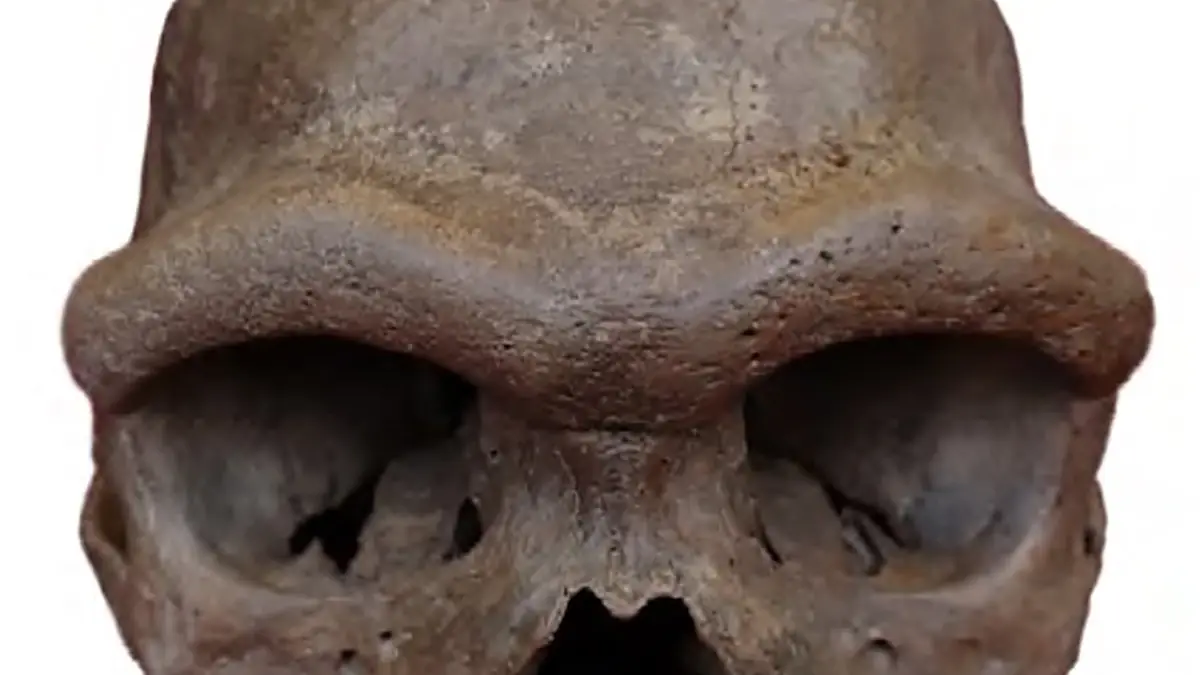
A skull known as Dragon Man is at least 146,000 years old, and after its bone and tooth yielded no DNA, hardened dental plaque pointed scientists to a lost human group known as the Denisovans
A team led by Qiaomei Fu of the Chinese Academy of Sciences has linked the Dragon Man skull from Harbin, in northeastern China, to the Denisovans. Two…
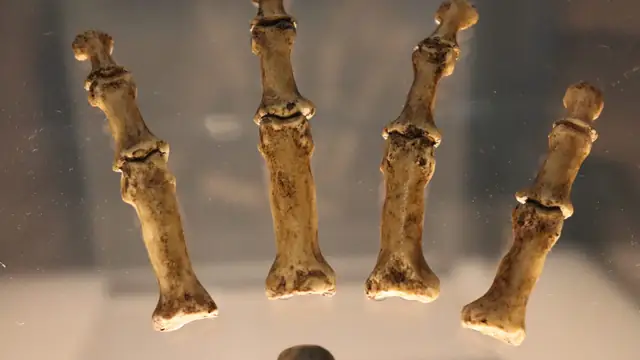
In Abauntz Cave in northern Spain, archaeologists have found the first Neanderthal remains ever identified in Navarre, six bones from a man’s right hand dated to about 46,000 years ago, and at first nobody realized they were human
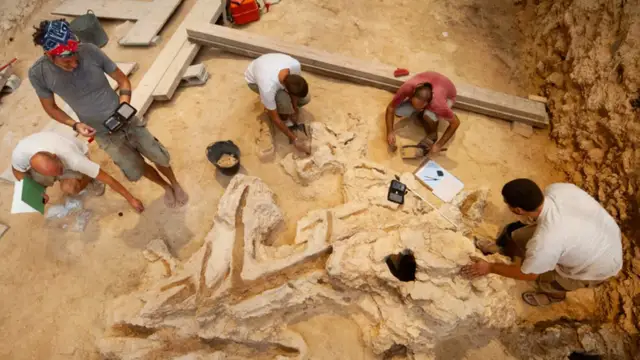
An excavation in Barcelona has revealed that Neanderthals not only carved stone but also made spears, bark trays, and wooden structures as far back as 62,000 years ago
Max Planck scientists read DNA from 27 late Neanderthals in Belgium and France and found no sign of recent Homo sapiens ancestry, even though both lived in Europe at the same time
Neanderthal bones from ten sites in Belgium and France, with a focus on caves in Belgium’s Meuse Basin that were mostly excavated in the 19th century,…
ECOnews Newsroom · October 7, 2026
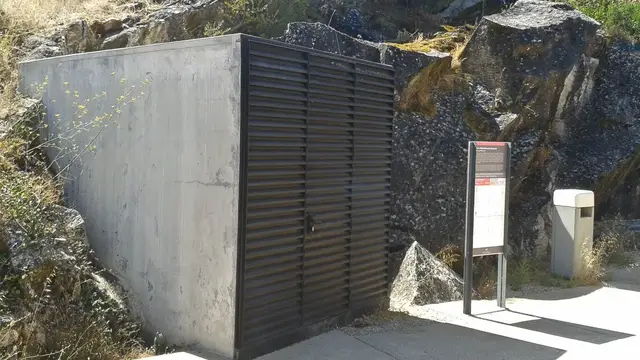
Scientists sampled 120 surfaces inside caves in Portugal and Spain and recovered ancient human DNA from just five, including a red-pigment crust at Escoural, revealing that even apparently blank cave walls can preserve genetic traces of people who passed through thousands of years ago
Scientists have recovered ancient human DNA from a pigment-bearing mineral crust in a Portuguese cave, showing that cave walls can preserve traces of…
ECOnews Newsroom · September 25, 2026
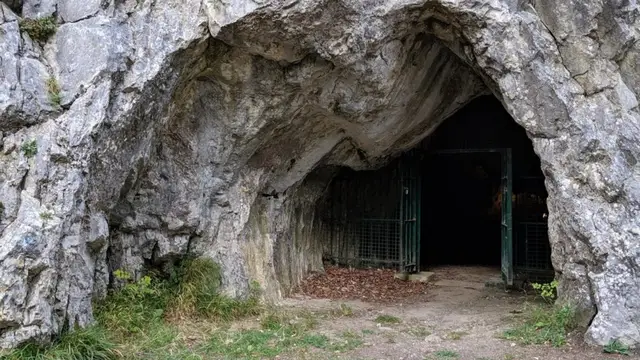
Ancient DNA from Belgium and France suggests Europe’s last Neanderthals were not isolated, inbred groups slowly dying out, and none of their genomes show recent modern human ancestry even though our species had already arrived in the region
Ancient DNA from Belgium and France challenges the idea that Neanderthals faded away as isolated, increasingly inbred groups. Researchers found signs of…
ECOnews Newsroom · September 18, 2026
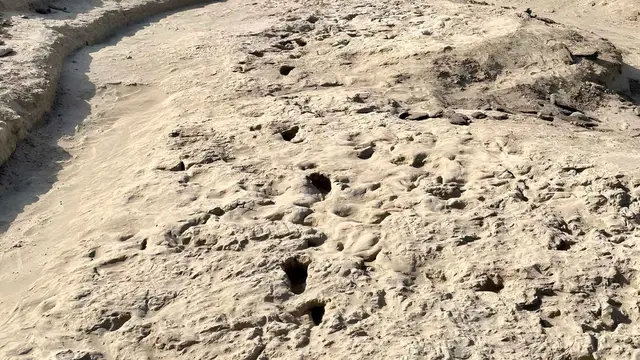
Eight hominins crossed the same muddy shore 1.43 million years ago, their footprints a rare window into ancient company and movement
A muddy lakeshore in northern Kenya has preserved something bones rarely can, offering a narrow window into movement and company. At the GaJi10 site near…
ECOnews Newsroom · August 11, 2026
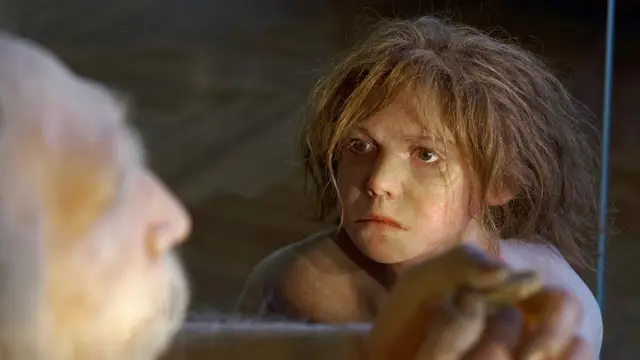
Neanderthal babies were absolute units, according to a new study that changes how we imagine our most famous human relatives from the very start of life
A Neanderthal baby who died roughly 55,000 years ago appears to have been only about six months old. Yet the infant’s limbs and brain were already…
ECOnews Newsroom · July 26, 2026
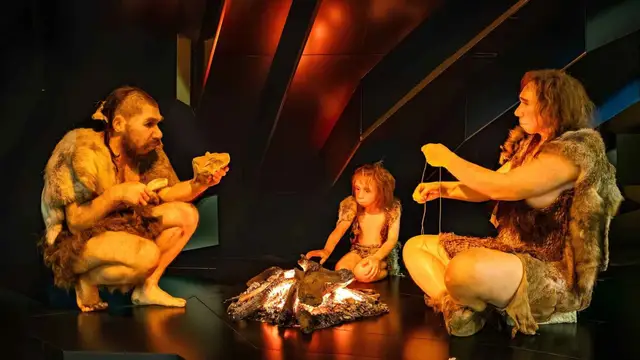
Homo erectus teeth dating back about 400,000 years, found in China, have just revealed an unexpected clue about a possible family connection to the mysterious Denisovans
An ancient tooth can hold more than a fossil record. In China, proteins locked inside 400,000-year-old Homo erectus teeth have pointed to a possible…
ECOnews Newsroom · July 4, 2026
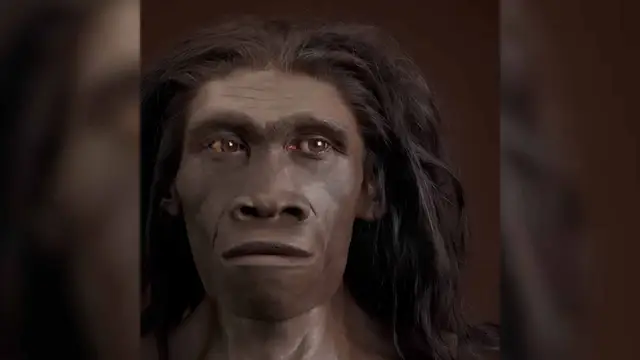
Stone-tool evidence shows hominins cherry-picked basalt 780,000 years ago, flexing DIY skills way ahead of schedule
Long before roads, maps, or metal blades, hominins living beside an ancient lake in northern Israel seem to have known where to find the right stone. A…
ECOnews Newsroom · June 24, 2026
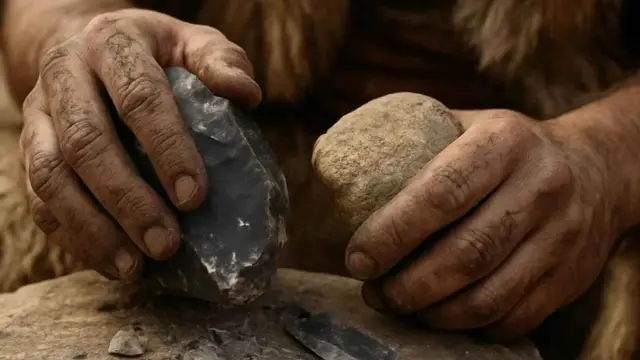
A 286,000-year-old hominin skull found in Petralona Cave in Greece still has no clear identity, and the gap reopens the puzzle of who lived in Europe before Neanderthals
A nearly complete skull found in a Greek cave has spent more than six decades in scientific limbo. Now, a fresh dating study says the Petralona cranium is…
ECOnews Newsroom · May 30, 2026
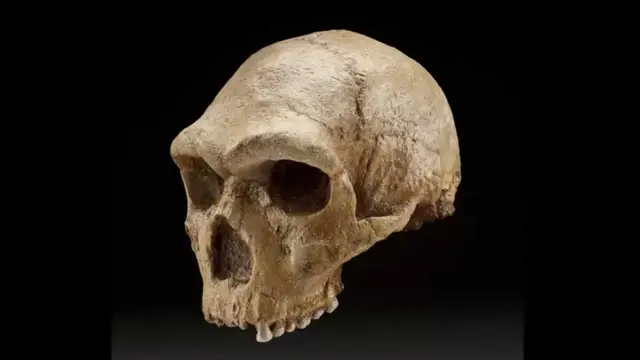
Scientists believe they have identified the birthplace of Homo sapiens with new precision, combining fossils, climate, and evolution to redraw the first chapter of our species
Ask someone where modern humans came from and you will probably hear the same answer, Africa. But where in Africa did the story of Homo sapiens really…
ECOnews Newsroom · May 14, 2026
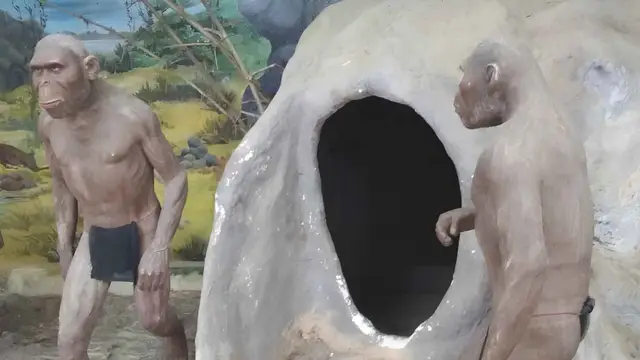
Archaeologists opened a cave sealed for 40,000 years in Gibraltar and found what could be the last refuge of the Neanderthals on Earth
Archaeologists in Gibraltar have opened a hidden chamber inside Vanguard Cave that had been sealed off for at least 40,000 years, preserving surface finds…
ECOnews Newsroom · May 8, 2026
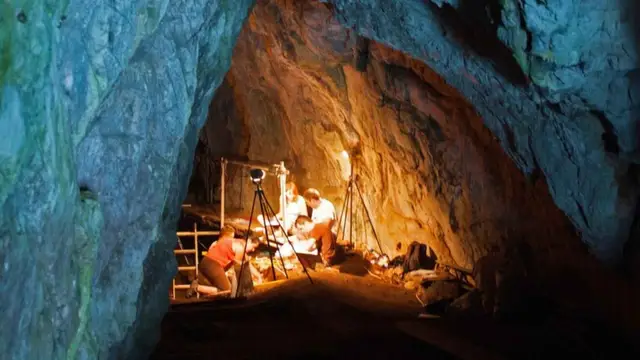
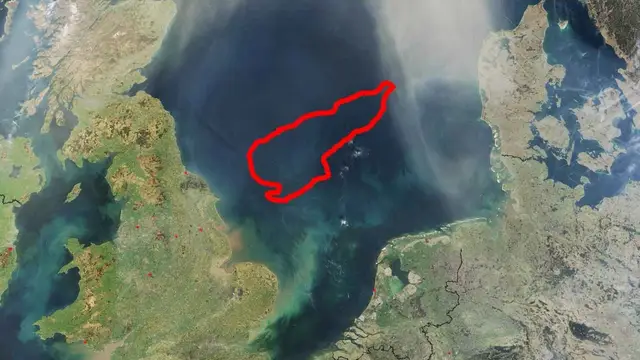
Ancient DNA from the North Sea reveals a lost forest beneath the waves, and suggests that 16,000 years ago Europe and Britain were still part of a vanished world
At one point after the last ice age, parts of the North Sea were dry land, and you could walk from mainland Europe into what is now Britain. A new study…
ECOnews Newsroom · May 4, 2026
What if DNA were telling a story of unequal attraction between sapiens and Neanderthals that is far more human, complex, and uncomfortable than we had imagined until now?
If you have ever looked at an ancestry report and spotted a small slice labeled “Neanderthal,” you are seeing the leftovers of real encounters between…
ECOnews Newsroom · April 30, 2026