Insects and spiders
74 stories · since 2025 · latest, 11 h ago
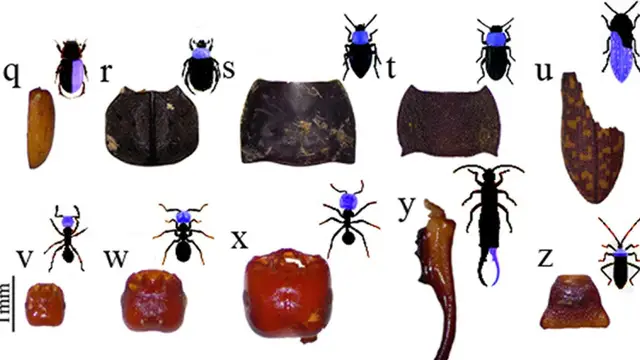
Researchers sifting 8,173 insect remains from a burial cave on Gran Canaria found granary weevils revealing it first stored grain, and blowflies showing the dead were placed inside right after death
A burial cave on Gran Canaria appears to have started life as a place to keep grain, and its smallest inhabitants helped reveal the change. Researchers…
Adrian Villellas · October 2, 2026
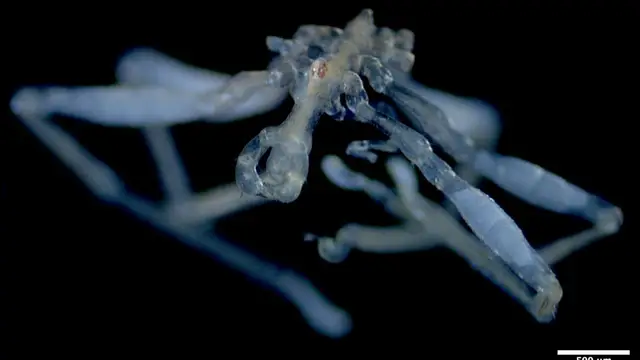
Divers off British Columbia found two sea spider species new to science, the first described in the Salish Sea in almost a century, and one has red eyes and legs so spiny its name means hairy feet
Two newly described sea spider species are bringing an overlooked corner of coastal wildlife into focus. Researchers at the University of British Columbia…
ECOnews Newsroom · September 30, 2026
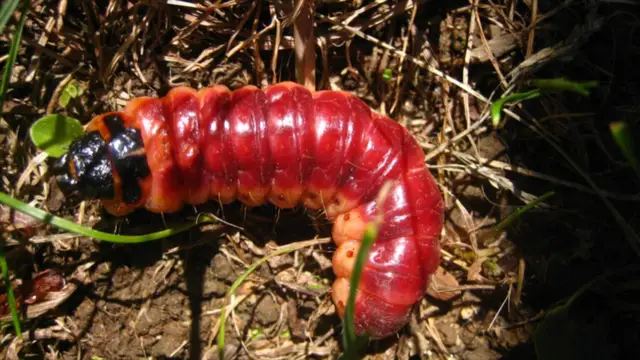
A sudden vinegar smell next to a garden tree can mean a goat moth caterpillar has spent years tunneling through the trunk, and the wood can end up snapping
An unusual smell coming from a tree trunk puzzles many gardeners. The reason is deep in the wood.
Adrian Villellas · September 29, 2026
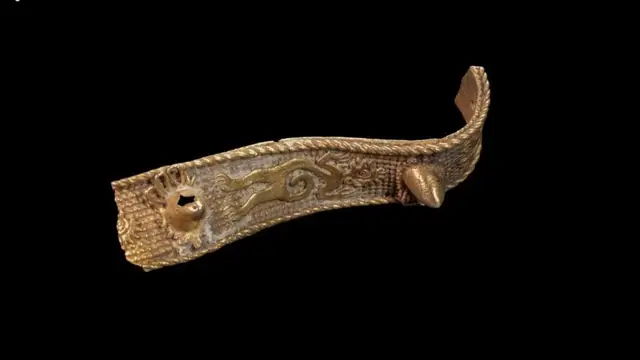
An octopus diver found Zapotec jewels on Mexican reefs 50 years ago, and a bracelet fragment with a spider monkey returned from New York may be one of the pieces he sold before others were melted down
A gold-colored bracelet fragment has returned to Mexico from New York, opening an investigation into its possible connection to the “Joyas del pescador,”…
Adrian Villellas · September 28, 2026
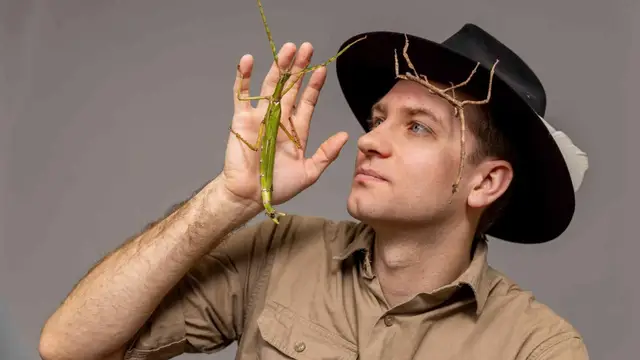
An Australian stick insect people had photographed for years only now received its own scientific name, and researchers also found a rainforest species whose eggs carry rings never seen before
A large Australian stick insect familiar to scientists and insect enthusiasts has finally received its own scientific name. Researchers at the University…
ECOnews Newsroom · September 27, 2026
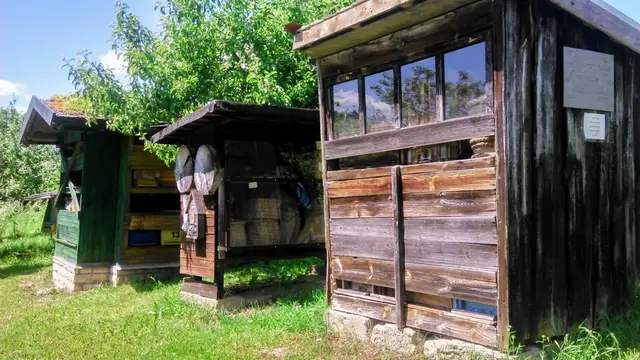
A truck carrying 70,000 pounds of beehives overturned in Washington and released an estimated 14 million bees, but instead of destroying the colonies responders gave them up to 48 hours to regroup around their queens, inspiring a new 10-page emergency plan for future bee spills
A truck carrying roughly 70,000 pounds of honeybee hives overturned near Lynden, Washington, on May 30, 2025, setting off a rescue unlike an ordinary…
ECOnews Newsroom · September 26, 2026
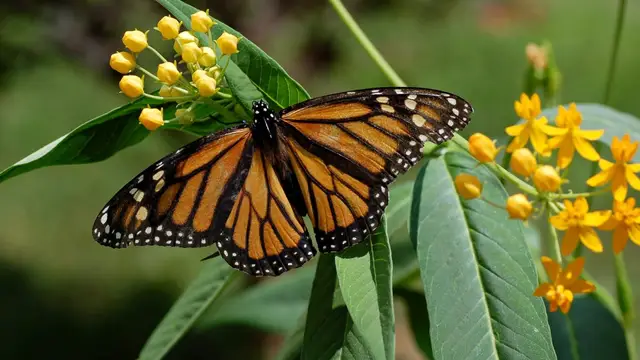
Florida researchers are planting up to 15,000 native milkweeds along North Florida roadsides through 2029, turning overlooked highway land into potential feeding and breeding habitat where monarch butterflies have already begun using the new plants
Florida researchers are working toward planting 15,000 native milkweeds along selected North Florida roadsides, giving monarch butterflies more places to…
Adrian Villellas · September 24, 2026
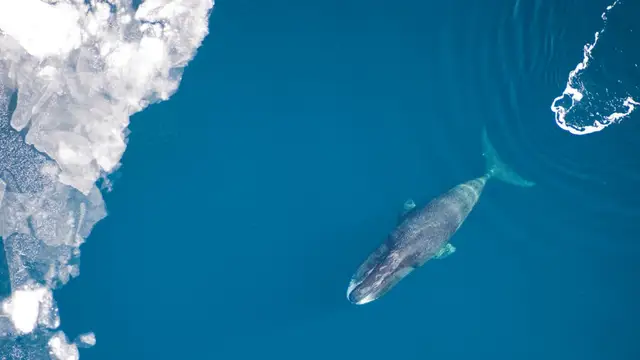
Bowhead whales can live for more than 200 years despite weighing up to 200,000 pounds, and scientists found their cells repair dangerous DNA breaks unusually well, with one protein even improving DNA repair in human cells and extending lifespan in fruit flies
Bowhead whales can live beyond 200 years without appearing unusually prone to cancer, and researchers think better DNA repair may help explain why. A 2025…
ECOnews Newsroom · September 22, 2026
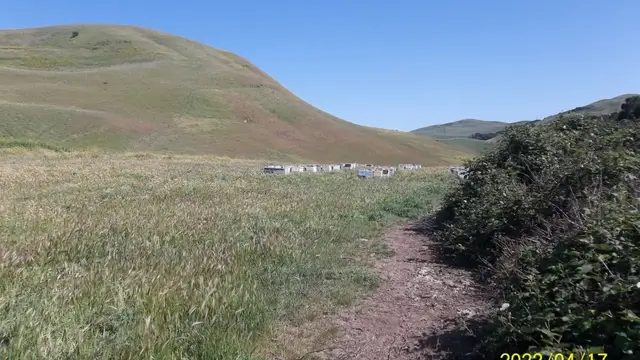
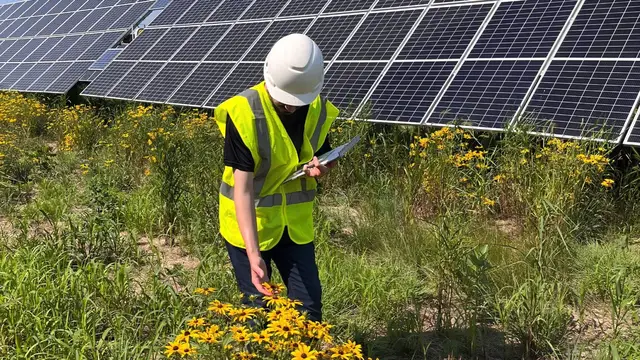
An Ohio solar farm now shares its 196-megawatt site with more than 50 beehives and nearly 3 million honey bees, turning land around the panels into pollinator habitat while veteran beekeepers use the project to train other veterans and first responders in caring for colonies
At Big Plain Solar in Madison County, Ohio, utility-scale solar panels now share the land with more than 50 beehives and nearly 3 million honey bees. What…
ECOnews Newsroom · September 22, 2026
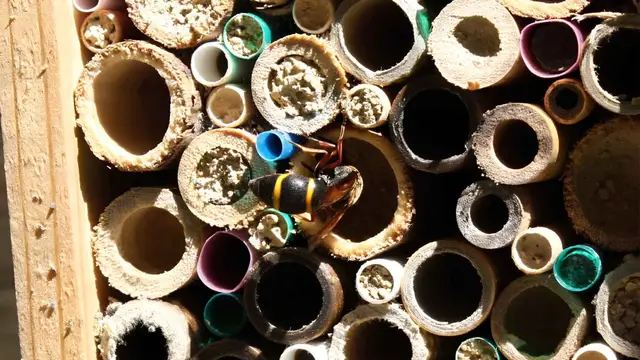
Bee hotels were supposed to help pollinators, but a Toronto experiment found wasps were checking in first
In Toronto after an experiment they discovered that bee hotels, which are sold as a way to help nature, can also end up changing and altering all the…
ECOnews Newsroom · September 14, 2026
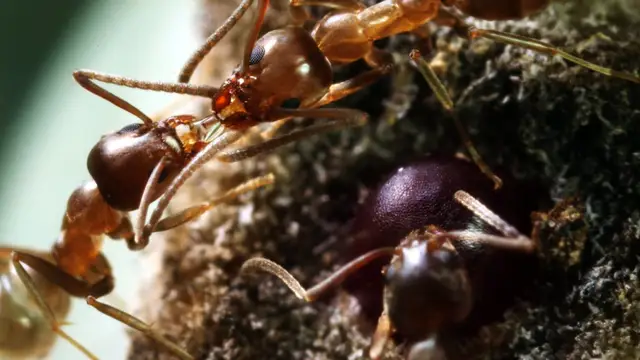
Argentine ants formed a supercolony across Portugal, Spain, France and Italy, linking nests across roughly 3,700 miles
An ant trail passing under a flowerpot may look small enough to be brushed aside. But, the Argentine ant (Linepithema humile) created a social network…
ECOnews Newsroom · September 12, 2026
Two Minnesota solar farms turned the ground beneath their panels into habitat, and native bee abundance rose more than 20-fold
Two solar farms in southern Minnesota planted native grasses and wildflowers beneath their panels. The results became clear over time. During a five-year…
Adrian Villellas · September 12, 2026
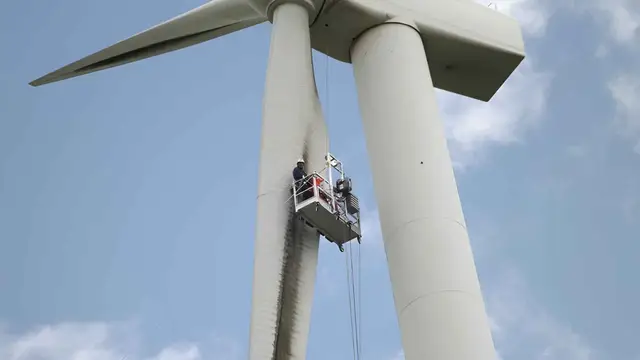
A hidden crust of insects can build up on wind-turbine blades during calm weather, then cut power production by up to 25% when stronger winds arrive, even though the machinery itself may be working perfectly
A wind turbine can be working perfectly and at the same time underperform when wind speed increases. A landmark Nature study found that insects stick to…
Adrian Villellas · September 5, 2026
An eighth-grade student gave 200 red harvester ants three hours to explore a maze filled with fake leaves, rocks and tangerine, then moved the landmarks around and watched the insects change where they went
We usually notice ants only when they appear on the kitchen counter or form a line along the sidewalk. Seungah Chung studied how these insects with small…
Adrian Villellas · August 27, 2026

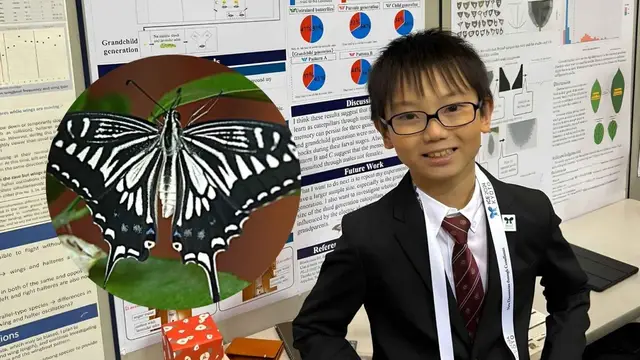
A 10-year-old boy trained swallowtail butterfly caterpillars to avoid the scent of lavender and then watched as they turned into butterflies; and when 71 % of the adult butterflies continued to avoid that same scent, he began to wonder if, somehow, the memory had survived the metamorphosis
Jo Nagai was 10 years old when his swallowtail butterflies that he raised at home led him to a question that is really deep when we talk about biology and…
ECOnews Newsroom · August 27, 2026