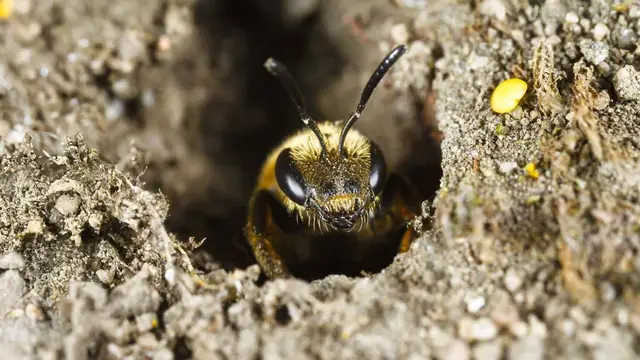
Insects and spiders
74 stories · since 2025 · latest, 12 h ago
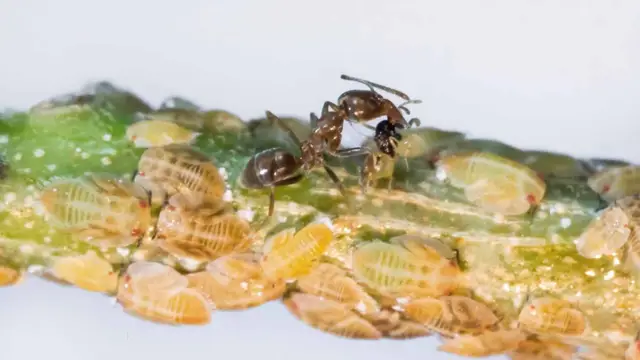
Argentine ants defend citrus pests from predators in California’s groves and vineyards, raising honeydew pressure and weakening biological control, after spreading from South America in 1891
How can an invasive species of ants travel across continents and end up defending other insects? Argentine ants have been doing exactly that for aphids,…
ECOnews Newsroom · August 22, 2026
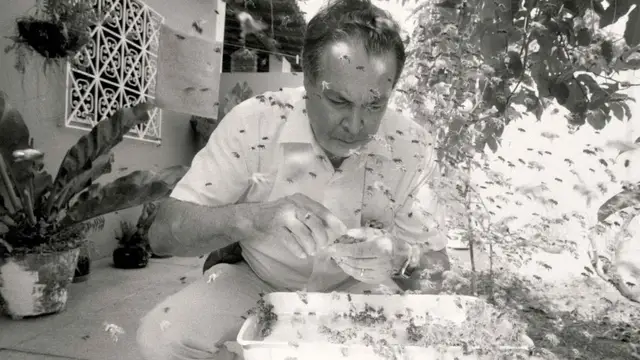
Brazilian geneticist Warwick Kerr bred honey bees for tropical heat in 1956, and 26 swarming colonies spread across the Western Hemisphere by 1990, transforming pollination patterns
Brazilian geneticist Warwick Estevam Kerr saw a need for a new and improved bee species back in 1956. Backed by the government, his work sought to breed…
ECOnews Newsroom · August 22, 2026
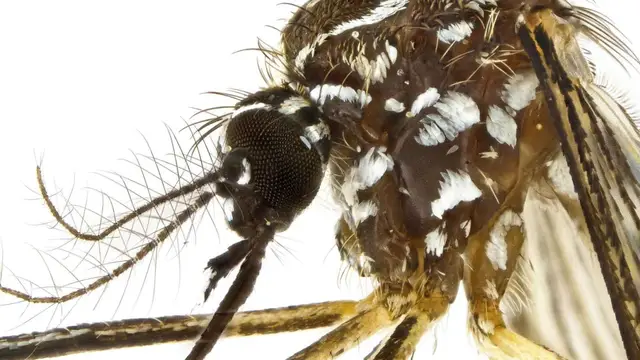
A laboratory dose of insecticide killed 97.91% of the mosquitoes that spread dengue, and the tiny fraction that survived is what has researchers in Delhi worried
That faint buzz beside the bed is annoying enough. A new University of Delhi study suggests that a laboratory strain of Aedes aegypti, the mosquito known…
ECOnews Newsroom · August 17, 2026
A Paris startup backed by Y Combinator says its bug-hunting drone completed its first autonomous kill, but the insect it caught was a moth, not a mosquito.
A palm-sized drone built to hunt mosquitoes has completed what its developer calls its first autonomous air-to-air insect kill. Footage released on July…
ECOnews Newsroom · August 6, 2026

It all started when a Florida homeowner had some old cardboard boxes he was going to throw away and ended up transforming a withered lawn into a garden full of butterflies, bees, birds, and edible plants that requires almost no maintenance
Can old shipping boxes really become the first layer of a living front yard? A Florida homeowner soaked cardboard over a struggling lawn, covered it with…
Adrian Villellas · August 4, 2026

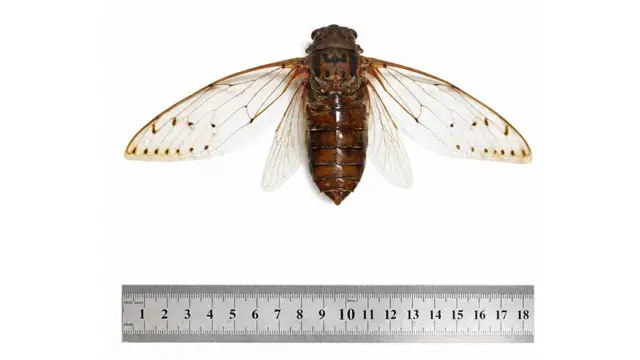
Scientists have transformed a simple fragment of a cicada’s wing into an optical platform capable of detecting molecular signals that, under normal conditions, would be virtually impossible to detect
A cicada wing looks almost transparent in daylight. Under a powerful microscope, however, its surface becomes a tightly ordered forest of tiny pillars…
ECOnews Newsroom · August 1, 2026
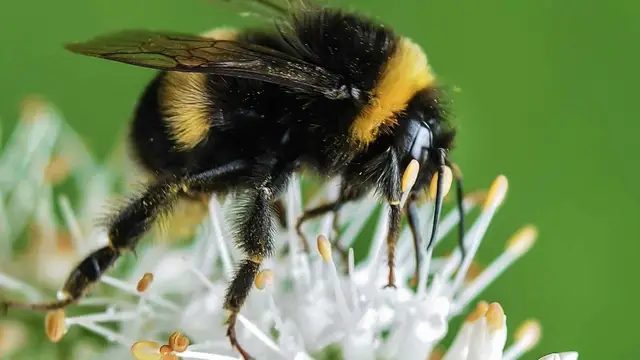
Bumblebees survived low doses of a modern pesticide, but scientists found the real damage hidden in genes linked to the next generation
A pesticide does not need to kill a bumblebee to damage a colony’s future. Georgia Tech researchers found that common eastern bumblebees exposed for 21…
ECOnews Newsroom · July 30, 2026
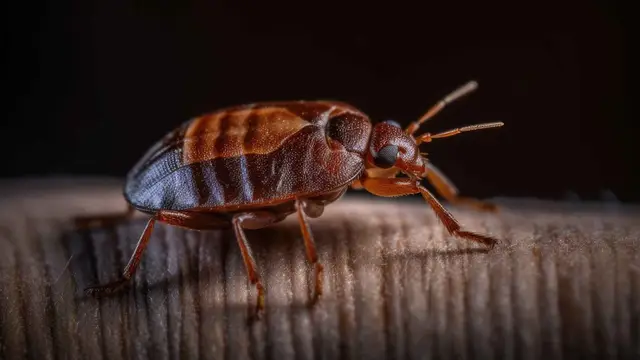
Bedbug DNA reveals that these insects have been tied to humans for far longer than we would like to imagine, a sticky and seriously uncomfortable history
Bed bugs did not simply follow people into houses. New DNA evidence suggests that settled life may have pulled the human-feeding branch of the common bed…
ECOnews Newsroom · July 23, 2026
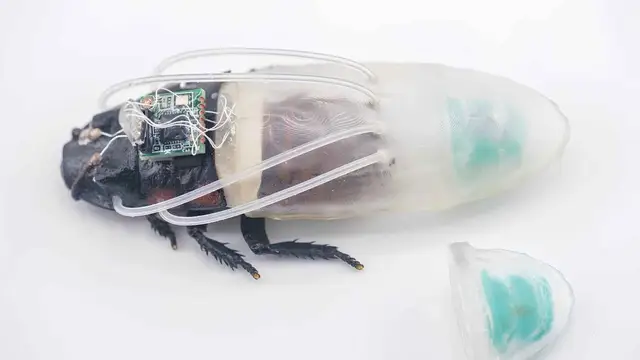
Scientists are developing diving suits for cyborg cockroaches that could be used in rescues and even Mars missions, a mix of insects and technology that sounds almost too weird to be real
A flooded basement or collapsed tunnel is one of the hardest places for rescuers to search. Now, scientists have equipped remotely guided cockroaches with…
Adrian Villellas · July 22, 2026
It all started with a seemingly ordinary suitcase at the Cape Town airport, until the police found 150 live scorpions hidden among the clothes
An intelligence-led operation at Cape Town International Airport has turned a single suitcase into a much bigger warning about wildlife trafficking. South…
Adrian Villellas · July 9, 2026
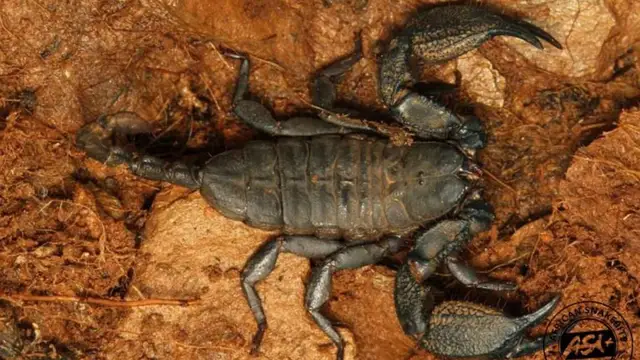
Science discovers the “point of no return” for mosquitoes: the mathematical trick that could forever change the fight against malaria
Malaria control often comes down to a frustrating race against mosquitoes. Nets, sprays, medicines, and vaccines all matter, but the insects keep…
ECOnews Newsroom · July 1, 2026
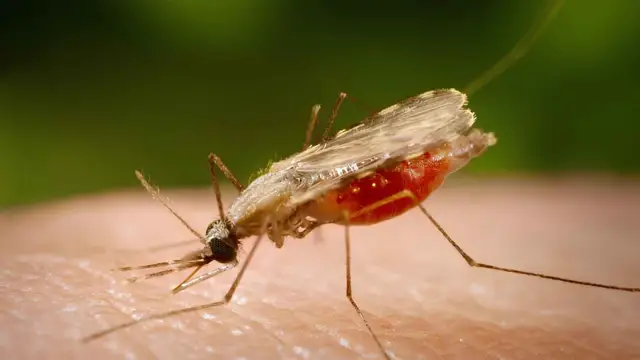
A few cookie crumbs on a trail may seem insignificant, but a new study conducted in Panama suggests that they can distract ants from a task that is key to a plant’s expansion
A few cookie crumbs on a hiking trail may not look like much, but a new study suggests that processed food leftovers can pull ants away from seed- moving…
ECOnews Newsroom · July 1, 2026
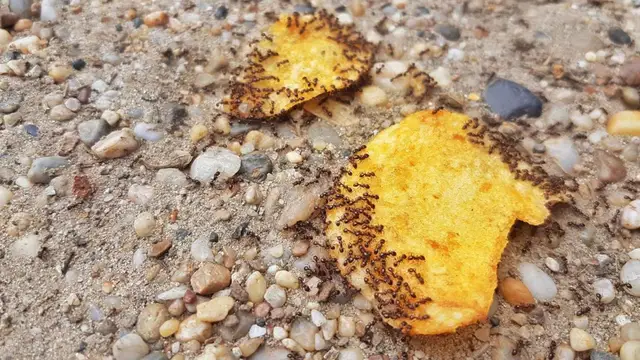
Cockroaches already seemed indestructible, but a new genomic study has just revealed something even stranger: they harbor thousands of fragments of bacterial DNA hidden within their own genome
Cockroaches already have a reputation for surviving almost anything. Now, a new genome study suggests they also carry a remarkable record of ancient…
Adrian Villellas · July 1, 2026
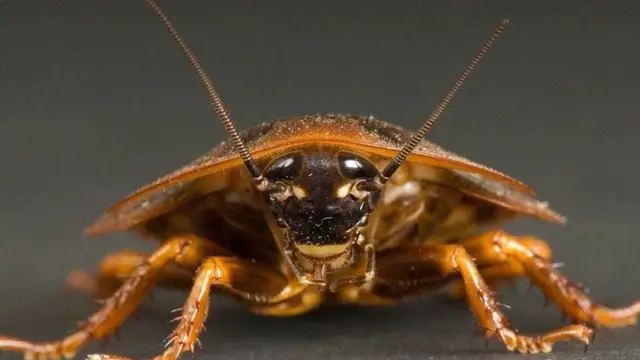
An 8-year-old’s backyard ant find rewrote insect science, reminding experts kids still win the weird-discovery game
It started with a child looking closely at the ground. Hugo Deans was 8 years old when he noticed BB-sized objects near an ant nest under a fallen log in…
ECOnews Newsroom · June 23, 2026
Scientists find about 5.6 million bees living beneath a New York cemetery for more than 100 years, and the hidden colony could help protect vulnerable pollinators
A quiet cemetery in Ithaca, New York, has been hiding something extraordinary beneath its grass. Cornell University researchers estimate that about 5.6…
ECOnews Newsroom · June 19, 2026